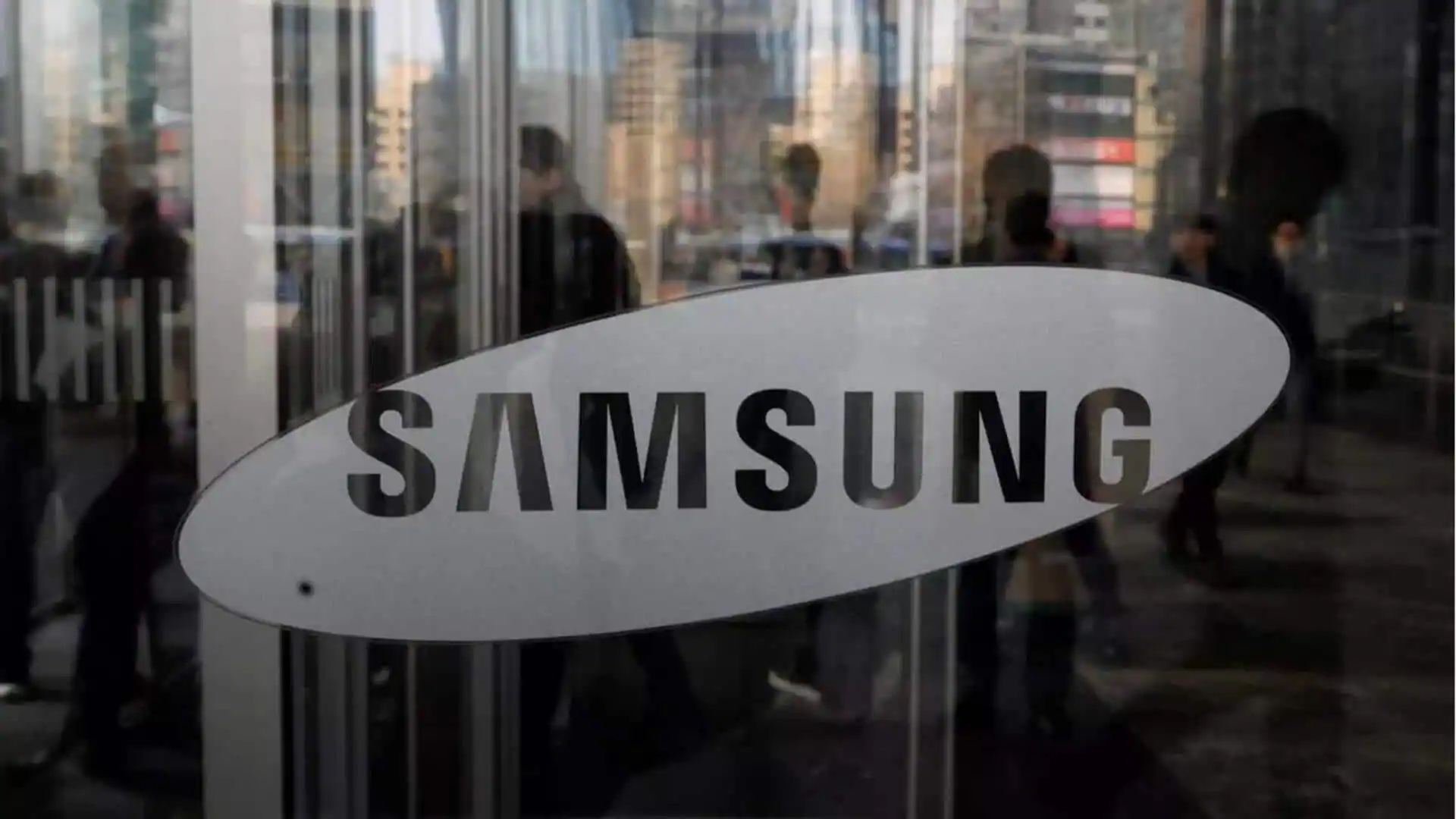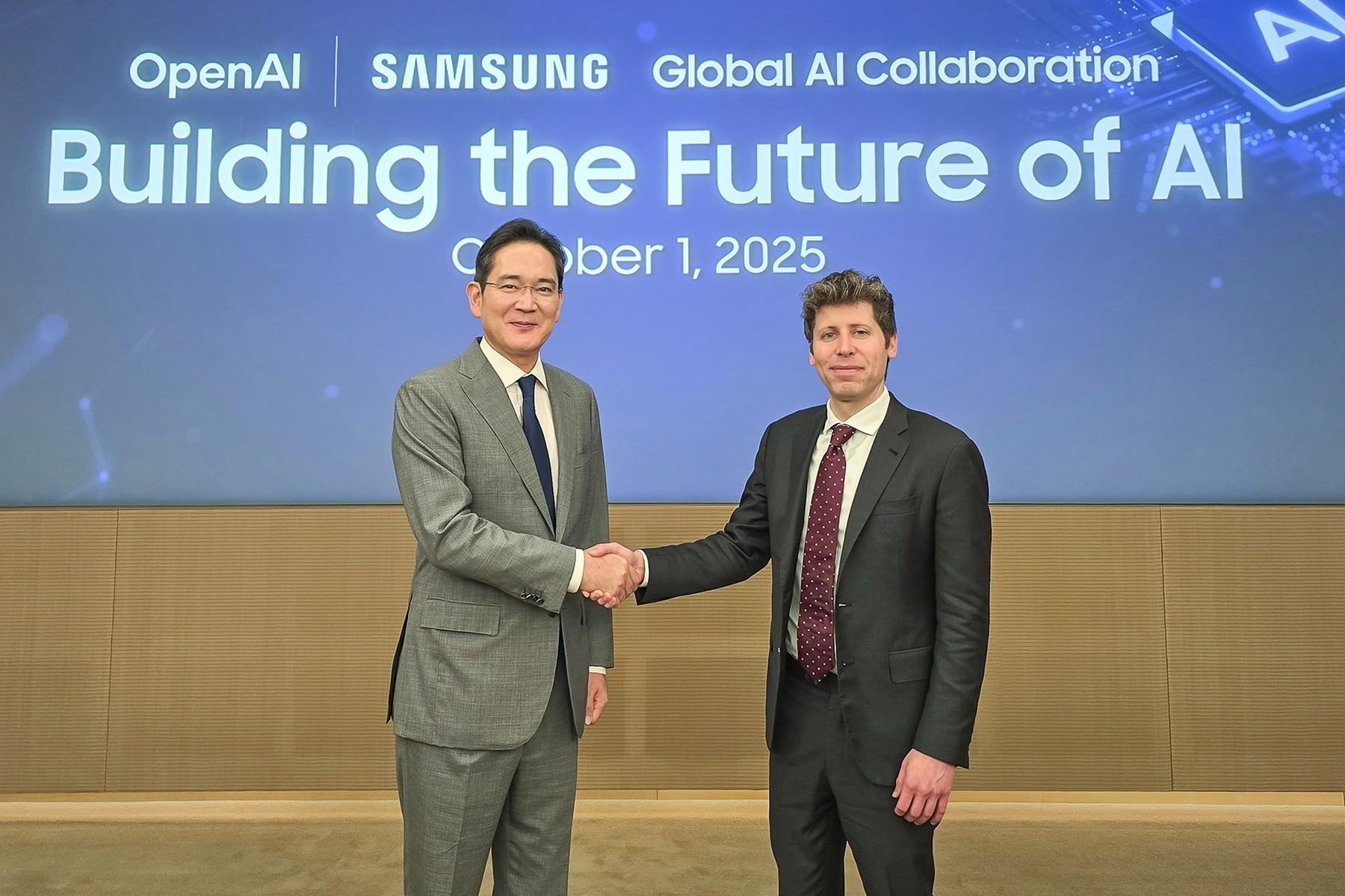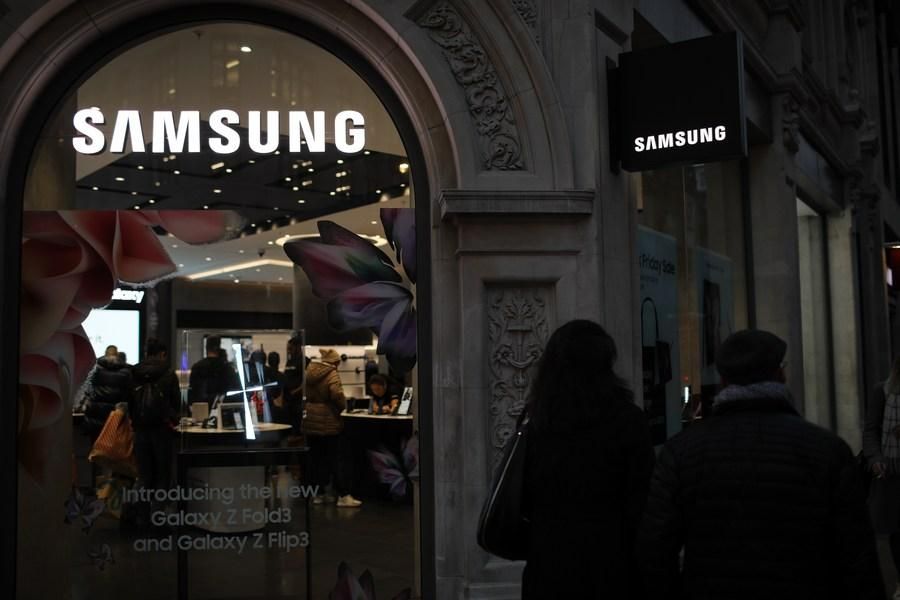
the view of the Samsung store on Oxford Street in London, Britain.
Three years ago, Samsung became the cautionary tale every corporate IT department cited when explaining why employees couldn't use ChatGPT. In March 2023, engineers at the South Korean tech giant uploaded proprietary source code and confidential meeting notes into the public version of the chatbot. The data left Samsung's perimeter entirely. The company's response was swift: a blanket ban on generative AI tools across the workforce.
This week, Samsung reversed that ban in the most public way imaginable.
On June 21, 2026, Samsung confirmed it is rolling out ChatGPT Enterprise and Codex to all employees in Korea and all employees worldwide within its Device eXperience division, the unit responsible for smartphones, televisions, monitors, and home appliances. OpenAI is calling it one of its largest enterprise deployments to date. The arc from cautionary tale to flagship customer, in just three years, tells you almost everything you need to know about where enterprise AI stands right now.
Samsung didn't simply change its mind. It changed the conditions. From April to May 2026, 2,500 employees in the DX division ran a two-month proof-of-concept, simultaneously testing ChatGPT, Gemini, and Claude. That pilot was preceded by Samsung SDS signing a reseller partnership with OpenAI in December 2025, making it the first Korean company authorised to deliver and technically support ChatGPT Enterprise for local clients. The groundwork was methodical, not reactive.