Academia
According to a poll, the British public is thoroughly disillusioned with Brexit and thinks it has only exacerbated the country’s biggest problems.
United Kingdom Prime Minister Keir Starmer visits a housing development on June 19, 2026 in north London. (Reuters/Pool/Peter Macdiarmid)
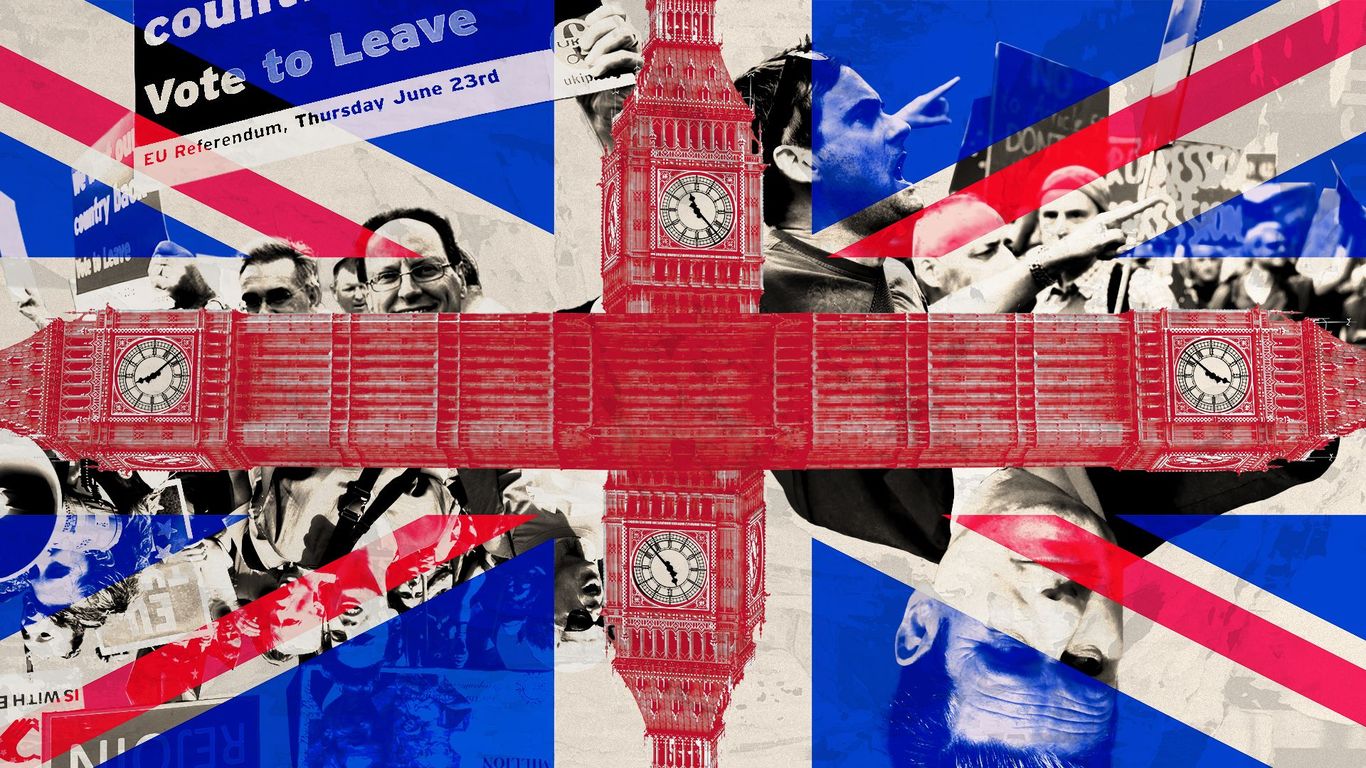
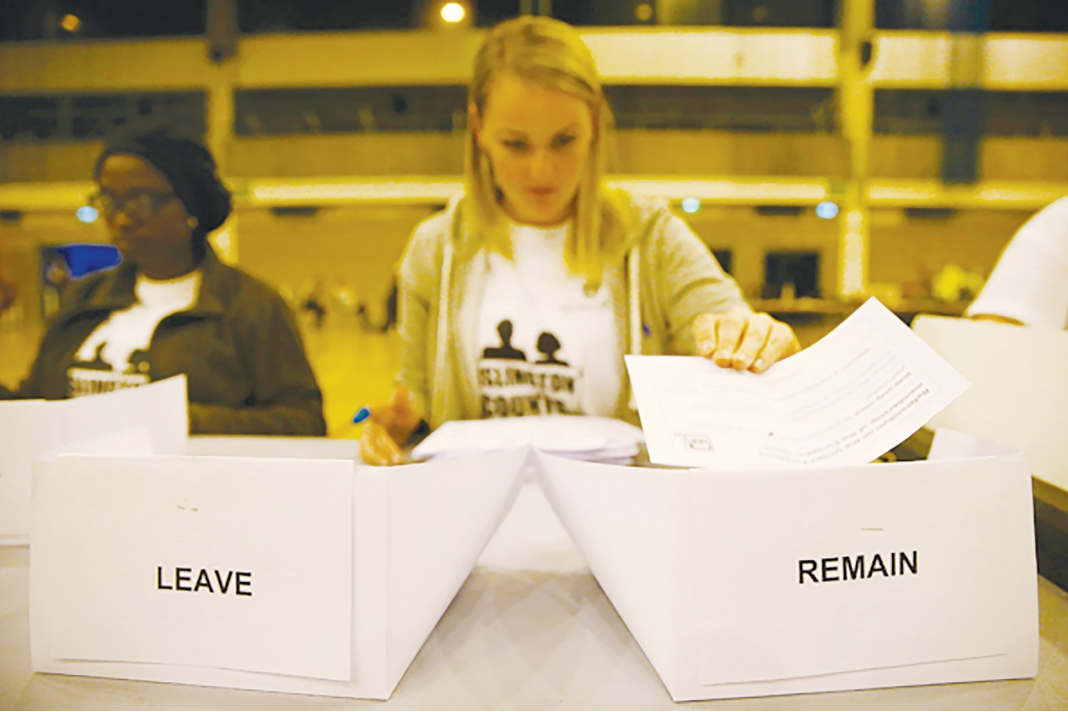
It is only partially a coincidence that the tenth anniversary of the Brexit referendum, the event that provoked a toxic polarization of politics in the United Kingdom, was marked by another political casualty: the resignation of Prime Minister Keir Starmer.Starmer is leaving with characteristic dignity, but without having delivered on the promise he made two years ago to revive the UK economy. One key reason for his failure was Britain’s withdrawal from the European Union. Just last week, a major study put the cost of Brexit at 6–8 percent of the UK’s gross domestic product over the decade since the vote. Given such eye-watering costs, it should come as no surprise that the UK public’s thinking about the relationship between them and continental Europe has undergone a quiet revolution since 2016.
You wouldn’t know it from following intergovernmental negotiations or debates in the media. Politicians in London and across EU capitals insist that almost nothing has changed. Many of the faces are even the same. Nigel Farage’s Reform party is leading the polls in the UK, and the Labour government still refers to previous governments’ “red lines” vis-à-vis Europe.