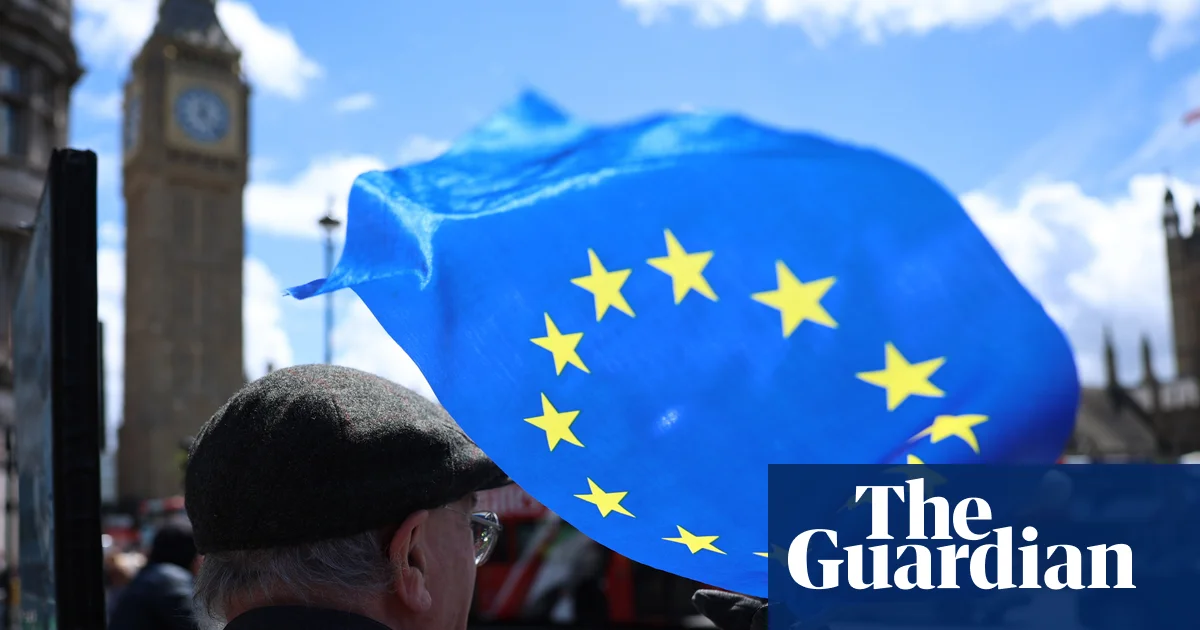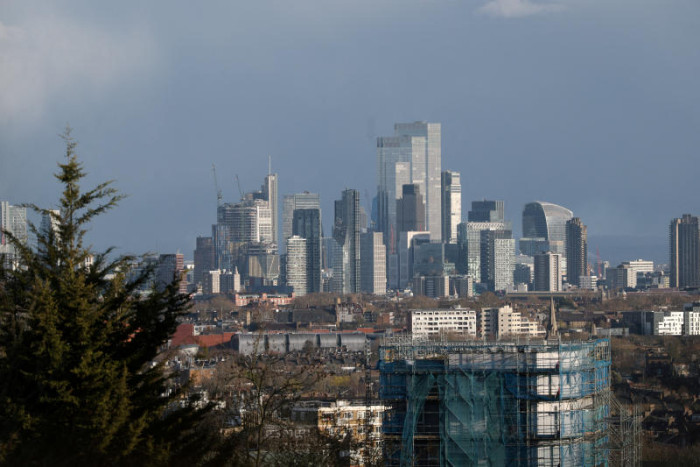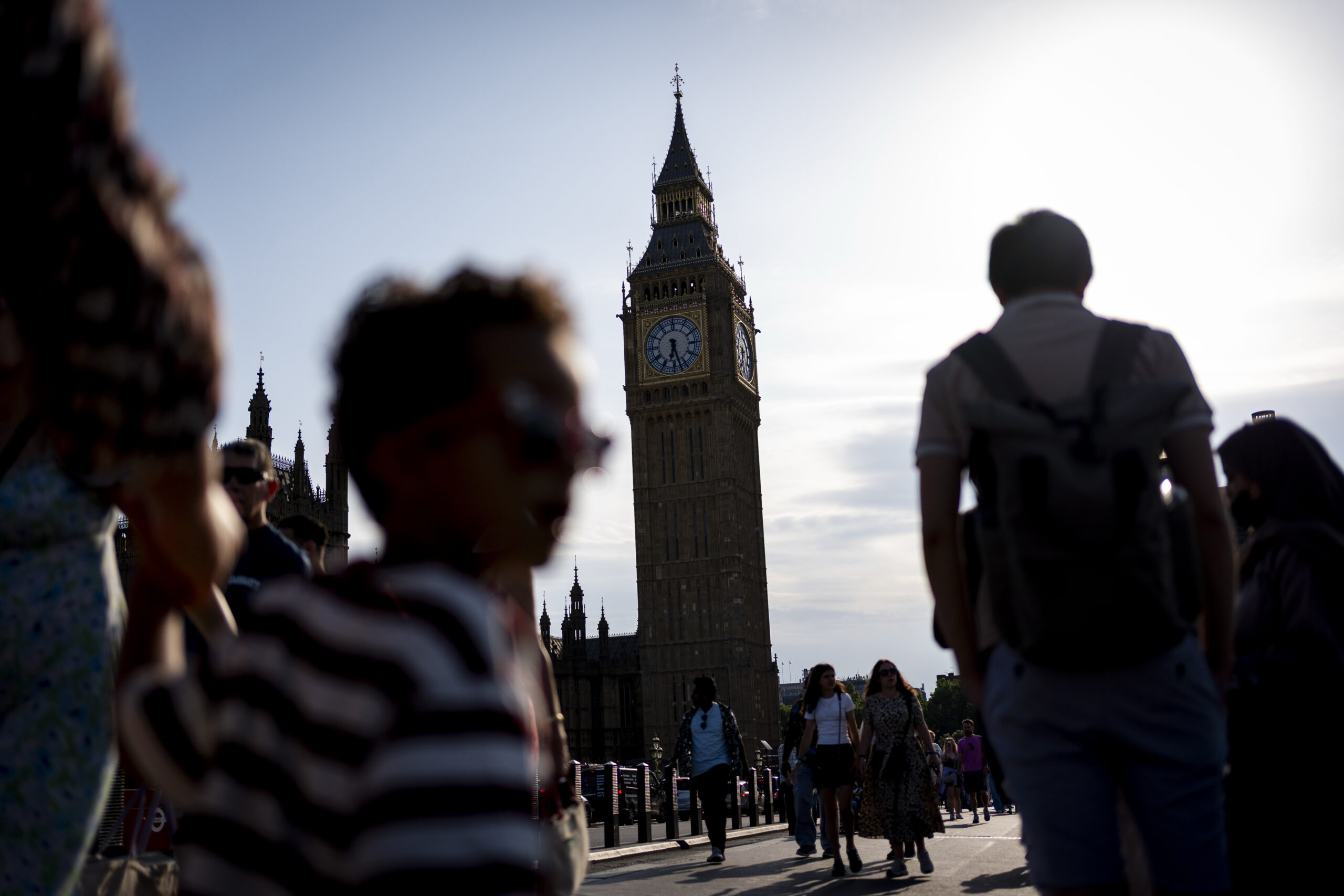
LONDON—Ten years after the Brexit referendum that took the United Kingdom out of the European Union, the overwhelming impression of a visit to today’s London is of a country with a huge divide between its people and its politicians.
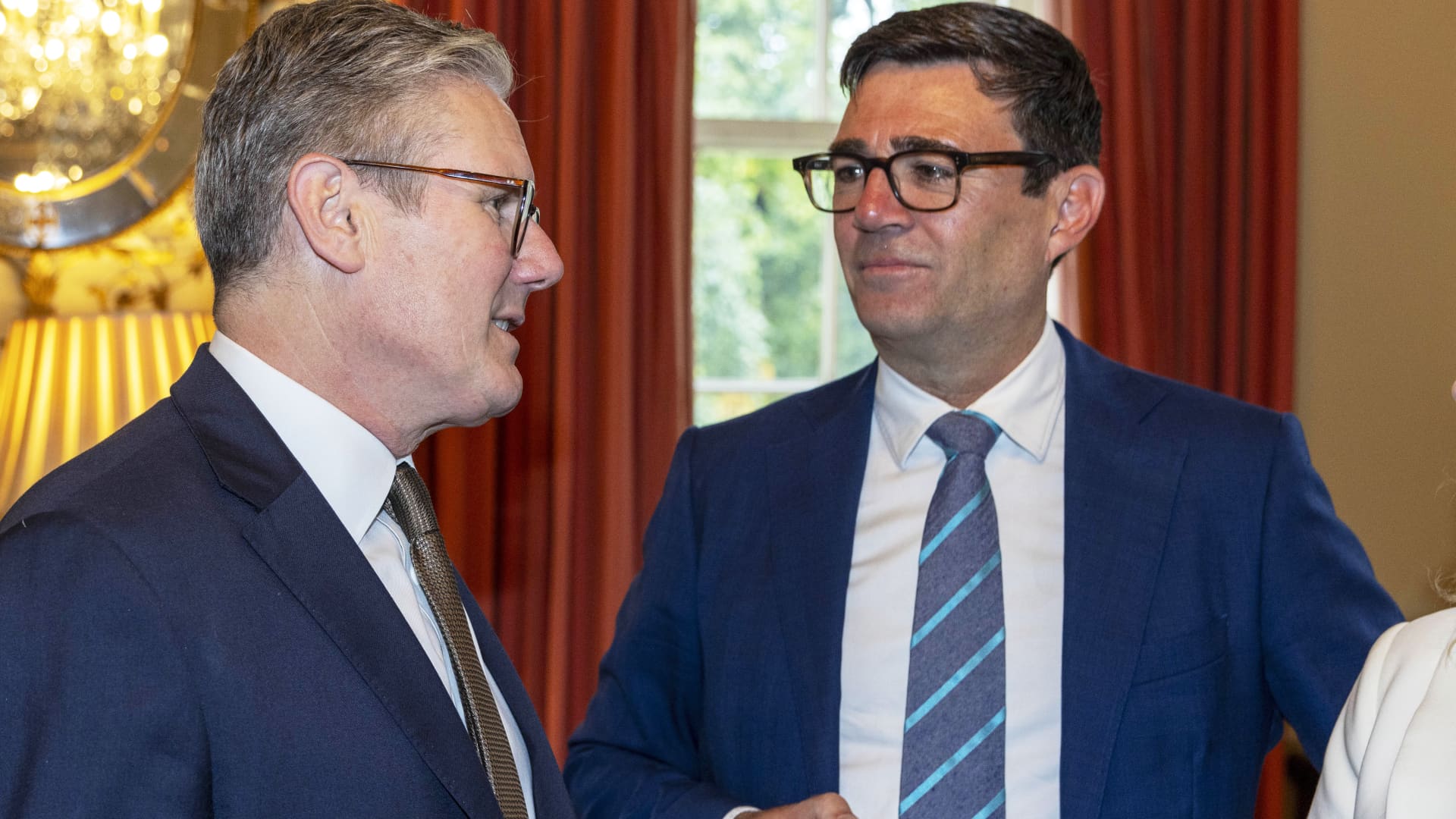
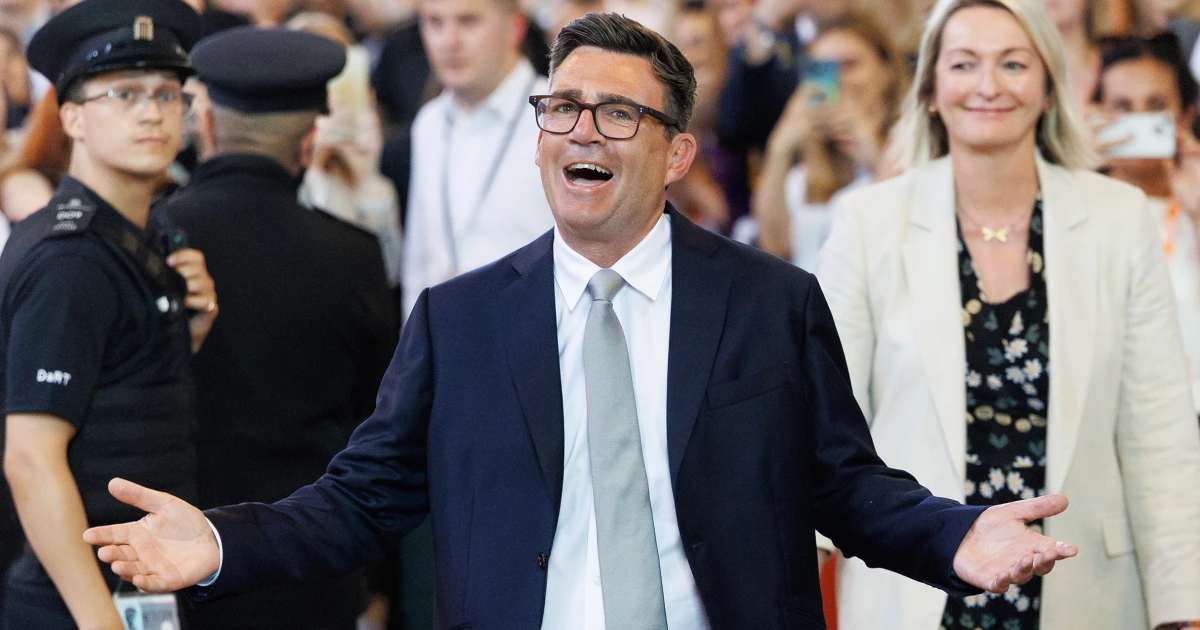
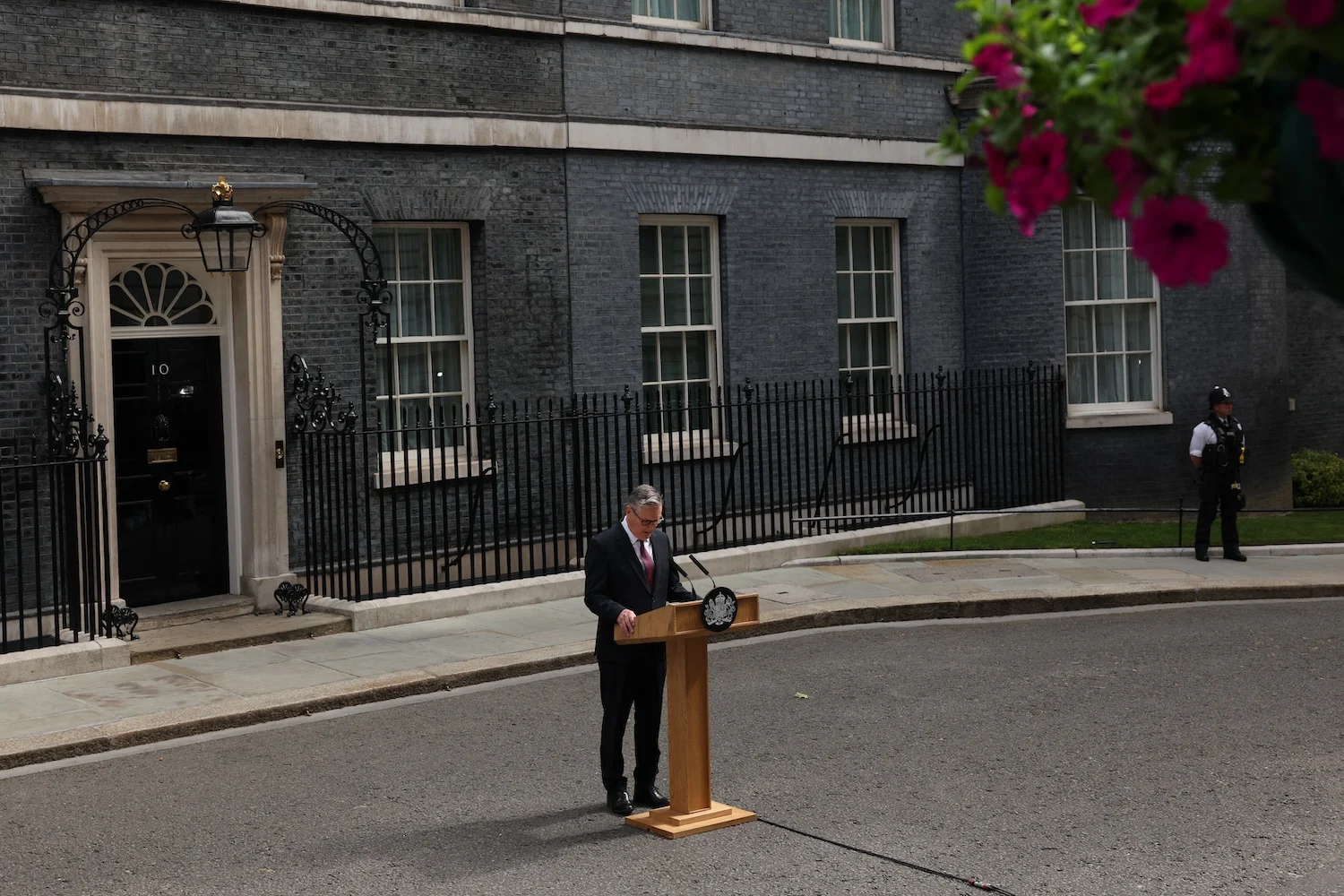
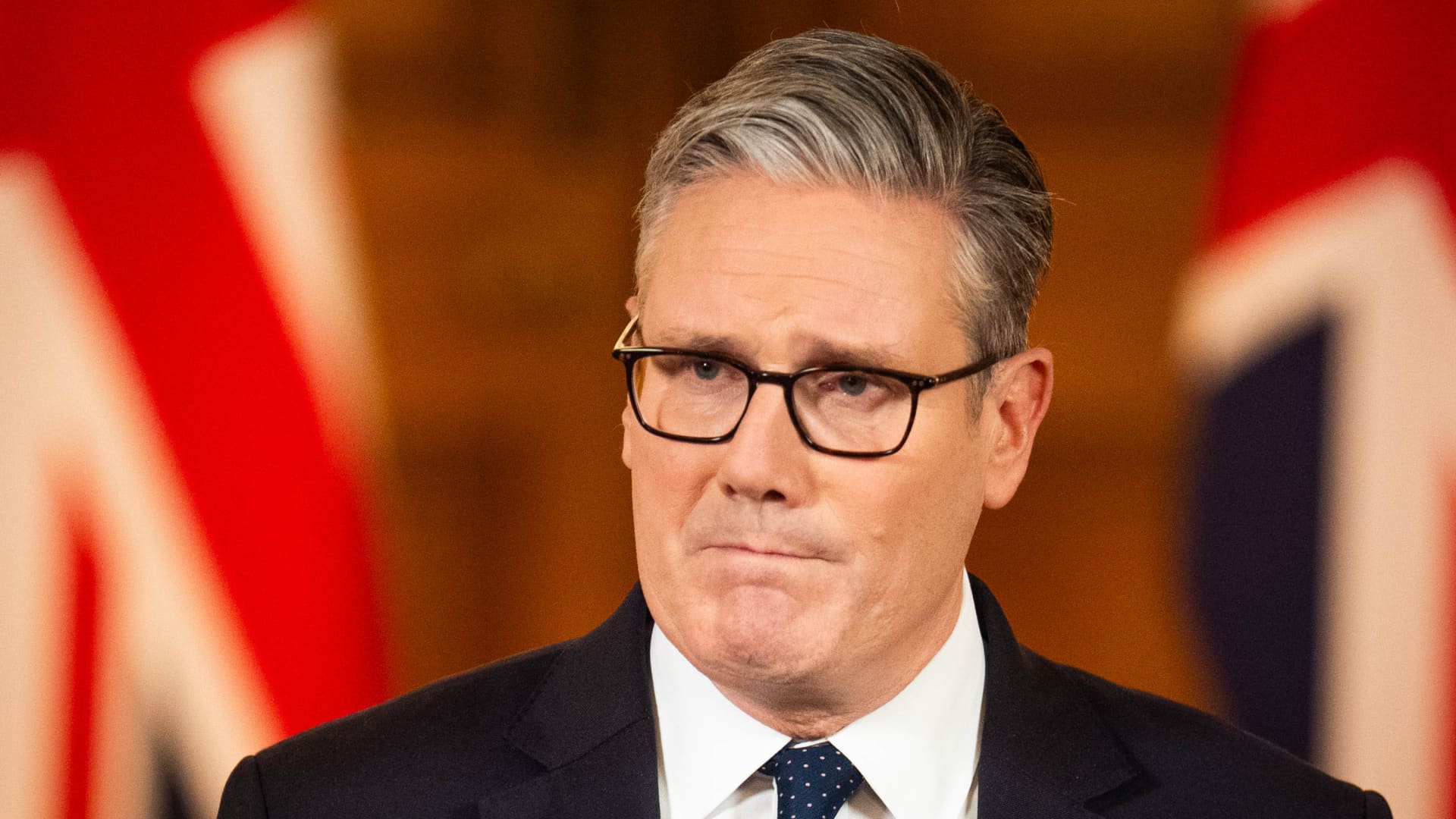
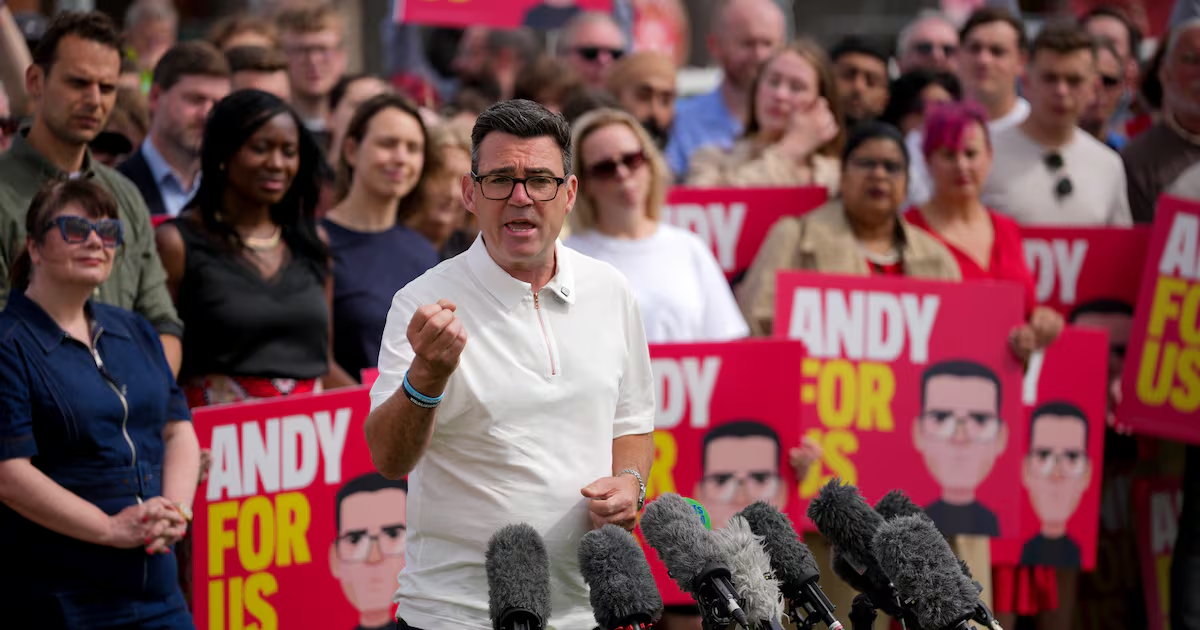
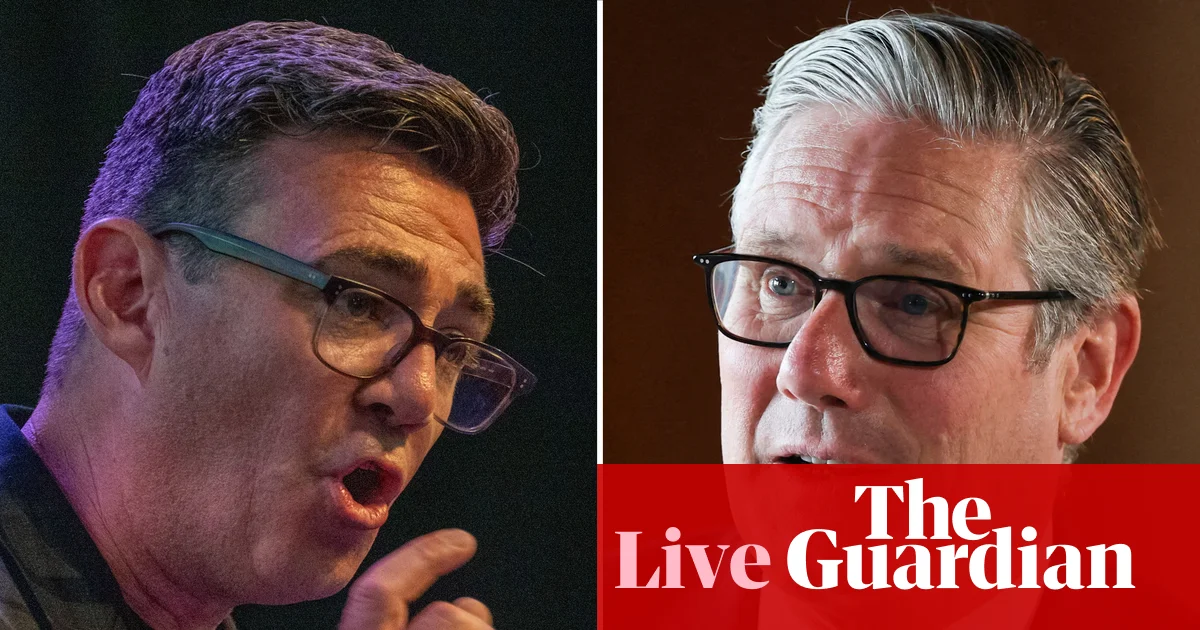
During my recent visit, Andy Burnham, the social media–friendly mayor of Manchester, won a by-election that brought him into Parliament and allowed him to challenge Prime Minister Keir Starmer for the party leadership and top office. Starmer has now decided to go peacefully by resigning, and it seems there will not be a contested leadership election. Burnham is expected to become prime minister in the phenomenally short time of three weeks, by mid-July. This leaves him minimal time for developing both a team and policies suited for managing Britain’s post-Brexit slump.
Yet, if the past two years show anything, it is that Labour is as likely to engage in internecine warfare now as the Conservatives before it, with Labour colleagues just as responsible for Starmer’s political demise as any Tory. But Burnham will need clear party support if he is to provide the stability needed to address the key concerns of the British public.
Since the 2016 Brexit referendum, the United Kingdom has had six prime ministers, including David Cameron, who resigned the afternoon following the vote. Five of these were during the Conservative reign of 2016 to 2024—a sign of the party’s inability to reconcile the complex reality of leaving the European Union with its simplistic Brexit fever dream. In response, the British public elected Starmer in 2024. But Labour’s huge majority in Parliament was based on the support of only 33.7 percent of the electorate, a quirk of the country’s first-past-the-post voting system. Public support for Starmer and Labour was never that high and declined throughout his tenure.