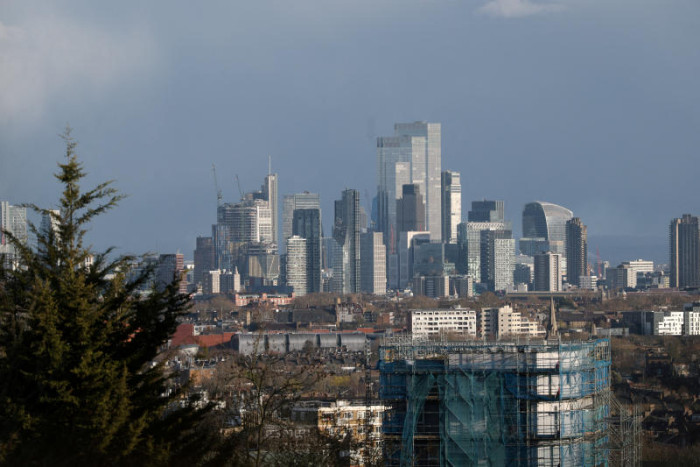
The London skyline is seen with the financial district in the background in Britain on March 25, 2026. (Photo: Reuters)
LONDON — In less than two years, Britain's governing Labour Party has gone from a landslide election victory to a historic rout at last week's local and regional votes that has put Prime Minister Keir Starmer's job on the line.While incumbents across Europe face similar difficulties, Britain's politics have become ever more febrile in the decade since it voted to leave the European Union (EU): Starmer, its sixth leader since then, promised change but has struggled to deliver.
While much of the voter anger appears to be directed at Starmer himself, opinion polls consistently point to a handful of core sources of frustration at both national and local level.
Economy / Cost of living
The gnawing sense of decline in current living standards and future prospects is felt by many households across the industrialised world. In Britain that is sharpened by big earnings disparities between the wealthiest and the rest of society: Organisation for Economic Co-operation and Development (OECD) data show higher-than-average levels of income inequality and a big gap in the earnings of the top 10% and those of the rest.