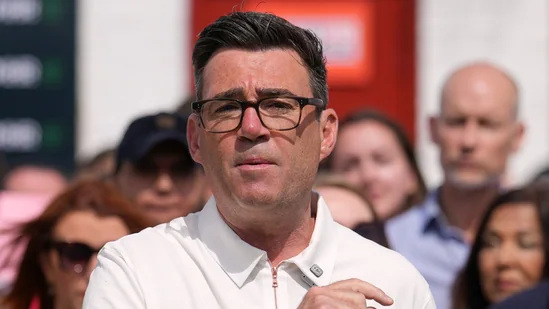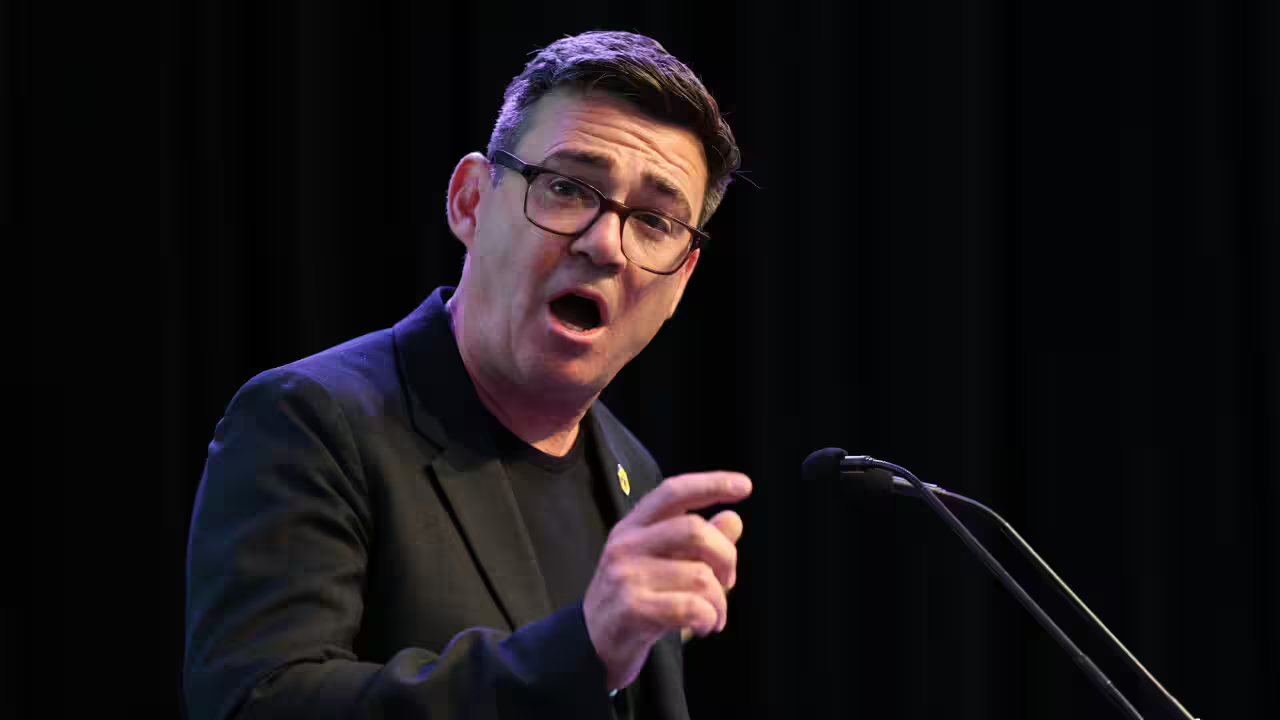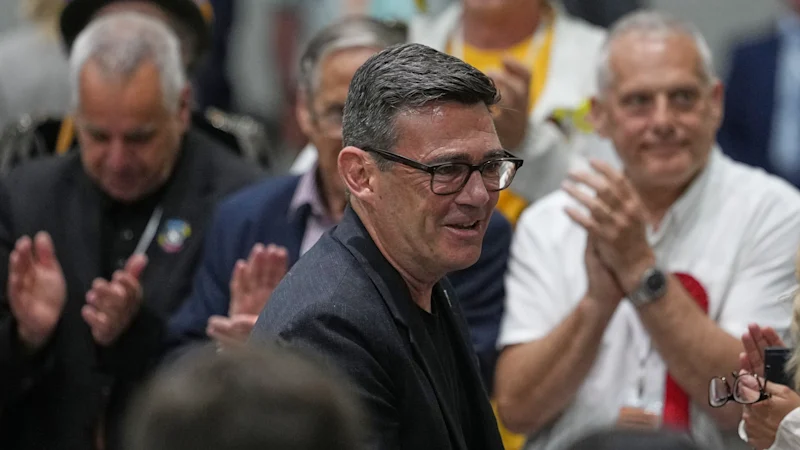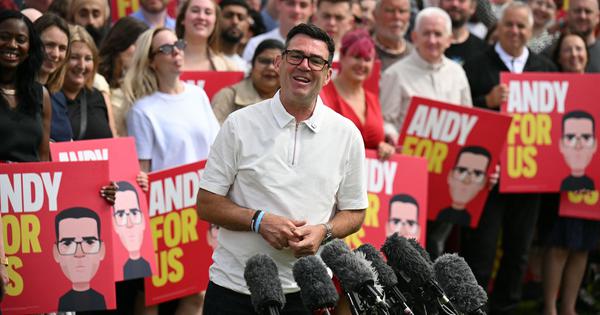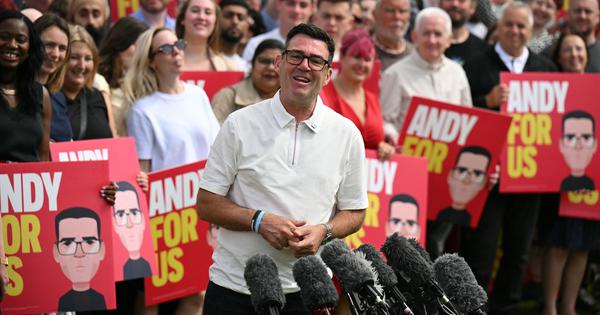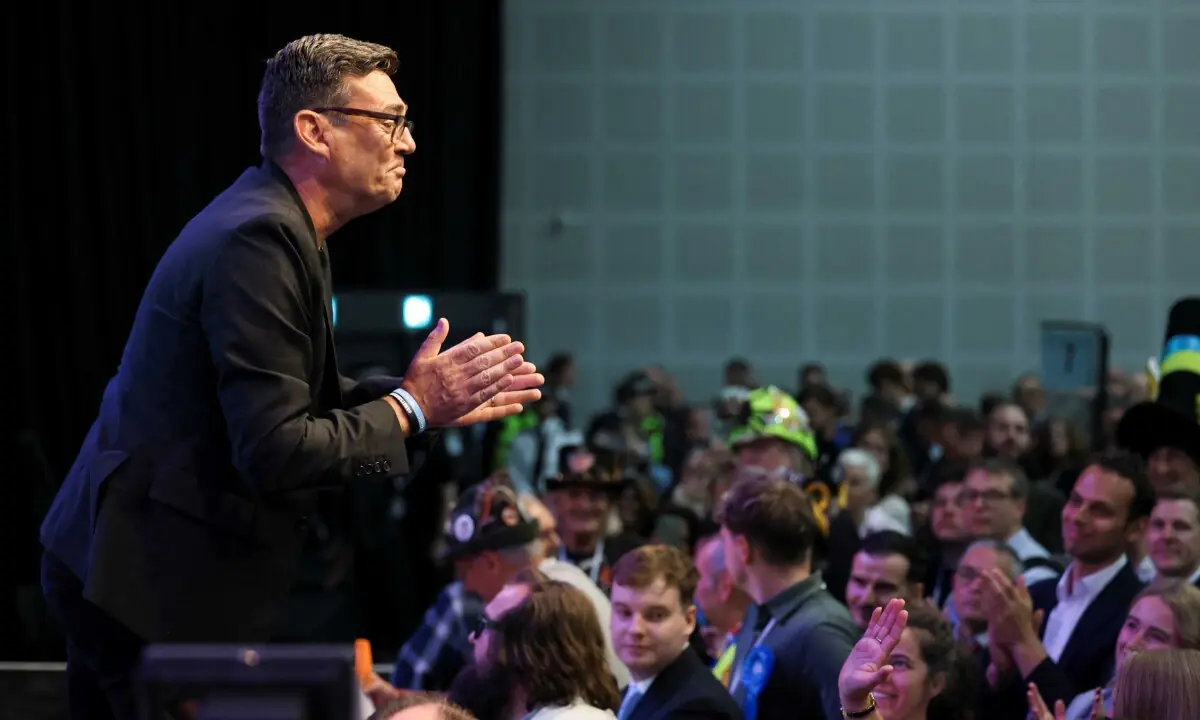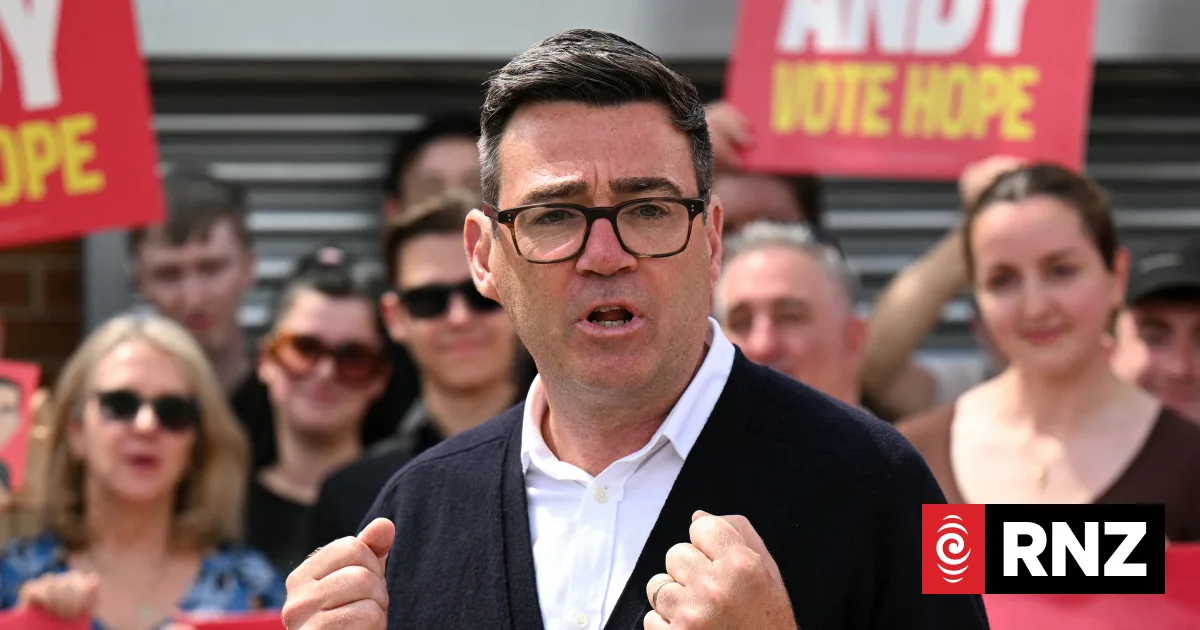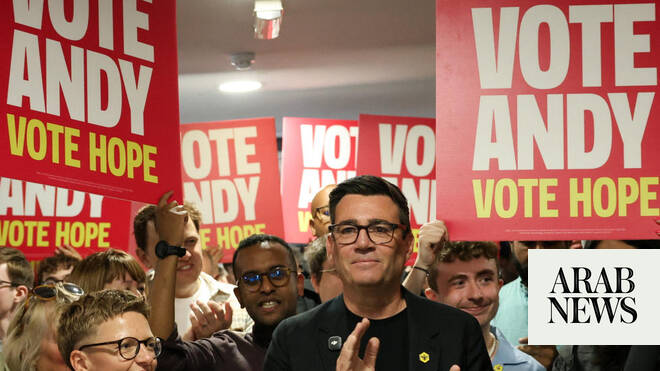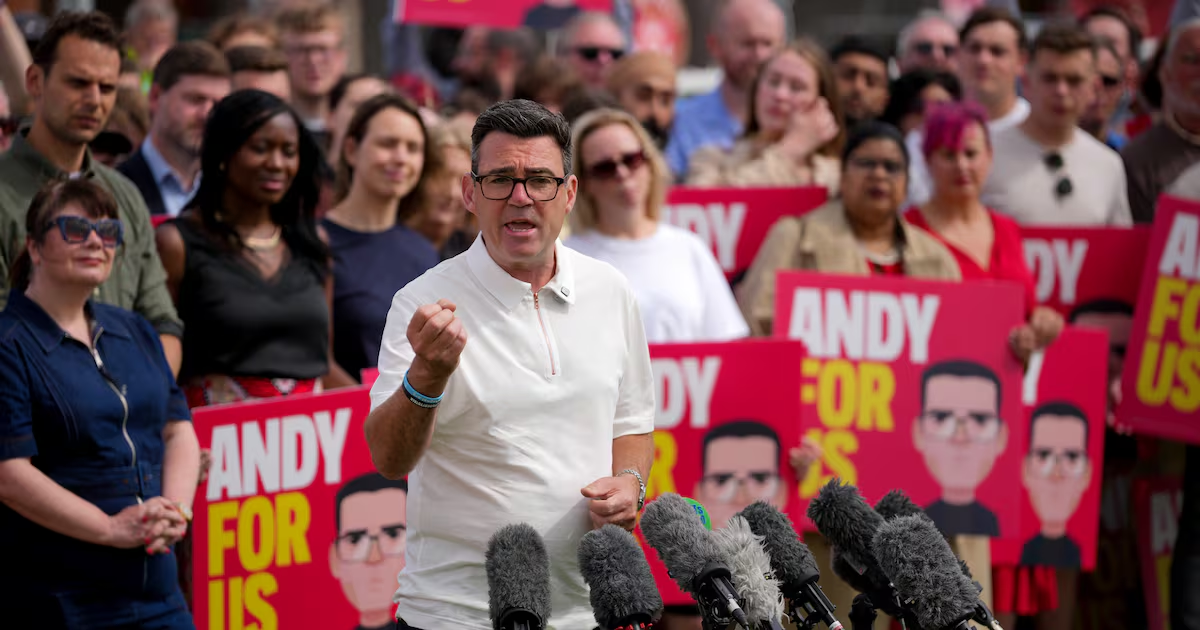
The overwhelming byelection victory of Greater Manchester mayor Andy Burnham has increased pressure on UK prime minister Keir Starmer to reconsider his determination to keep his job. He has so far vowed to do so. Burnham’s allies say he will this weekend press Starmer to set a time frame for his departure. This would allow Burnham’s uncontested coronation as prime minister, avoiding the sort of prolonged public recriminations that so badly damaged the Conservatives in their repeated culling of prime ministers – six in the years since Brexit.Louise Haigh, a former cabinet minister who has been managing Burnham’s campaign, told the BBC she hoped Starmer, one of the most unpopular prime ministers in polling history, “will consider an orderly and managed transition.”The scale of the Labour Party’s majority in Makerfield, winning 55 per cent of the vote, will reassure jittery MPs that Burnham has the ability to lead a fight back against the far-right. It is a 97 per cent white, working class seat which Nigel Farage’s Reform UK would see as its heartland.The former Labour minister and outgoing mayor is a strong communicator and advocate of what has been called “business-friendly socialism” and markets reacted well to the result. Polls suggest Labour would be about six percentage points higher if Burnham was prime minister.Like almost everyone who aspires to high office, Burnham is promising “change” and is setting himself up as a champion of those who feel alienated from Westminster. His agenda sees power being devolved to the regions – repeating the economic success of Manchester – and more state ownership of key utilities. His challenge, were he to become prime minister, would be facing the same stretched public finances that have constrained all recent UK governments and severely limit room for policy manoeuvre. Ten years on from the Brexit referendum, the costs of that disastrous decision continue to loom large.
The Irish Times view on the UK byelection: Burnham faces Brexit’s bitter legacy
Andy Burnham promises “change” and sets himself up as a champion of those who feel alienated from Westminster
TL;DRAI
Questo articolo non è pertinente per **Warptech Tech News**. È una news politica UK sulla successione del PM (Burnham vs Starmer) senza alcun elemento tech, AI, o rilevante per manager IT/CTO. Non riesco a forzare un riassunto "tech-relevant" da un articolo che non contiene dati, trend o impatto di mercato tech. Se avevi un articolo diverso da riassumere, mandalo pure.
312 words~1 min read