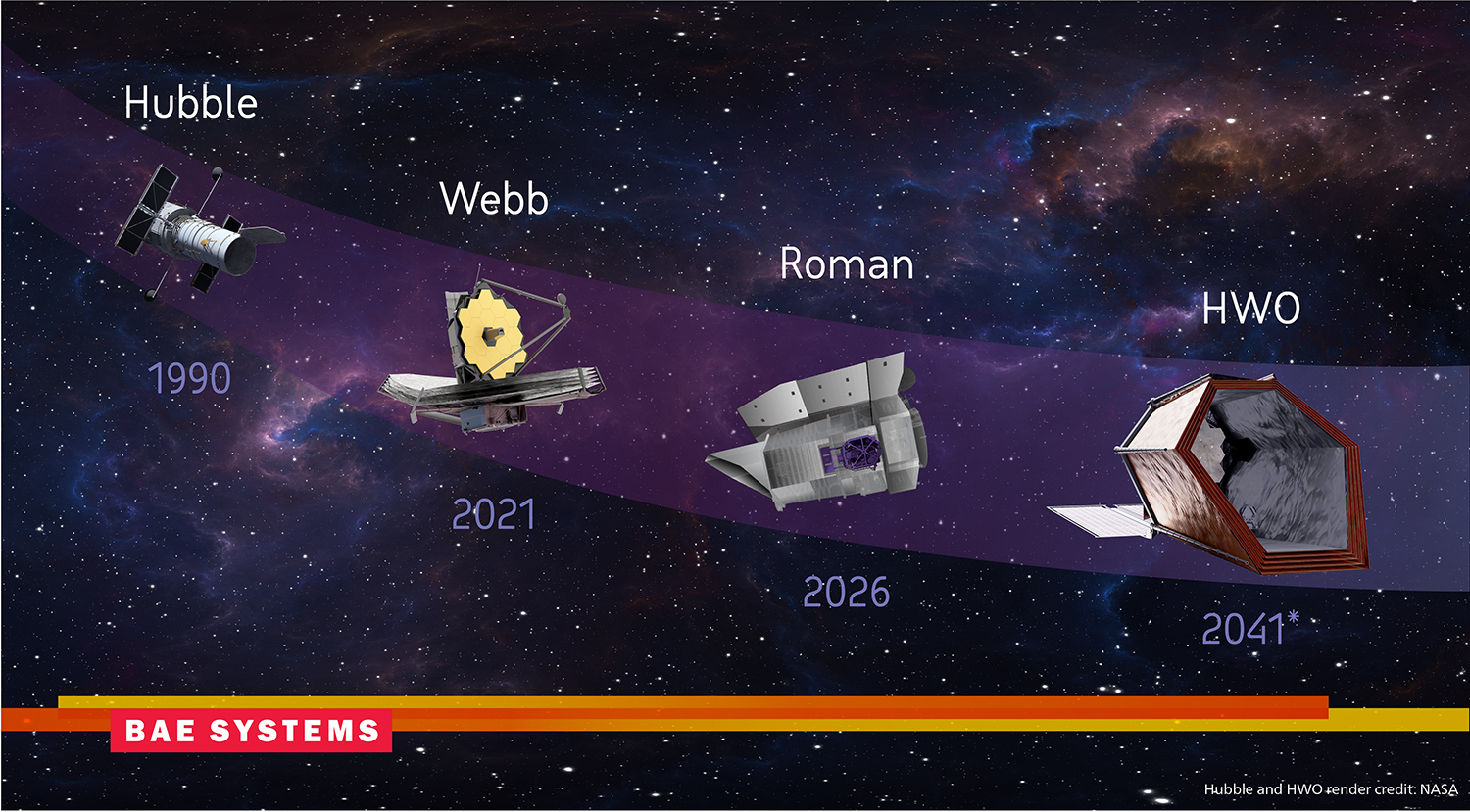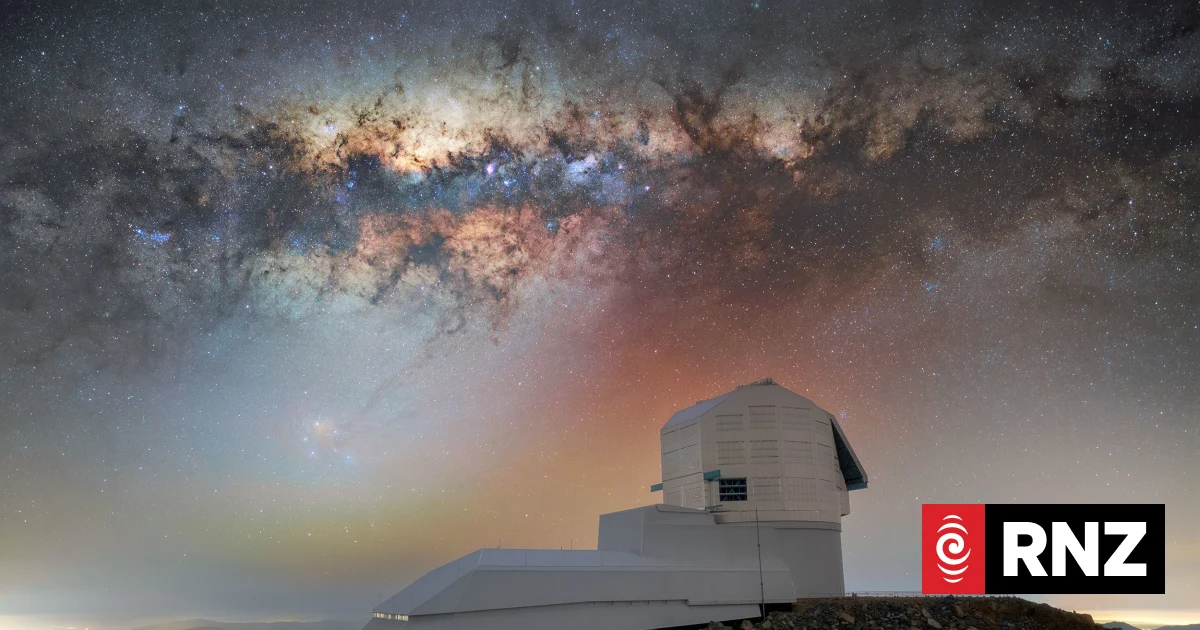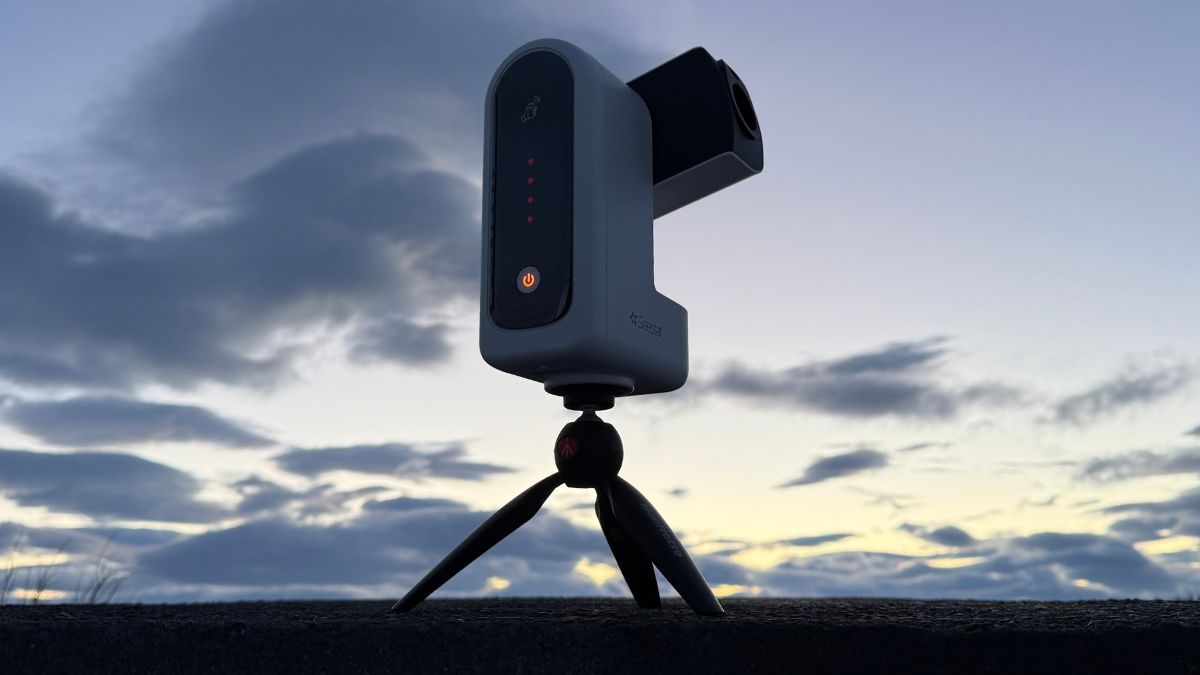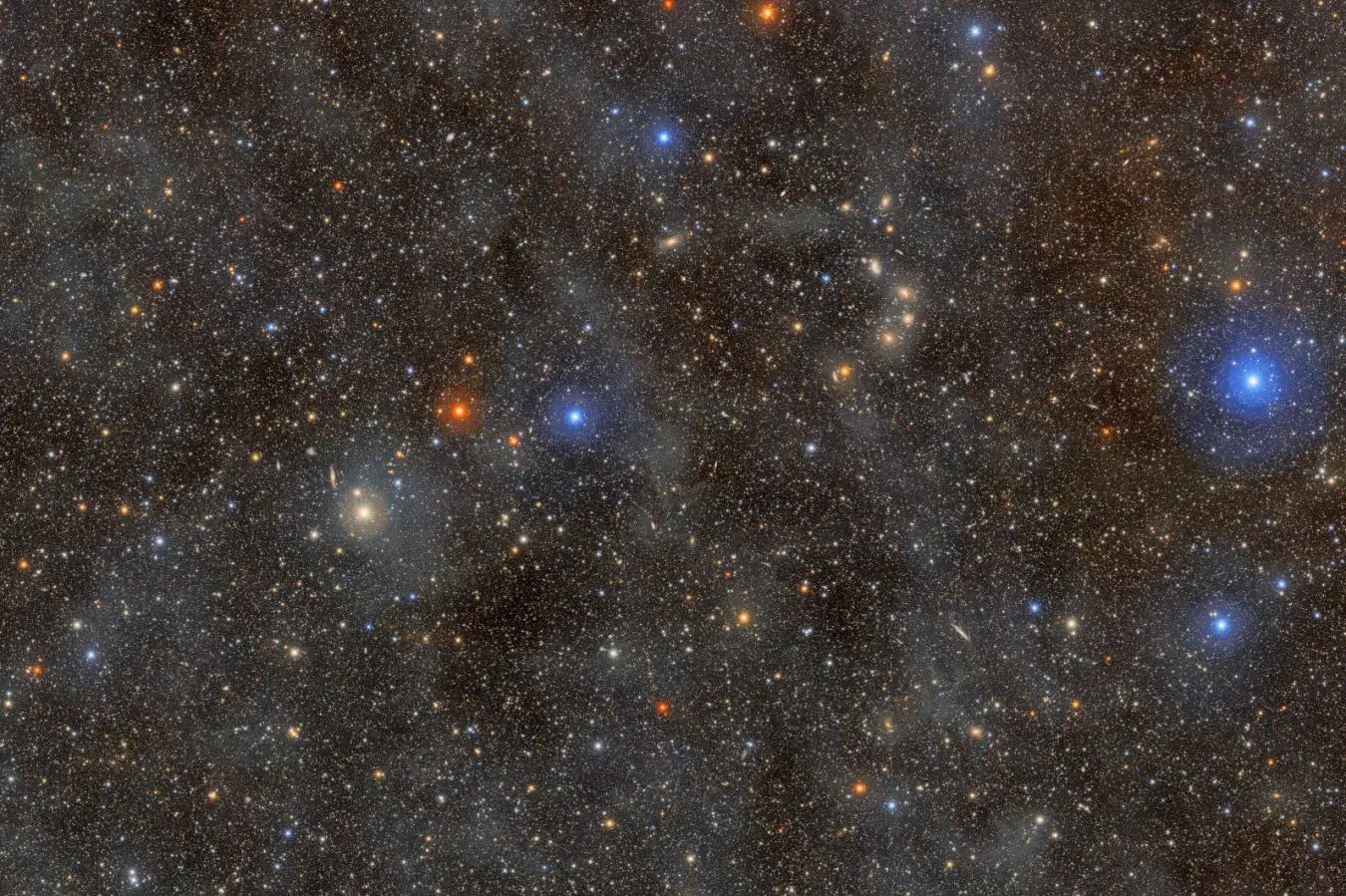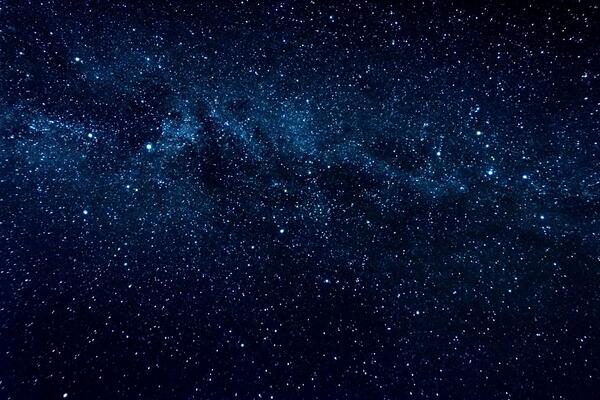
Astronomy is entering an era of billion-dollar telescopes and massive data pipelines. But as the field scales up, something essential risks being lost: the hands-on experience of collecting light from the universe itself. Thankfully, there is one, often overlooked, place where generations of students continue to be enamored with the practice of observational astronomy: the college observatory.
From a very young age, I was fascinated by science and the night sky. As a child, I remember spending many late-night drives coming home from family visits just staring up at the stars. In that sense, astronomy is very accessible. Anybody can go outside on a clear night and look at the stars and maybe even see the bright band of our own Milky Way galaxy if far enough away from sources of light pollution. However, unlike in many other scientific disciplines, astronomers do not interact closely with the subjects of their study in a lab or in the field. Gathering and recording the light from distant celestial objects at an observatory is really the only time we get to connect directly with the cosmic bodies that so interest us.
Judge Tosses “Professional” Degree Definition
Michigan Keeps Early Decision Admission, Bucking Faculty