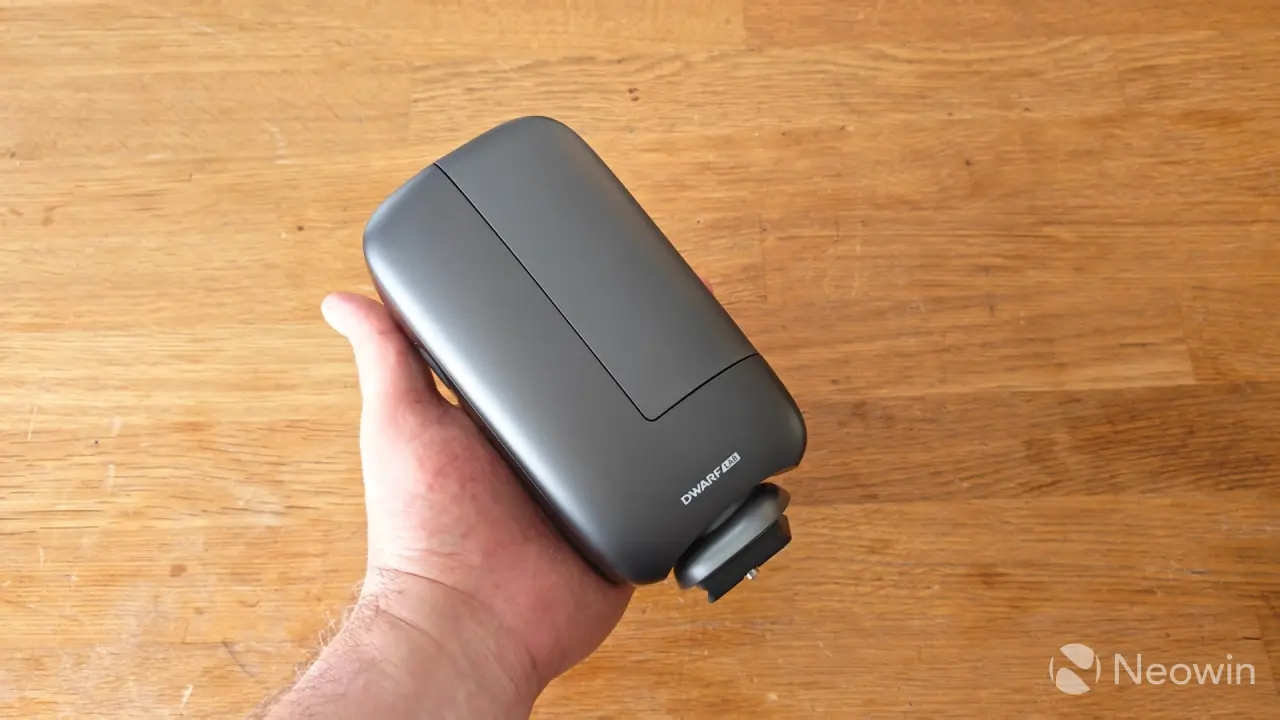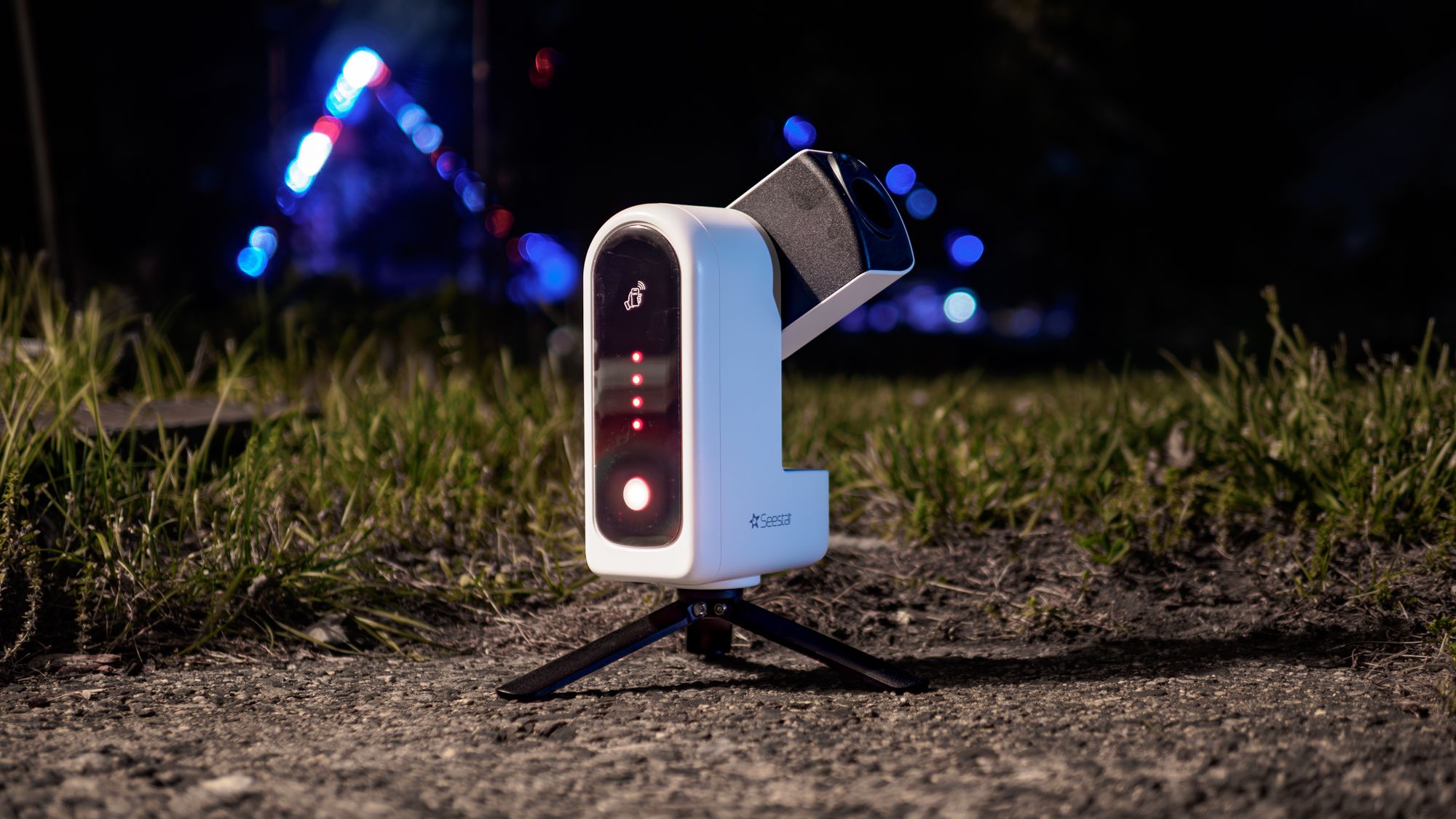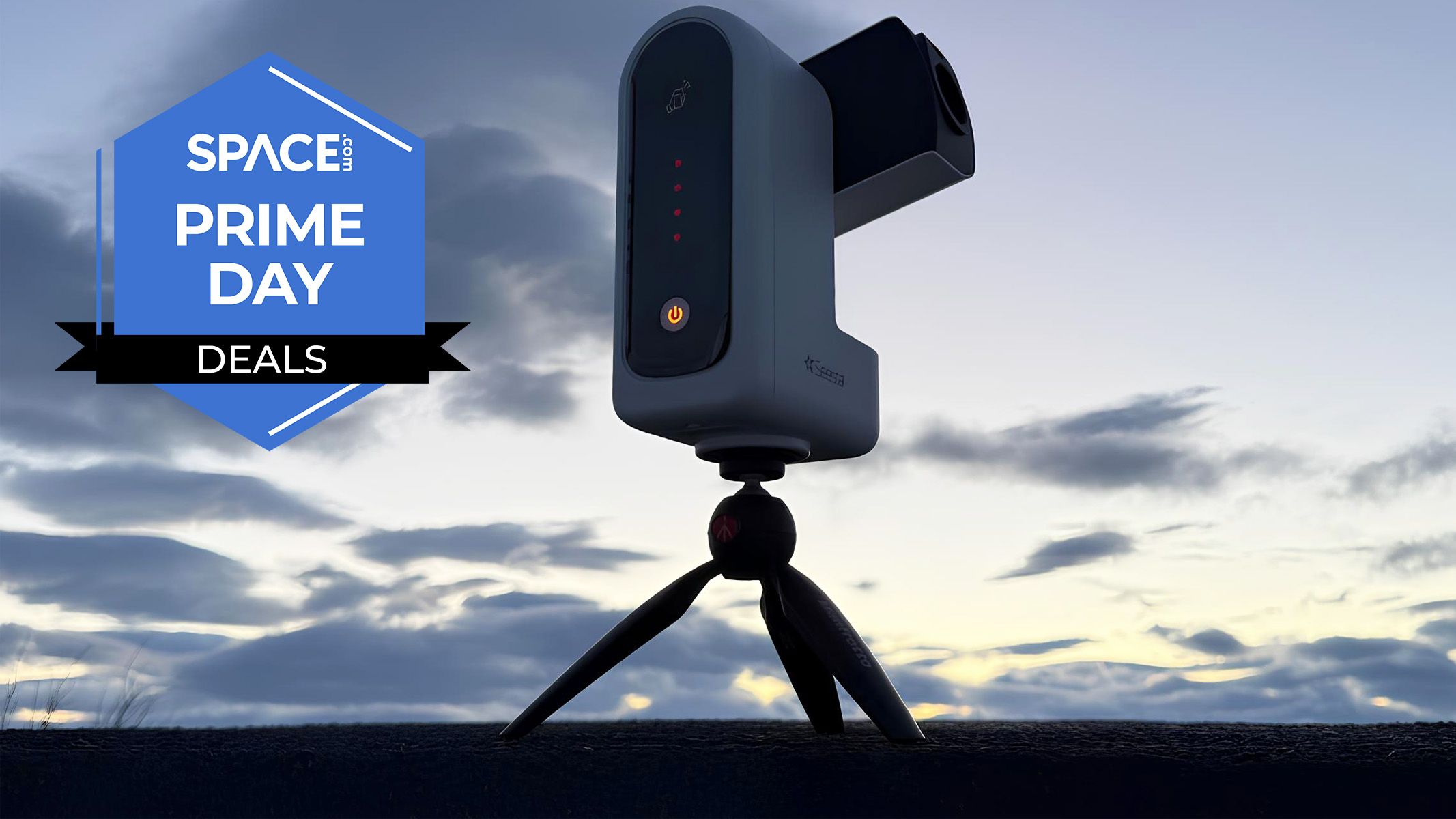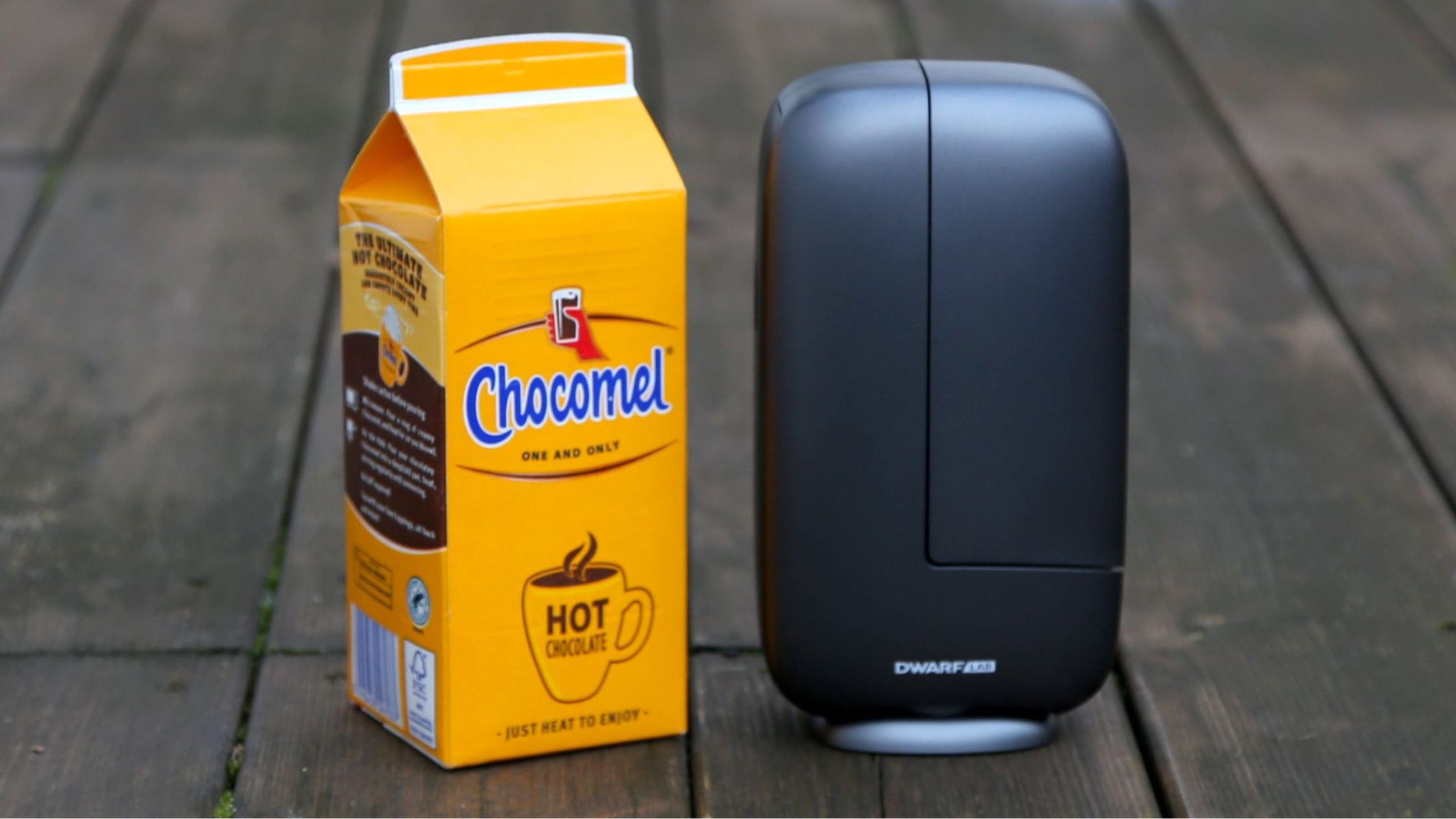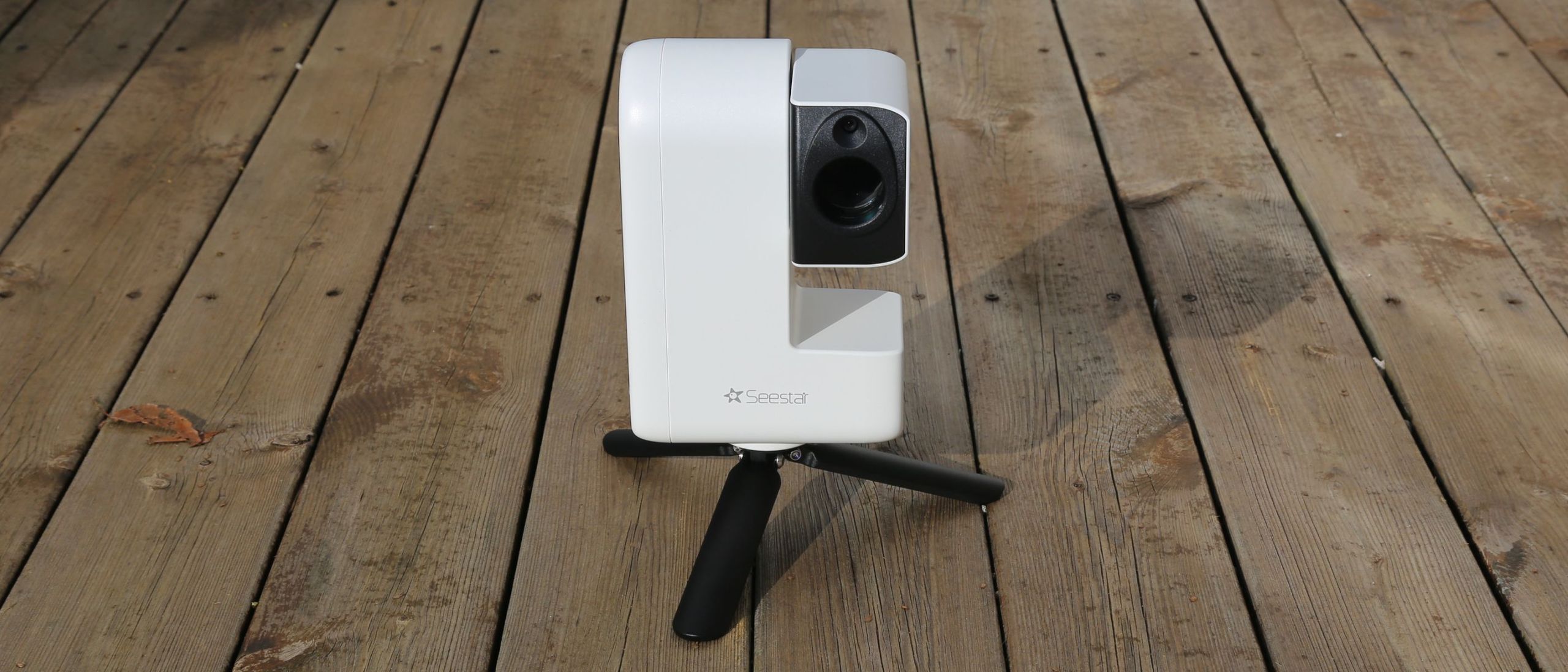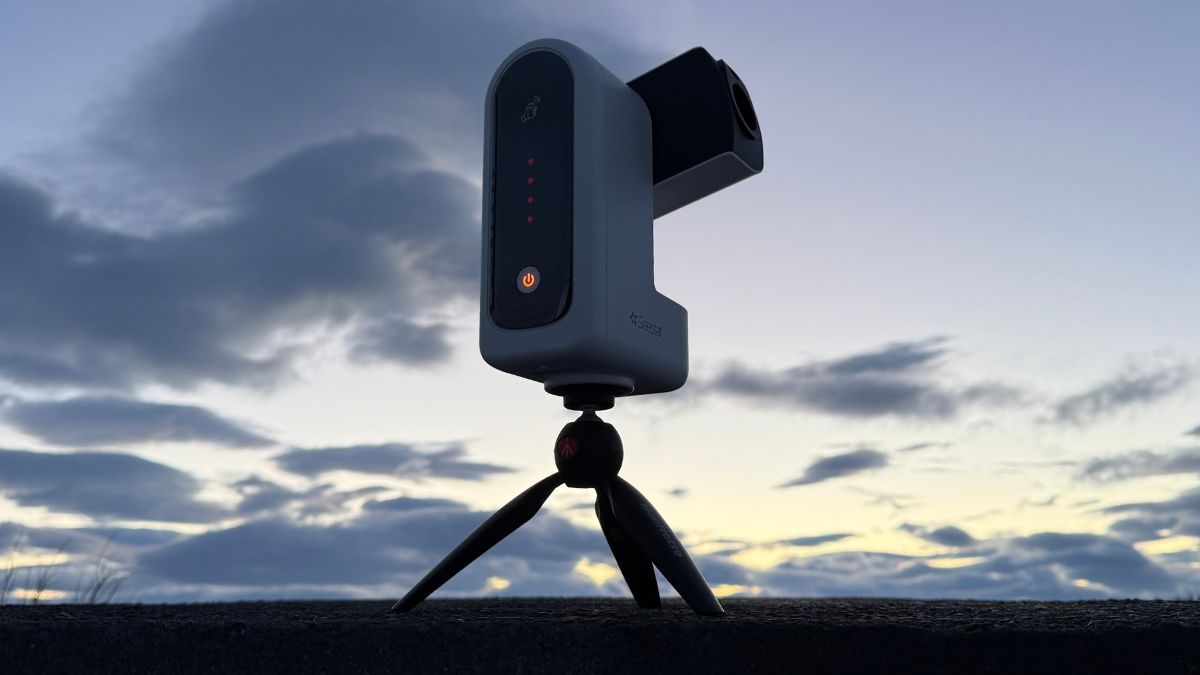
A Seestar S30 Pro, one of a slew of new tiny smart telescopes
(Image credit: Jamie Carter)
When I go in search of dark skies, I like to travel light. Backpack light. With a full-frame camera, a tripod and some binoculars on my back, I can get everything I want from the night sky, save for the close-up views that only a telescope could bring. A telescope is such a burden when traveling. It's heavy and delicate, making any trip feel like a driving tour where you're never more than a few feet from your vehicle. No thanks — astrotourism for me is about exploring.I stuck to my "no telescope" rule for years, right up until a trip to New Brunswick's dark-sky corridor a few years ago, when I packed a small Seestar smart telescope I had been asked to test. Almost as an afterthought, I wedged it into my camera bag instead of a lens I didn't use that much. It was tiny. Would I use it? Maybe.I set it running outside a cabin on the Fundy Coast and forgot about it for half an hour while I took some wide-angle photos of the beautifully clear night sky. When I checked up on it — something you can do just by looking at an app on a smartphone — I could see the Whirlpool Galaxy clearer than ever before. That was the moment my old rule broke. In the smart telescope era, traveling light doesn't have to mean leaving a telescope behind.At its core, a smart telescope is still an optical telescope — collecting light with a mirror or lens — but instead of sending that light to your eye, it focuses it onto a digital sensor. There's no eyepiece. In some ways, they're miniaturized versions of big, professional telescopes like Hubble and Webb, capturing digital images rather than sending light directly to your eye. Once powered on, the telescope points itself by taking a quick image of the sky and matching star patterns against an internal database — a process called plate-solving. After that, you just select a target in the app, and the telescope slews to it automatically. Then it begins taking lots of short exposures, stacking them in real time so the image slowly improves. That gradual build-up is something beginners often miss: the first few seconds rarely look like much. Leave it running for ten or twenty minutes, and structure starts to appear. What you see is a live image on your phone or tablet that you can easily share. For some, the ability to instantly share images is the killer feature.