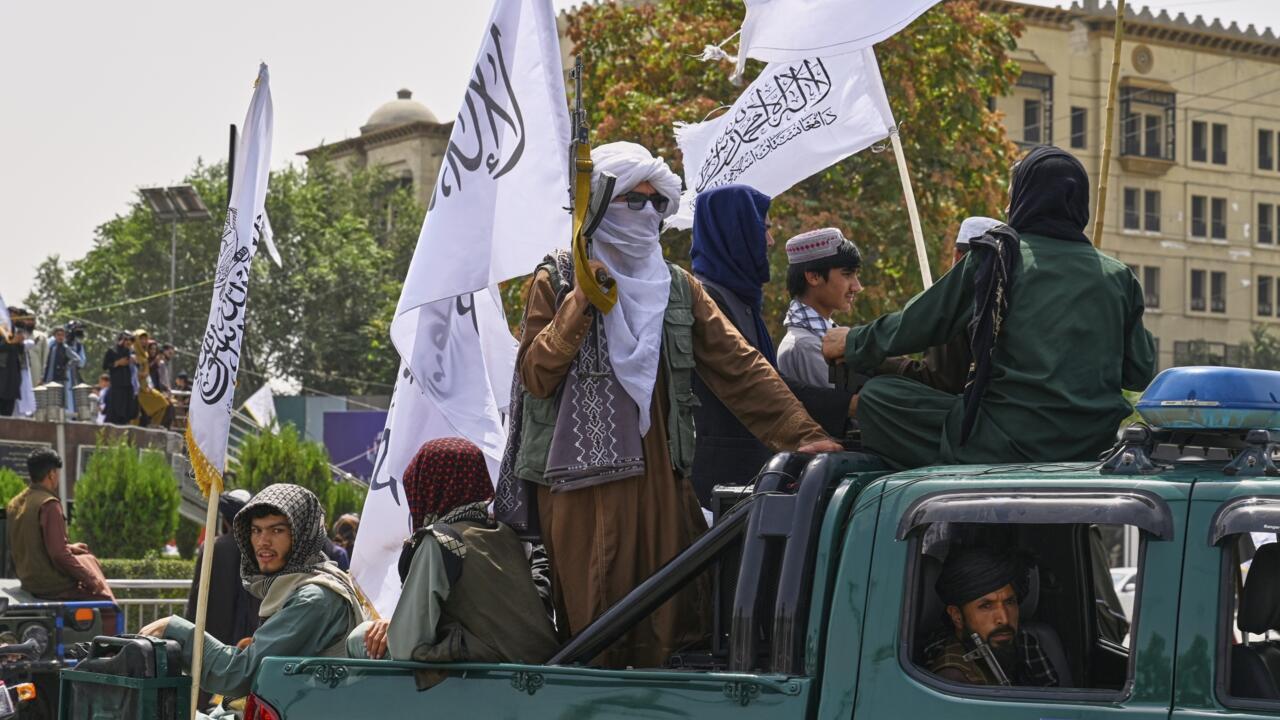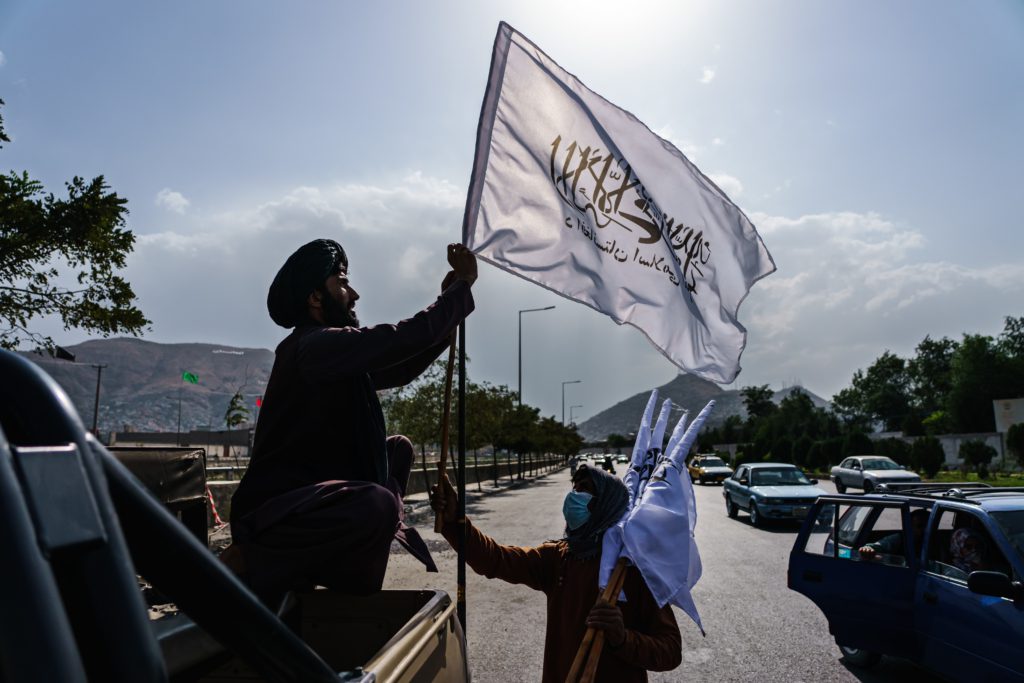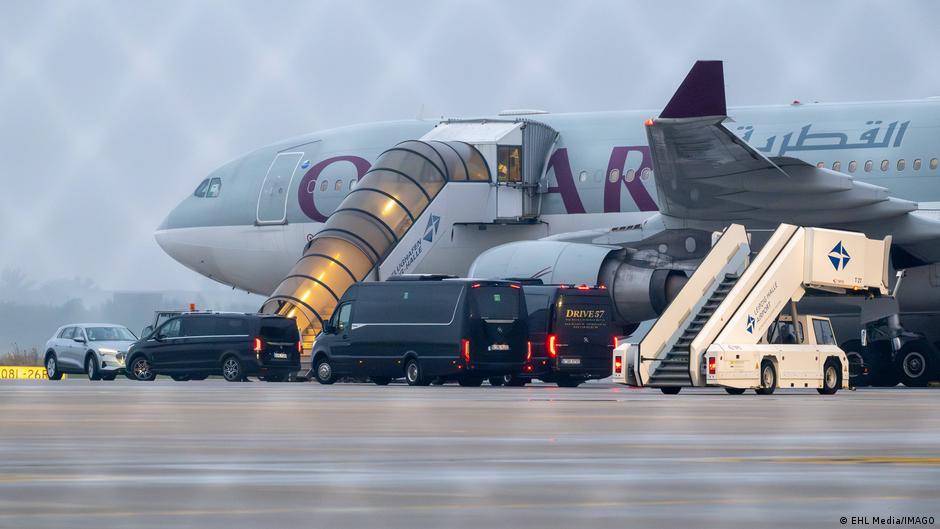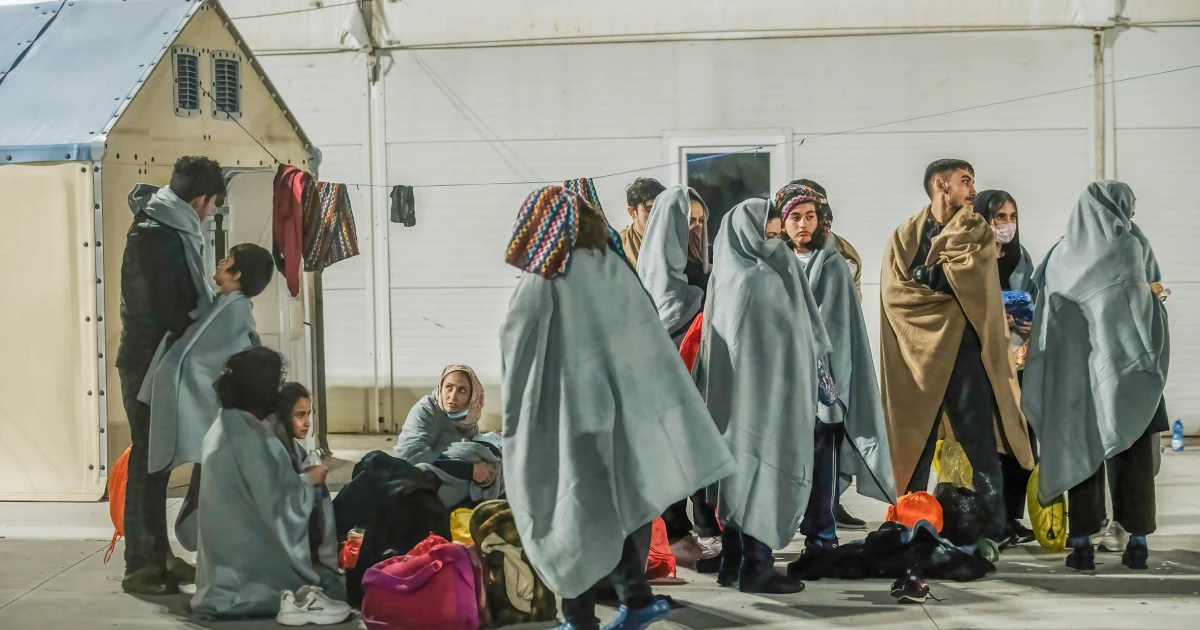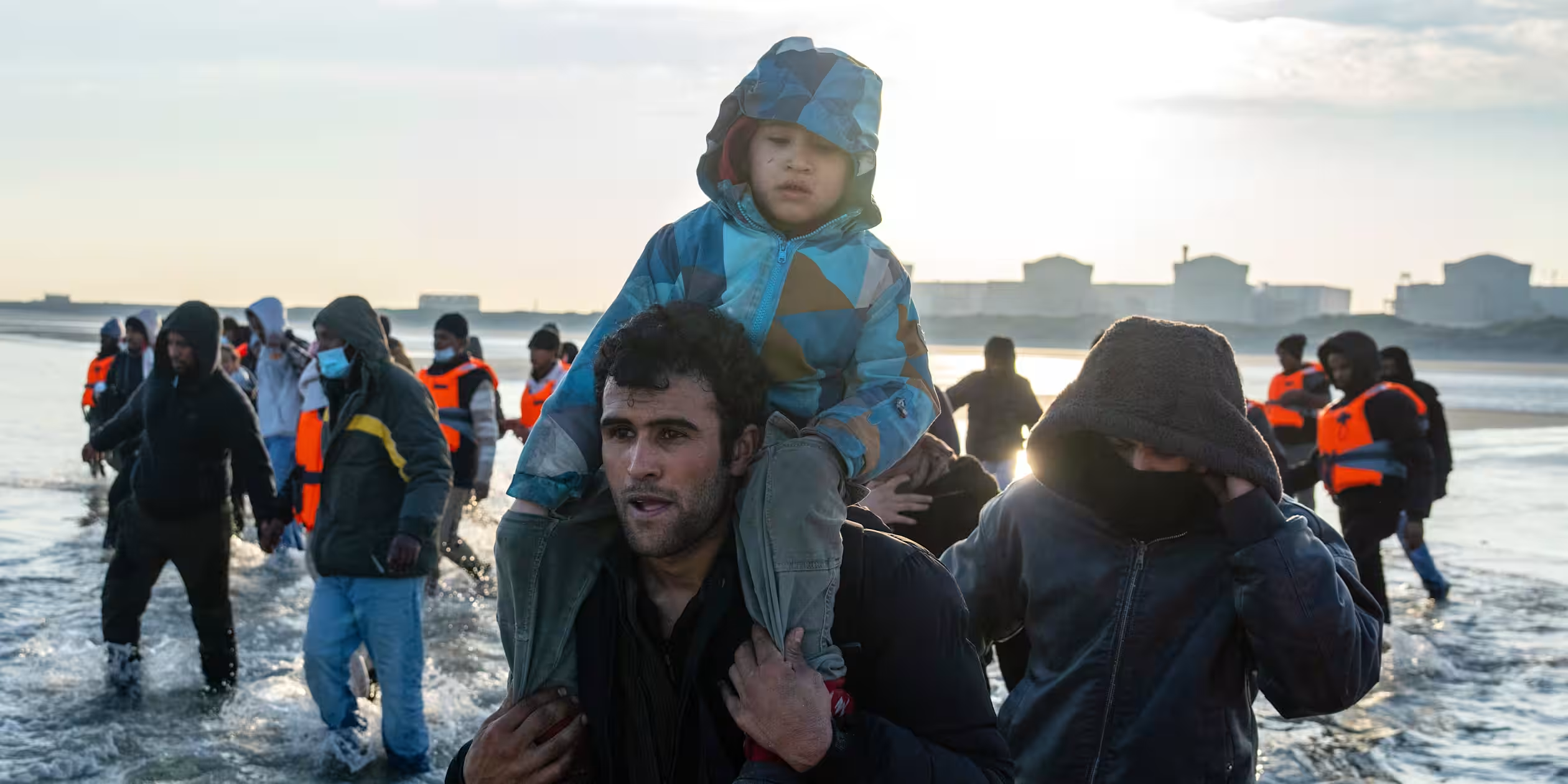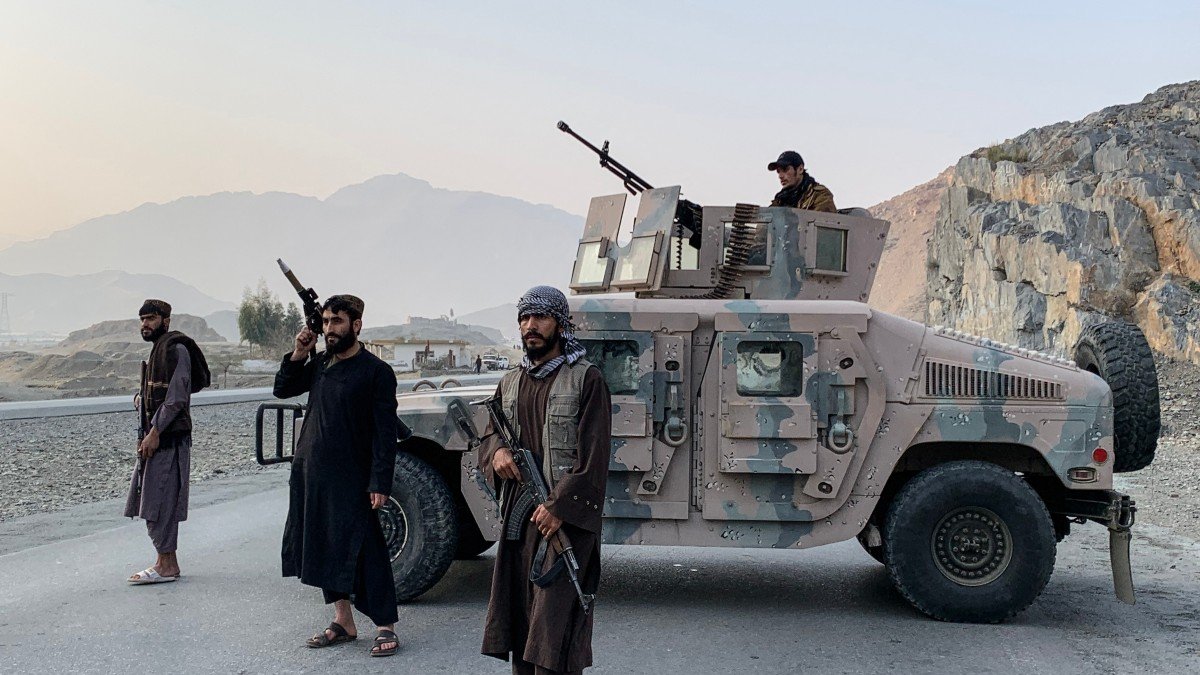
The EU’s efforts to return irregular migrants to Afghanistan face a fundamental dilemma: how to solve the long-standing and intractable issue of the repatriation of Afghans while avoiding legitimising the Taliban, a regime the bloc has refused to formally recognise since it seized power in 2021.
UN and migration experts have warned that it will become increasingly difficult for the EU to maintain its boycott of a government that's long sought diplomatic legitimacy in Europe while also managing the politically sensitive issue of Afghan returns.
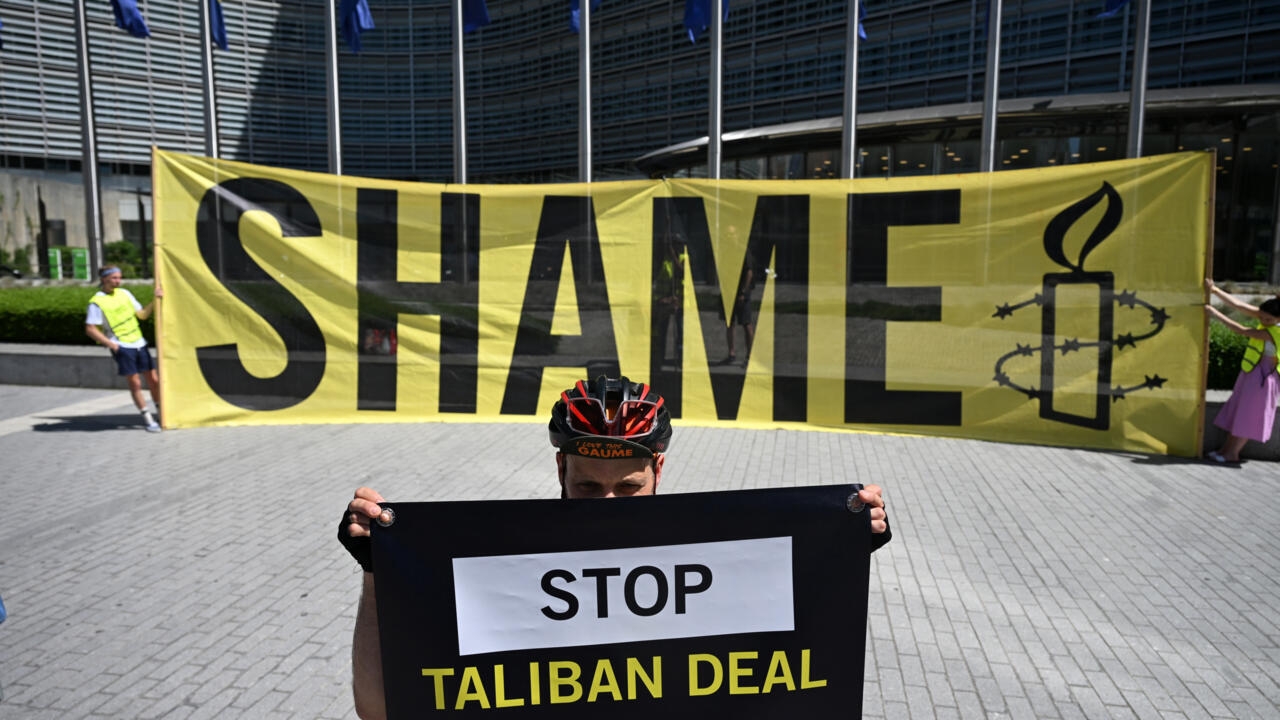
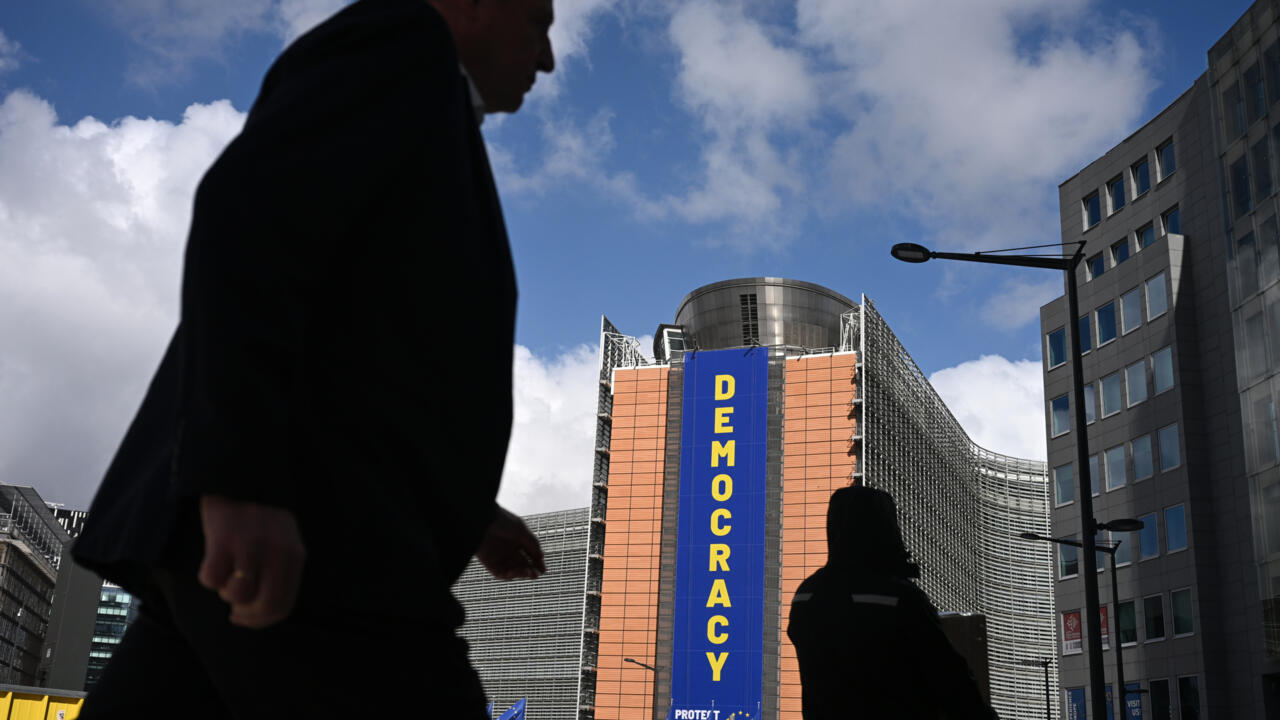
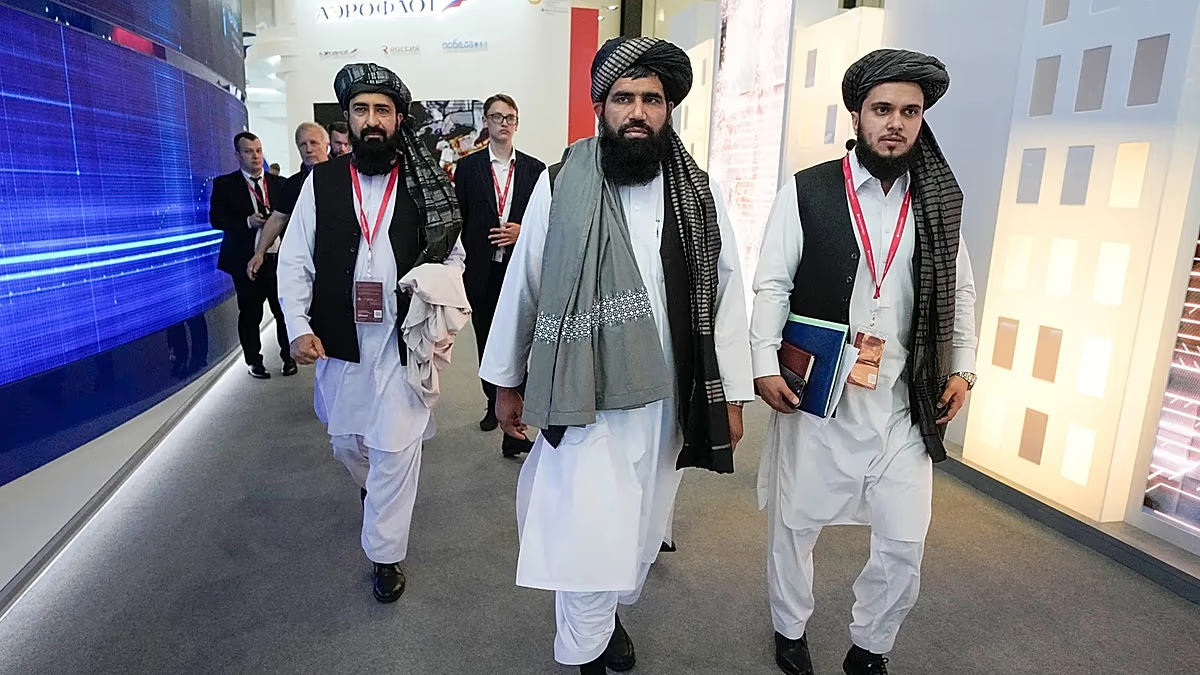
That tension was reflected on Tuesday, when officials from the European Commission and 15 member states quietly met with a Taliban delegation in Brussels in an attempt to speed up the return of irregular Afghan migrants, prioritising those “who have committed serious crimes or pose a security threat."
The controversial meeting – held five months after a first round of talks in Kabul – marked the first time Taliban representatives had been invited to Brussels. It was immediately met with severe criticism.
“Given the very dire human rights situation in Afghanistan, we are against forced returns,” UN High Commissioner for Human Rights Volker Türk told Euronews on Thursday. “If they have committed crimes, they need to be put to justice in Europe. [...] But you cannot return people to a situation where they may be tortured,” he said.