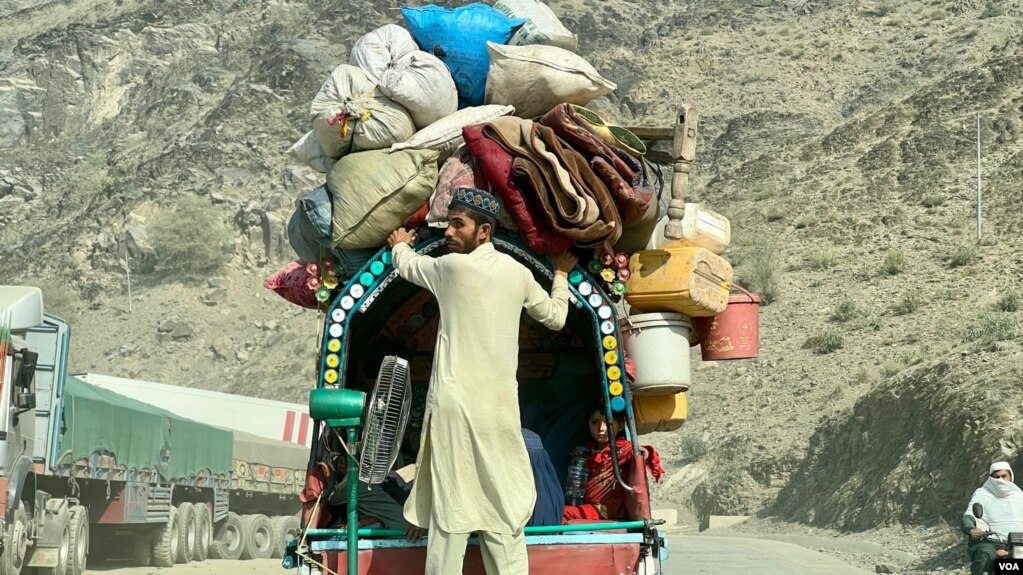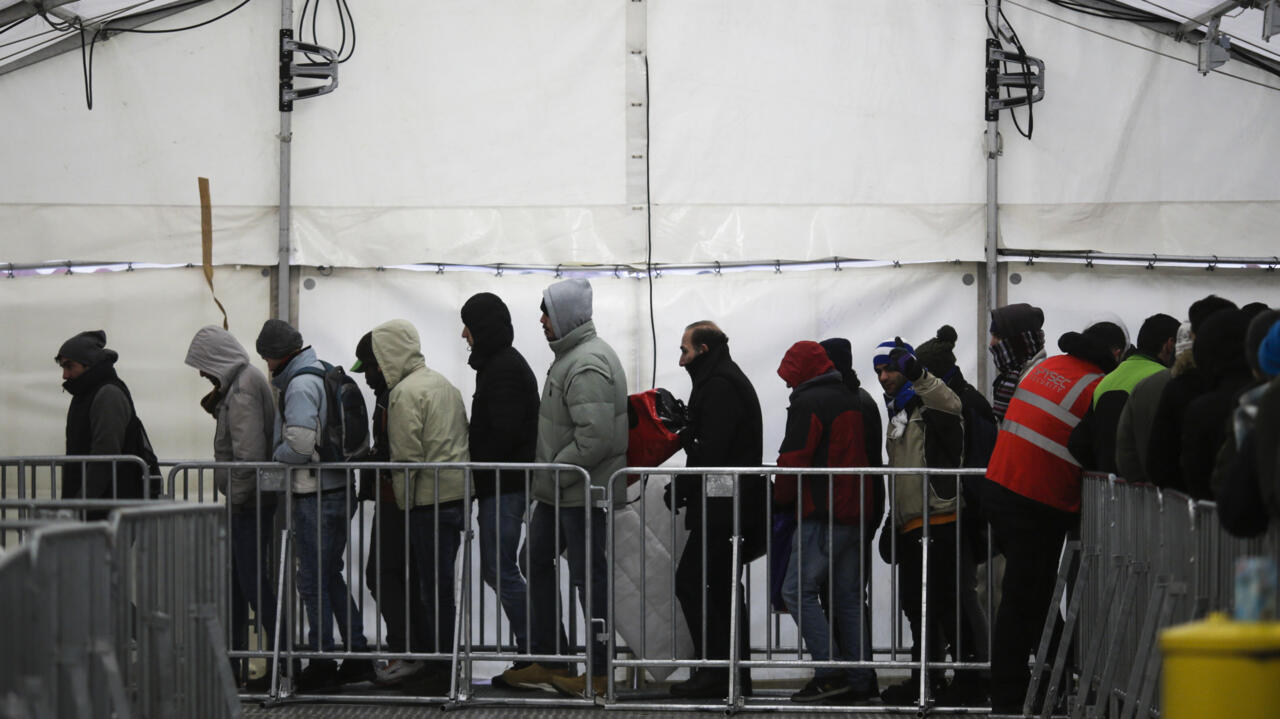
The European Union is moving towards closer cooperation with Afghanistan's Taliban regime over the return of Afghan migrants, despite legal and human rights concerns about sending people back to the country.
Issued on: 15/05/2026 - 18:09Modified: 15/05/2026 - 18:09
4 min Reading time
The European Commission this week confirmed that it had invited Taliban representatives to Brussels for technical talks on deportations, with EU officials saying the meeting could take place before the summer. The discussions reflect growing pressure from several European governments seeking to send back rejected asylum seekers and Afghans convicted of crimes. Rights groups and migration analysts warn that conditions in Afghanistan remain unsafe. “The European Commission, together with the Swedish Ministry of Justice, has sent a letter to the de facto authorities in Afghanistan asking them to take part in a technical meeting on the return of Afghan migrants,” European Commission spokesperson Markus Lammert told journalists in Brussels on Tuesday. He said that EU member states had mandated the European Union to maintain "operational dialogue" with the Taliban, but added this "in no way" amounted to a formal recognition of the regime. Two technical meetings between European officials and Afghan authorities have already taken place in Kabul. This time, the talks would be held in Brussels, bringing Taliban representatives into the heart of EU institutions. Planned EU-Taliban talks on return of Afghan nationals spark backlash Deportation pressure Several European governments have been pushing Brussels for months to restart deportations to Afghanistan, which were heavily restricted after the Taliban returned to power in August 2021. Twenty countries, including Germany, Poland, Greece and Italy, sent a joint letter to Brussels in October 2025 calling for negotiations with the authorities in Kabul. They argue that Europe needs to resume deportations of some rejected Afghan asylum seekers and people convicted of crimes because they pose a security risk. Germany became the first European country to deport Afghans back to Taliban-run Afghanistan in August 2024. Since then, 121 Afghans living illegally in Germany have been returned to Kabul in three deportation operations. German authorities said those deported had criminal records involving offences including sexual violence, homicide and assault – but an investigation this month by German broadcaster ZDF found Berlin was also targeting single Afghan men with no criminal convictions.