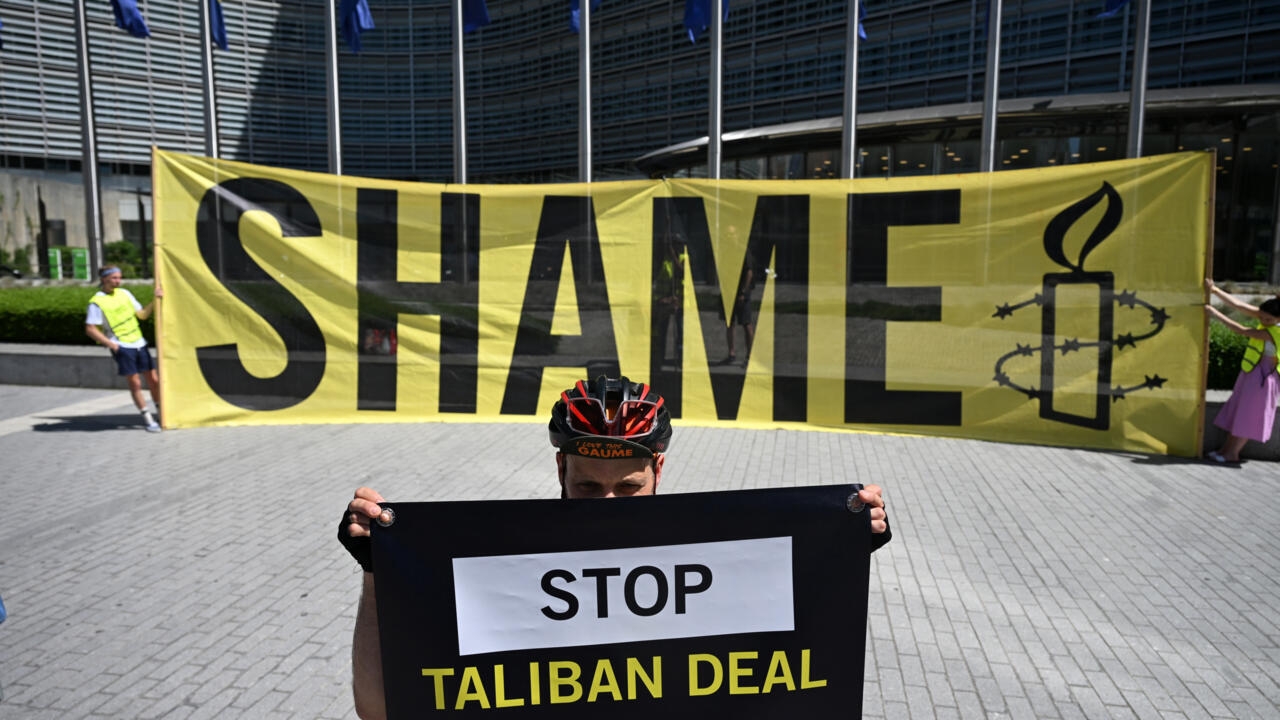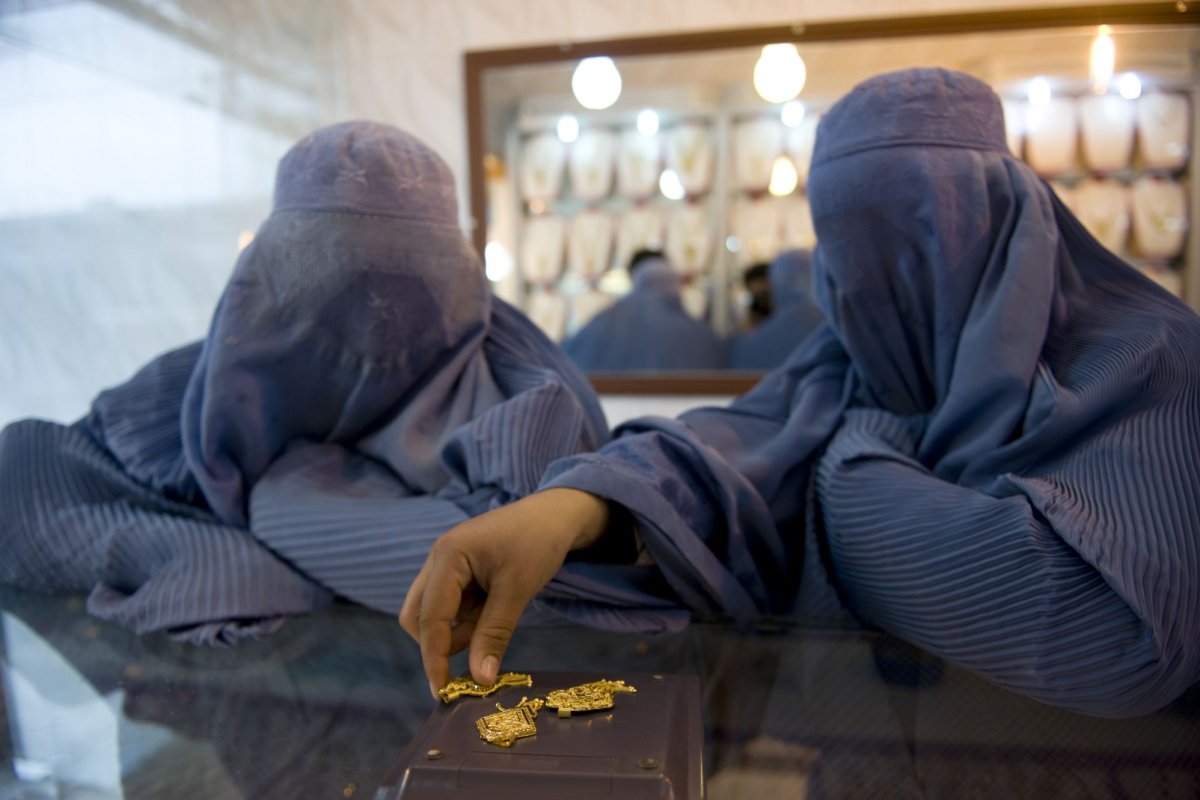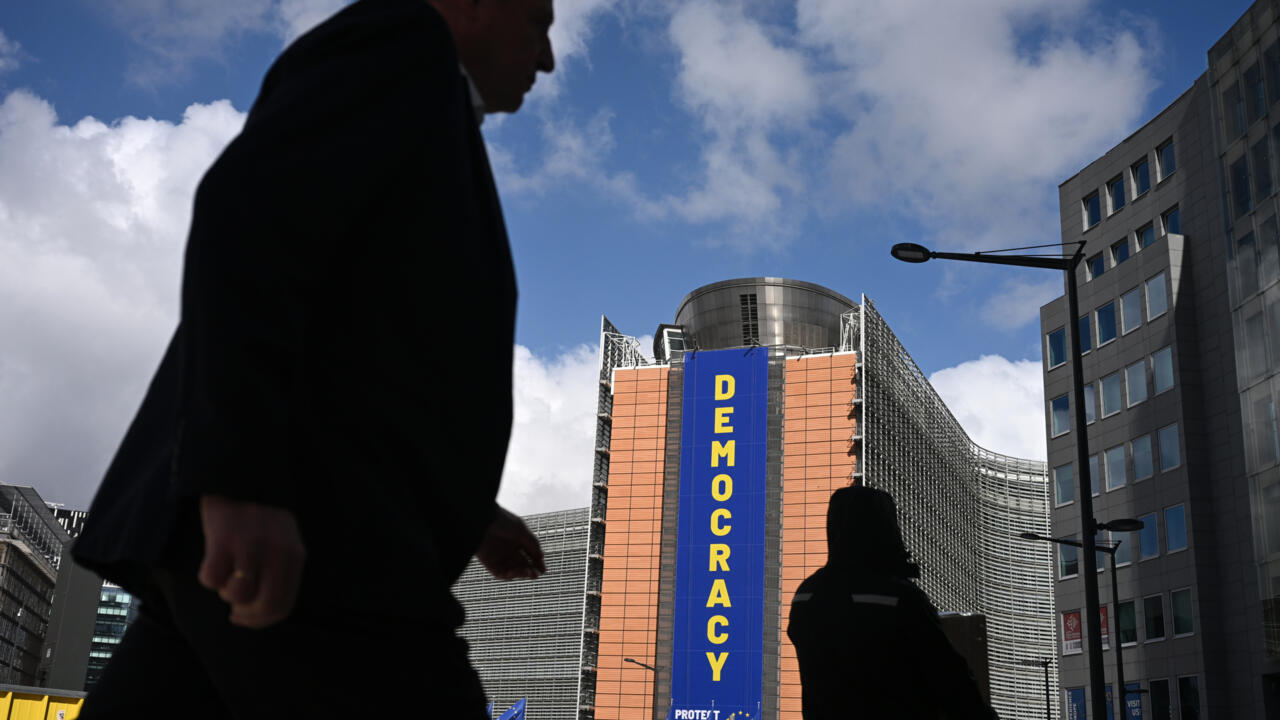
In May 2026, the European Union accelerated its review of policies regarding Afghan migrants, with the primary goal appearing to be the return of migrants who had fled Afghanistan back to Afghan territory. Although the EU has not officially recognized the Taliban government, an Afghan delegation led by Abdul Qahar Balkhi, spokesperson for the Ministry of Foreign Affairs, is expected to visit Brussels in June to discuss migration issues, according to EU officials.
Over the past decade, European countries have taken in a very large number of migrants, a significant portion of whom came from Syria and Afghanistan.
This wave of migration has had a considerable impact on the European economy. Under the Multiannual Financial Framework (MFF) for 2021-2027, approximately 22.7 billion euros has been allocated to migration and border management – funds directed primarily toward receiving and integrating migrants, as well as strengthening external borders. This figure represents a notable increase compared to the previous 2014-2020 period, during which roughly 10 billion euros went to migration policy.
Furthermore, nationalist-minded parties are gaining significant ground across Europe, with growing calls for Europe to serve Europeans first rather than the world at large. In Germany alone, right-wing parties made notable gains in the 2025 federal elections, with the Alternative for Germany (AfD) party achieving its best-ever result and securing 152 seats in the Bundestag.