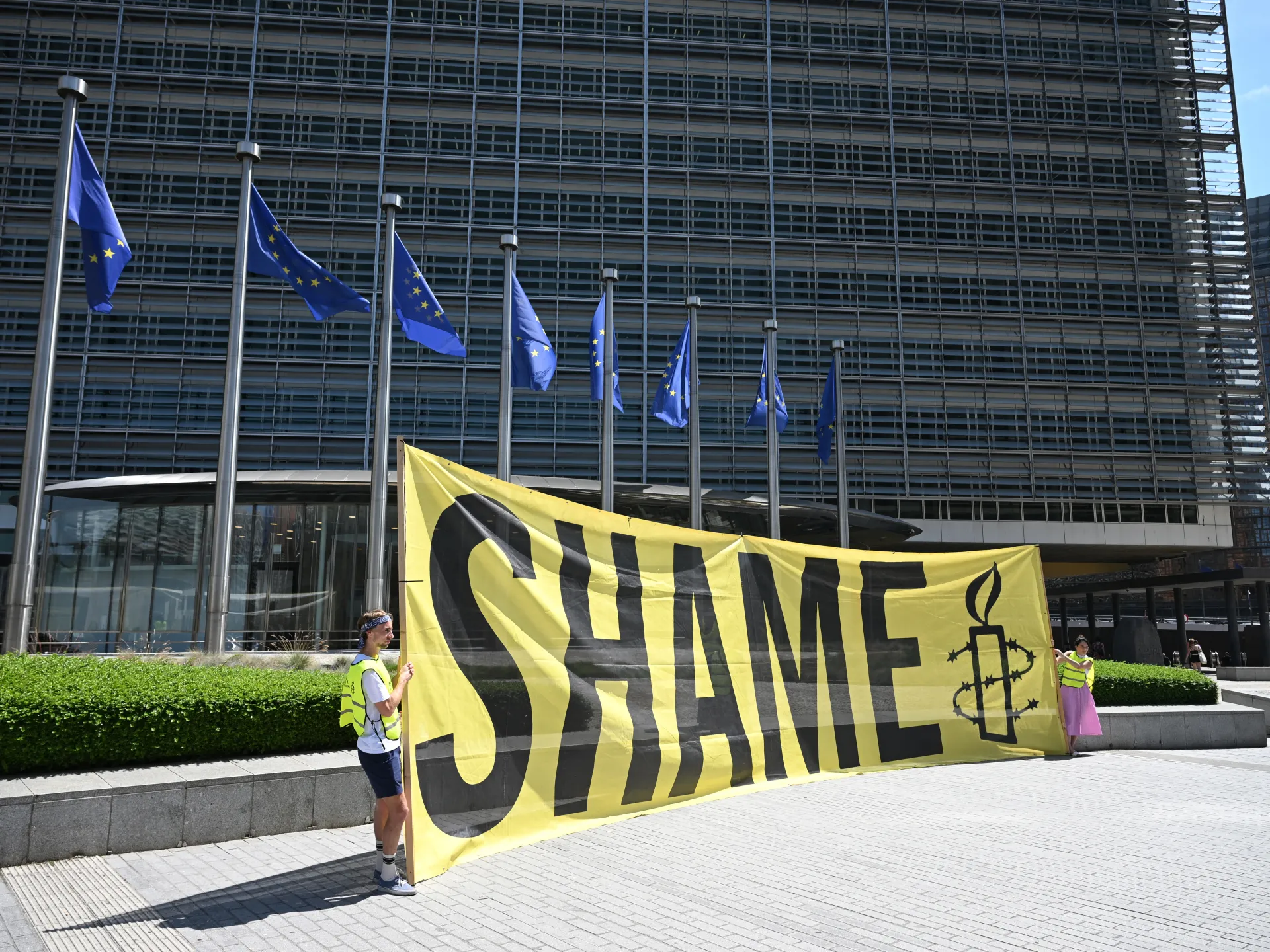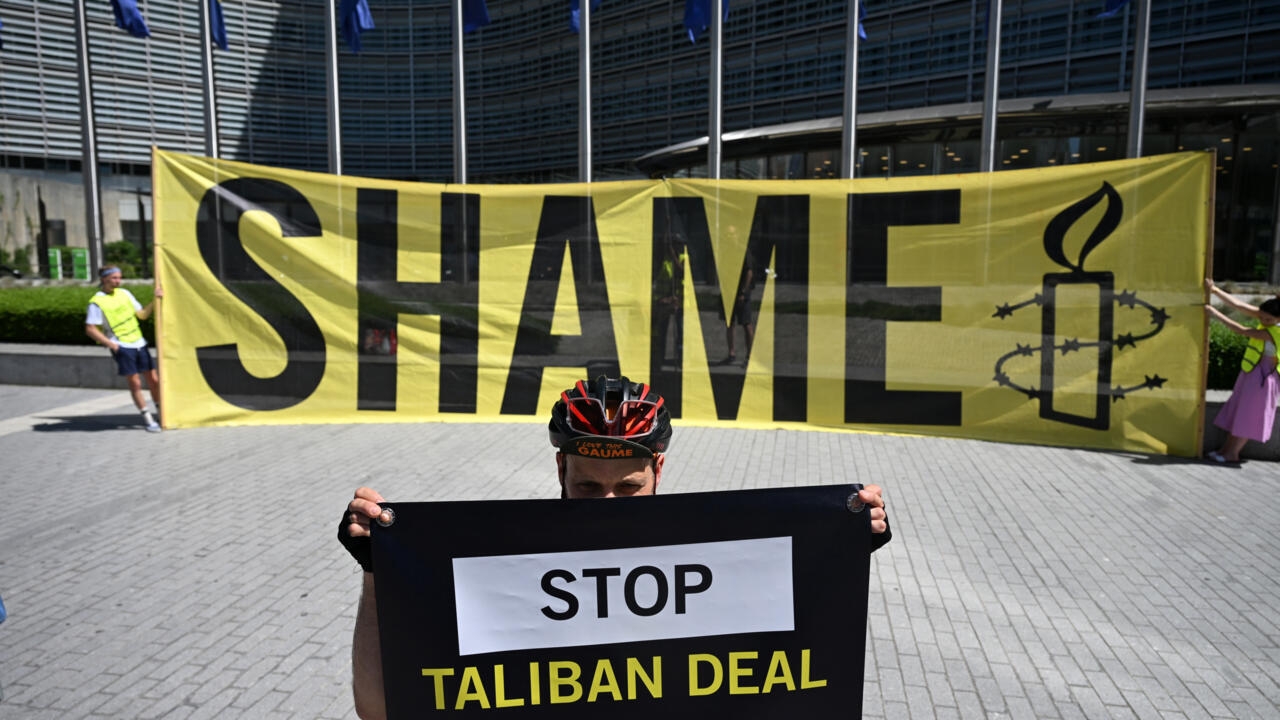
The European Commission invited a five-person delegation for discussions under a push to crack down on irregular migration and boost deportations -- although the European Union does not formally recognise the Taliban administration."The meetings were constructive, and there is hope that they will lead to positive developments," an Afghan official with direct knowledge of the talks, who requested anonymity due to their sensitivity, told AFP.A spokesman for the European Commission said 15 EU member states participated in the "technical level meeting" co-chaired by Sweden, underscoring broad interest for an initiative that critics said flew in the face of the 27-nation bloc's values."This is a shameful chapter for Europe," said Cecilia Strada, a European lawmaker with the centre-left S&D group. "The commission is legitimising a regime that tramples on the rights of women and girls." European governments have sought a tougher stance on migration as public opinion has hardened, fuelling far-right electoral gains across the continent.With migrant arrivals down in 2025, the EU's focus has turned to improving the repatriation system. Currently, less than 30 percent of people who are ordered to leave actually return to their country of origin.The commission said the talks focused on the possible return of Afghans "who have committed serious crimes and who pose a security threat" and dealt with practical issues such as identifying them and issuing travel documents.They followed a January visit by EU officials to Afghanistan and aimed at providing member states, which are responsible for arranging repatriations, the opportunity to "establish contacts" with Taliban authorities. The meeting was the first by Taliban officials with EU representatives in Brussels."The ability to return individuals who do not have a legal right to remain in the country is a cornerstone of a credible and well-functioning asylum and migration system," Swedish Minister for Migration Johan Forssell said after the talks.'Slap in the face'
EU hosts Taliban officials for talks on migrant returns
A Taliban delegation held talks with the EU in Brussels on Tuesday on stepping up the return of failed asylum-seekers to Afghanistan, in an unprecedented visit fiercely criticised by rights advocates.
714 words~3 min read