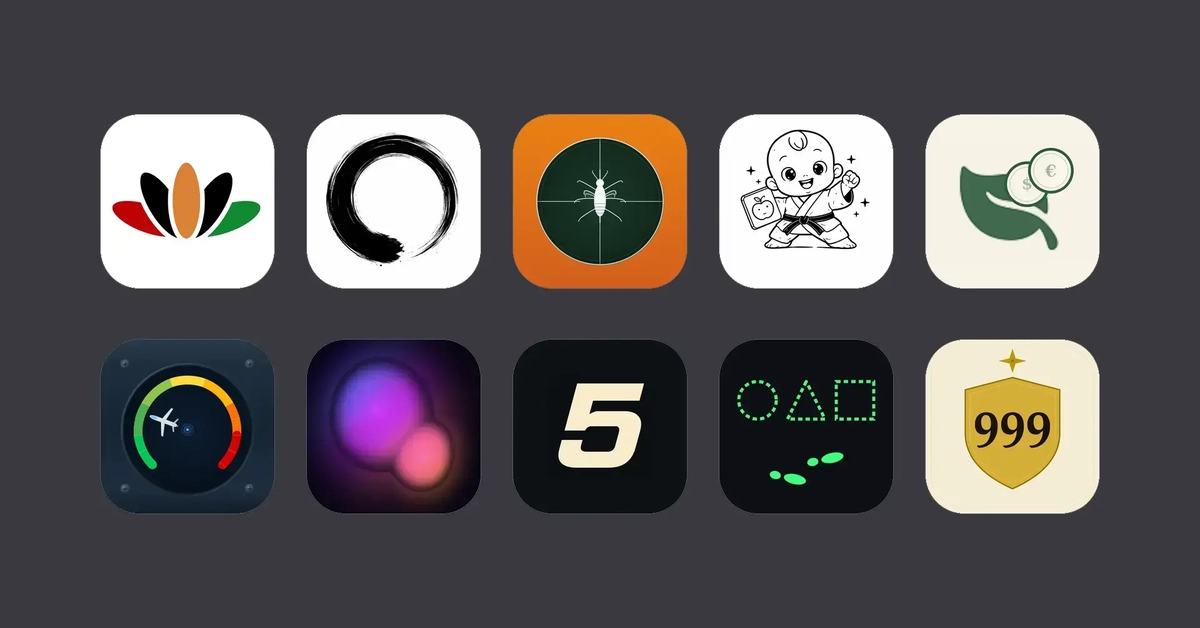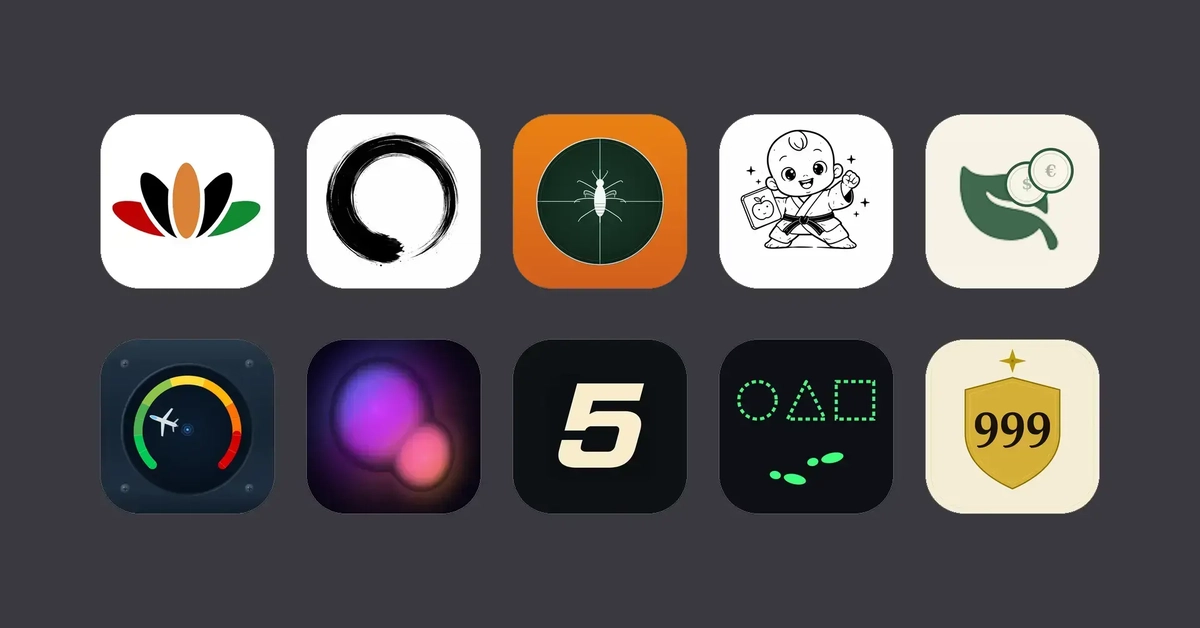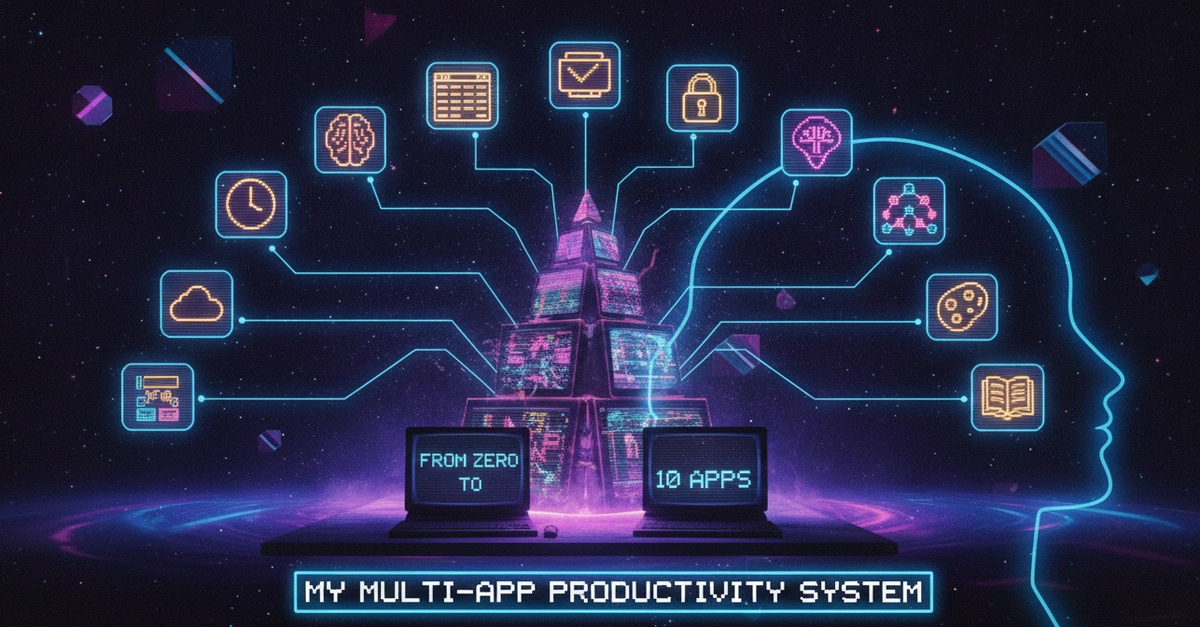
In the last four months, I managed to ship nine iOS apps. That’s a pace that would have been impossible for me before AI—completing even a single app in 30 days used to be a significant stretch. But while AI has drastically accelerated the production cycle, it has introduced a new problem: AI cognitive overload.
The biggest hurdle in this high-speed environment is constant context switching. Moving between nine different apps, each with its own codebase, logic, and UI patterns, while also managing AI conversations for each of them—that’s a lot of mental weight to carry. The AI never gets tired, but you’re human, and humans do.
To manage AI cognitive overload and keep being productive without burning out, I identified three actions that help me — and I hope they’ll help you too.
1. Increment in Very Small Steps
The temptation with AI is to go big—to hand it a large chunk of work and let it run. That almost always ends badly. The AI drifts, introduces subtle bugs, or solves the wrong problem entirely. By the time you catch all these blunders, you’ve already lost a lot of ground.