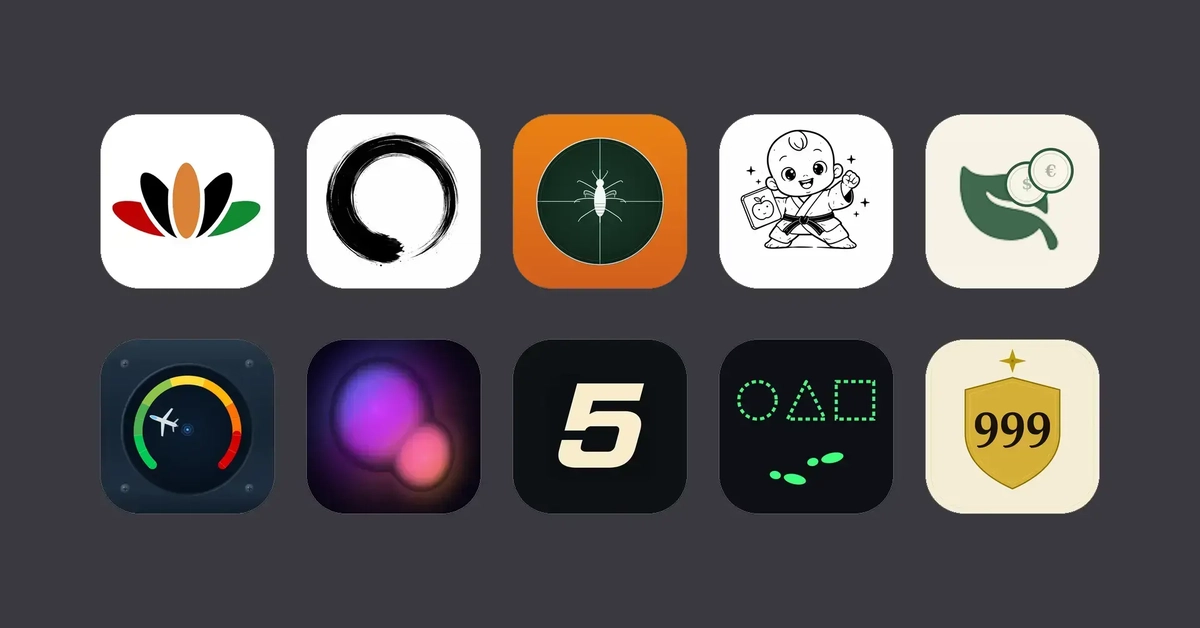
At the start of February 2026 I had one iOS app live in the App Store. As I write this at the end of May, I have ten, and a sustainable working pattern. Ten apps in roughly four months, built solo, on my Mac plus an iPad when in coffee shops.
In this post I will try to extract the actionable insights from this sprint. It’s a smaller and more focused companion to my longer post on vibe coding iOS apps on my iPad with Claude from my favorite coffee shop, which describes my setup and the actual processes. This one is about things I couldn’t see at the beginning, but which might be useful for someone starting to do the same thing — especially if they already know how to ship software. These are notes on vibe coding for senior developers specifically — not for beginners, not for people learning to code.
Intended Audience
Most vibe coding content out there is written for people who never coded before. That’s a fast growing and legitimate audience, but I’m not addressing it here. Vibe coding for senior developers is a completely different topic, and that’s where I’m heading with this article. Ideally, you’re not using AI to learn how to code – you already did this for years. You’re just delegating something you already know how to do, and the delegation skill is what’s new.