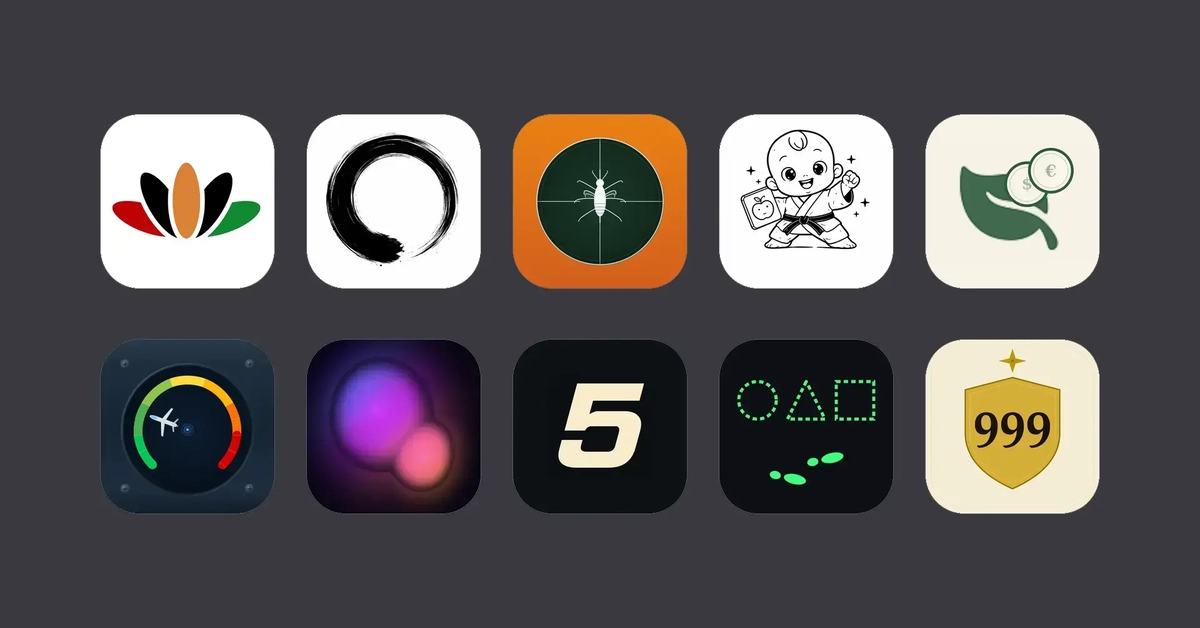
Over the last year I've shipped more than ninety mobile apps to the App Store and Play Console, almost all of them built with heavy help from AI coding agents (Claude Code, mostly, with a mix of other tools along the way). That number sounds absurd until you understand what most of these apps actually are: small, focused utilities and niche games built by a team of one, not ninety separate startups with ninety roadmaps.
I want to write down what actually changed in my workflow, because most of the "AI coding agent" content I read online is either breathless hype or reflexive skepticism. The reality, at least for me, was messier and more useful than either extreme.
The unlock wasn't code generation
The first thing people assume is that AI agents are valuable because they type code faster than you. That's true, but it's not the interesting part. The interesting part is that a coding agent can hold an entire small app's context in working memory and act on it consistently — rename a variable across twelve files, update a schema and every place that touches it, or run a build, read the error, and fix it without you copy-pasting a stack trace into a chat window.
Once I stopped treating the agent as an autocomplete engine and started treating it as a junior engineer who never gets tired of grunt work, the portfolio approach became possible. A single person cannot manually maintain ninety codebases. A single person plus an agent that can be pointed at a repo and told "the build is broken, fix it" can.