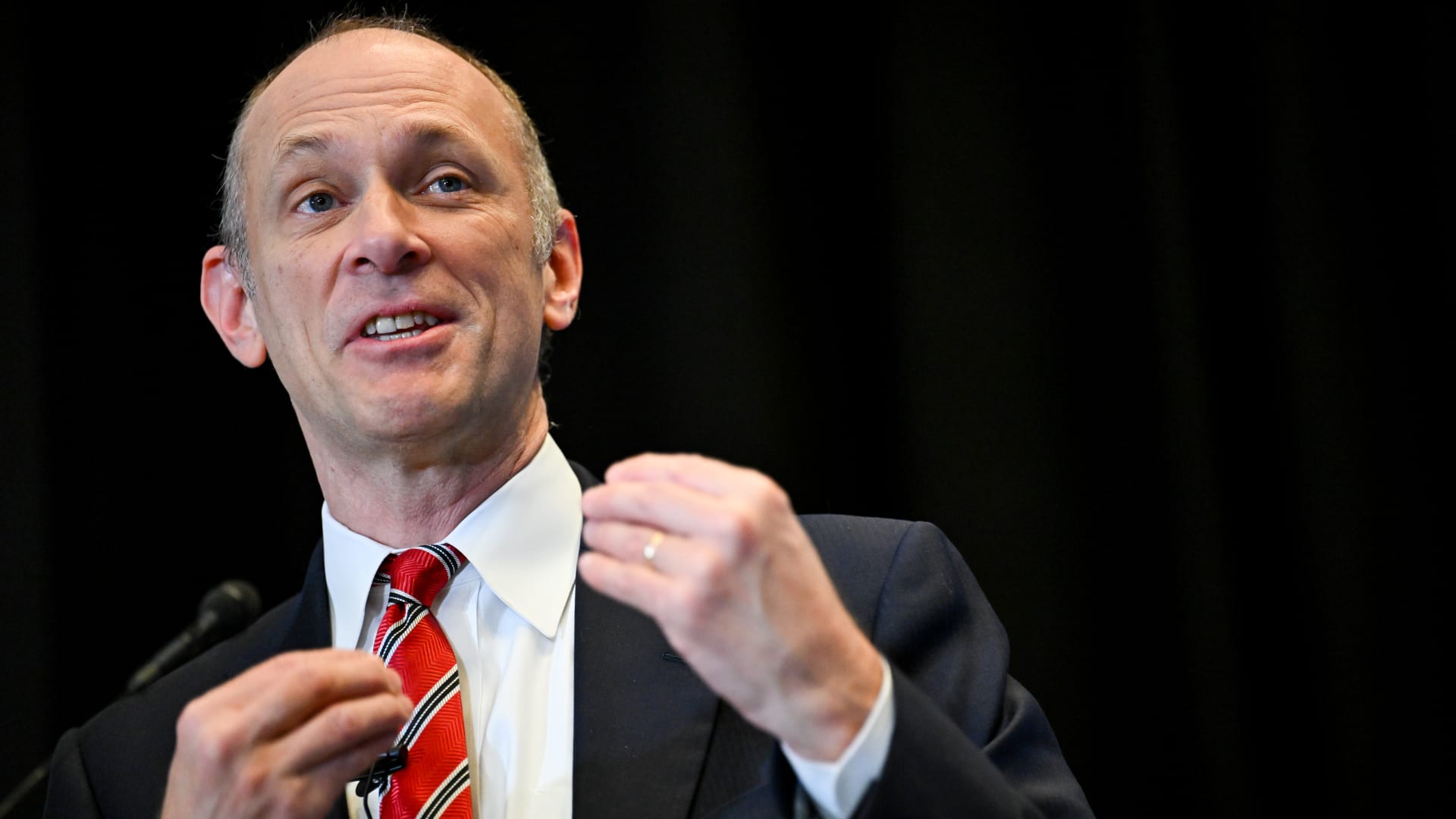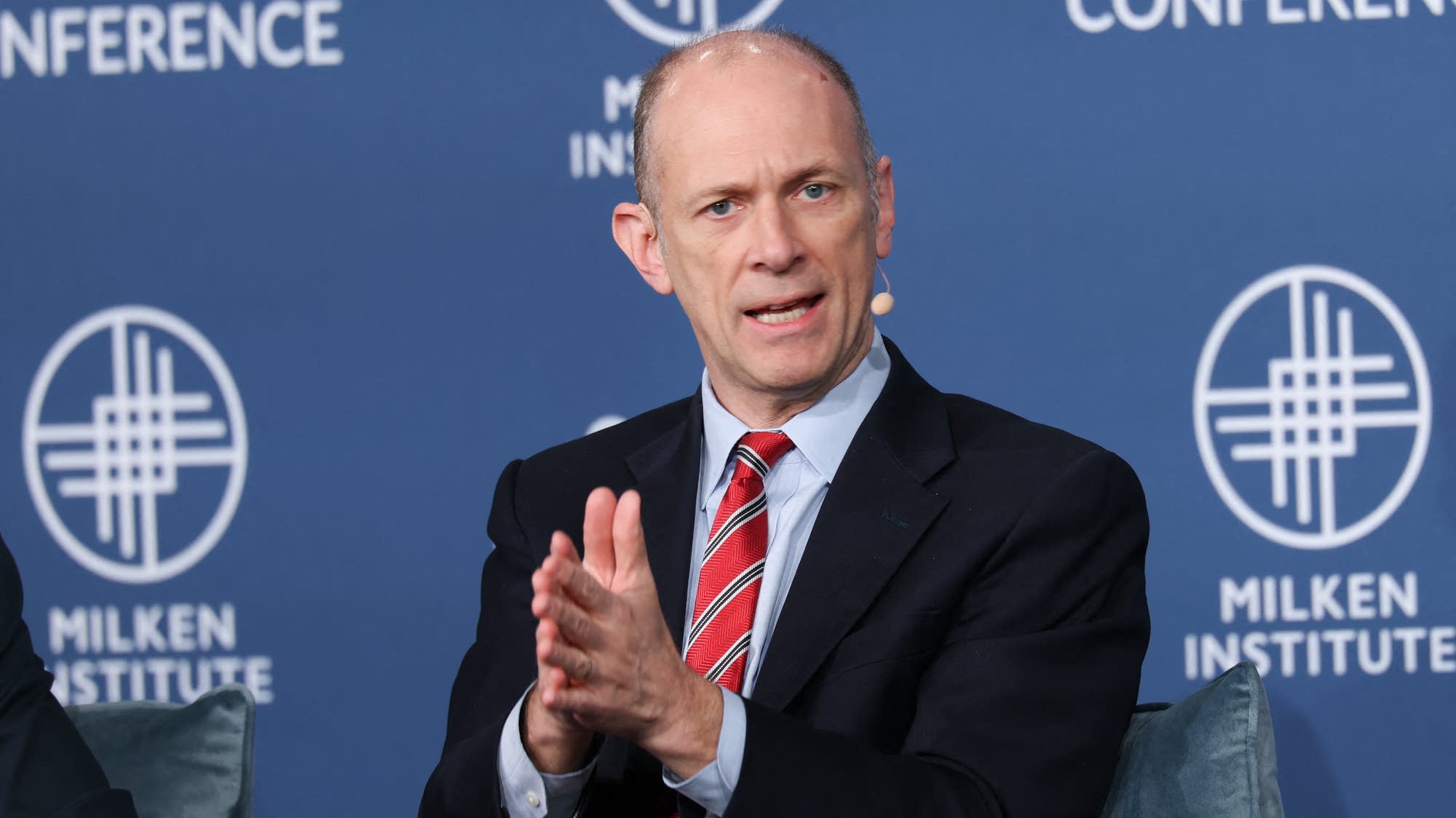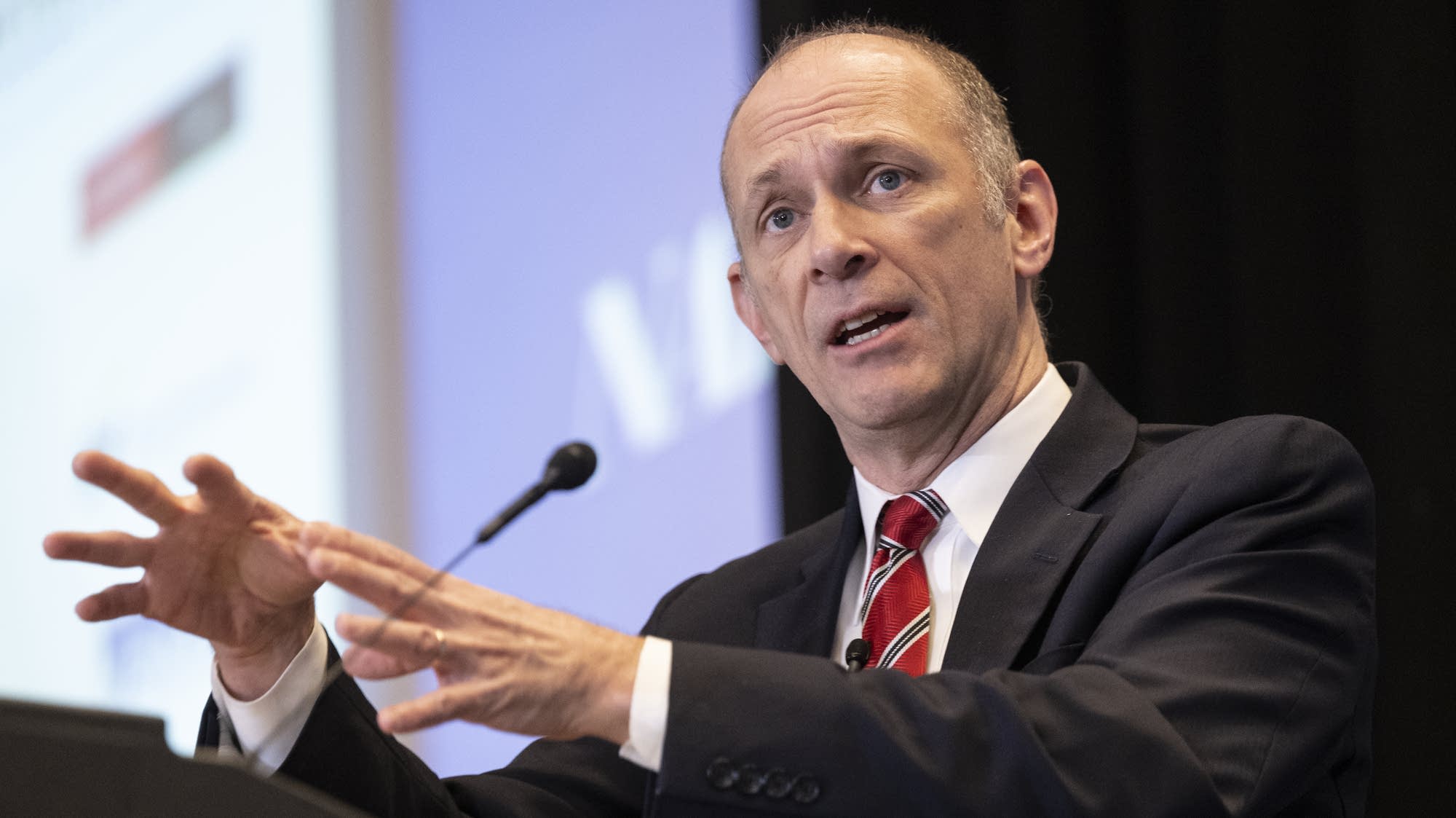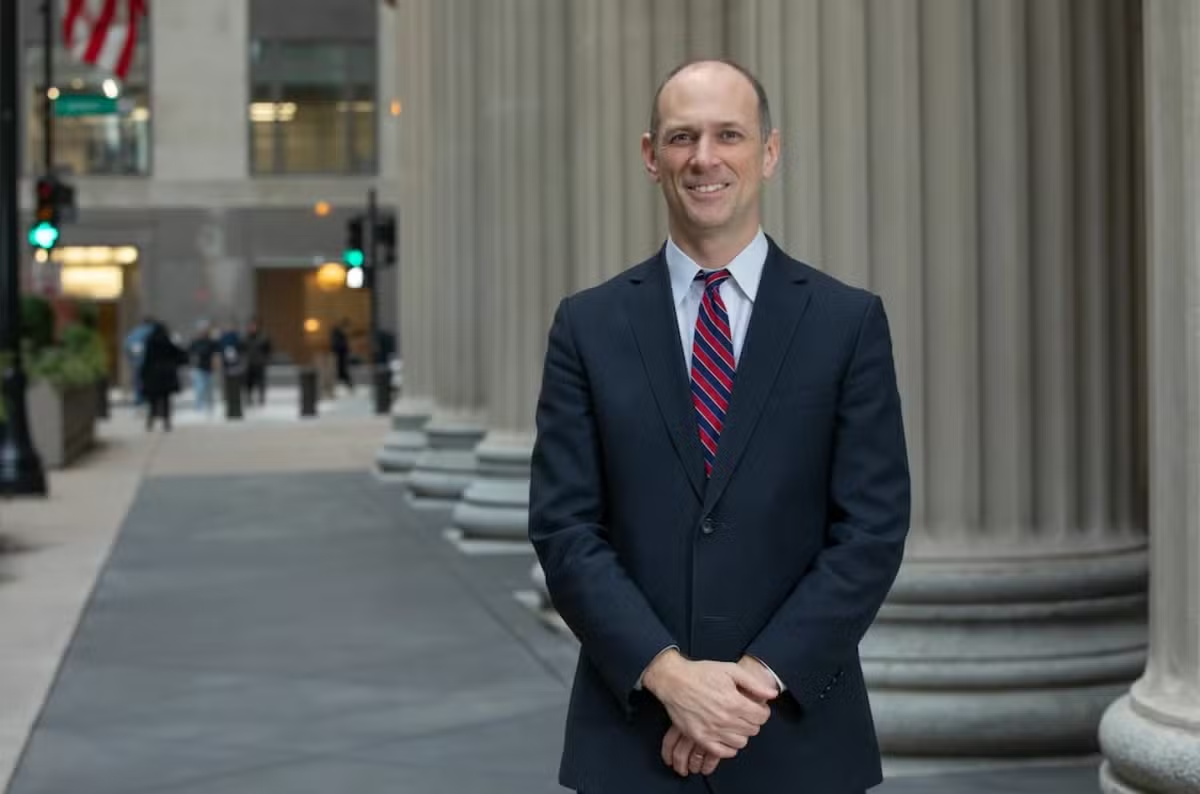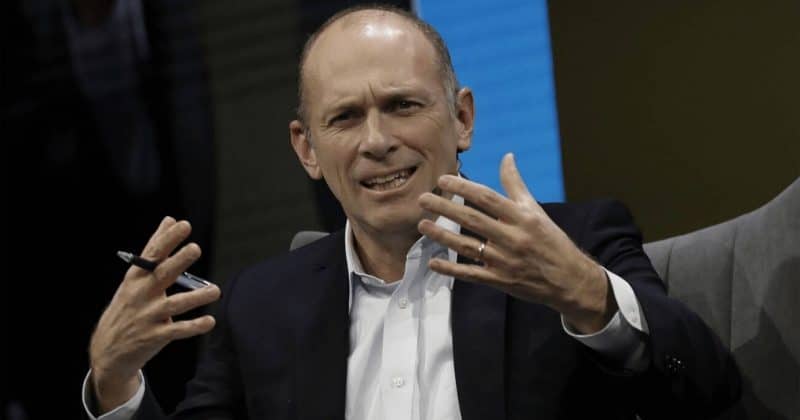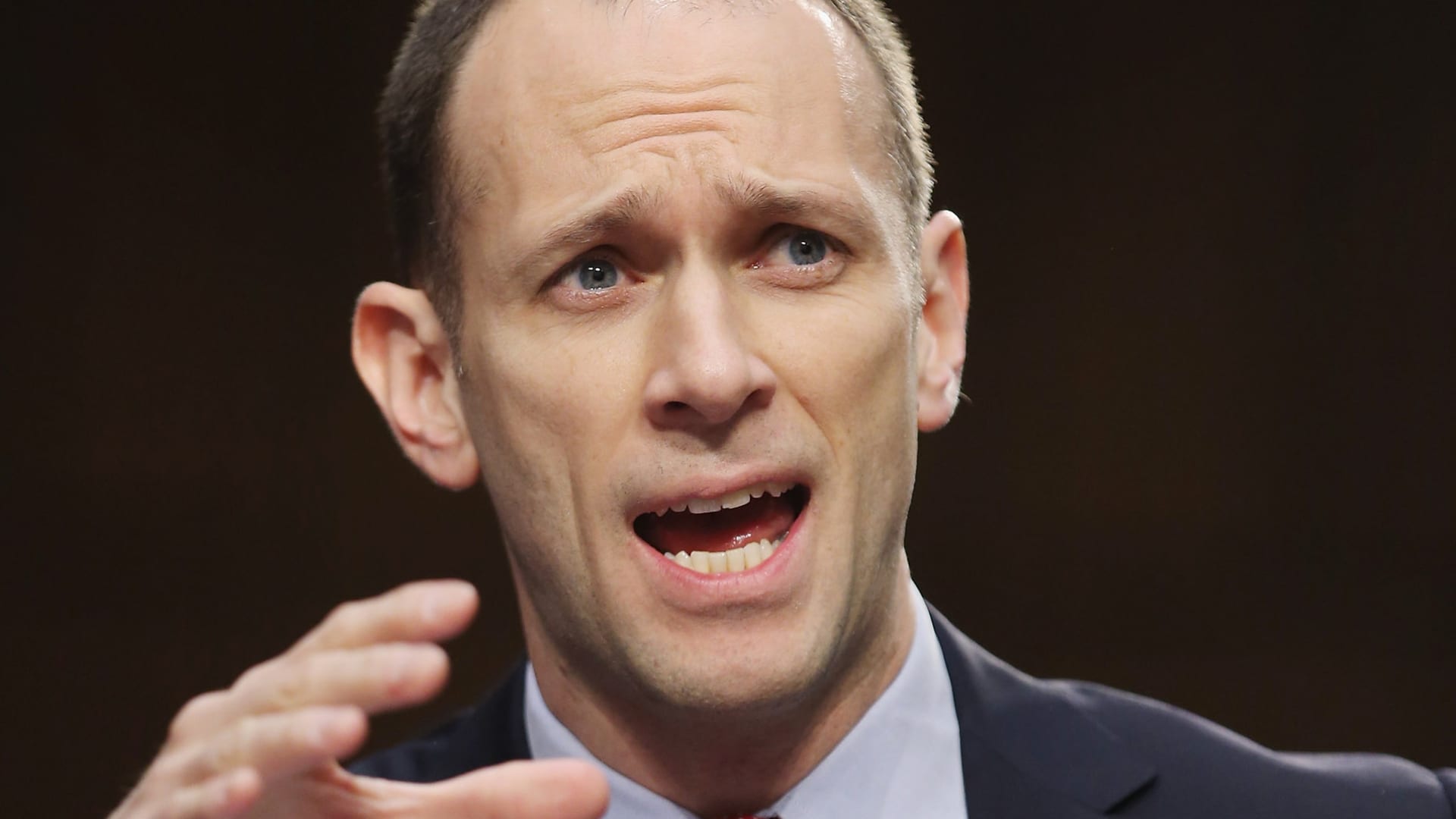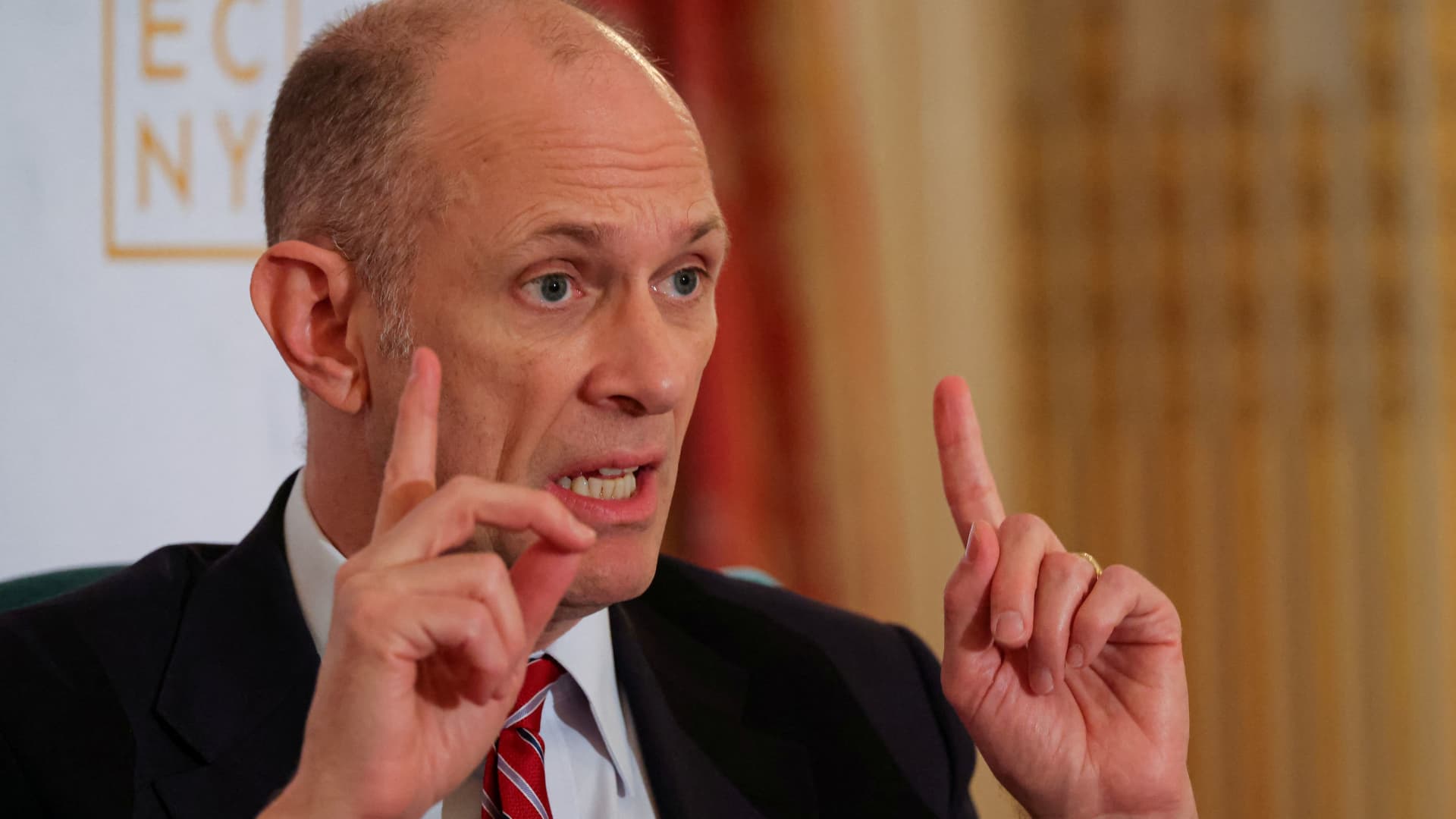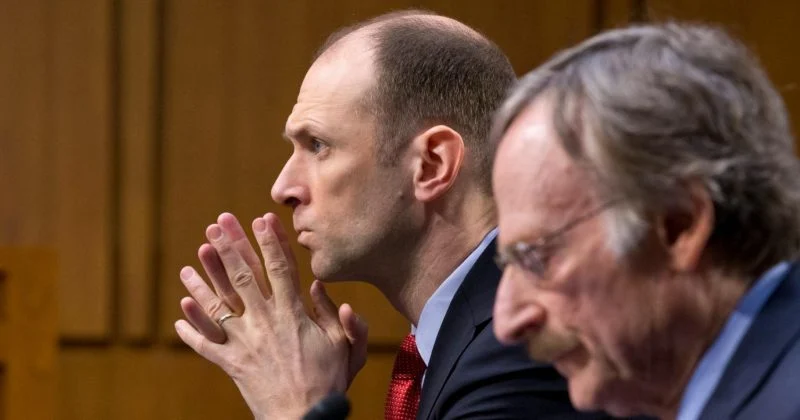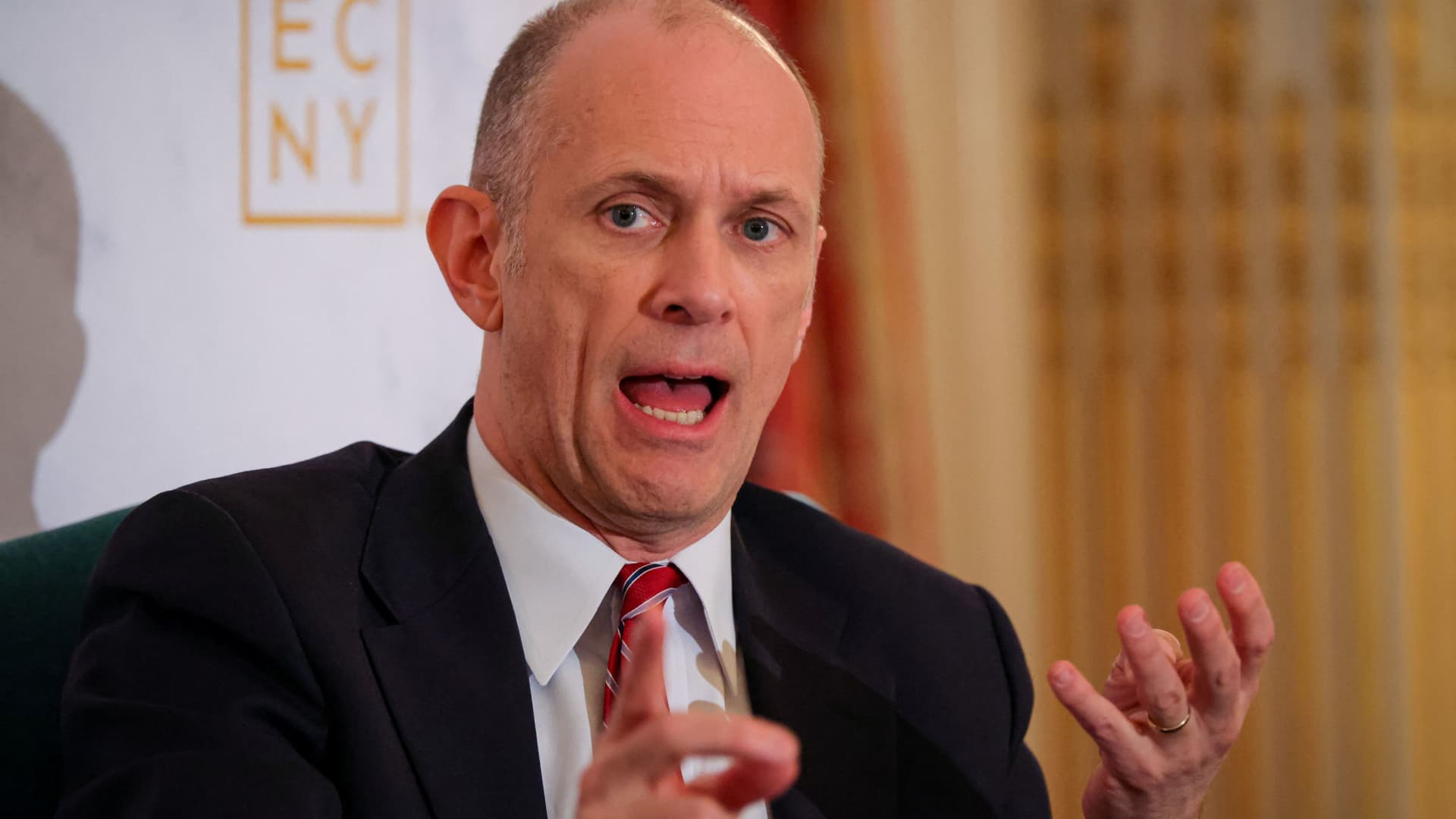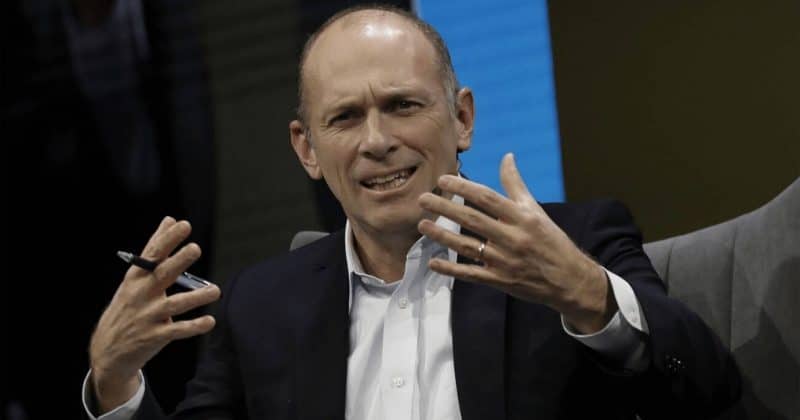
Austan Goolsbee, the president and CEO of the Federal Reserve Bank of Chicago, has been threading a needle that most economists would rather not touch. On one hand, he’s expressed hope that inflation data could eventually justify rate cuts. On the other, he’s acknowledged that the numbers have been moving, in his words, “the wrong way.”
US inflation hit 3.8% in April 2026, marking the highest reading in three years. The primary culprit: an oil price surge triggered by the ongoing conflict in the Middle East, which has disrupted energy markets and rattled global supply chains.
That 3.8% figure sits nearly double the Fed’s 2% target. Goolsbee himself stated on June 22 that inflation “has been going the wrong way,” openly questioning whether it can return to the Fed’s target anytime soon.
The International Monetary Fund piled on in April, downgrading its 2026 growth projections. The IMF pointed directly to the Middle East conflict and the resulting oil shock as key reasons for the dimmer outlook, warning that prolonged hostilities and damage to energy infrastructure could tip things further.
For context, Goolsbee made his remarks at the Semafor World Economy Summit during the IMF and World Bank Spring meetings in Washington, DC, back in April.