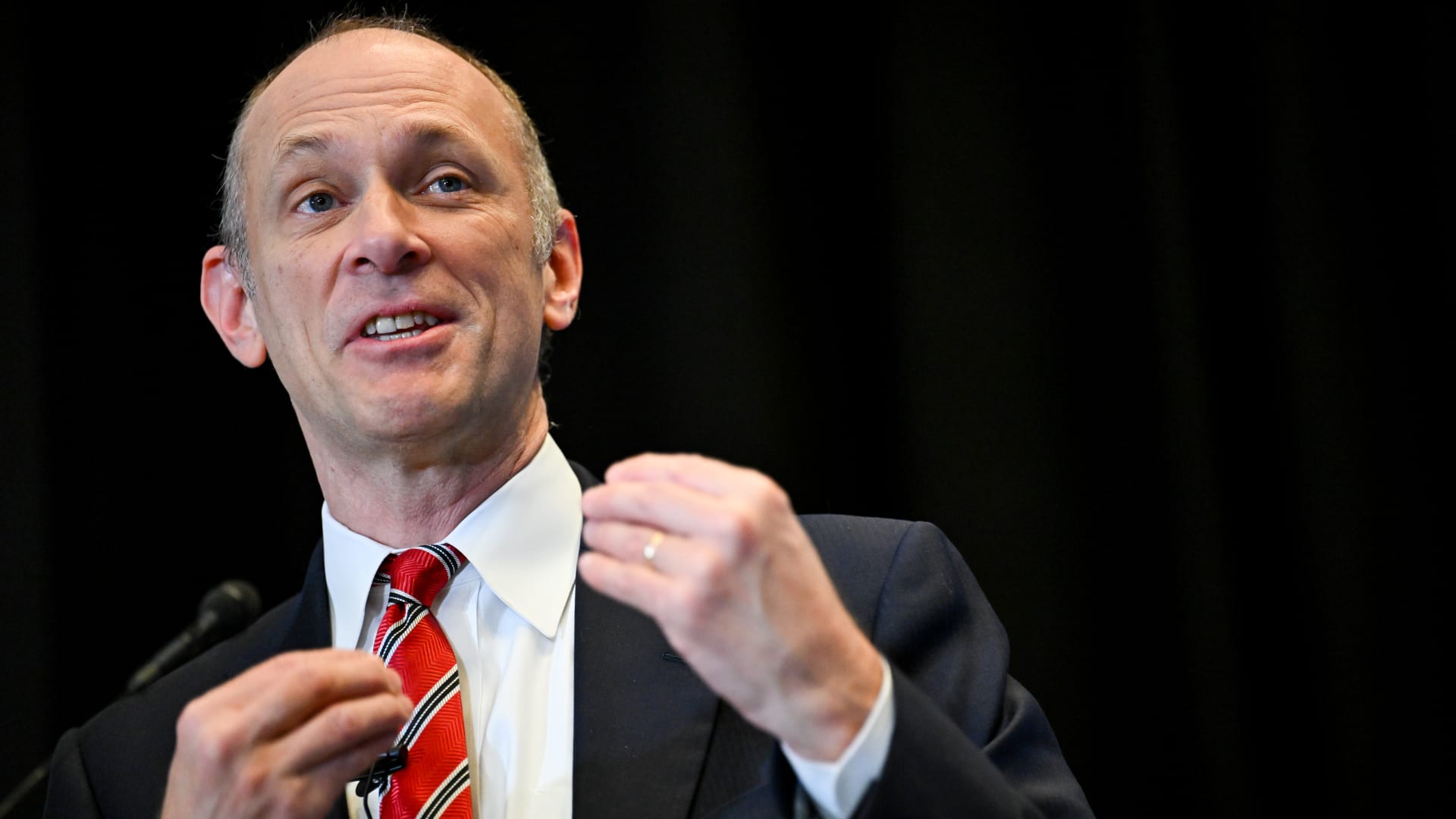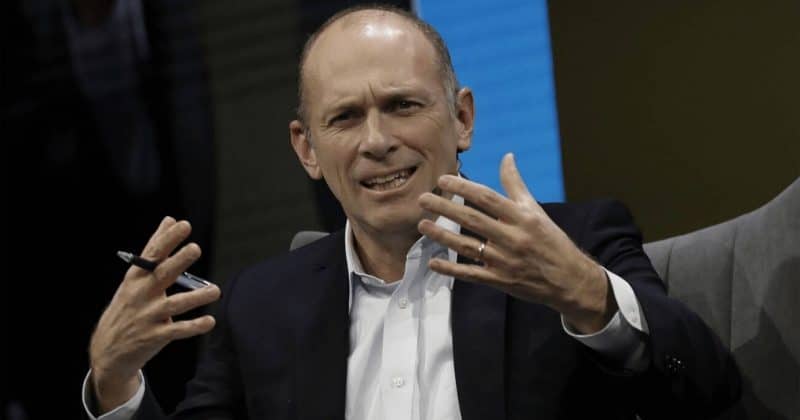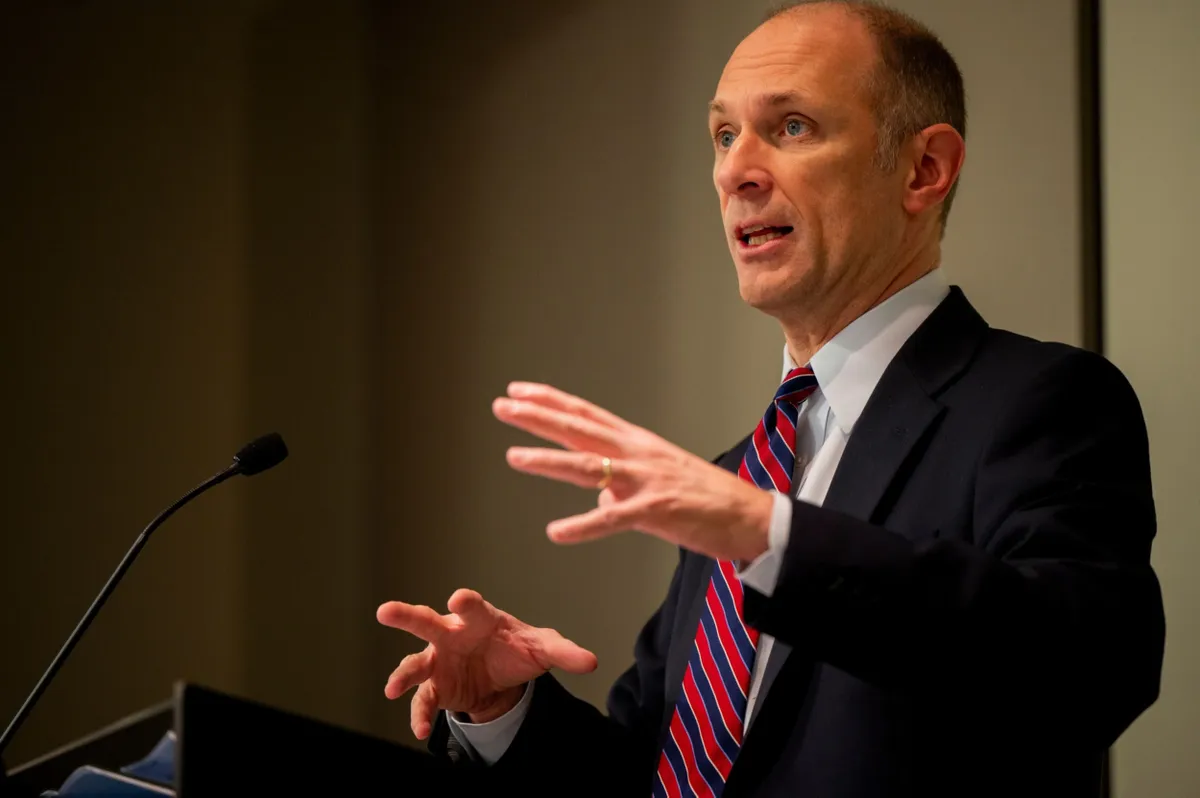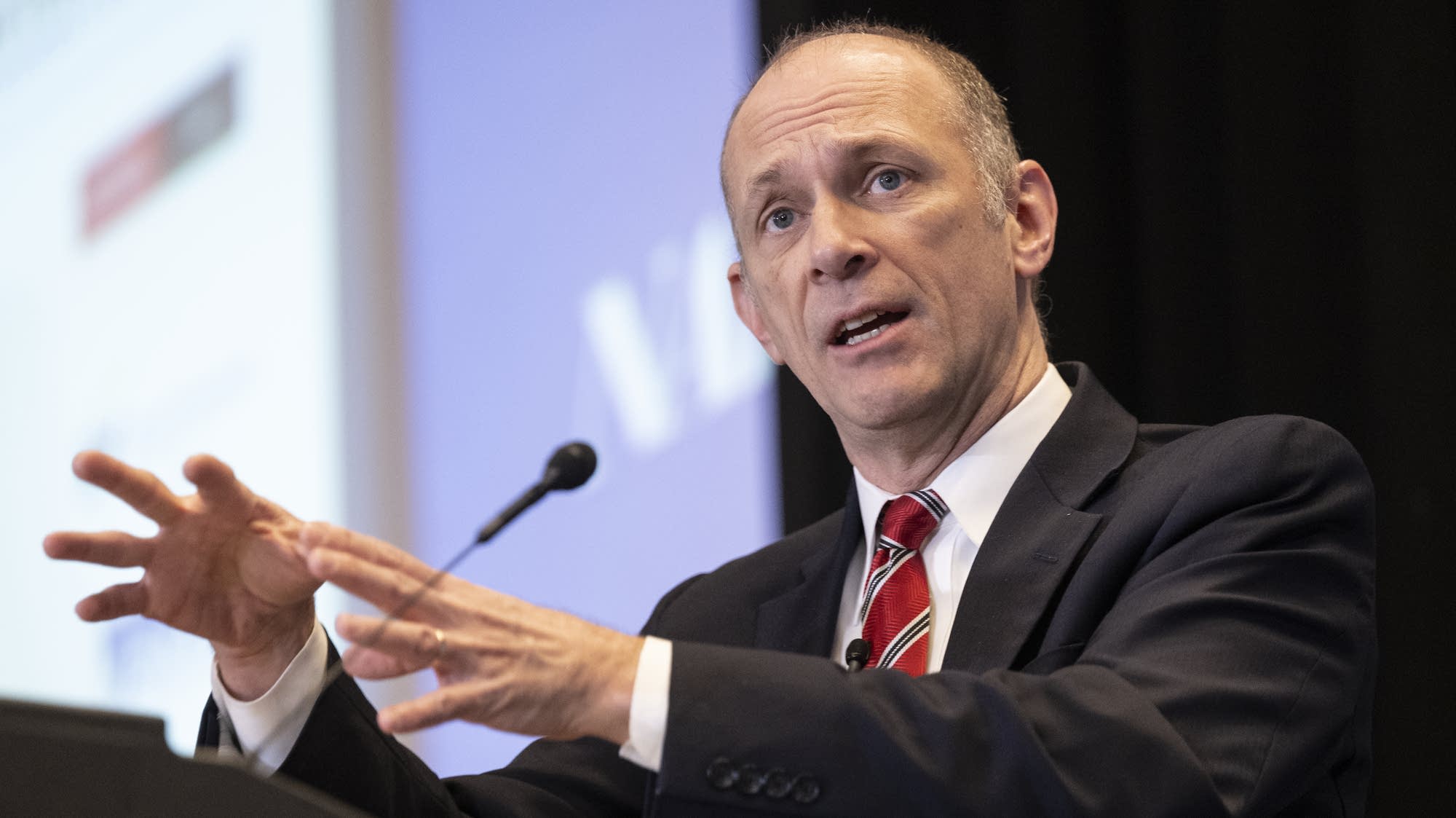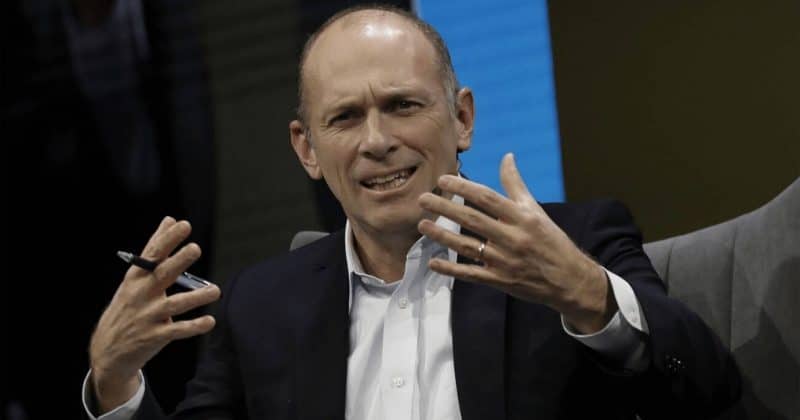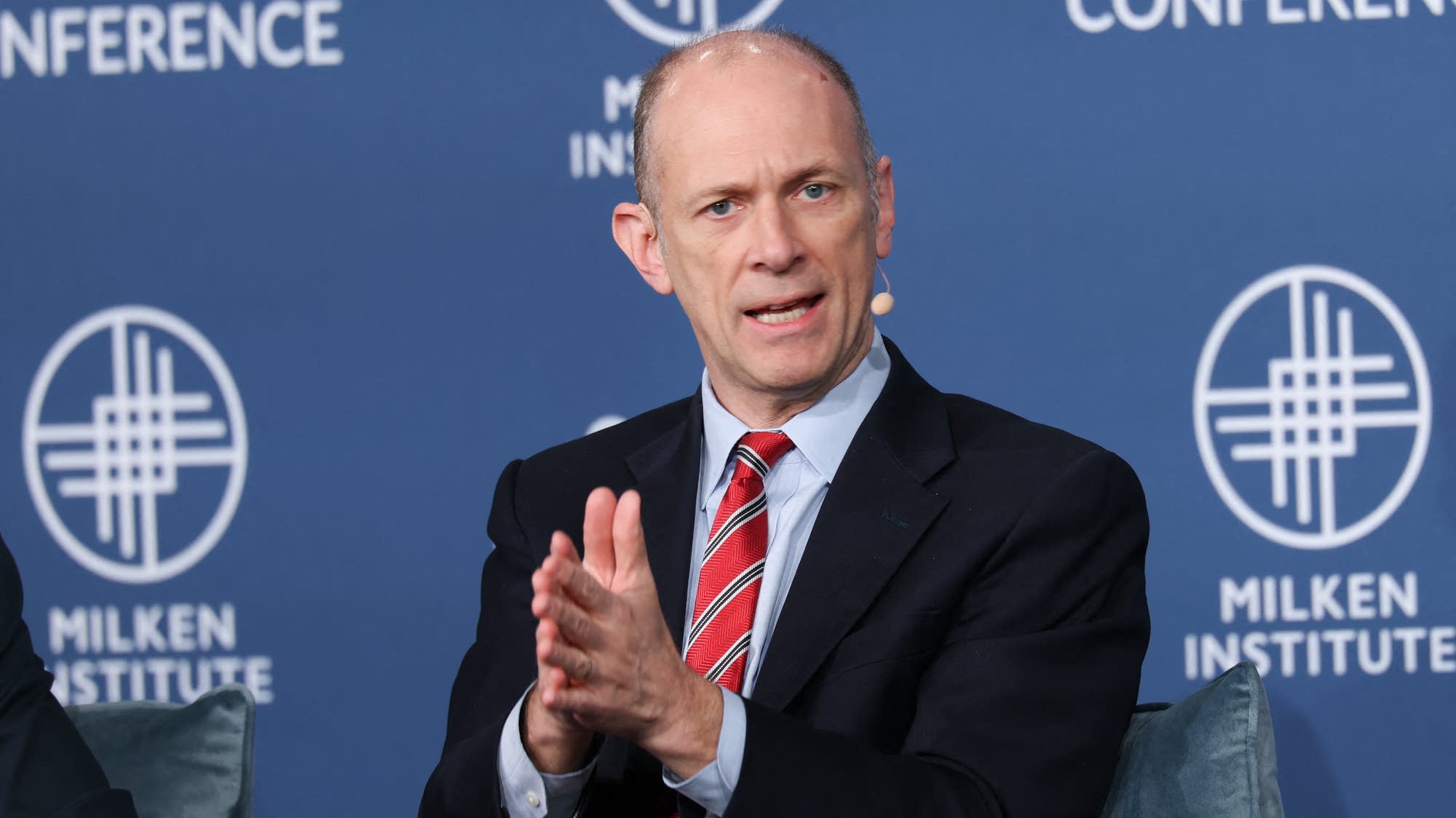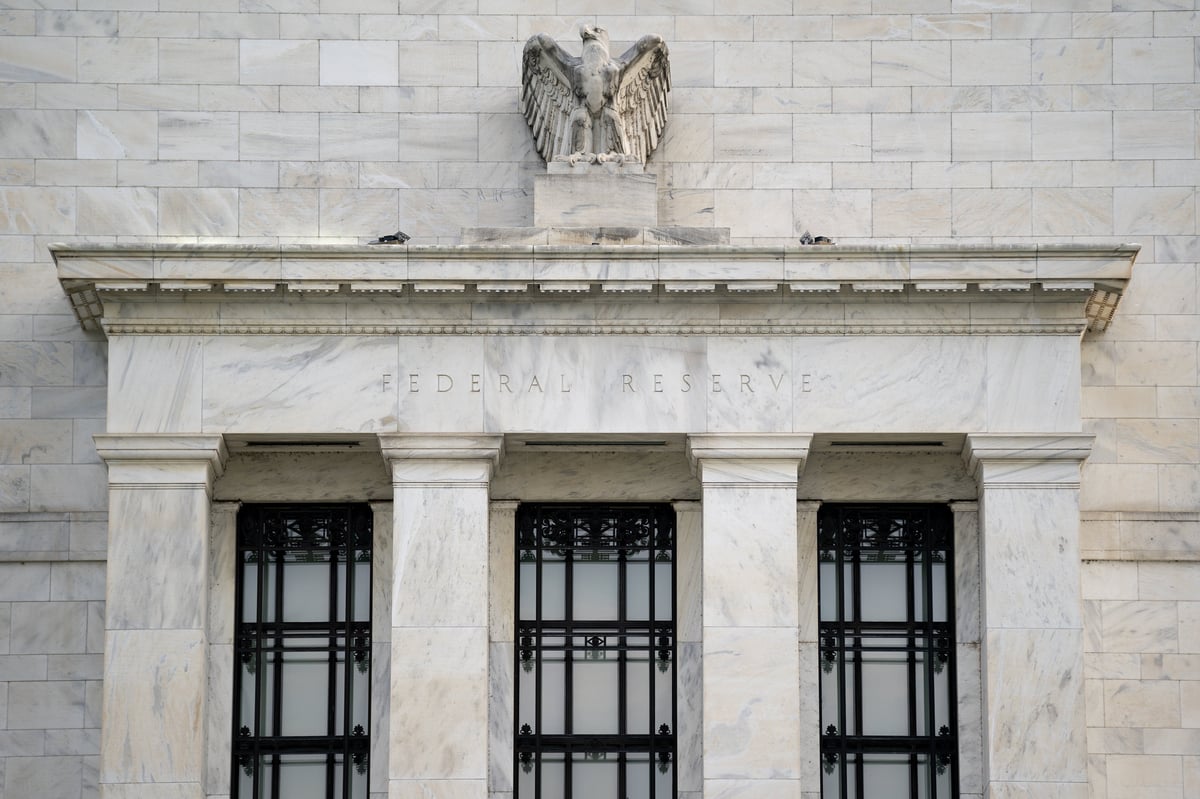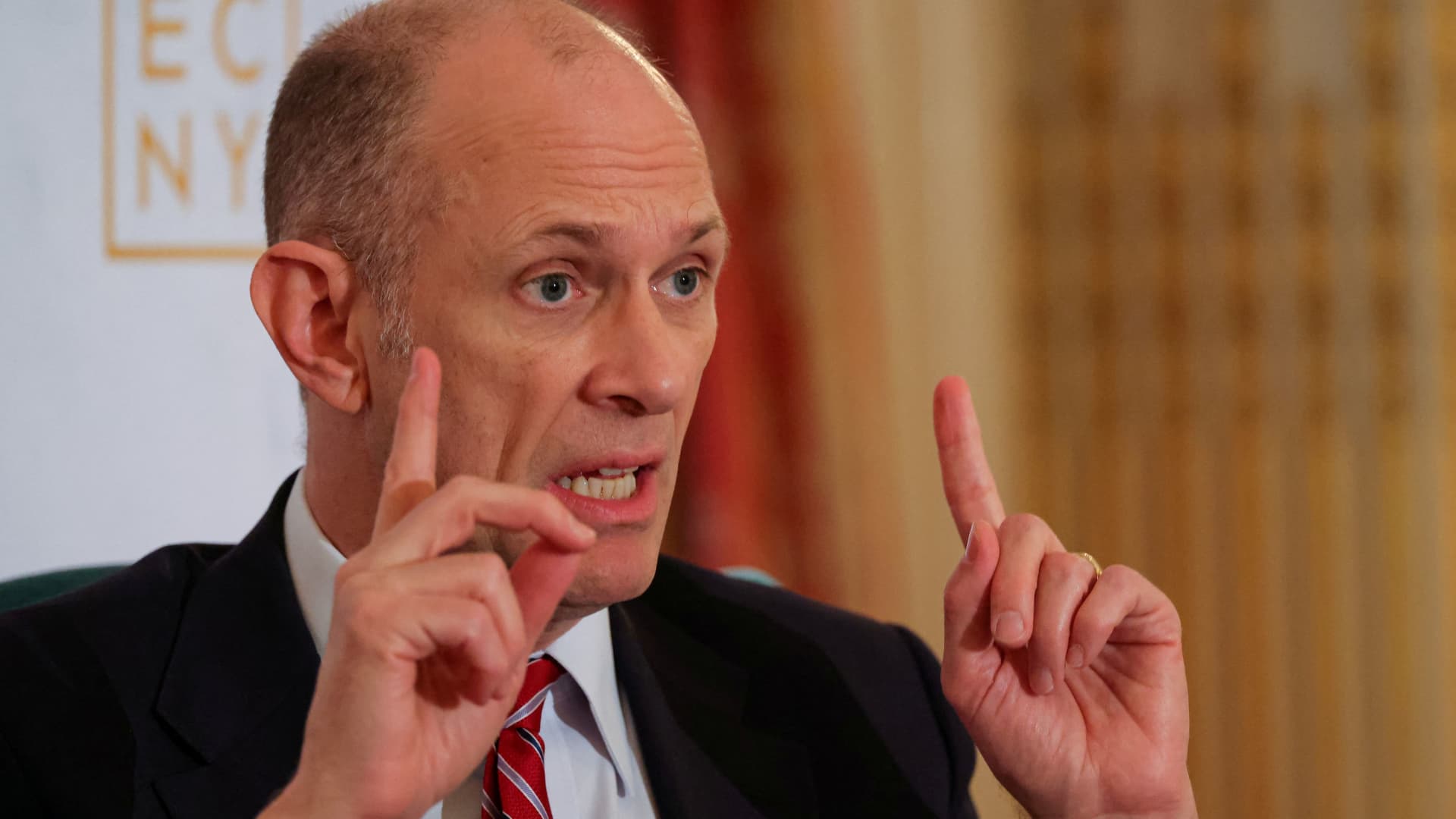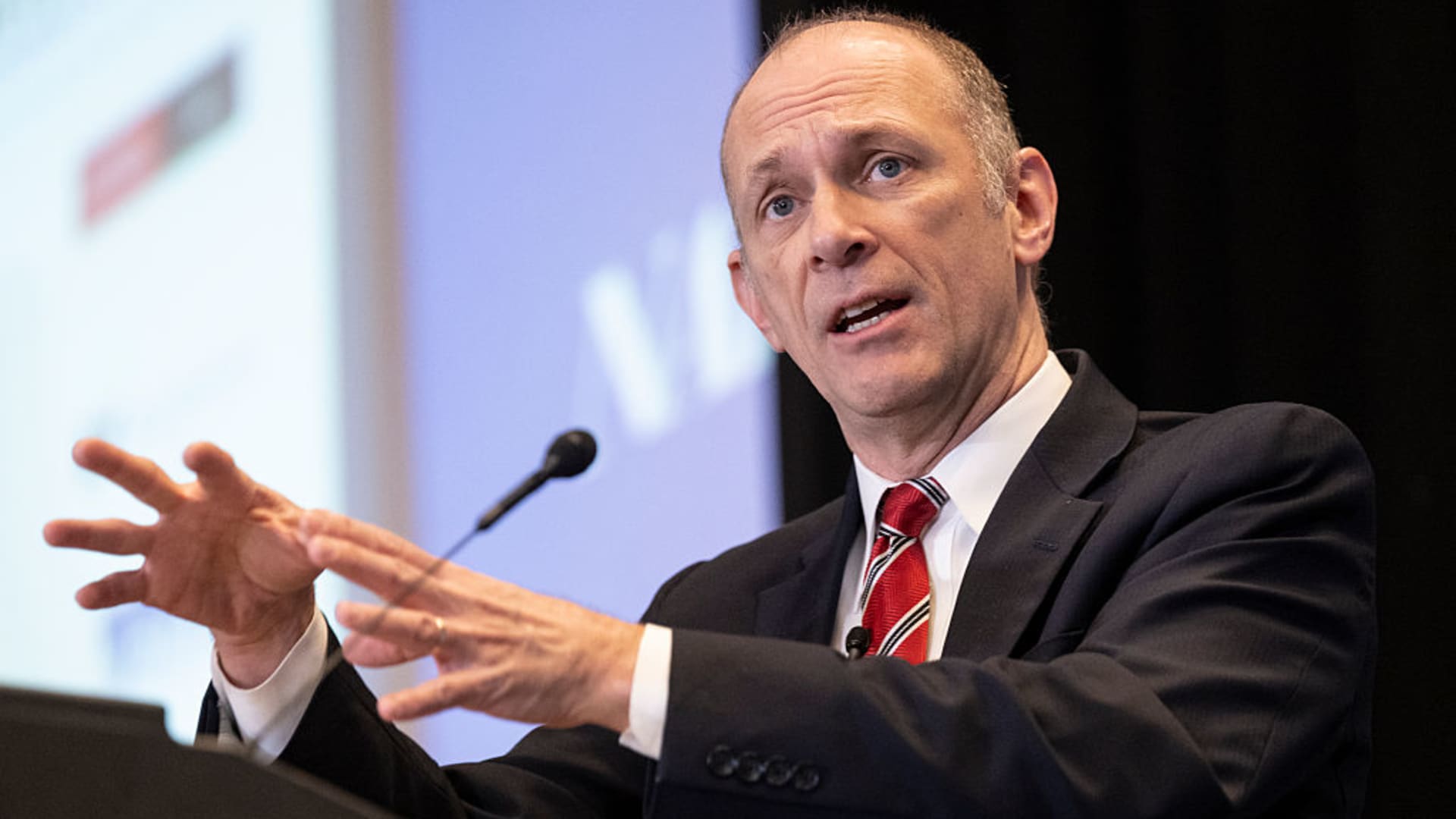
Chicago Federal Reserve President Austan Goolsbee said on Monday that the central bank's key challenge is determining whether elevated inflation will prove temporary or remain persistent, as policymakers weigh the impact of tariffs, geopolitical tensions and underlying price pressures, according to a report by Reuters.Goolsbee further said the U.S. labour market remains stable, allowing the Federal Reserve to concentrate on assessing the inflation outlook. He noted that policymakers are evaluating whether price pressures will ease as the effects of higher tariffs fade and if tensions in the Middle East subside.Inflation remains well above the Fed's 2% target, with recent readings showing little progress toward the central bank's goal. The consumer price index rose 4.2% in May from a year earlier, while the personal consumption expenditures (PCE) price index, the Fed's preferred inflation gauge, was up 3.8% in April.According to Reuters, Goolsbee said the central issue for policymakers is whether inflation, currently running in the 3% to 4% range, is likely to remain elevated or gradually move lower due to temporary factors.His comments come after Federal Reserve Chairman Kevin Warsh said last week that none of the Fed's 19 policymakers had supported raising interest rates at the June policy meeting. Goolsbee did not challenge that assessment and agreed that the central bank should avoid providing forward guidance on the future path of interest rates.Goolsbee remains particularly concerned about services inflation, which has historically been more persistent and is less directly linked to temporary factors such as higher oil prices or tariffs on imported goods.While he acknowledged that some recent inflationary pressures could prove short-lived if tariff effects diminish and geopolitical tensions ease, Goolsbee suggested that continued strength in services inflation warrants closer attention as the Federal Reserve assesses the trajectory of prices in the months ahead.
US Stock Market: Fed's Goolsbee says inflation outlook hinges on tariffs, services prices
Chicago Fed's Austan Goolsbee highlighted the central bank's primary challenge: discerning if inflation's current surge will persist or fade. While the labor market remains robust, policymakers are scrutinizing factors like tariffs and geopolitical tensions. Goolsbee expressed particular concern over sticky services inflation, suggesting it warrants close observation as the Fed navigates the path ahead.
TL;DRAI
Chicago Fed President Goolsbee flags that U.S. inflation at 3-4% depends on tariffs and services prices; CPI at 4.2% YoY shows persistent pressure risks. Tech managers must budget for uncertainty as services inflation—harder to reverse than commodity shocks—drives up SaaS, cloud, and labor costs, delaying capex.
295 words~1 min read