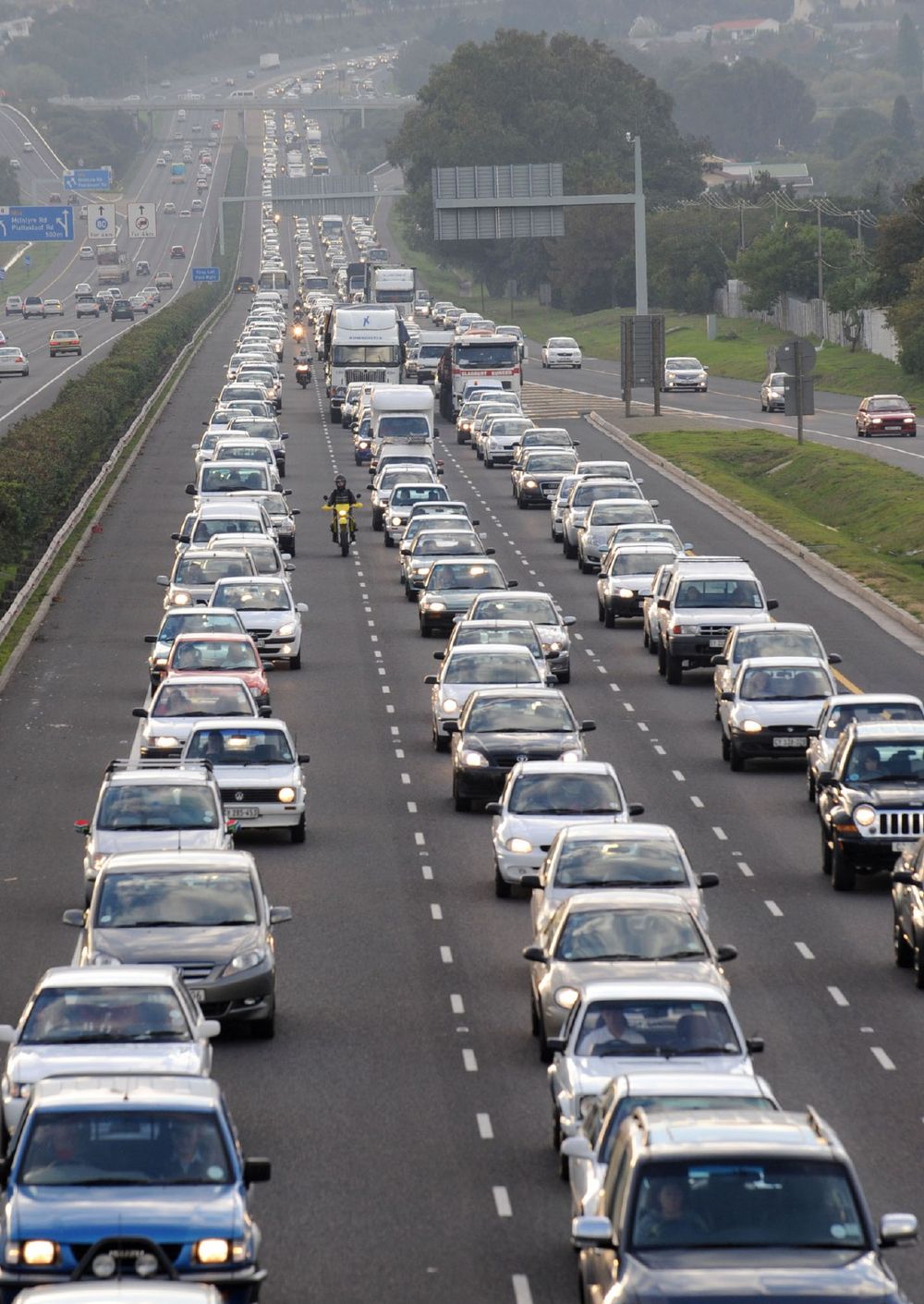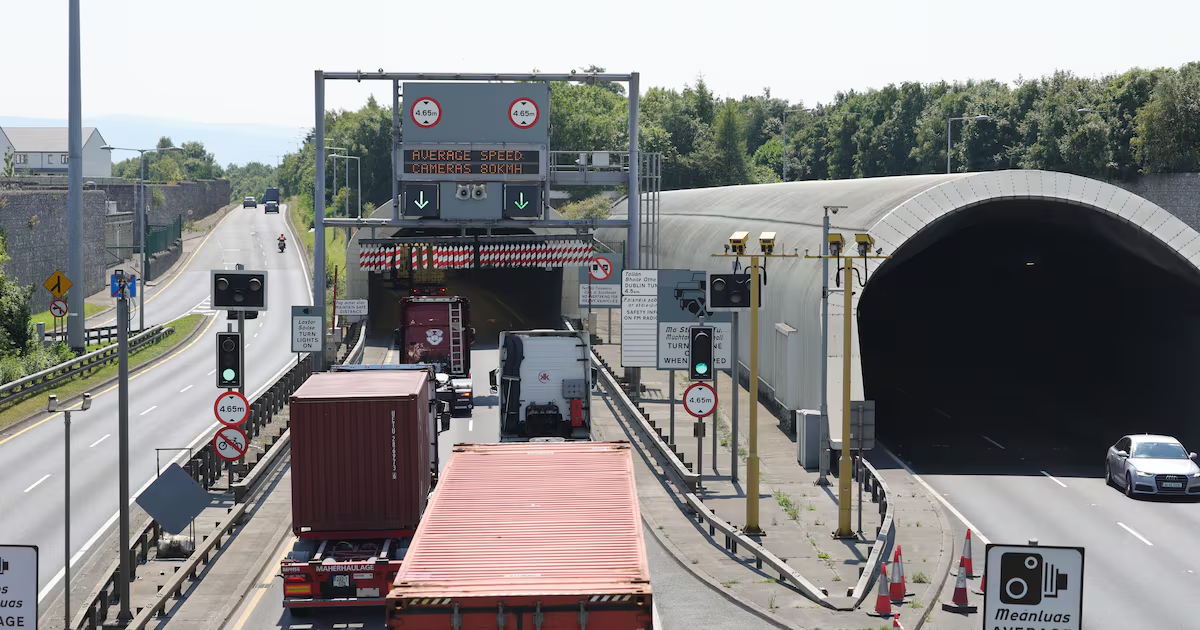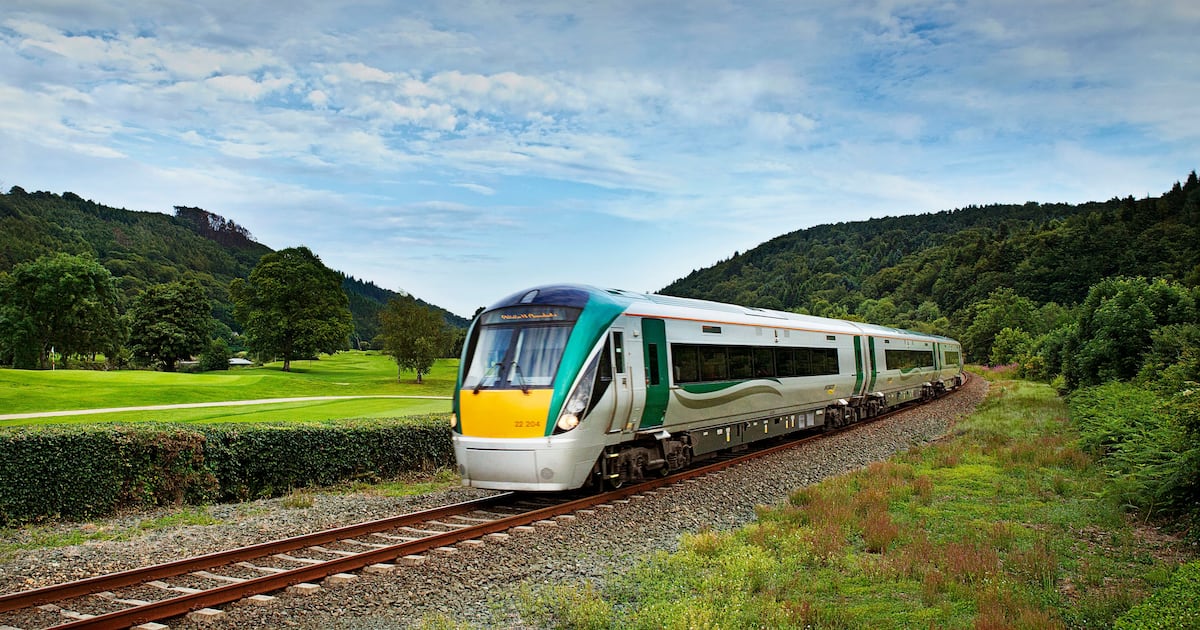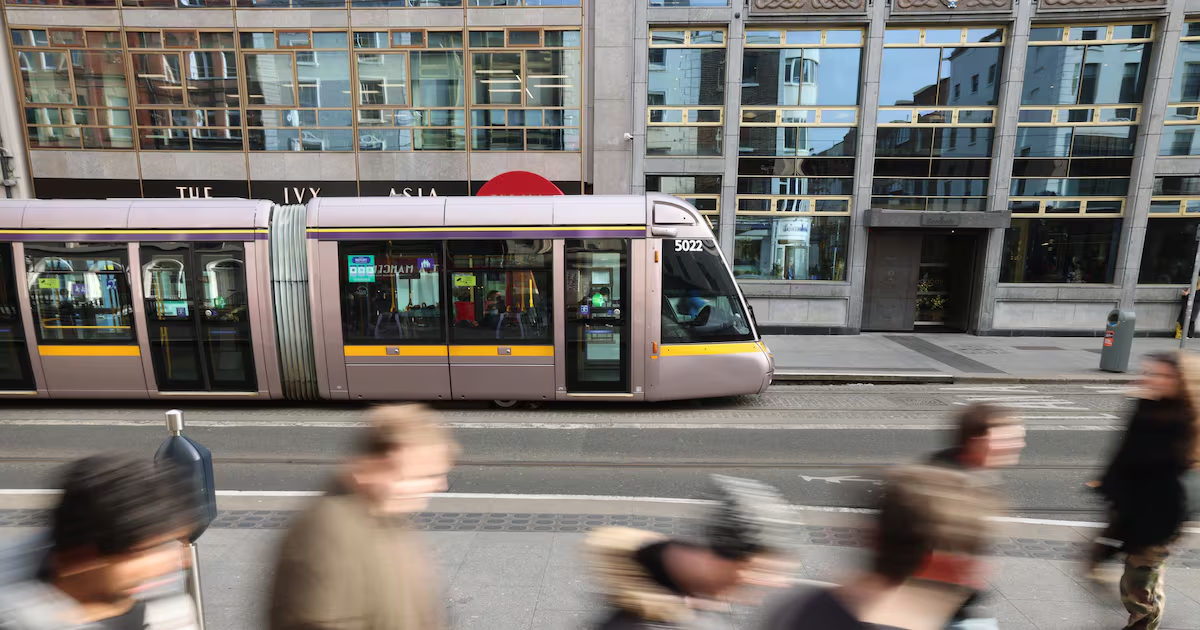
The Centre for Transport Research at Trinity College Dublin has just published a study of 2,000 motorists who frequently use Dublin’s M50. Not surprisingly, the findings of the survey show that over the past twelve months, journey times have increased for the vast majority of respondents. Rising levels of congestion are having severe social, economic and general well-being impacts on M50 users. When asked what the best way would be to alleviate the problem, by far the most popular response was better public transport. And of course as well as leading to quality-of-life improvements, better public transport is essential if Ireland is to reduce CO2 emissions. While there is a consensus that improved public transport is a good thing, the current level of services lags well behind what is needed. Many do operate efficiently. But the existing network is under pressure. The stoppage in Dart and rail services in north Dublin this week because of damage to an overhead line in Raheny shows how vulnerable the city is to any setbacks. There has been no shortage of announcements from the Government over the past few decades about plans to upgrade the transport system, but so far there has been a failure to follow through. The proposed Metrolink is the most obvious example. Plans for a Dublin underground were first published in 2000. All going well, it will eventually be delivered in 2035, at the earliest.The story is repeated elsewhere. It will be 2031 before the Luas extension to Finglas is completed. The Dart+ South West project, which will connect the service to places such as Celbridge and Hazelhatch, has been in the ether for nearly as long as the proposed metro, but – unless current plans change –will not begin construction until 2030 at the earliest. Transport is not the only piece of vital infrastructure that is creaking. Ireland suffers from a lack of housing supply and problems with the energy grid, while water and wastewater facilities are suffering from years of underinvestment.A report from the Oireachtas Committee on Infrastructure and National Development Plan Delivery, published yesterday, has sensible ideas on how to accelerate progress. But the wonder is that many of these – featuring simple measures to increase cooperation and the pace of development – were not put in place years ago. Similar proposals are in the Government’s infrastructure plan and must be progressed.The political centre is under pressure and the failure of governments to deliver essential public infrastructure is an important part of the mix, nowhere more so than in Ireland. It leaves citizens dissatisfied and allows political opportunists to blame migrants. There are signs over recent months that the Coalition recognises this. But the problem is that delivery – if it can be achieved – will, by its nature, take considerable time.
The Irish Times view on public transport: the high price of chronic delays
There are regular announcements about upgrading public transport, but follow through is slow
465 words~2 min read