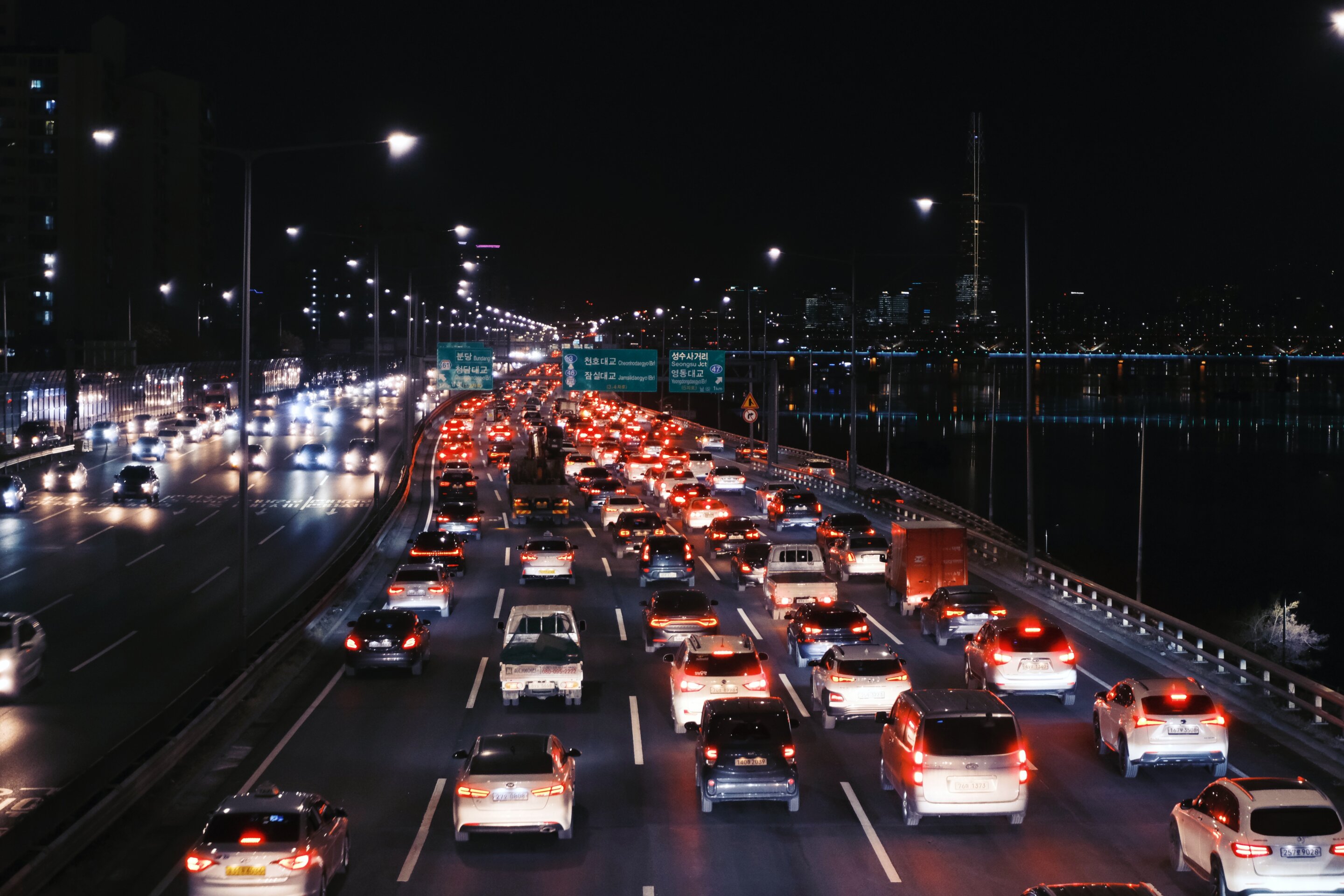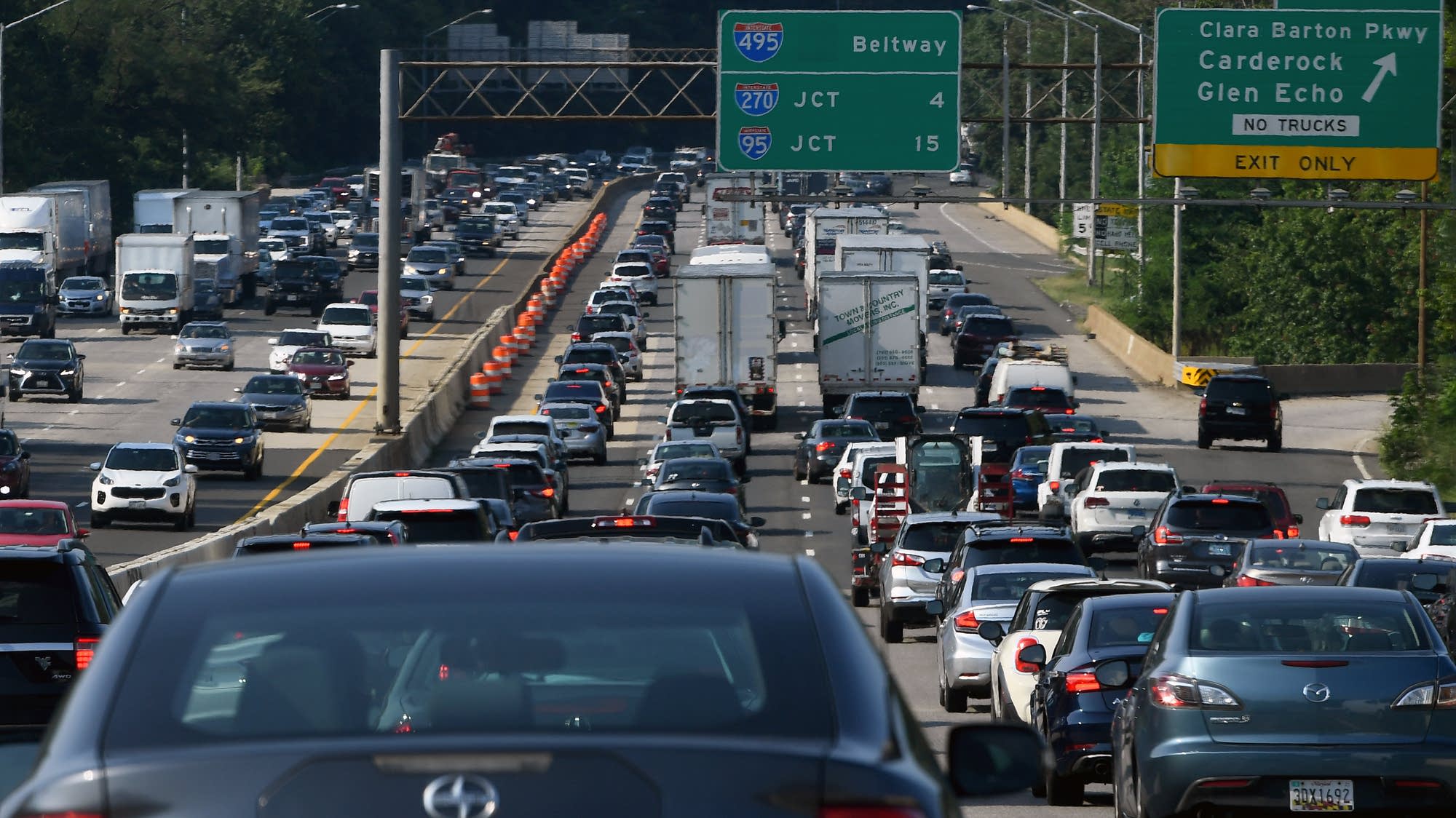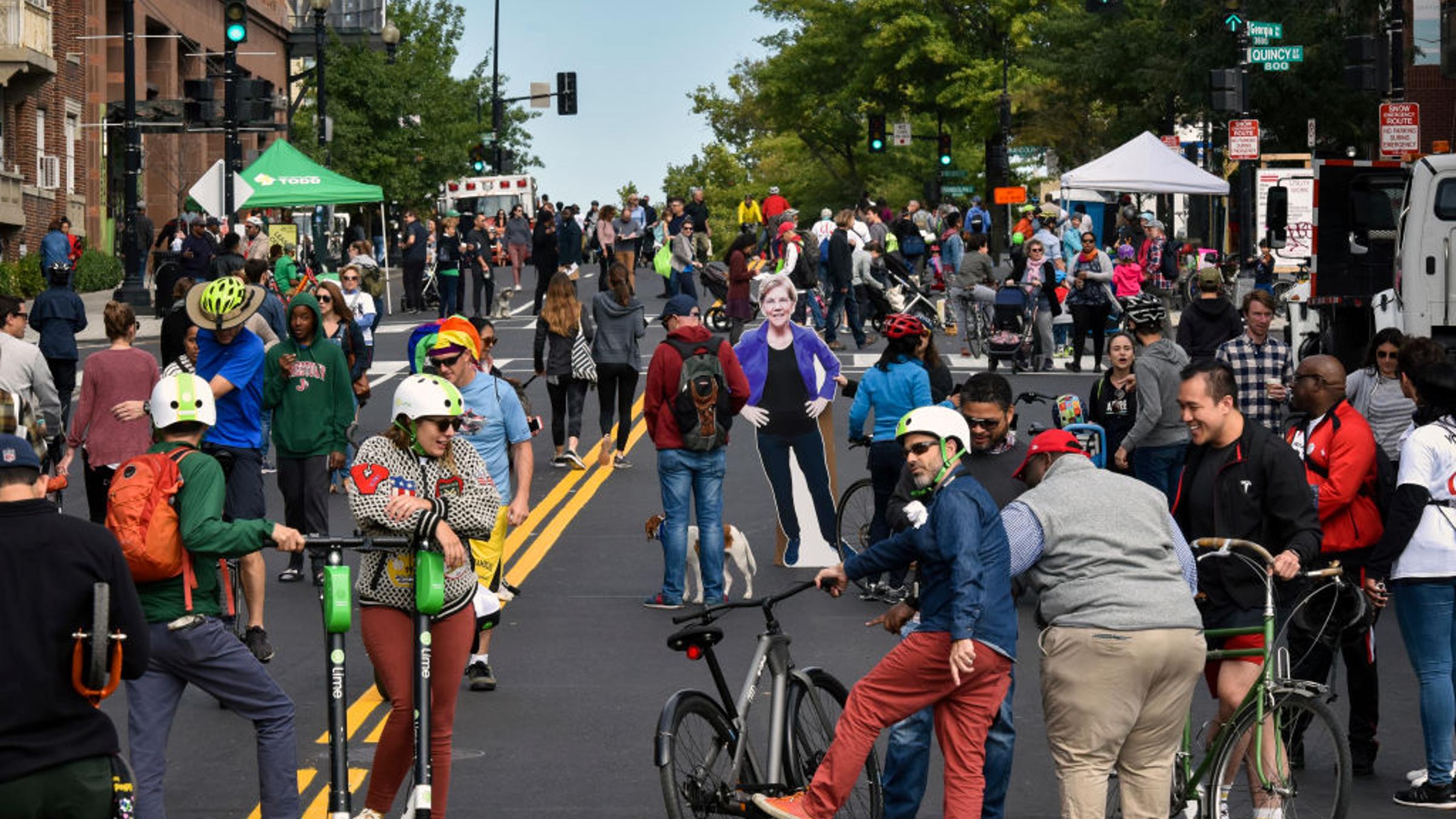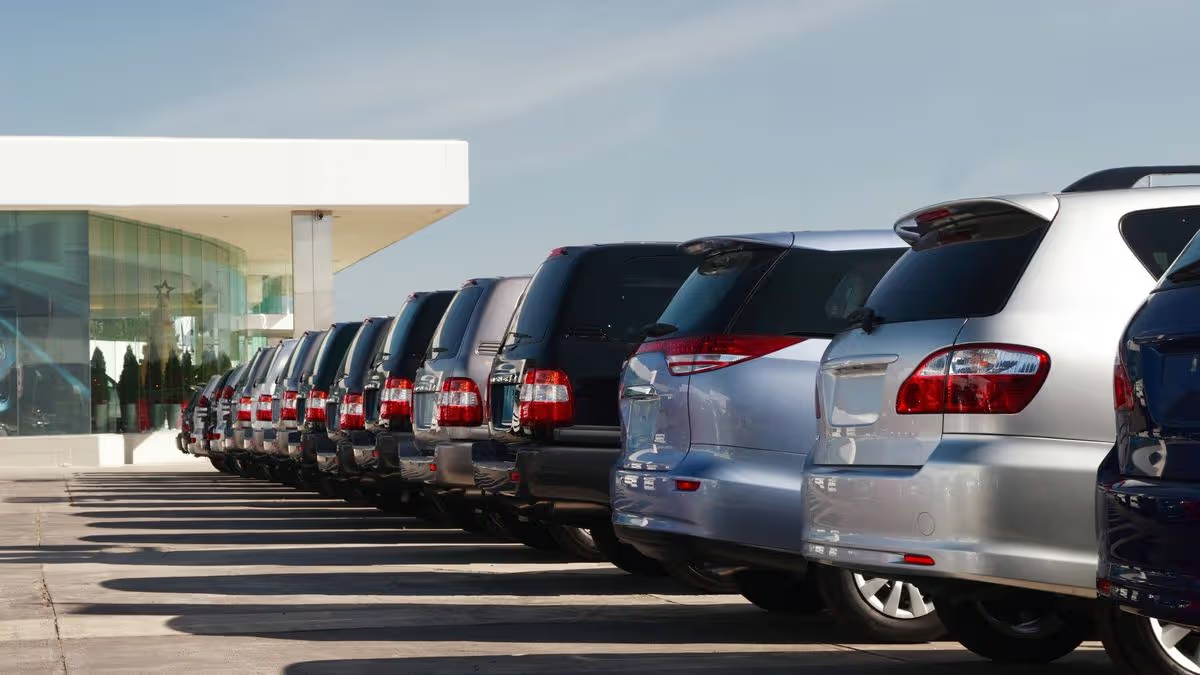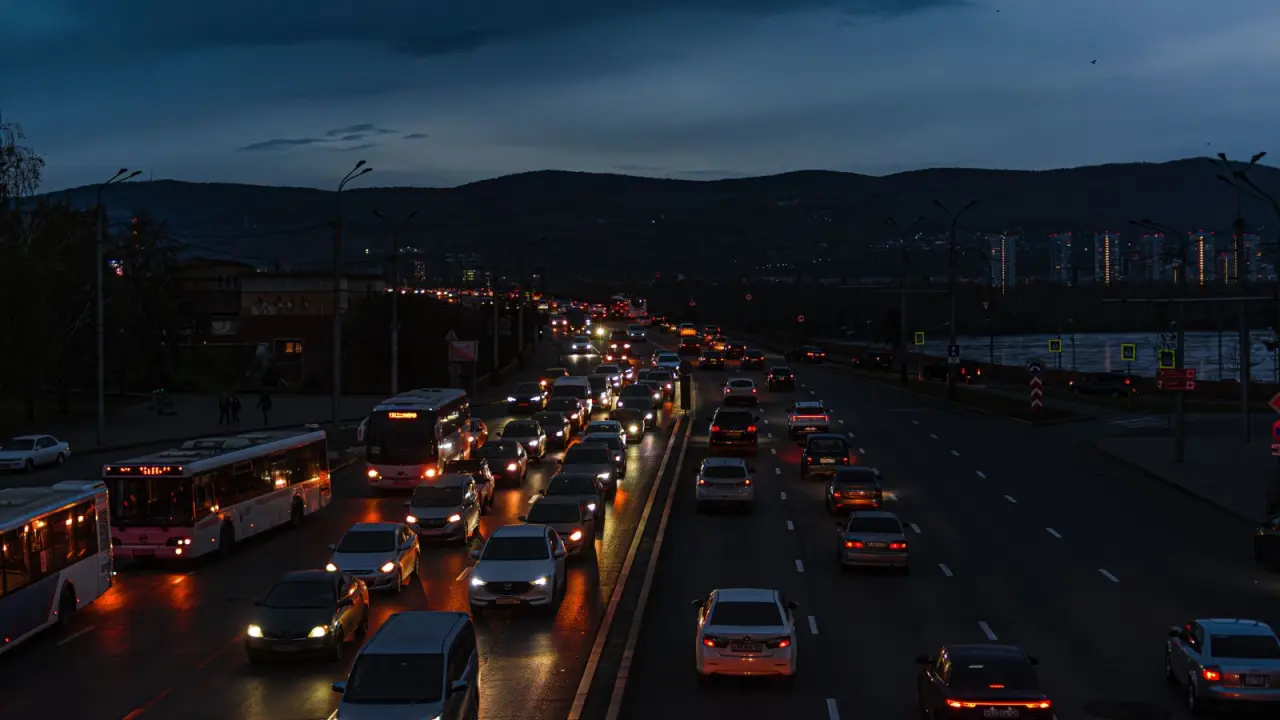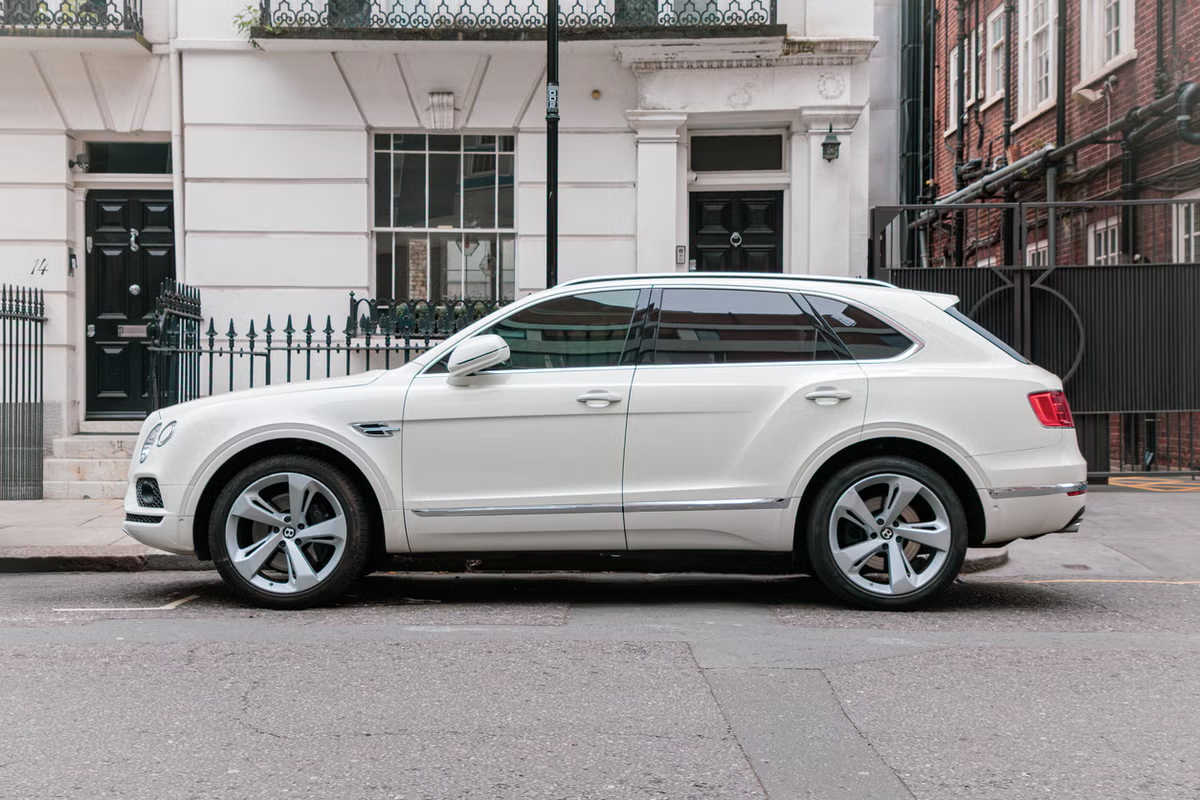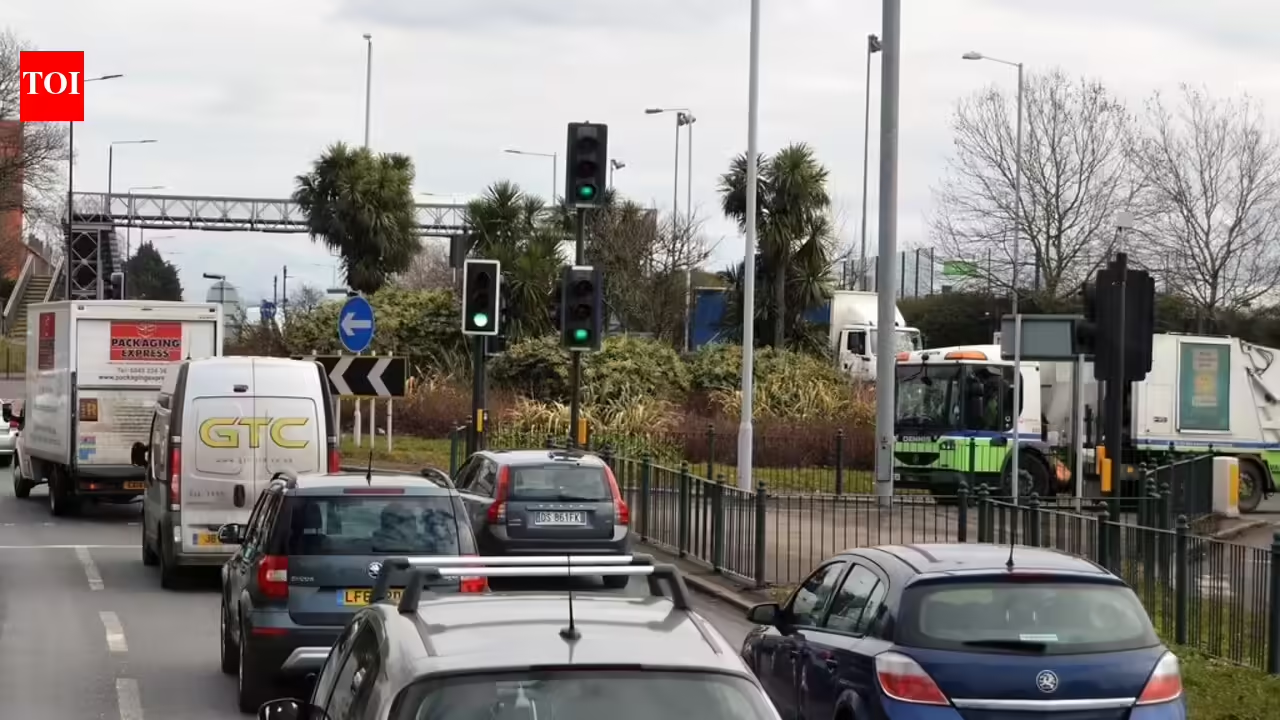
New research reveals a surprising link between increased car traffic on residential streets and a decline in neighbourhood safety. Studies show that more vehicles can erode community vigilance, leading to higher rates of disorder, property crime, and violence. Image Credit: Wikimedia CommonsIf we consider the impacts of congestion on busy city roads, there are certain thoughts that immediately come to mind. We picture a series of cars stuck in traffic at rush hour, clouds of exhaust from all those vehicles shrouding the midday sky, and the constant noise made by the running engines in what would otherwise be a quiet morning. In terms of urban planning, heavy vehicle traffic has always been considered only as an environmental problem or an inconvenience. The prevailing thought has always been that the busy road merely means bad planning and affects only our schedule and air quality.But a new look into neighbourhood dynamics suggests that the constant stream of cars rolling past our front doors might be leaving a darker mark on local community life. Urban researchers are examining a possible link between the volume of cars on the road and the social health of the families living along those routes. It may be that when a residential street transforms into a busy thoroughfare, the community loses something far more valuable than quiet afternoons. The constant movement of vehicles may create social friction that can erode the informal safety nets built by residents.This surprising link between the number of vehicles and neighbourhood safety is highlighted in a study in Kriminologie. As part of the study conducted by the data scientists Jose Pina-Sanchez and Toby Davies, the long-term history of tens of thousands of families in England, Scotland, and Wales was analysed. By correlating changing travel trends along with regional surveys about safety over a long period of time, the researchers discovered that the rise in local vehicle numbers leads to increased feelings of disorder in the neighbourhood, property crimes, and violence.How a wave of metal undermines community vigilanceIn order to explain the reasons why such a trivial change like an increase in car traffic negatively impacts the safety of the community, it is necessary to consider how communities usually protect themselves. Sociologists use the concept of collective efficacy, which stands for common understanding and readiness of neighbours to act when something dangerous happens. Residents of a calm and pedestrian neighbourhood watch the street while watering flowers, sitting on their porches, or visiting a grocery store near them.The findings shared in the research by Jose Pina-Sanchez and Toby Davies reveal that a sudden influx of motor vehicles acts as a physical and psychological barrier to this natural neighbourhood protection. As streets become noisier, more dangerous to cross, and heavily polluted, residents may retreat indoors, closing their windows and spending less time in public spaces. This emptier streetscape may weaken the informal protective gaze of the community, leaving residential properties more vulnerable to daytime burglaries, opportunistic property damage, and public misconduct.In light of the data models that have been presented in the paper on Kriminologie, it appears that the reason for the drop in safety levels might be caused by changes in people's behaviour. If people find themselves segregated from their community because of the fact that their streets are car-oriented, then it becomes more difficult for them to ensure order in the area where they live. Lack of social contact and connection can create an environment where small acts of anti-social behaviour can develop into something more.Conversely, implementing low-traffic designs in cities like London has demonstrably reduced street crime, as residents reclaim public spaces and re-establish informal neighbourhood watch. Image Credit: Wikimedia CommonsThe silent safety revolution of low traffic designsWhereas increased car numbers can put stress on the social structure of a community, certain actions undertaken by the urban planning authorities could help address at least some of these issues. As it turns out, when cities work hard to regain their residential streets from the through-traffic, the consequences go well beyond just cleaner air and less noise.This positive environmental turnaround is documented in an extensive city-wide evaluation published in Transport Findings. The analytical report, authored by researchers Anna Goodman, Anthony A. Laverty, and Rachel Aldred, studied the immediate social impacts of low-traffic zones across London boroughs during the pandemic. By installing physical barriers such as planters and gates to stop commuters from using residential streets as shortcuts, the initiatives reduced neighbourhood vehicle counts.The statistical outcomes of the London study suggest that reducing vehicle traffic was associated with an immediate drop in local street crime, without clear evidence of displacement to neighbouring areas. In fact, total street crime fell within the low-traffic boundaries, with outer boroughs also seeing declines in property offences and assaults. When traffic decreased, residents returned to the sidewalks, re-establishing the casual everyday guardianship that can help keep a community safe.
More traffic may be doing more than clogging streets in England, Scotland and Wales, as a study linked rising vehicle traffic to higher perceived crime and weaker community guardianship
If we consider the impacts of congestion on busy city roads, there are certain thoughts that immediately come to mind. We picture a series of cars stuck in traffic at rush hour, clouds of exhaust from all those vehicles shrouding the midday sky, and the constant noise made by the running engines in what would otherwise be a quiet morning.
808 words~4 min read