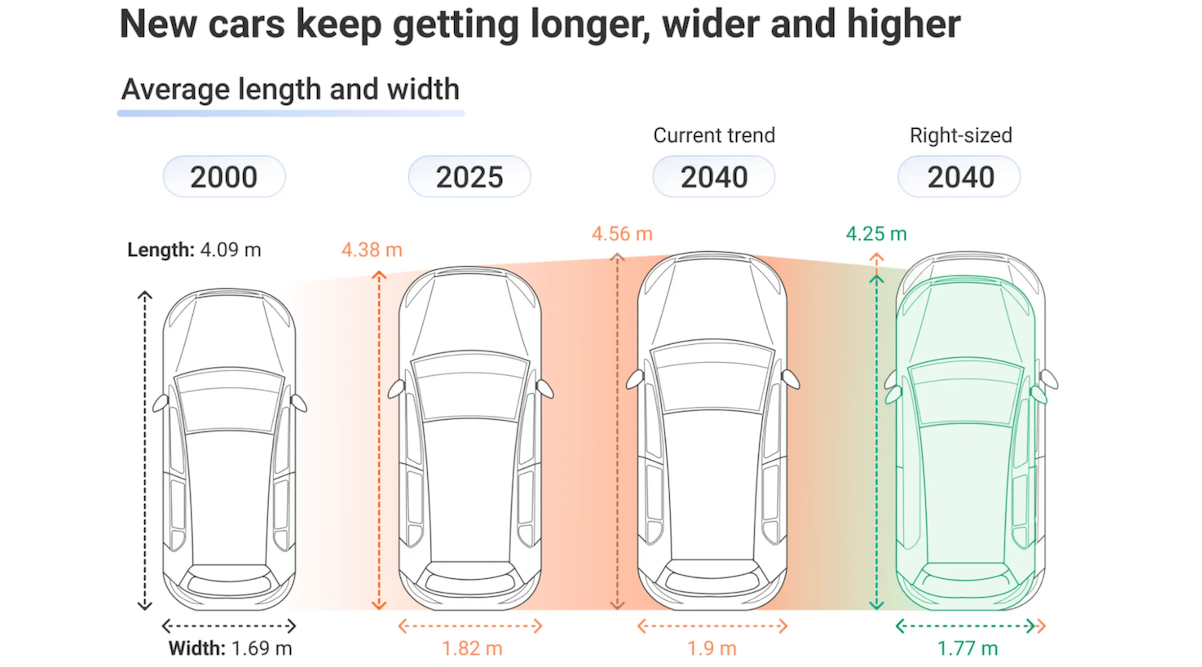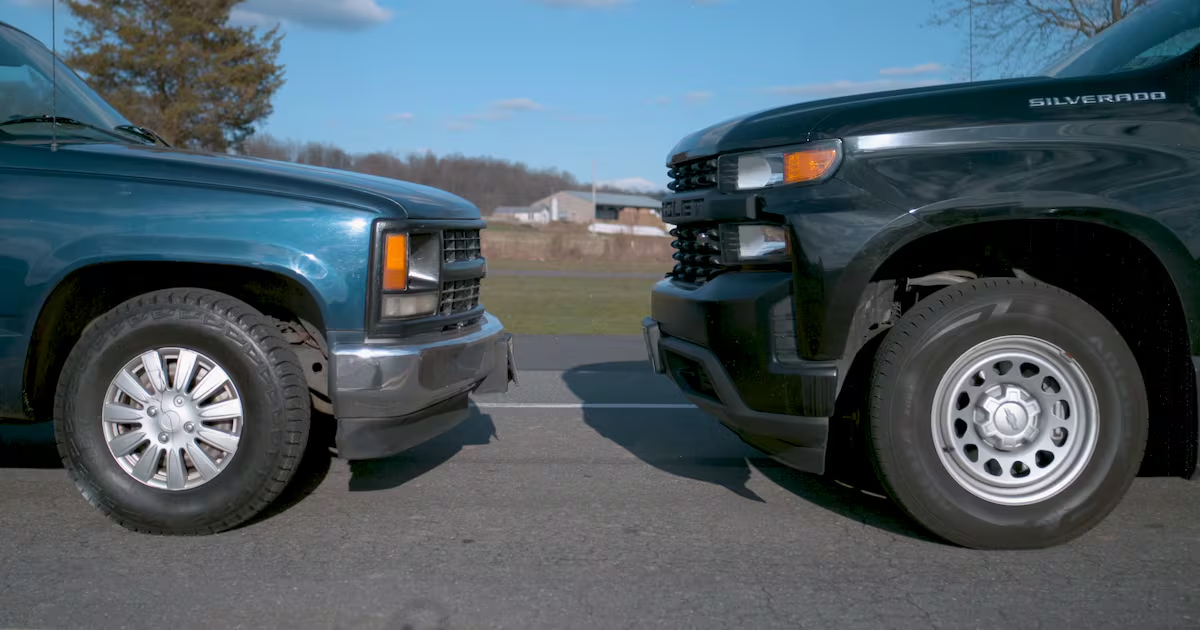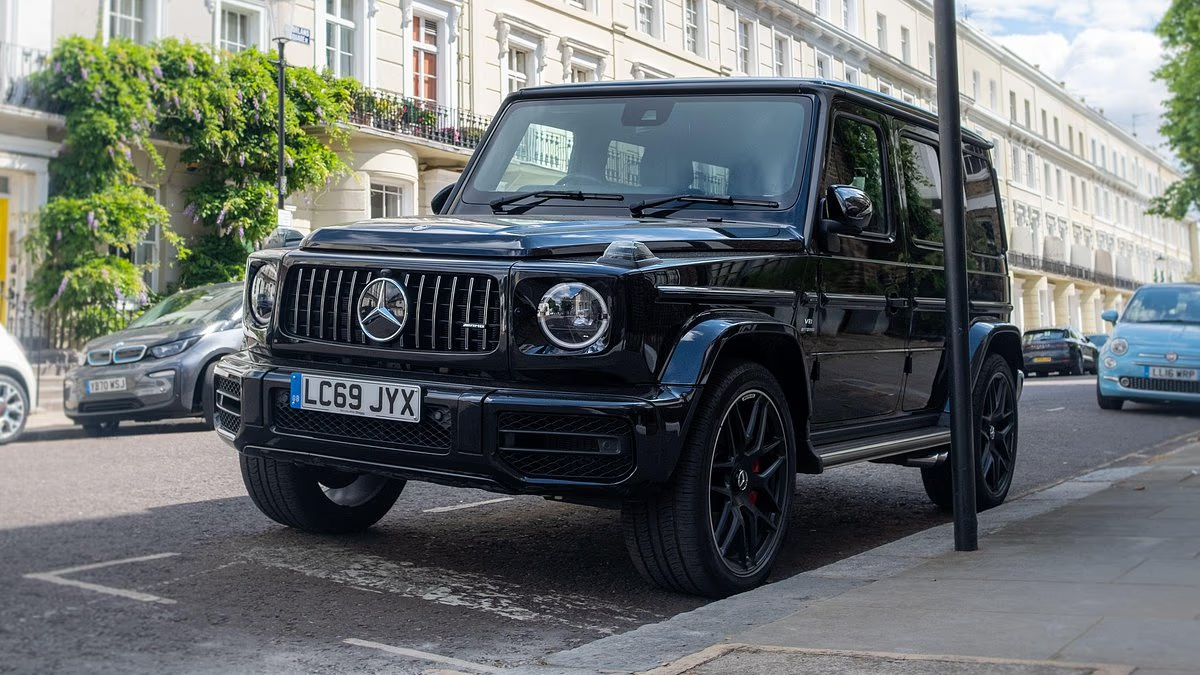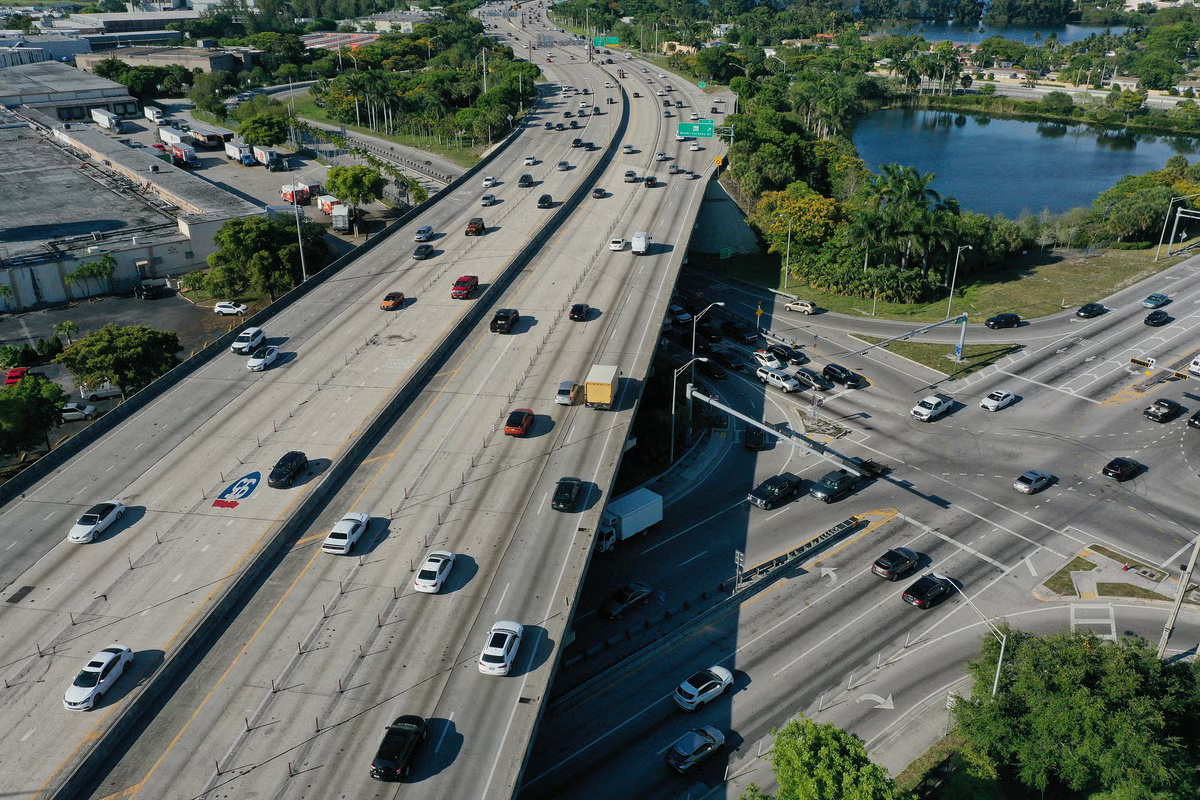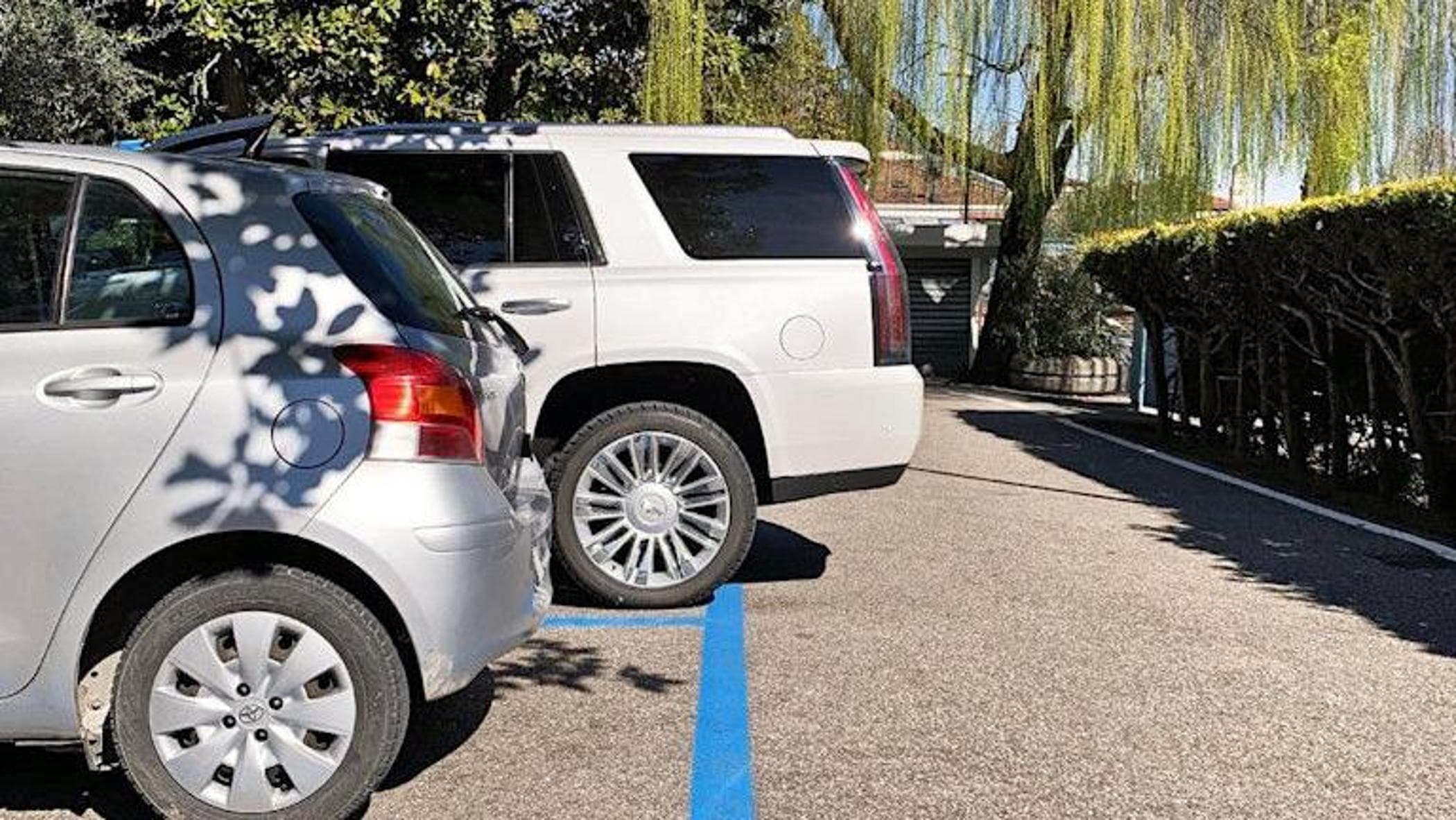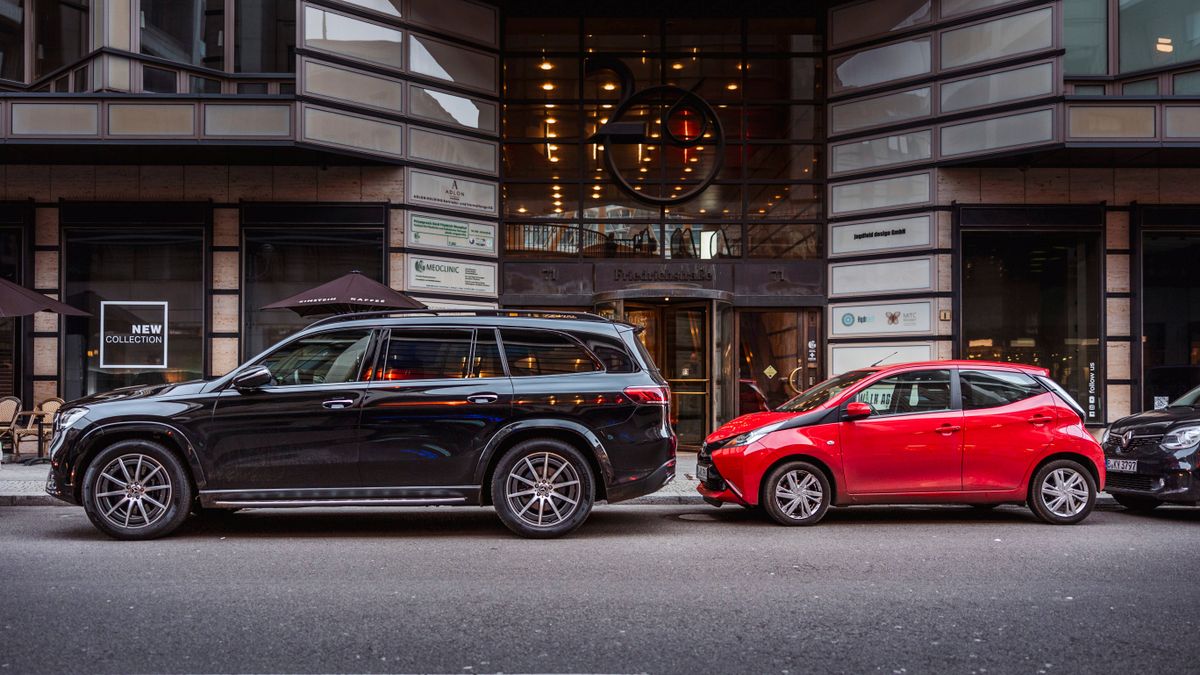
Research suggests increasing car size means an additional 400 vulnerable road users will be killed on Europe's roads by 2040. Photograph: Getty Images Neil BriscoeTue Jun 23 2026 - 23:00Increased average car sizes are putting a squeeze on the number of parking spaces in Irish cities, while also placing pedestrians at higher risk of injury.That’s according to eco-focused think tank Transport & Environment (T&E) which estimates that 14 per cent of on-street parking spaces will be erased because cars are becoming too big to fit between existing lines.In Dublin, it says, that would lead to an estimated loss of 1,700 to 2,700 spaces, with “tens of thousands” of spaces potentially lost across the country.The research also suggests that an additional 400 vulnerable road users – mainly pedestrians, cyclists and motorcyclists – will be killed on European roads by 2040 because of the increased average car size. The figure is based on projections using data from Eurostat and the UK department of transport.“Car manufacturers have pursued a strategy of larger, more profitable vehicles over smaller models,” said Lucien Mathieu, cars director at T&E. “After 25 years of relentless growth, our roads are increasingly dominated by huge SUVs that pose a physical danger to everyone else.”In 2010, according to T&E’s figures, the average lip of a bonnet stood 77cm off the ground, or at about mid-thigh height. Now, the figure is at 84cm, much closer to hip-height, or above, for many.This matters because of what happens when a car strikes a pedestrian. If a person’s legs are hit low down it may involve broken bones, but the likelihood is that they will be flung on to the car’s bonnet, which is designed to absorb the impact for the upper body and head. Many cars have bonnets that are “popped-up” by an emergency airbag in such situations, further mitigating the impact. With a higher front end, instead of being flipped up on to the bonnet, the pedestrian is flung forwards and hits the road with their head, often leading to catastrophic injury and a higher chance of death. [ Coalition keen to avoid sharp rise in fuel prices over summer when excise reductions expireOpens in new window ]By 2040, it estimates that the average bonnet lip will be 92cm off the ground, making the likelihood of lethal injuries even greater.T&E lobbies at EU and government level on environmental issues and is funded by, among others, the European Climate Foundation and the Schwab Charitable Fund. It notes the EU’s Vision Zero goal of reaching zero road transport fatalities by 2050, but says unchecked growth of car size will have “severe consequences” for road safety.Should cars continue to get bigger, there could be an additional 2,500 adults and 79 children killed over a 15-year period, T&E says.Damien O’Tuama, national cycling co-ordinator at An Taisce, said Ireland’s residential and urban streets are “turning more into giant car parks, as cars grow longer, wider and higher”.“There is less and less space for those on foot or on bikes. This has to change, particularly as more children grow up in cities compared to years ago. Cars and spaces for cars need to shrink, not grow, if we are to have safe and convivial neighbourhoods.”[ How can Ireland solve its dismal electric vehicle charging infrastructure?Opens in new window ]T&E is calling for EU legislation to limit the size of cars. It proposes a bonnet height cap of 85cm and a width cap of 192cm, which is to ensure cars leave more room for pedestrians and cyclists. National tax policies should be reformed to “actively discourage the purchase of oversized vehicles”, said T&E, which also called on independent crash test experts Euro NCAP to introduce a new element to its safety testing: how easy it is to see a child in front from the driver’s seat of the vehicle.However, the rise of automated emergency braking systems may be giving car makers a way of swerving calls for smaller cars, as many of the bulky and large SUV models which Euro NCAP has tested return impressive “vulnerable road user protection” scores. Buying habits may also be hard to change. A survey by Swansea University showed that even when car buyers were shown cigarette-style warnings on SUV advertising, noting how much more likely someone struck by such a car was to be killed, 95 per cent said they still wanted to buy one. IN THIS SECTION
Bigger cars are costing Irish motorists parking spaces and threatening lives, study finds
Research shows 14% of on-street car parking spaces will be erased by ever bigger cars
734 words~3 min read