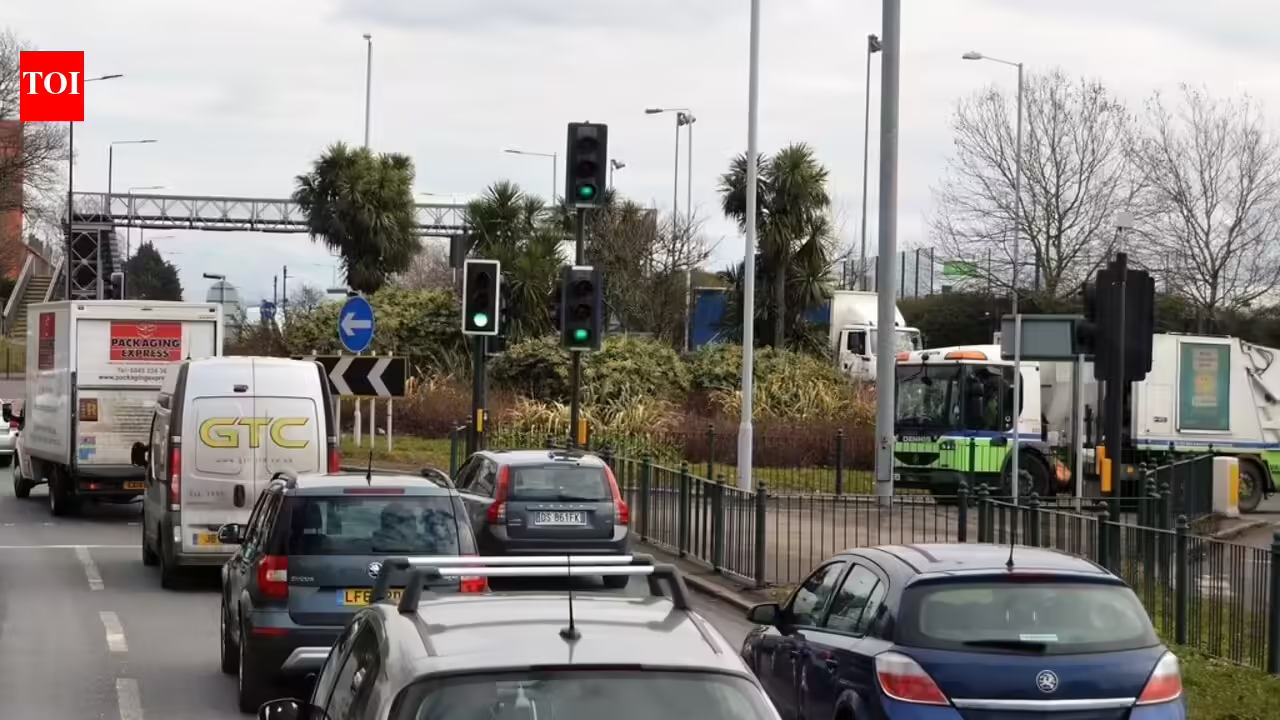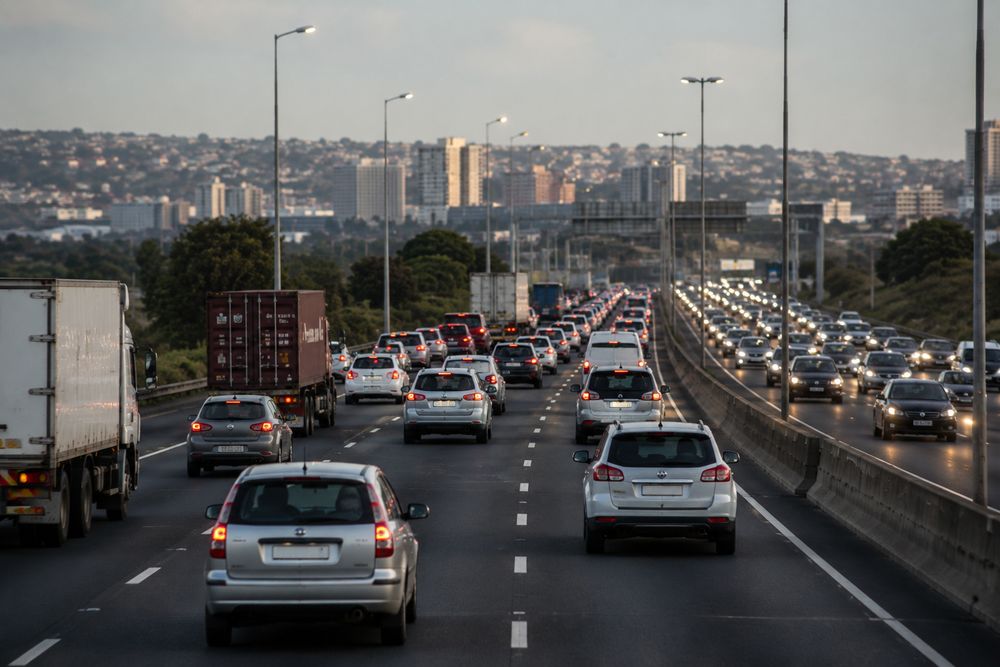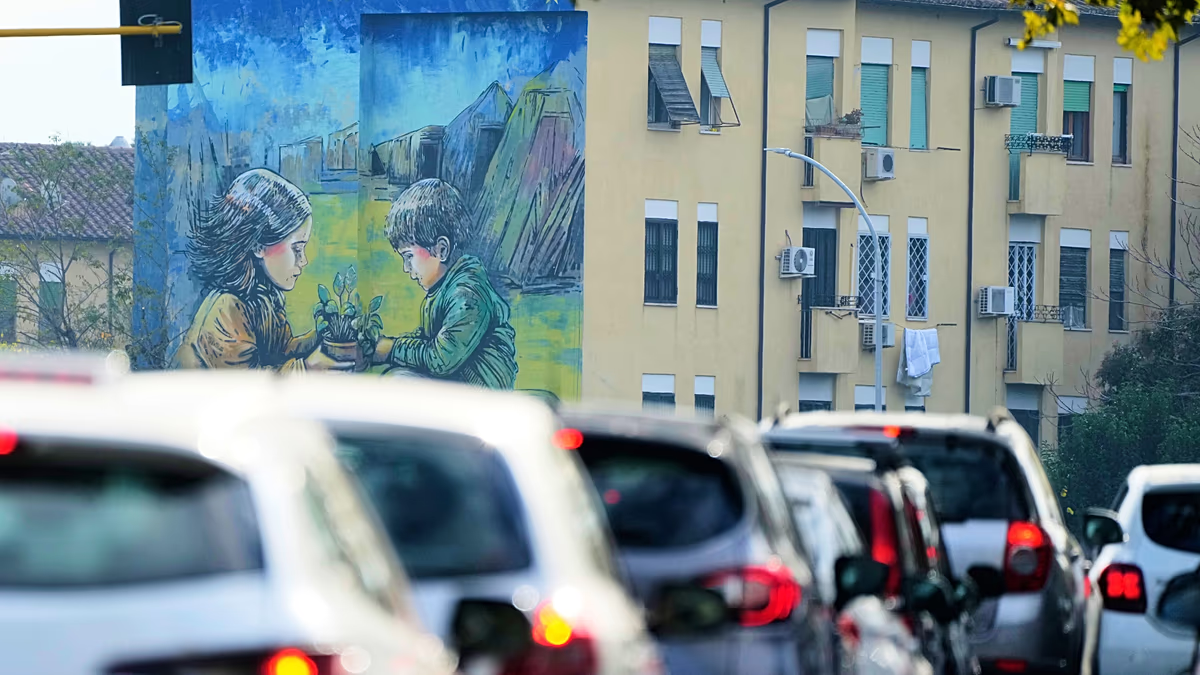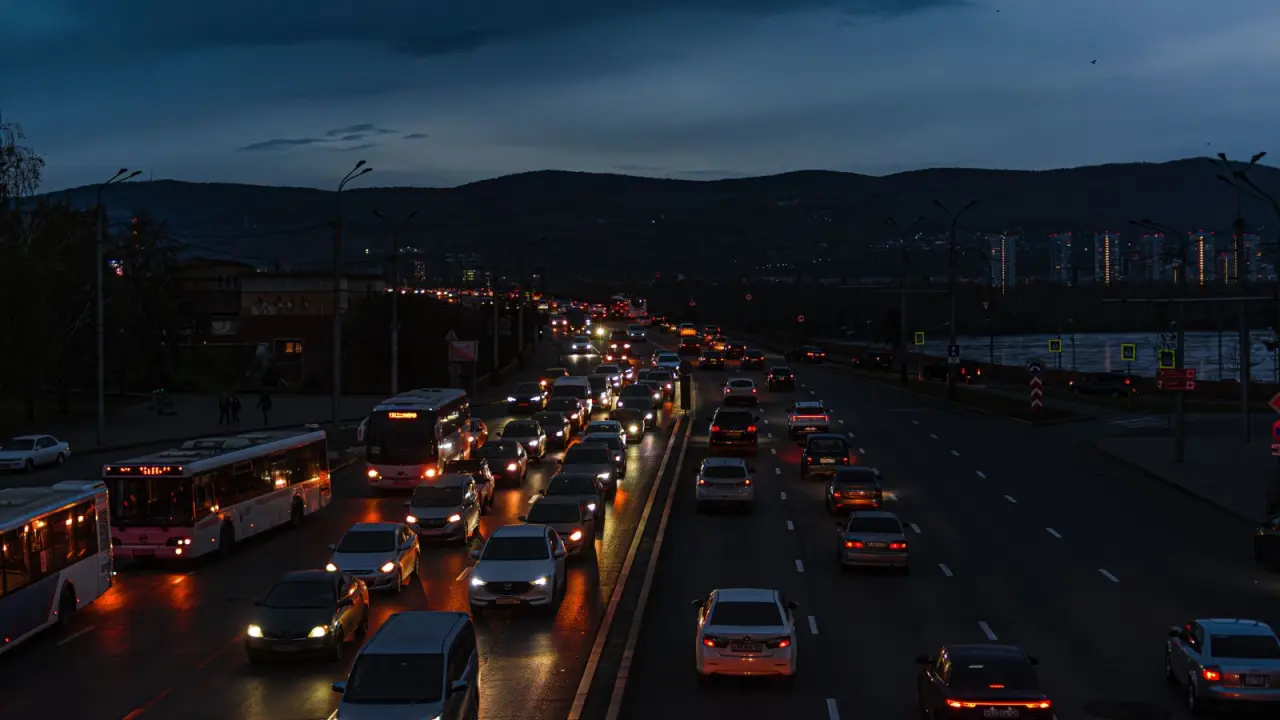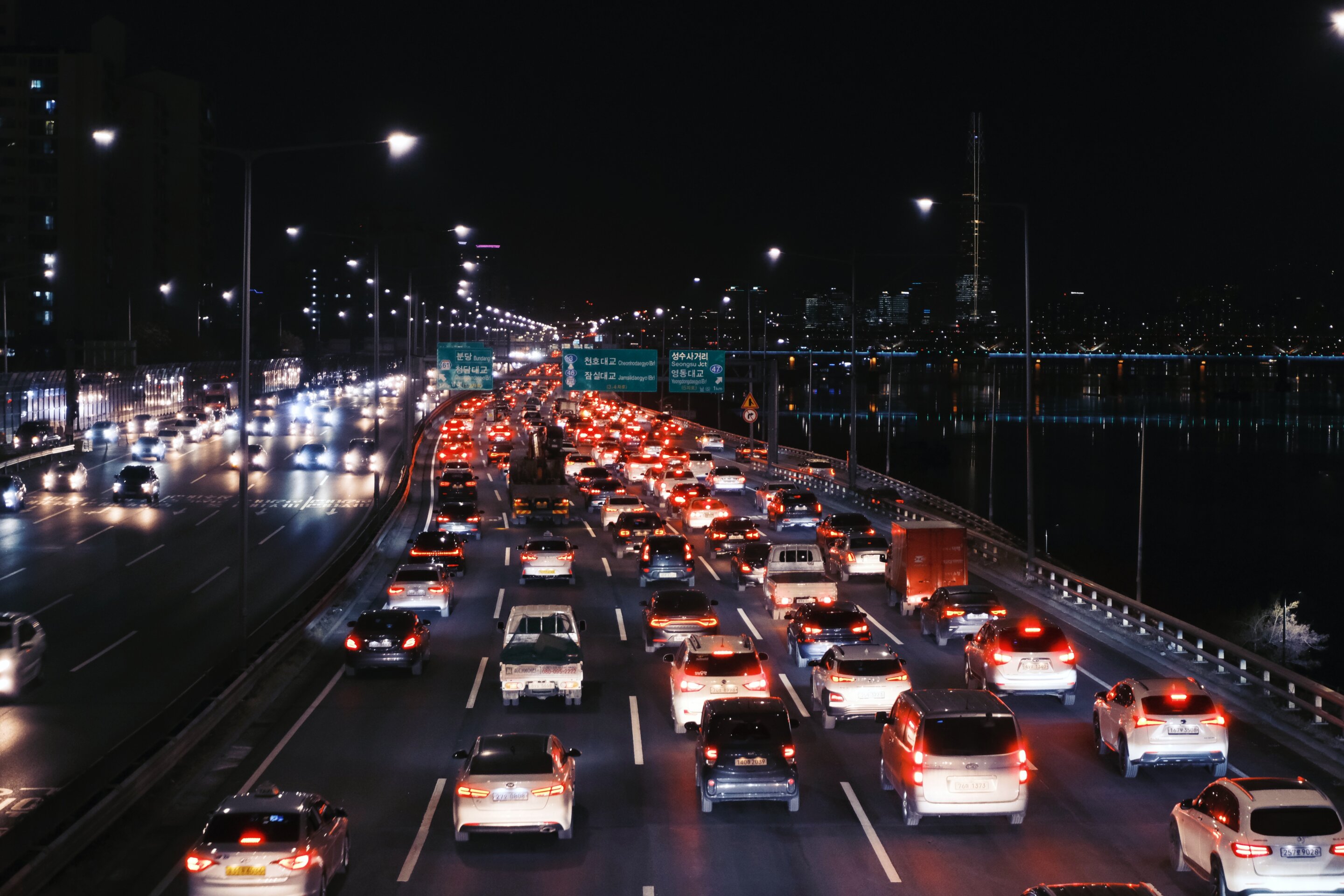
Picture a busy road running through a residential neighborhood. The noise, the fumes, the danger to cyclists and pedestrians—all familiar concerns. But here is one you might not have considered: Traffic may also be making your street more prone to vandalism, burglary and violence.
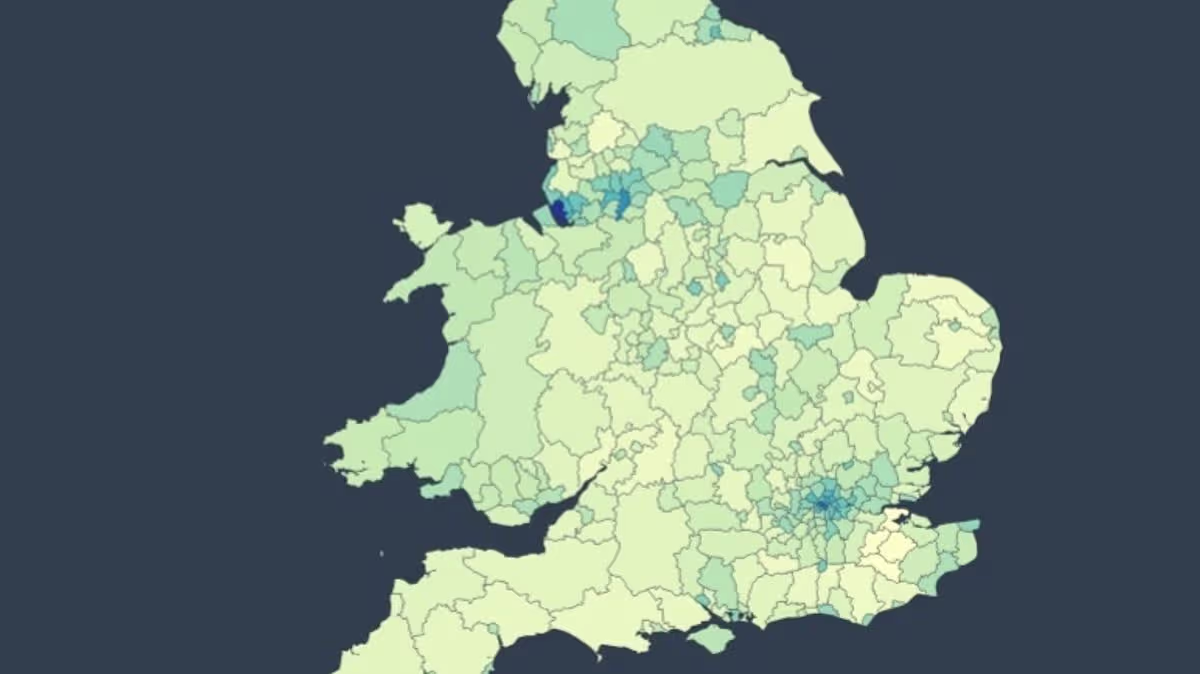
That is what our new research, using data from tens of thousands of households across England, Scotland and Wales, suggests. We found that when motor traffic increases in a neighborhood, residents' assessments of street crime go up.
At first glance, there is no obvious reason traffic should influence crime. However, a closer look at crime theory reveals several plausible pathways.
The most direct mechanism is guardianship: the idea that everyday surveillance by residents and passersby helps keep crime in check. Influential American urbanist and activist Jane Jacobs famously called this "eyes on the street."
While it might seem that traffic provides a ready supply of guardians in the form of drivers, their deterrent effect is negligible. Instead, heavy traffic undermines guardianship in multiple ways: Wide roads and parked cars fragment public space and obscure sightlines, outsiders are less likely to stand out and, if traffic discourages walking, there are fewer genuine guardians to keep an eye on things.