offbeat
Scientists remain skeptical, plead for someone to bring the rocks home
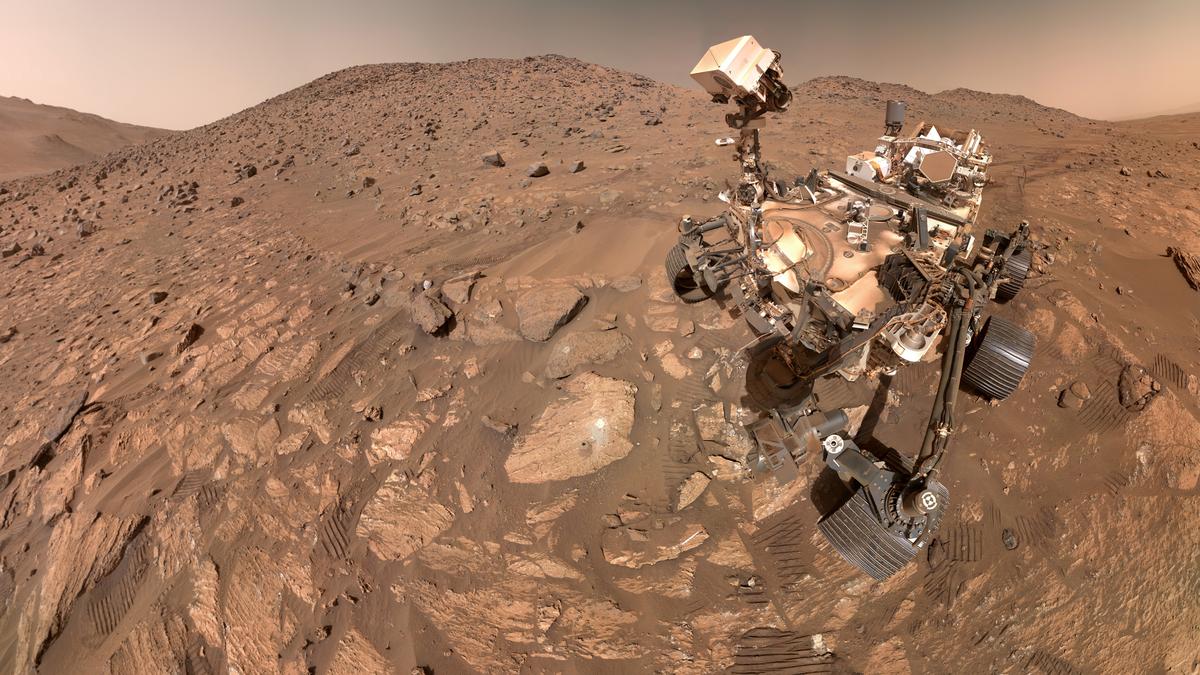
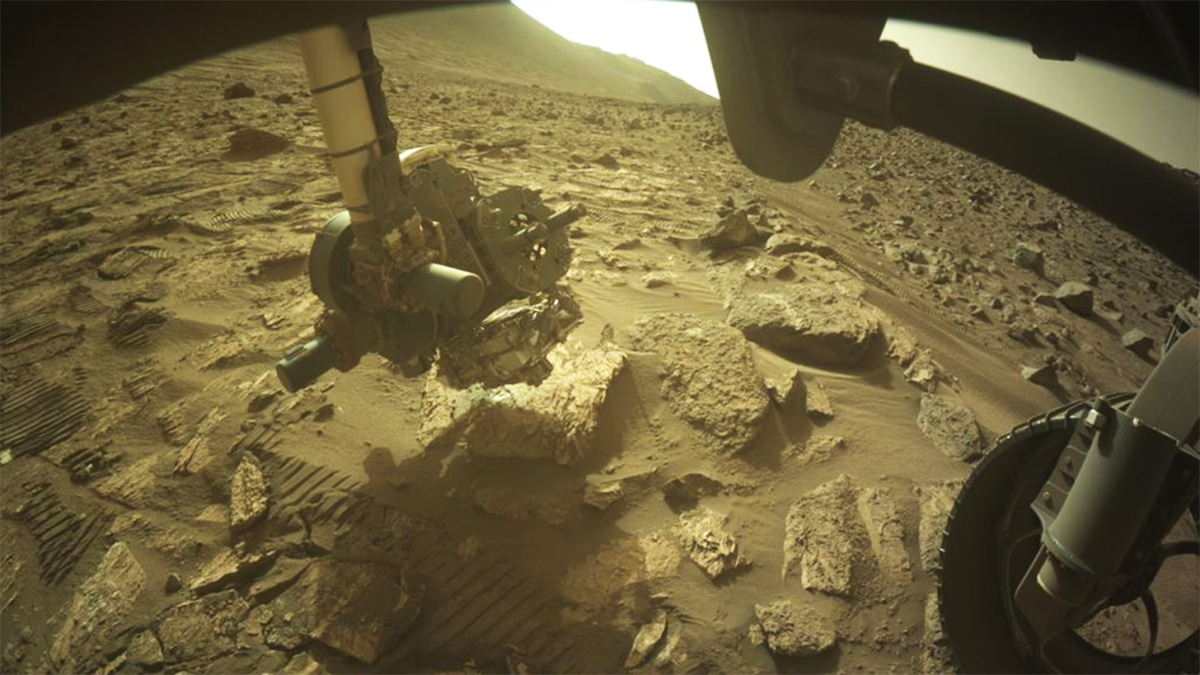
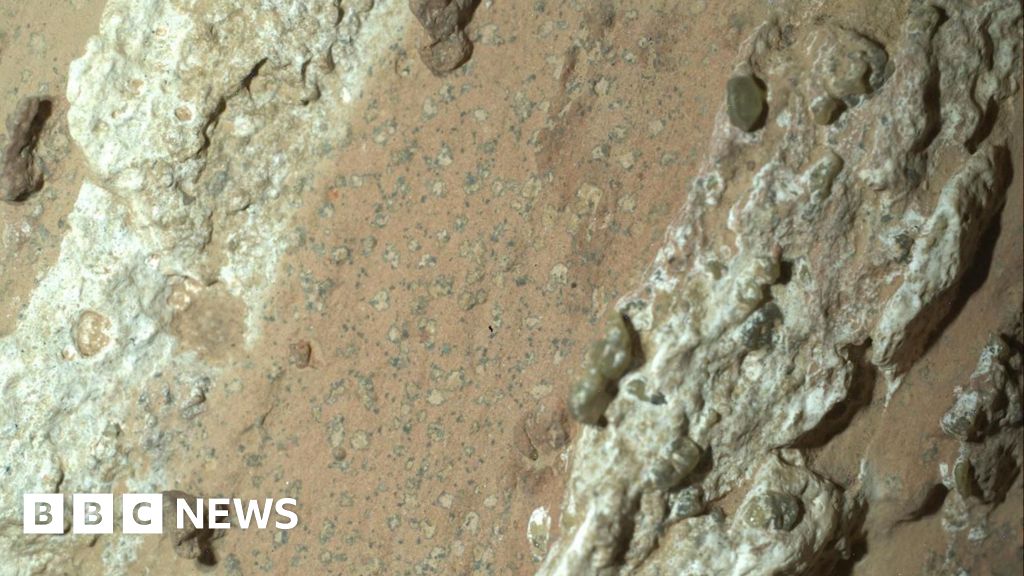
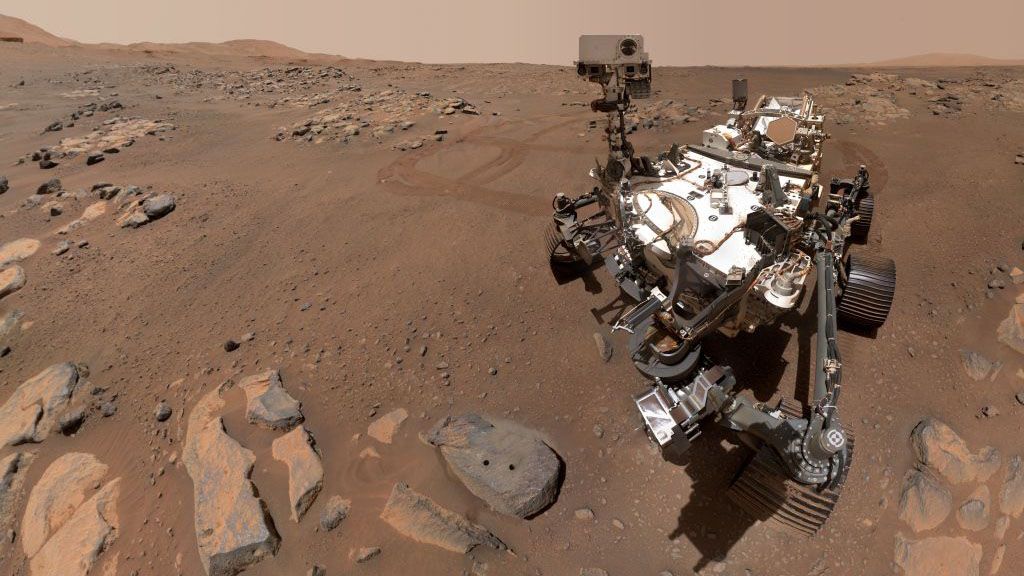
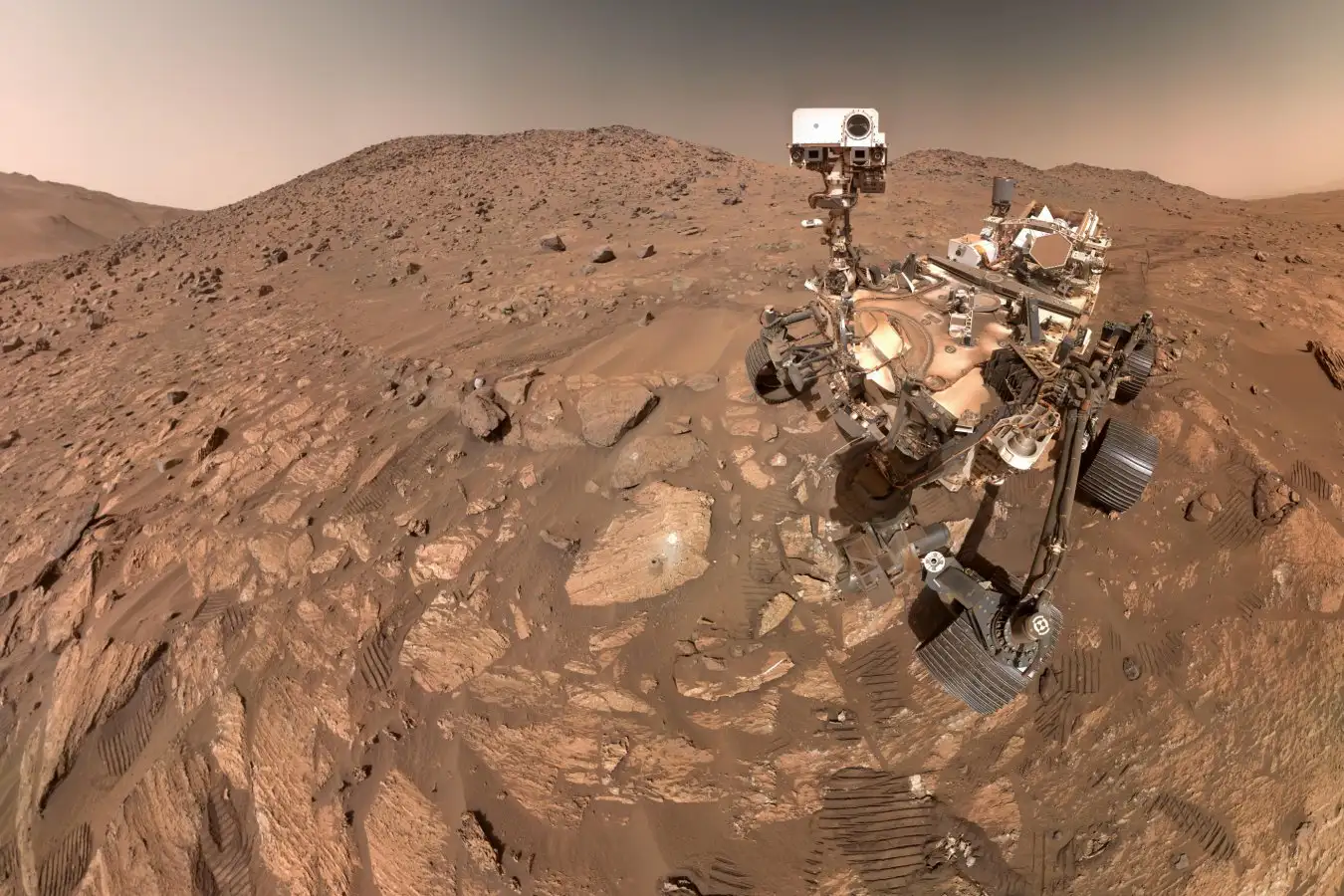
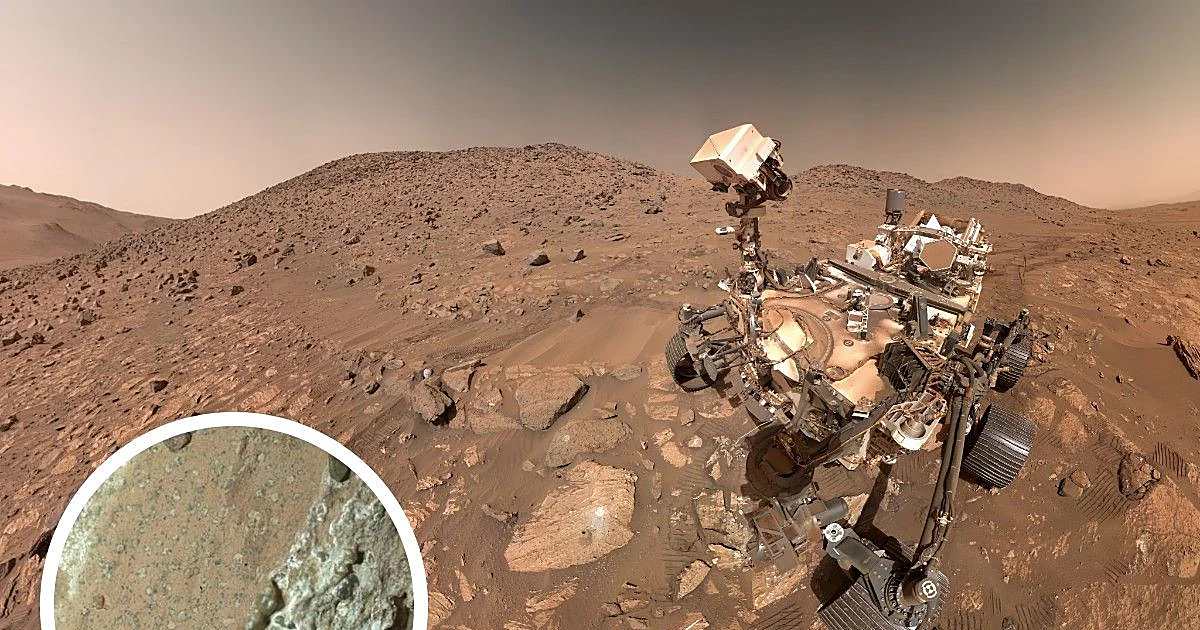
Yet another Martian rock formation has revealed what may be signs of ancient life on the Red Planet. While these findings aren't as scientist-wowing as those reported last year, they add to growing evidence that ancient Mars contained organic carbon and may once have been habitable.An international team of scientists working on examining Martian rock samples collected and analyzed by the Perseverance rover reported in Science Advances Wednesday that they’d found signs of macromolecular carbon (MMC) in the Martian rock dubbed Cheyava Falls. Like most of the other life-affirming samples collected from Mars, this one comes from Jezero Crater, where Perseverance has spent the entirety of its five-year mission. Jezero Crater, and particularly the long-dried riverbed known as Neretva Vallis that fed what’s believed to be a large lake that once filled Jezero, has been the site of several potential signs of ancient life on Mars, and it’s no different in this case. Two instruments at the end of Perseverance’s arm, the Scanning Habitable Environments with Raman and Luminescence for Organics and Chemicals (SHERLOC) and the Wide Angle Topographic Sensor for Operations and eNgineering (WATSON), were collectively responsible for the discovery of MMCs in Cheyava Falls.