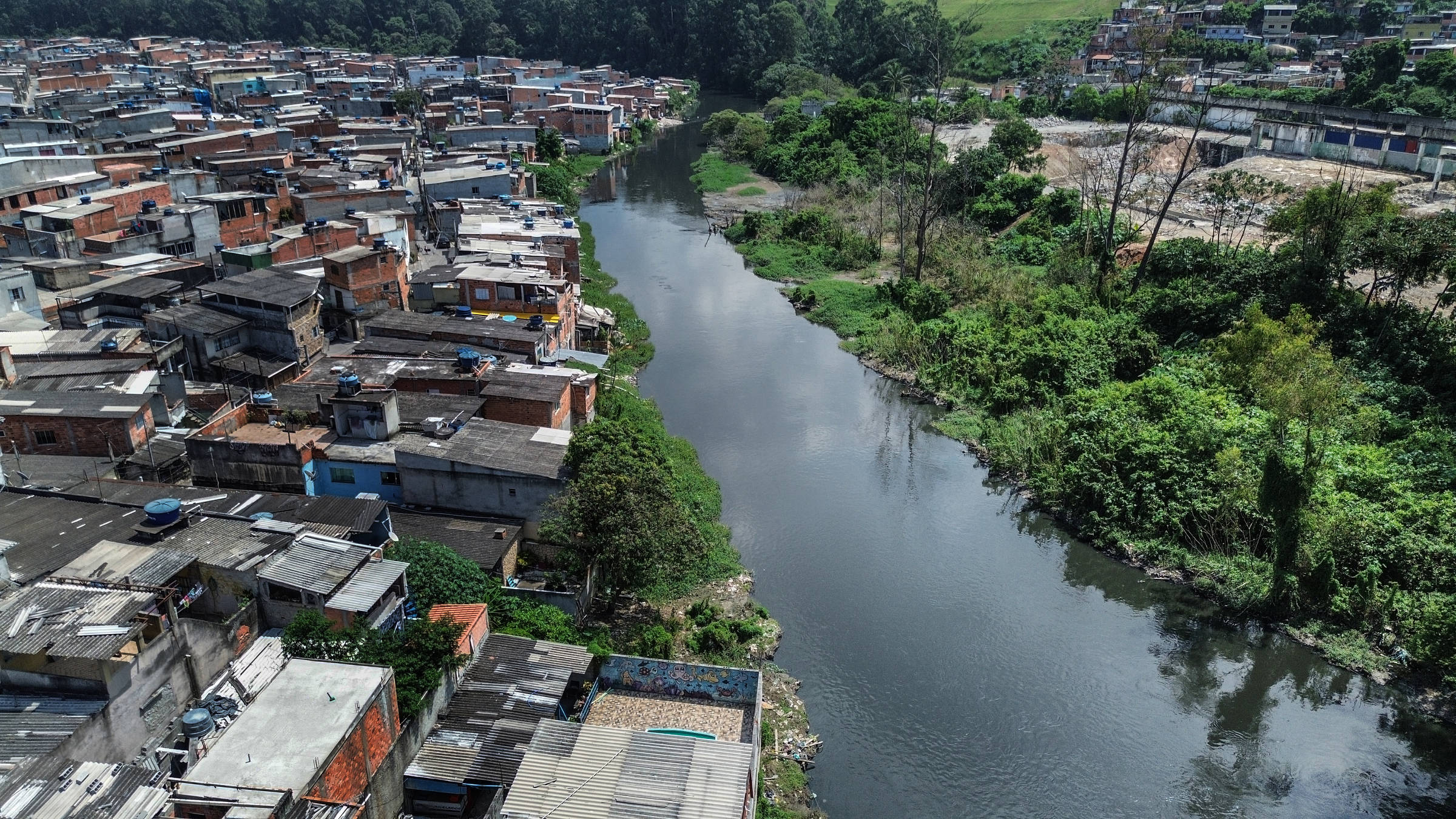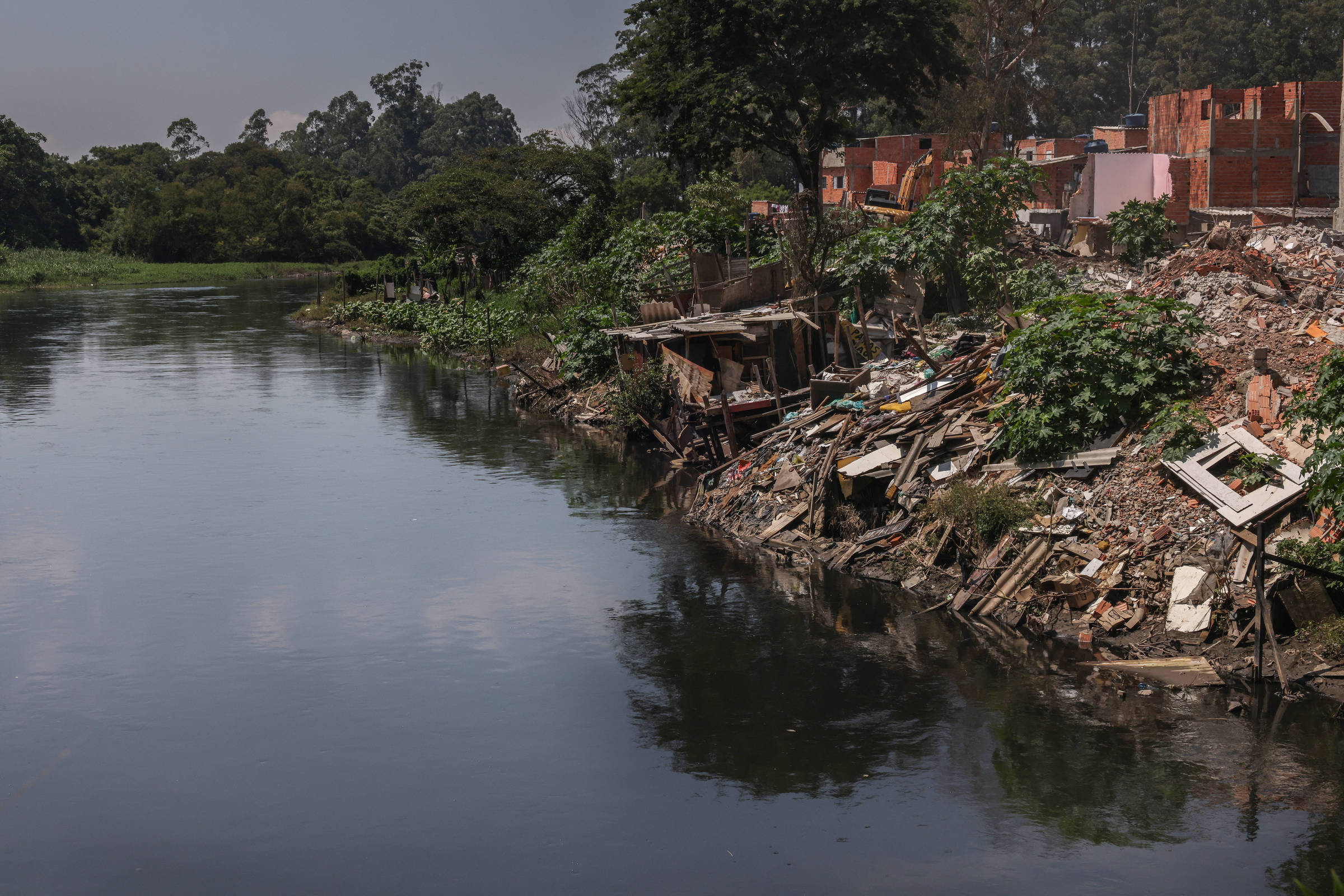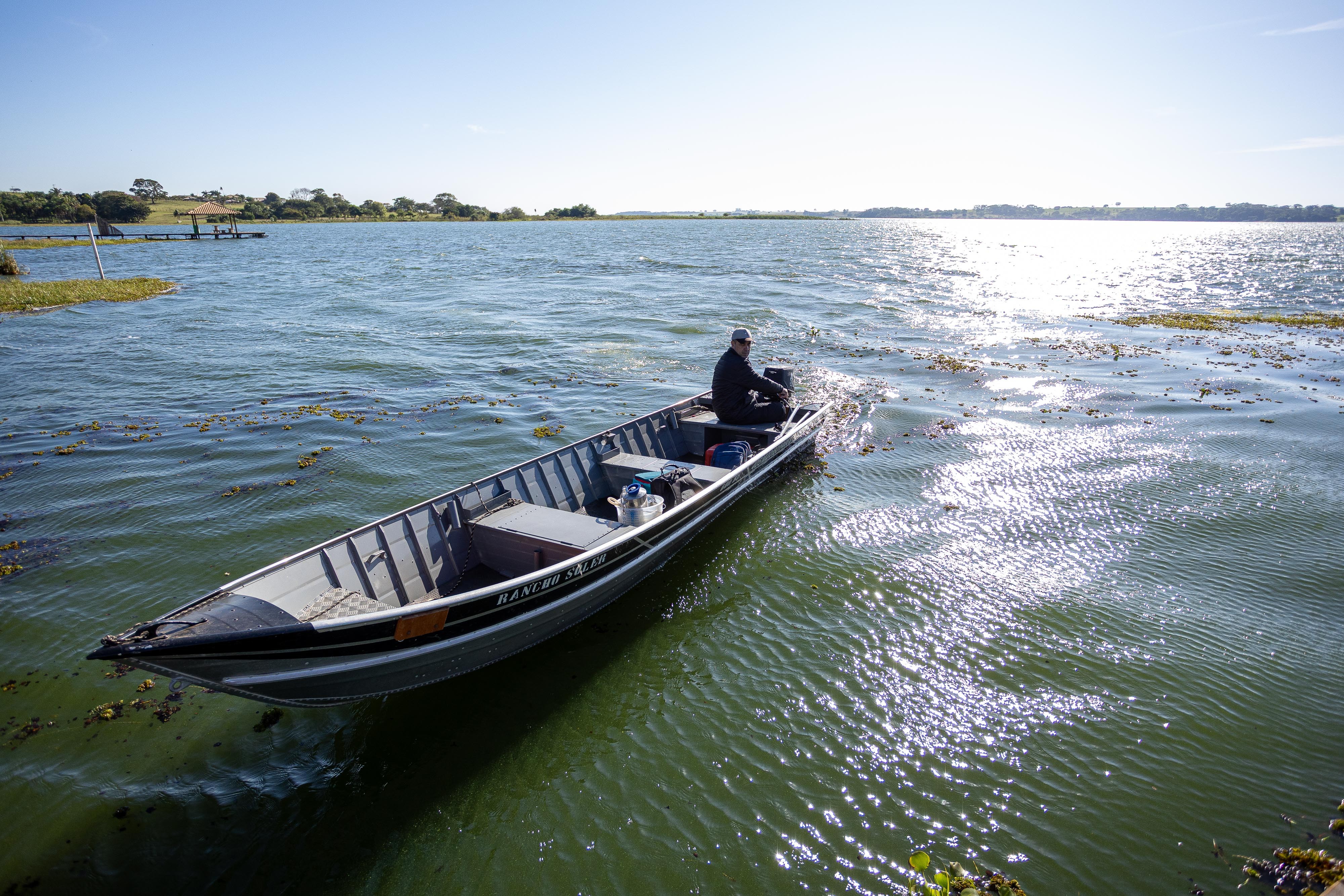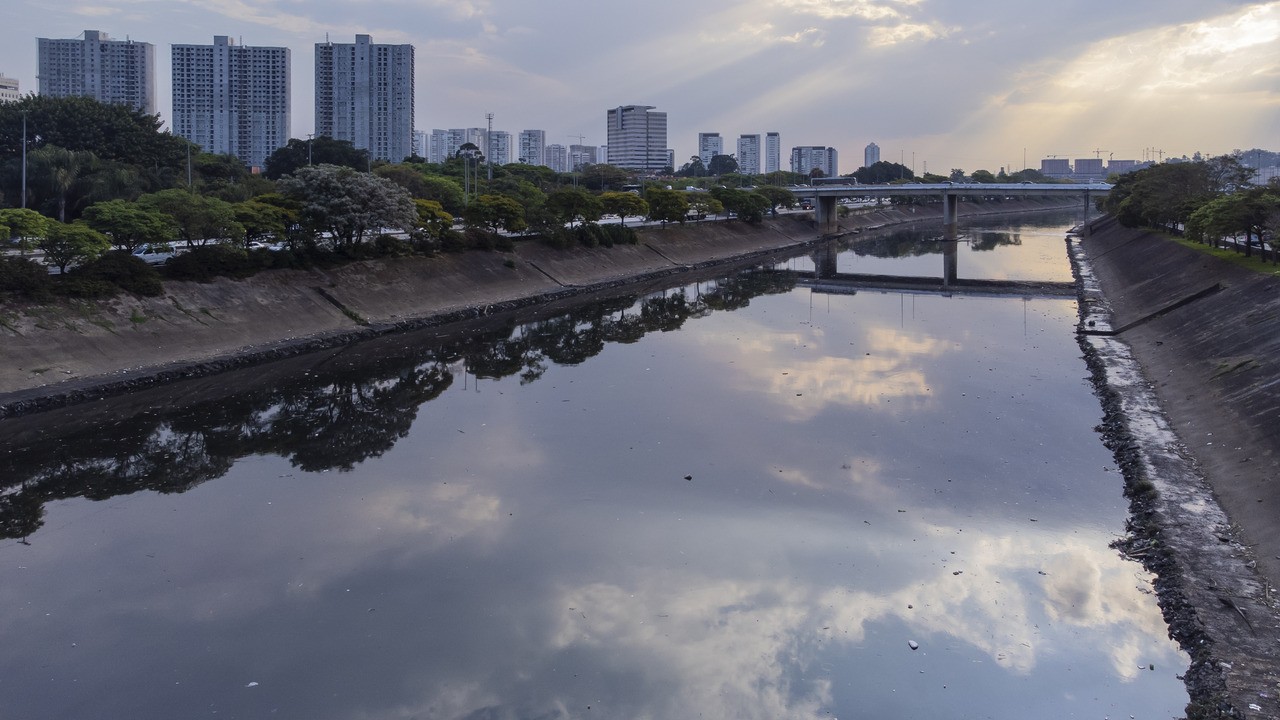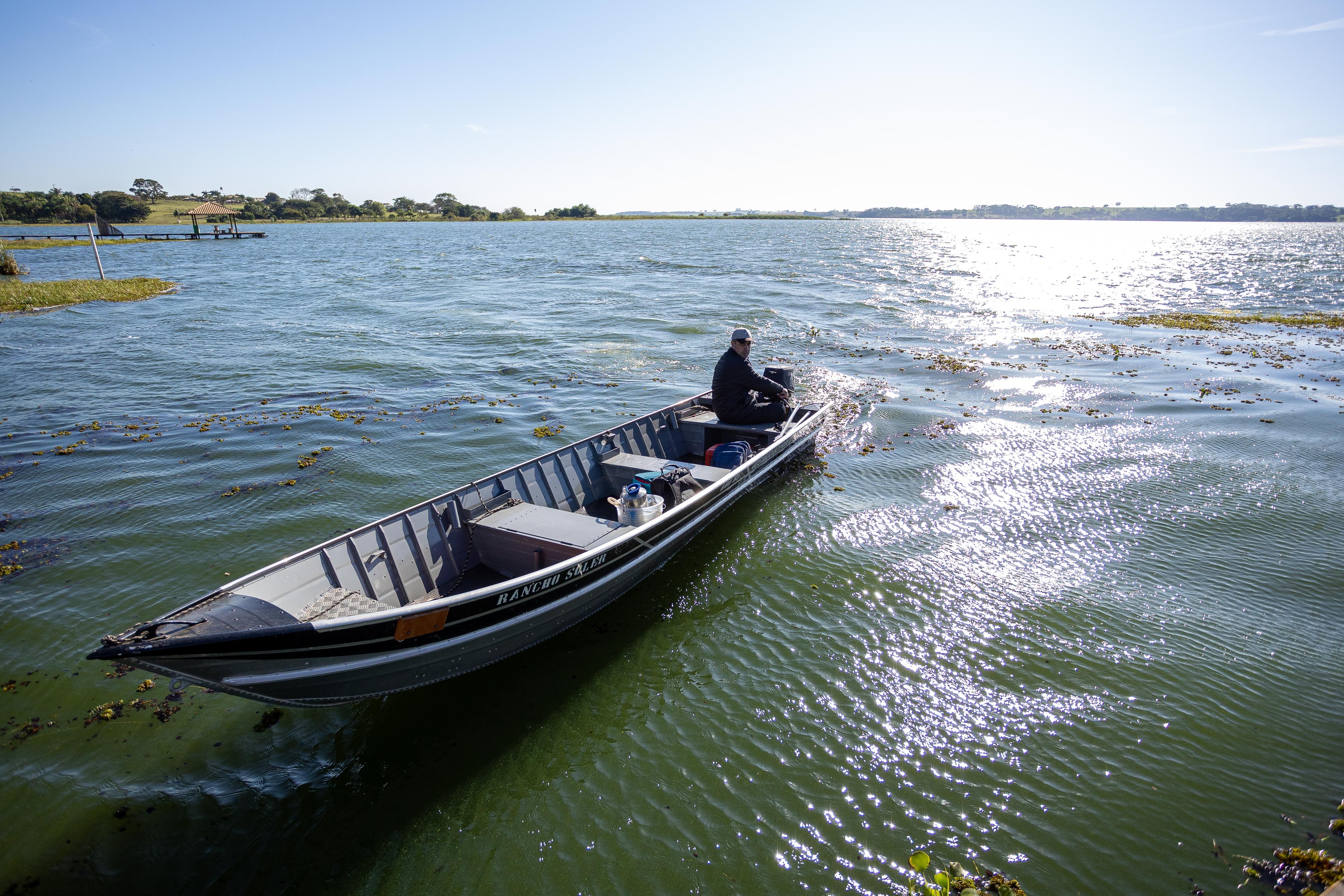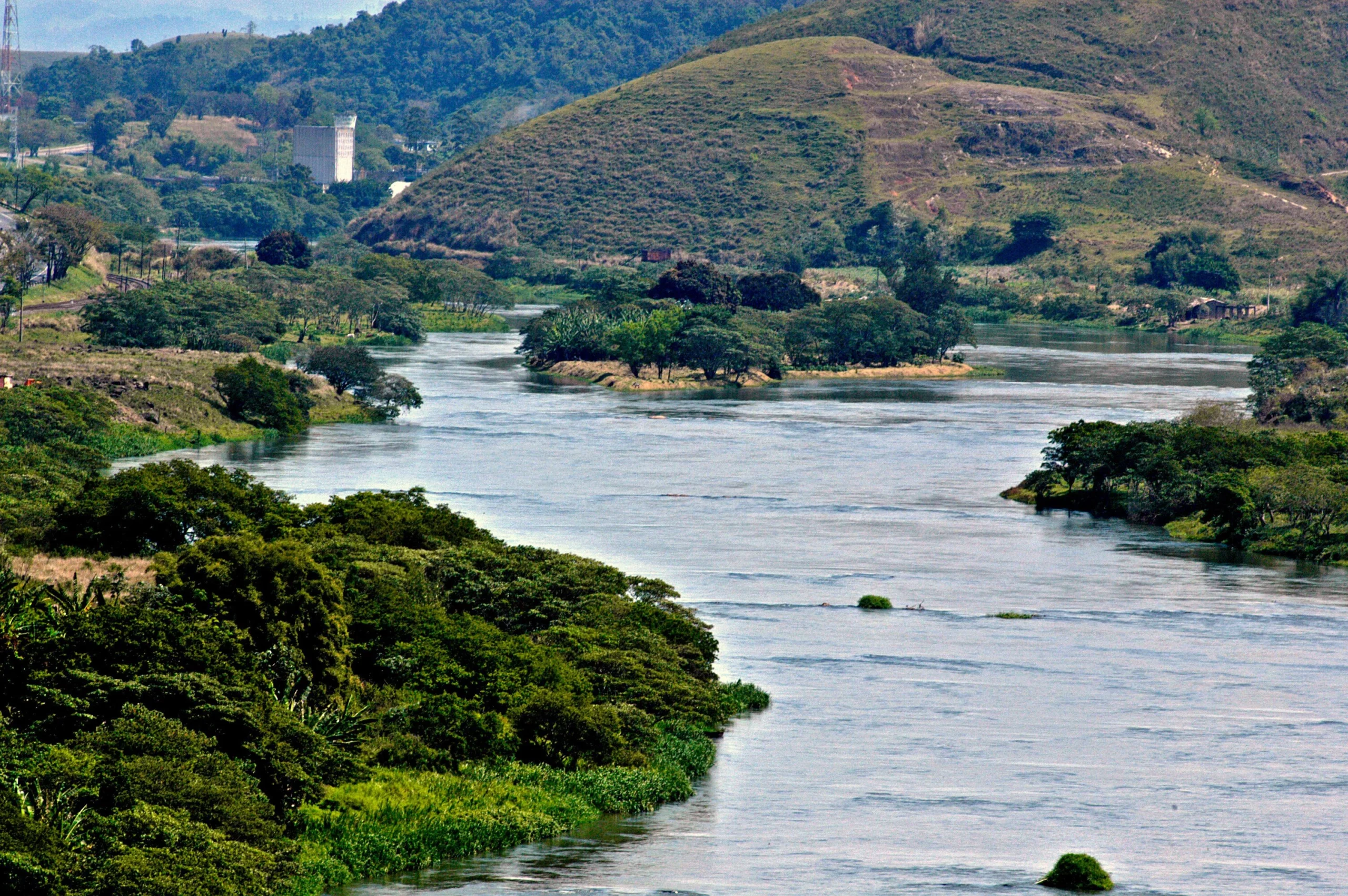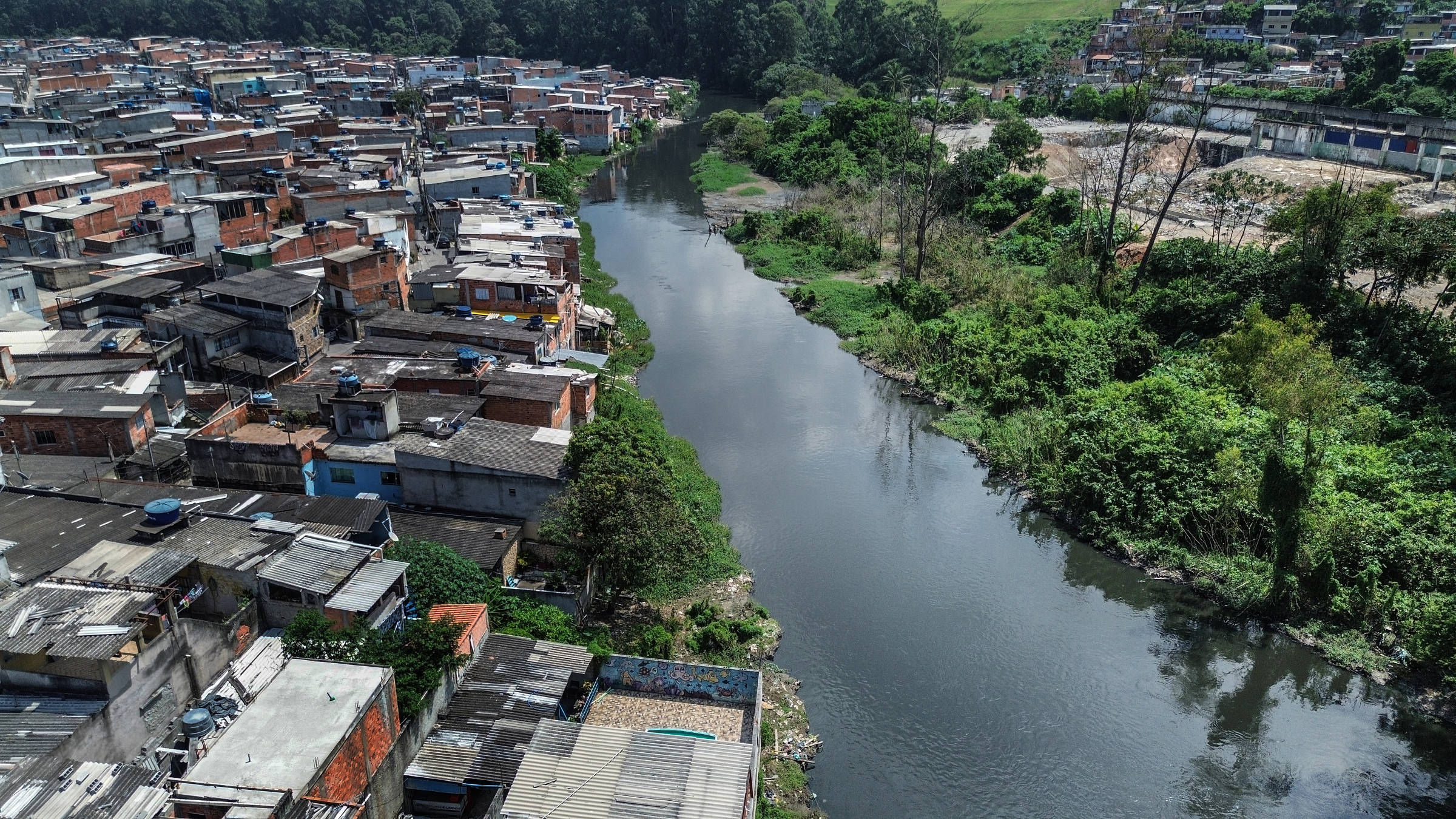
An expedition by NGO SOS Mata Atlântica along the Tietê River found traces of pesticides, cocaine and caffeine near the river’s source, in Salesópolis, as well as microplastics at several points along the waterway. Over more than 1,100 km, pollution intensifies until reaching the environmental collapse observed in the São Paulo metropolitan region.Water samples were collected at 14 points along the river between June 9 and 14, 2025, with analyses carried out by four universities in São Paulo state. Researchers identified 25 types of pesticides and 16 substances among pharmaceuticals and illicit drugs. According to Gustavo Veronesi, coordinator of SOS Mata Atlântica’s Clean Water initiative, even at the preserved source of the river, "it was something that drew attention. There should not even be these traces, even if tiny, because that is an extremely preserved place."
Carbon concentration, associated with sewage, increases as the river approaches Mogi das Cruzes, Guarulhos, São Paulo and Osasco. For Veronesi, "what really stood out was how sewage remains a challenge in São Paulo, in the metropolitan region, in the most urbanized area. There is a long road ahead."
In a statement, Semil said the IntegraTietê program has achieved significant results and that, over the past two years, pollution carried by the river has been reduced by 21%.