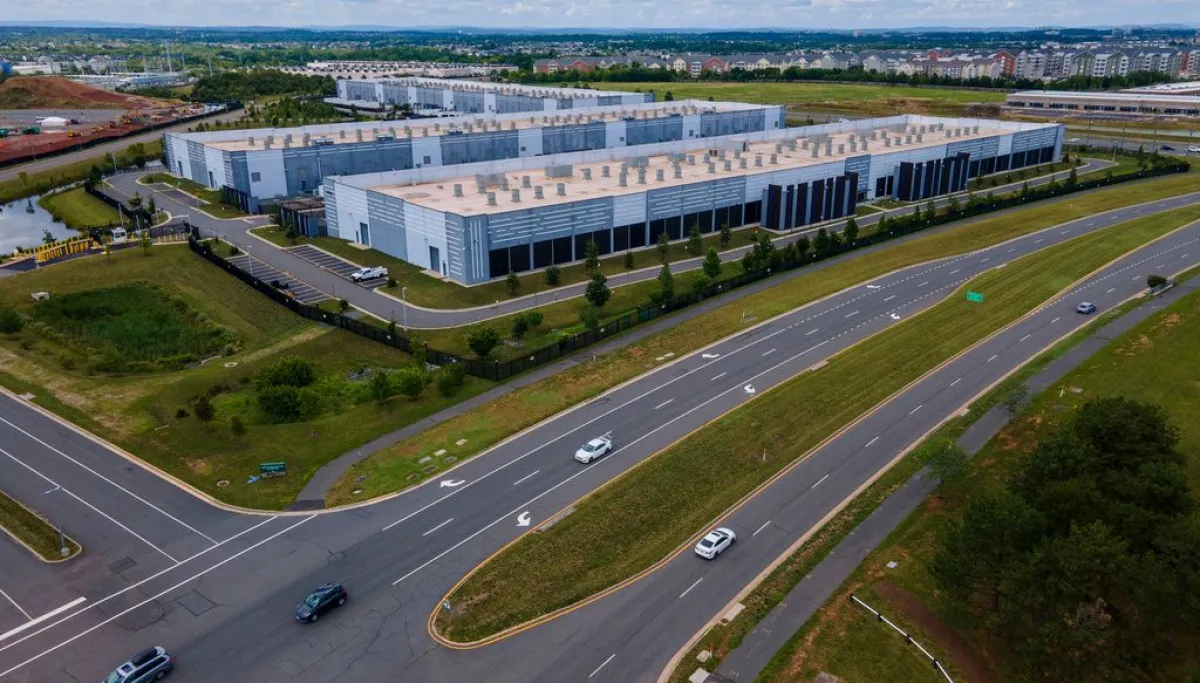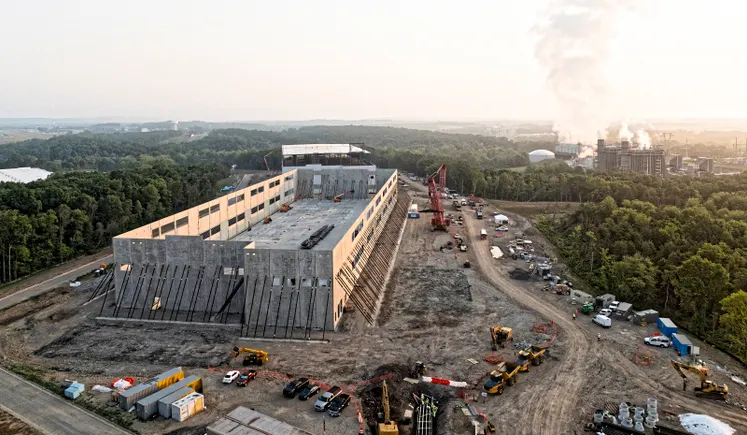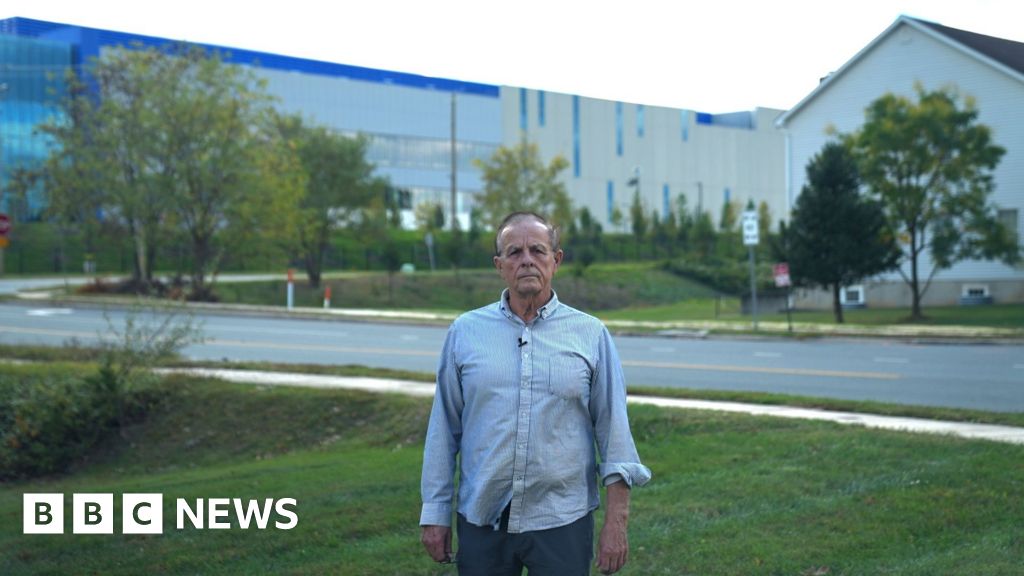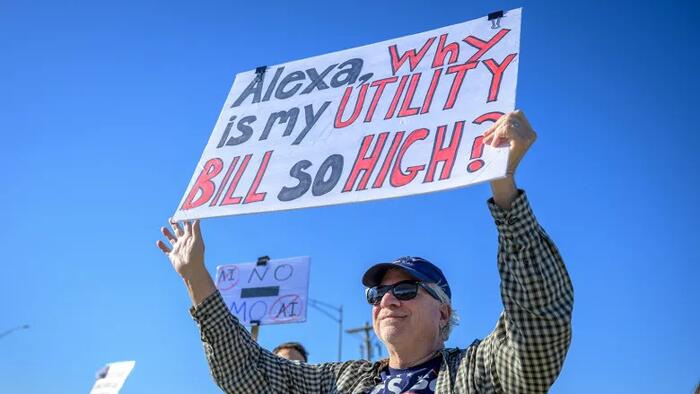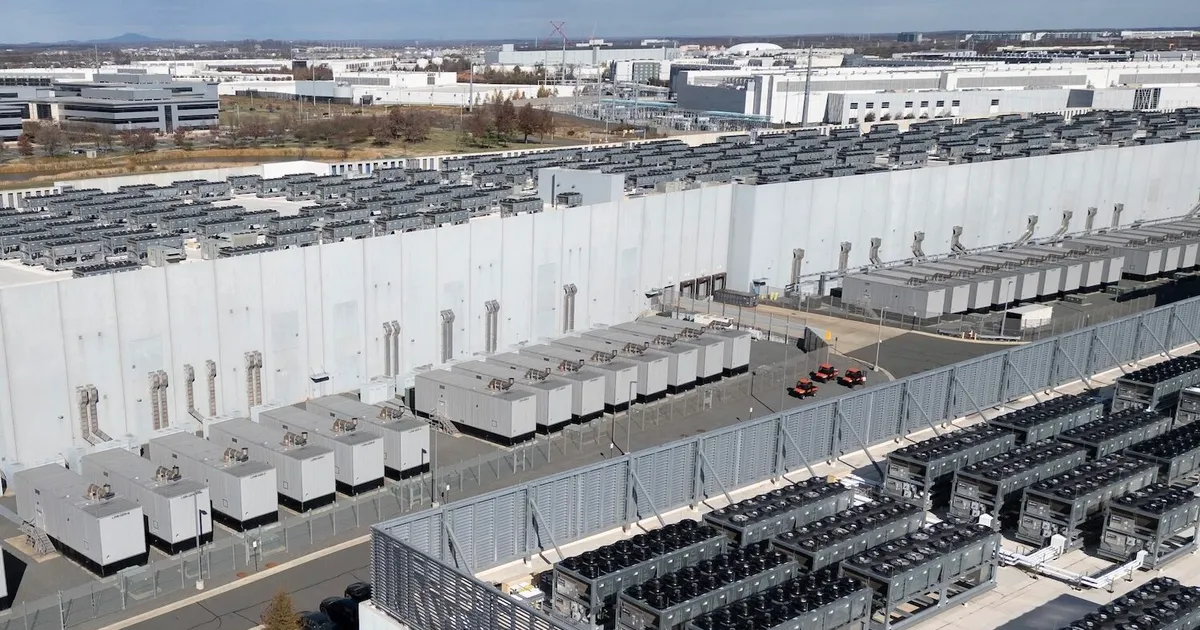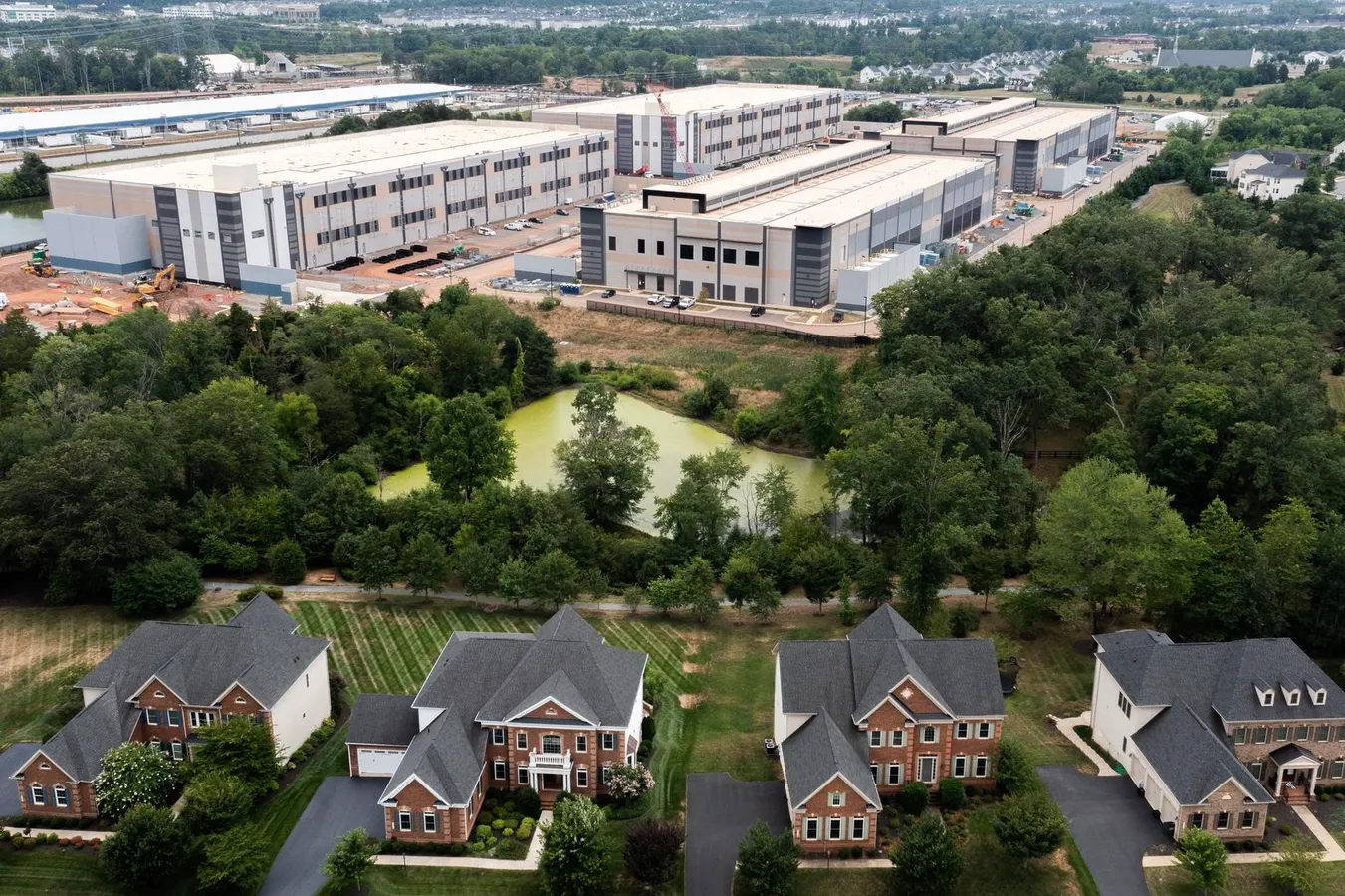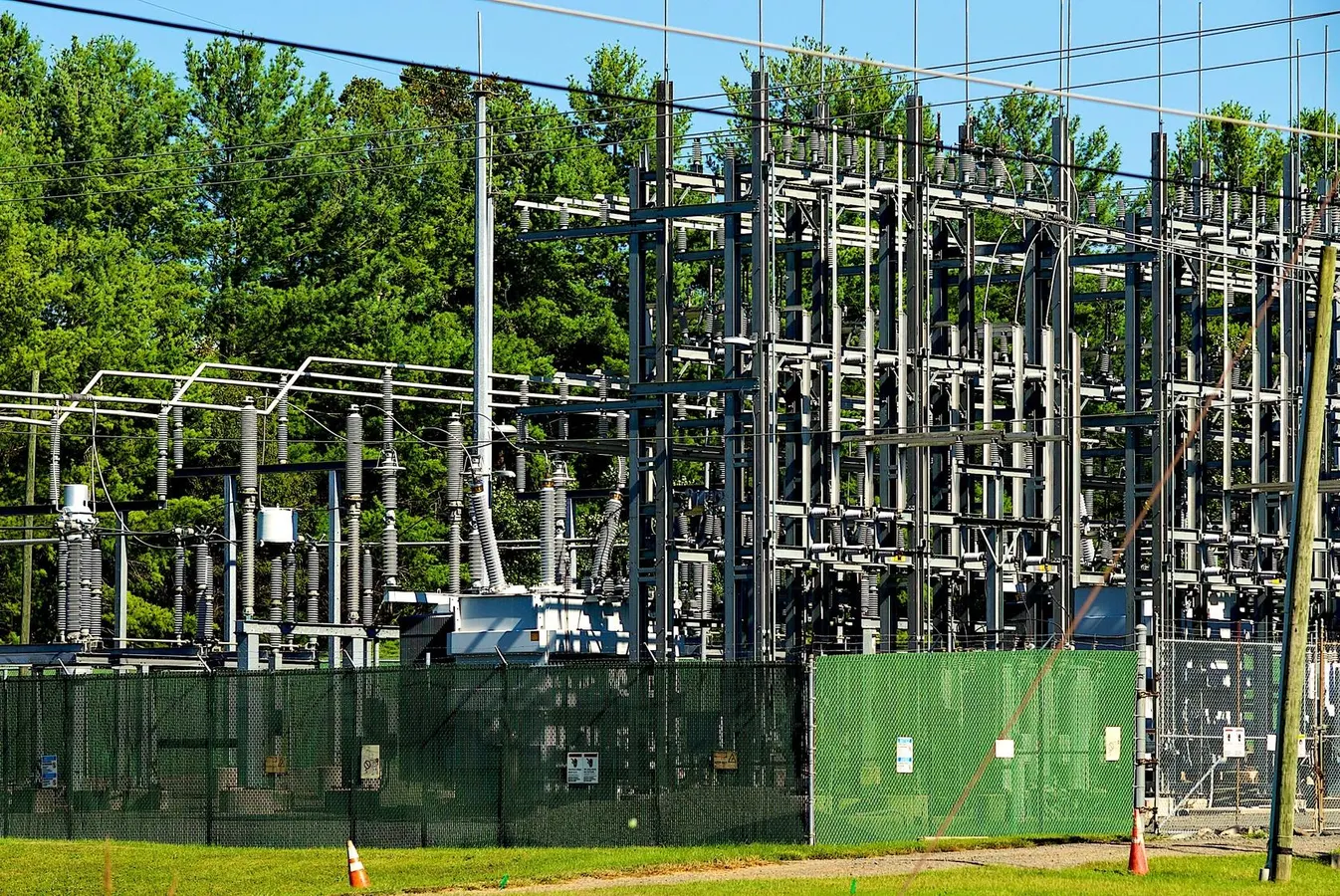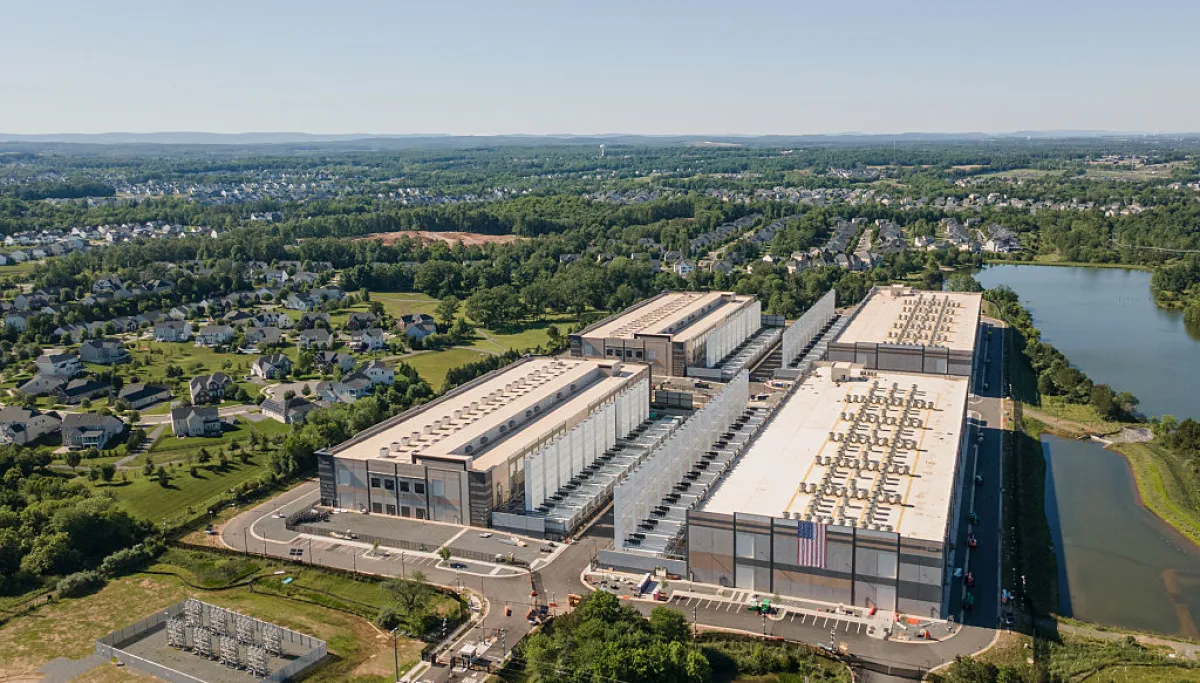
It was a disaster with a deadline. In the late 1990s, civilization as we knew it was supposedly going to end at midnight on the new millennium. Virginia sat at the center of the Year 2000 rollover, since half the world’s internet traffic then passed through a commonwealth company, America Online. State officials spent years preparing for every conceivable disruption, and as the acting chief technology officer for the Virginia Department of Health and Human Resources, I was tasked with keeping hospitals open, prisons secure, and international communications running.Virginia has a decadeslong record of building the infrastructure that powers the modern internet, and just as important, the governance capacity to manage it responsibly. Today, the commonwealth hosts the world’s largest concentration of data centers, at 13% of global capacity. That makes Virginia a valuable case study, not because growth here happened without challenges, but because the commonwealth built the institutional capacity to manage that friction as it arose.The familiar worries are valid: rapid growth could overwhelm power grids, strain water supplies, or impose costs on residents while benefiting large tech companies. If those fears were correct, we would expect to see the consequences in Virginia by now, not because growth here has been smaller or slower, but because Virginia has had more of it, for longer, than anywhere else.
What other states should learn from Virginia's data center boom
The best indication of future results is past performance, provided other states are willing to build what Virginia built, not just hope for what it got.
893 words~4 min read