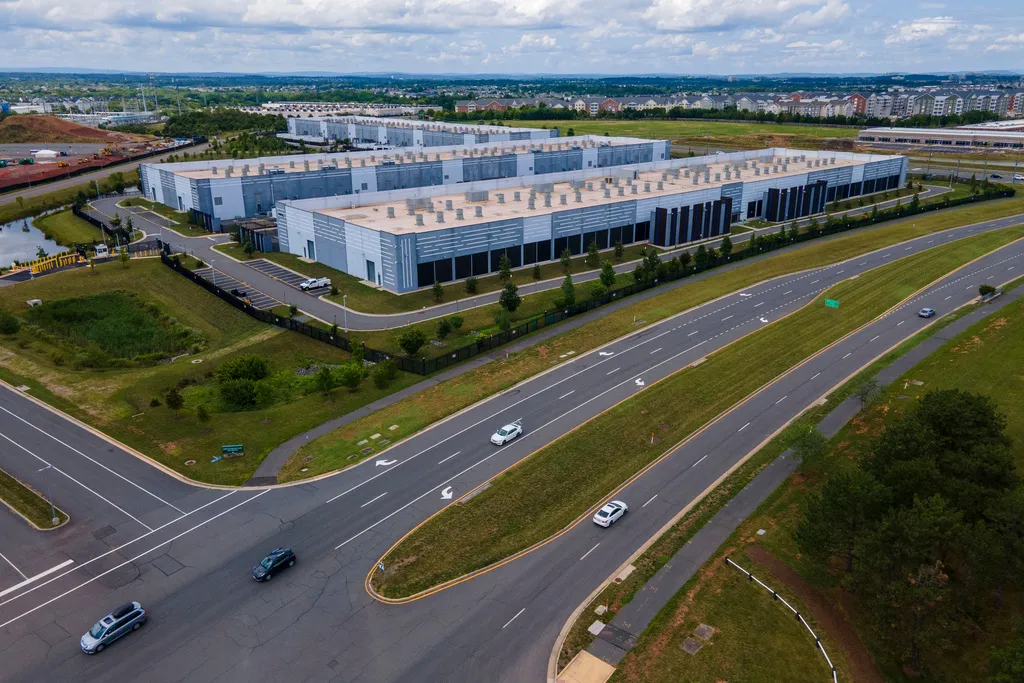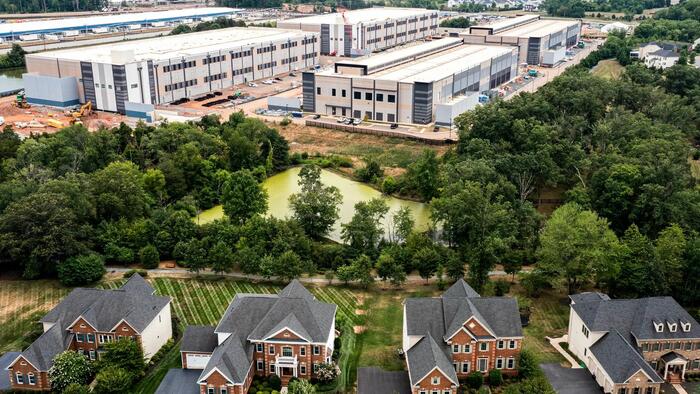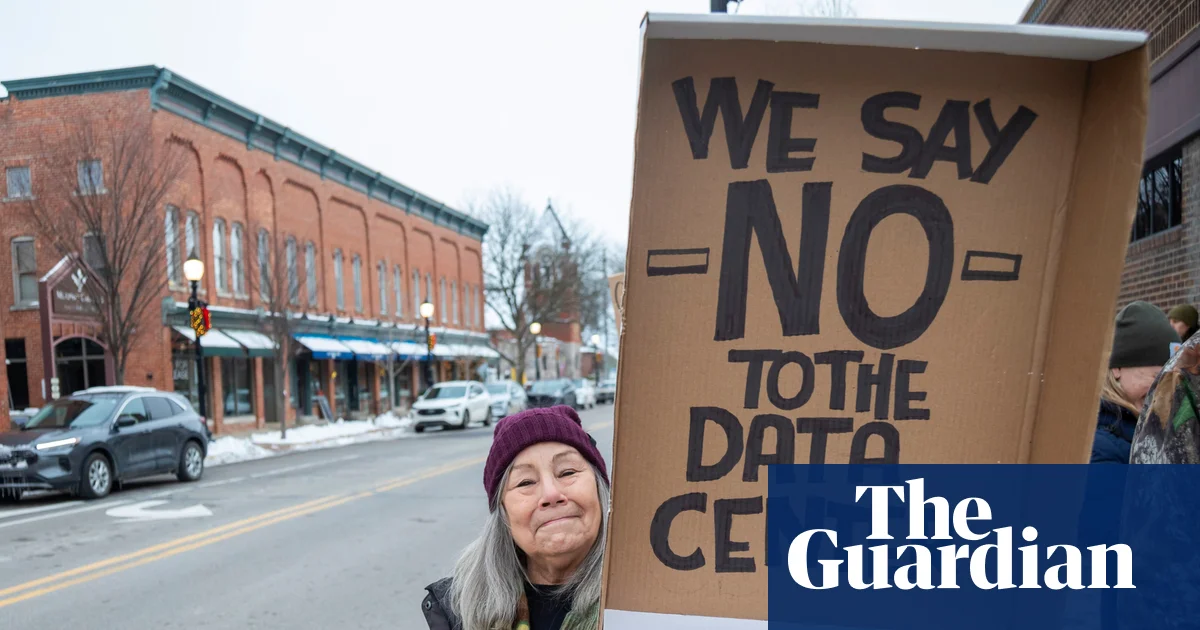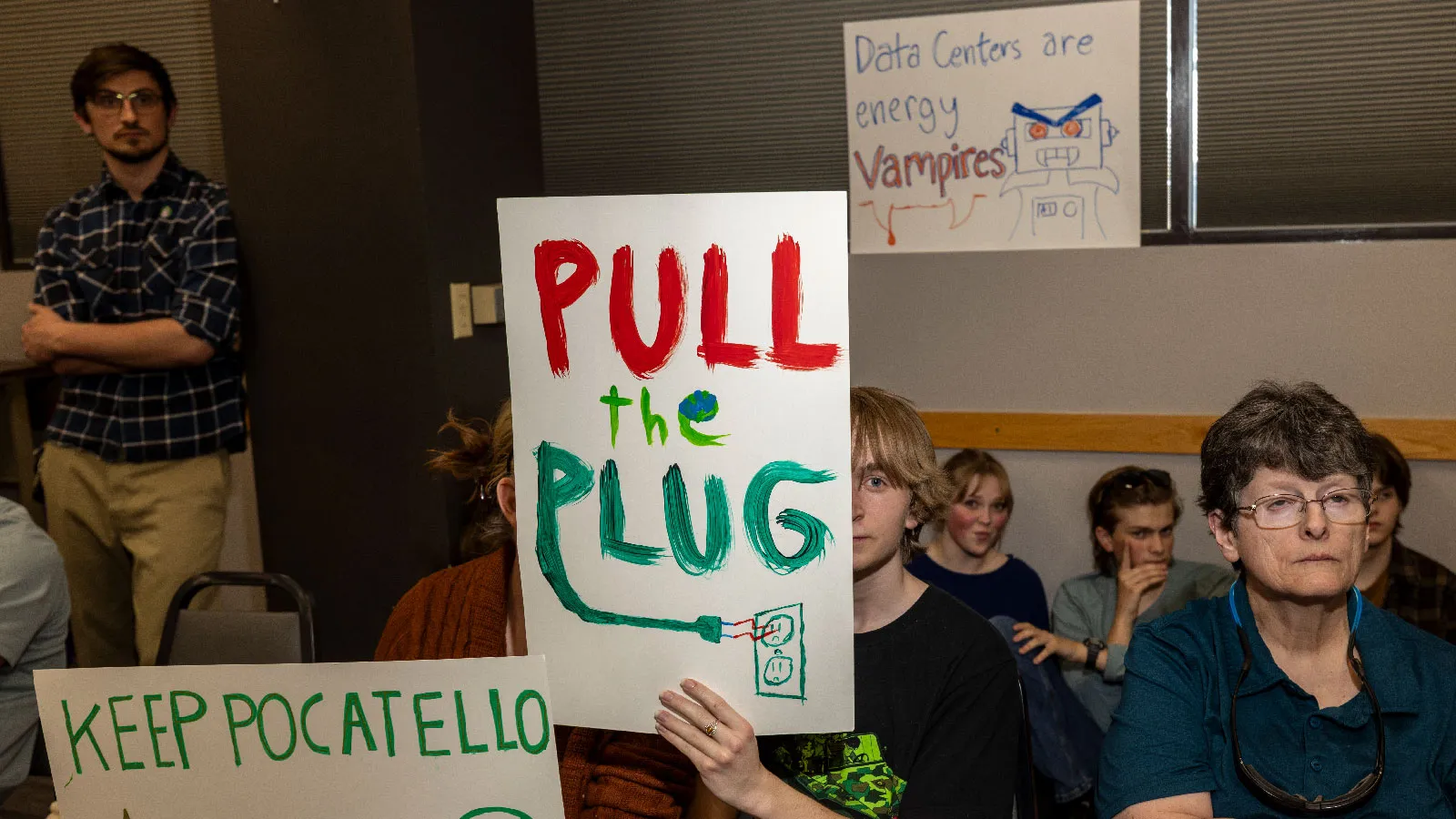
Sarina Virmani lives in Loudoun County, Virginia, which is home to over 200 data centers and colloquially known as Data Center Alley. As a high school student, Virmani published a paper on the environmental impact of data centers in the American Journal of Student Research. She also organizes for more transparency and regulation in the industry.
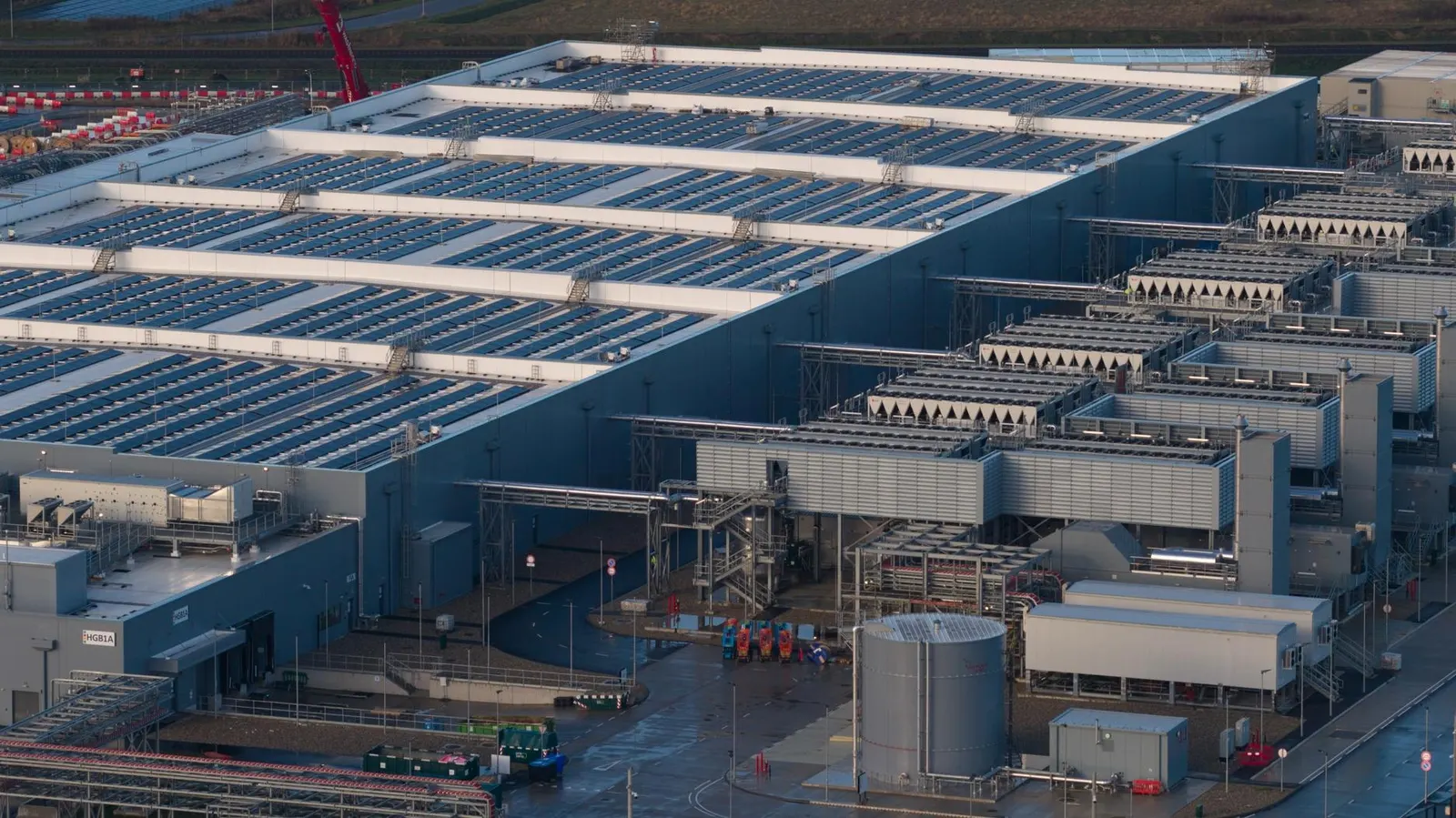
“A lot of people think that artificial intelligence is something that’s invisible, but it’s not. It lives in these massive buildings,” she said.
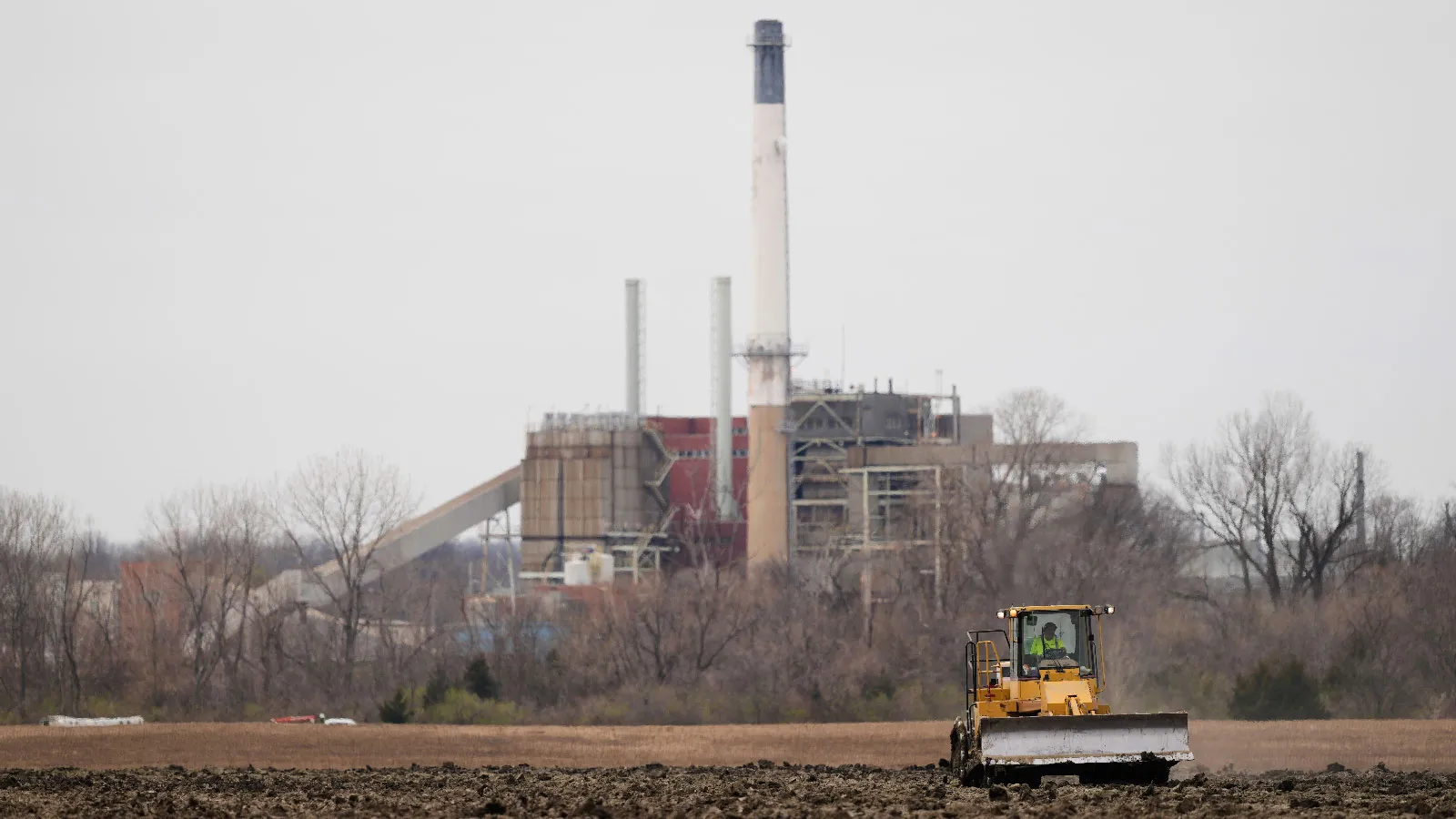
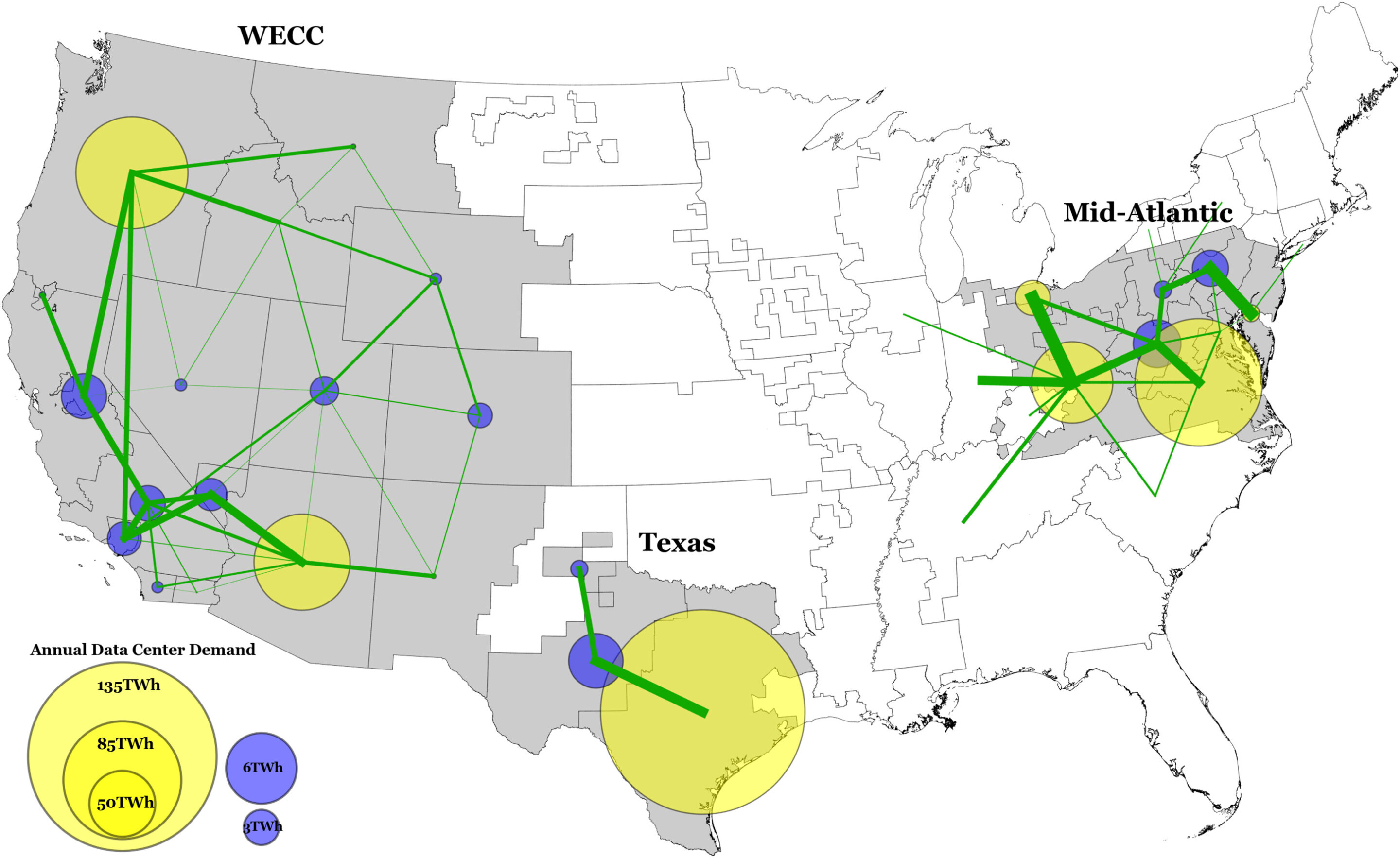
Data centers aren’t new in Loudoun County, but the explosive growth of AI chatbots like OpenAI’s ChatGPT, Anthropic’s Claude, and Google’s Gemini is driving demand for more. The environmental impact of all of those data centers can be tricky to parse, but there are a few things we know for certain: Data centers are extending the life of aging oil, gas, and coal infrastructure, they are spurring the building of new fossil fuel infrastructure, and they can pose risks to water resources.
What is AI, and why does it need so much electricity?
To some extent, AI technology is as old as the computer. The term artificial intelligence was popularized in the 1950s, and as computer technology has become increasingly affordable and powerful, machine learning and algorithms have become part of our economy and everyday lives. The Instagram algorithm, for example, just turned 10 years old.