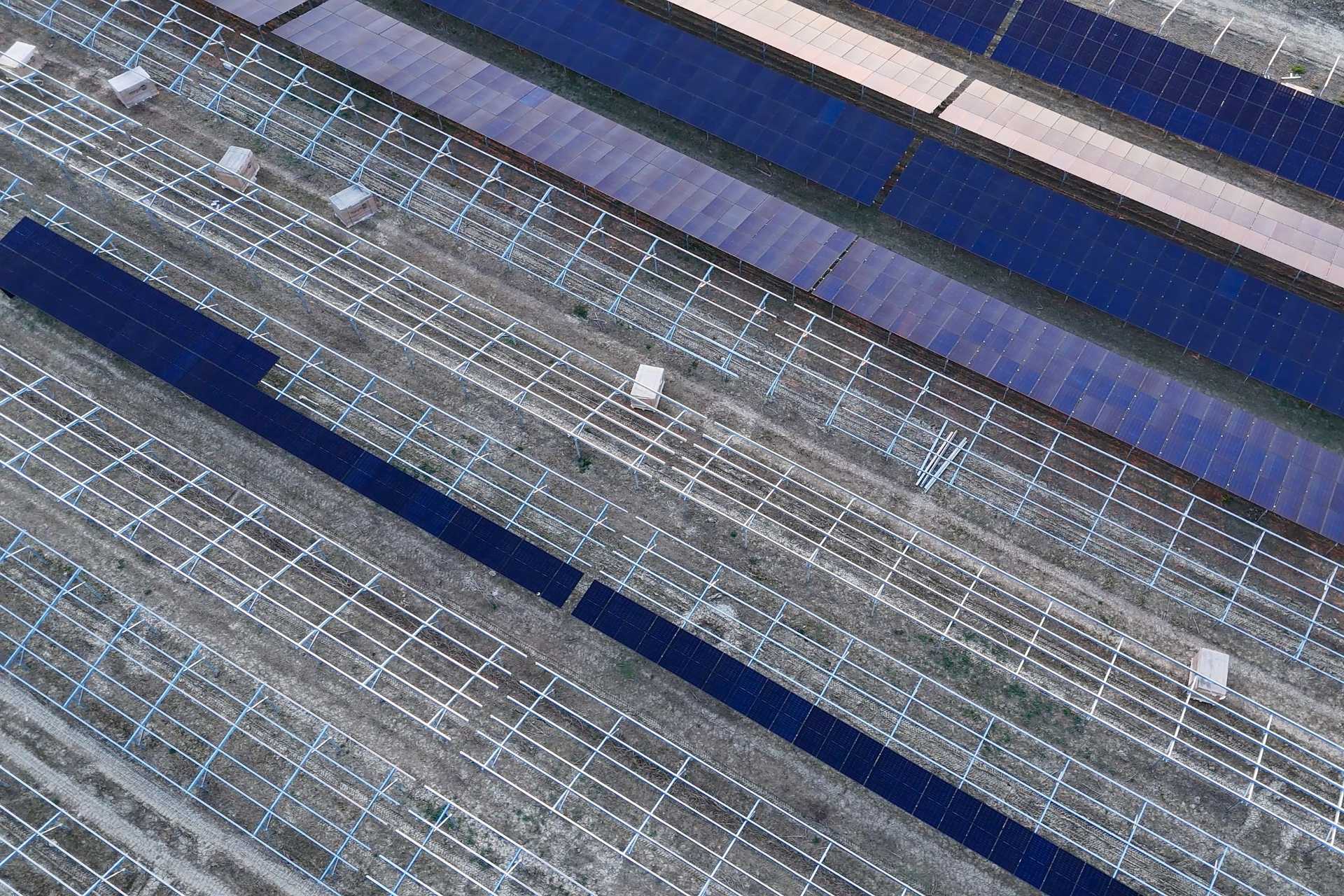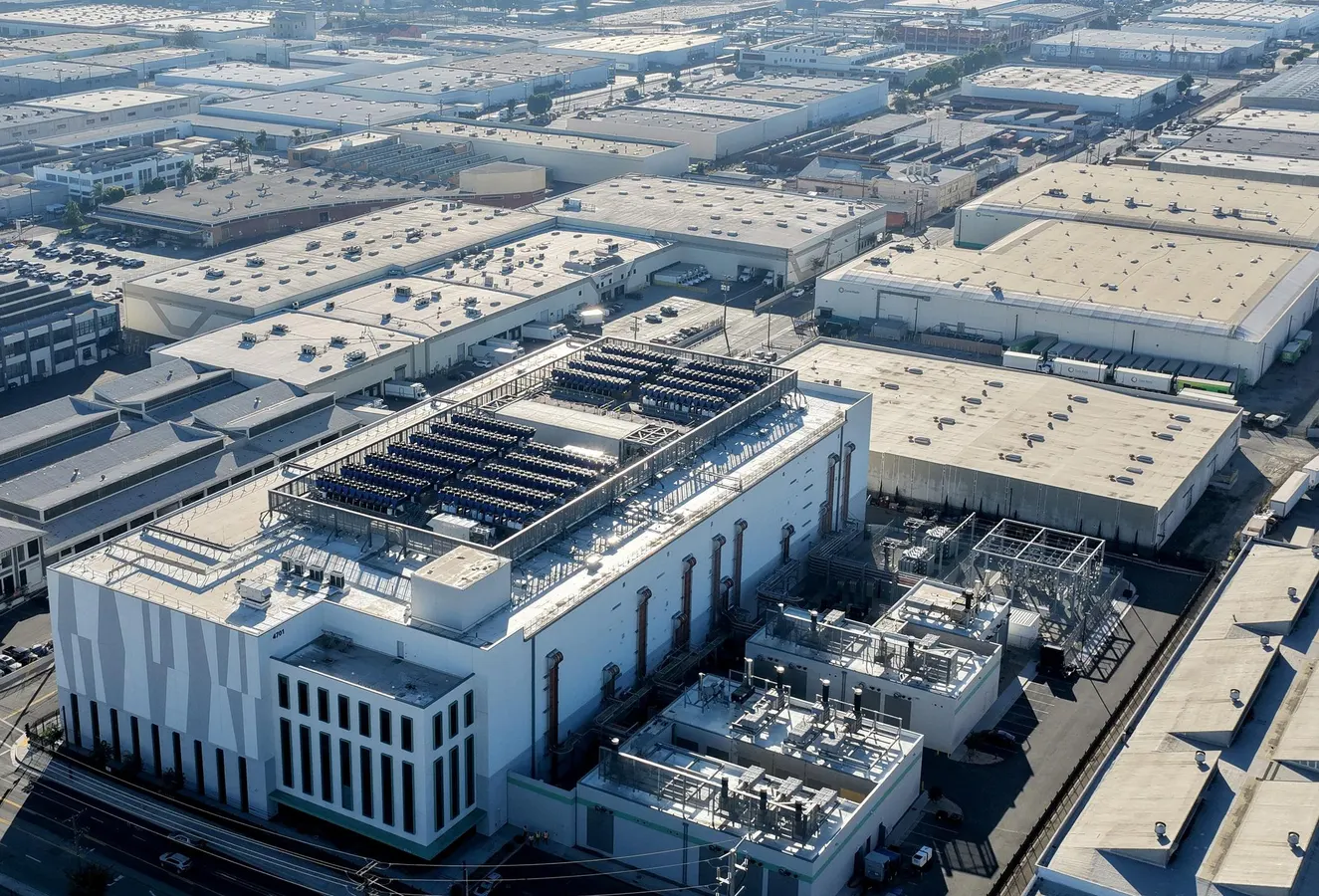
STONE RIDGE, VIRGINIA - JULY 17: In an aerial view, an Amazon Web Services data center is shown situated near single-family homes on July 17, 2024 in Stone Ridge, Virginia. Northern Virginia is the largest data center market in the world, according to a report this year cited in published accounts, but is facing headwinds from availability of land and electric power. (Photo by Nathan Howard/Getty Images)Getty ImagesEveryone knows electricity demand is surging across the United States, primarily driven by the AI-fueled data center boom. But what will it cost to meet that demand growth and who will pay the tab?The answer may shock Americans and their wallets.Meeting expected demand growth with a fossil fuel-heavy approach consistent with current federal policy priorities will add $30 billion annually to customer bills by 2030, according to new modeling from Energy Innovation. That’s on top of the 16% increase in household electricity bills families have had to pay over the past 18 months. And a spike in coal and gas prices like the U.S. endured in 2022 – which could happen again due to events like rising electricity demand, geopolitical conflicts like the Iran war, extreme weather like Winter Storm Uri, or rising LNG exports – would increase the cost of that fossil fuel-heavy approach to meeting electricity demand growth up to $40.5 billion per year.These costs will be passed through to existing and new utility customers, and government officials in many states are working to ensure large customers like data centers pay their fair share. Clean energy can meet data center electricity demand cheaper than fossil fuelsEnergy InnovationBut the U.S. doesn’t need to deal with sticker shock from meeting electricity demand. Accelerating clean energy – solar, wind, energy storage, and demand response – would cut overall costs to meet load growth by $5.1 annually in 2030 compared to fossil fuels, a 17% savings. And in a fuel price spike scenario, those savings would rise to $8.4 billion, yielding total savings of $13.5 billion per year. MORE FOR YOUAmerica can meet growing demand with clean energy and a resilient grid can reliably meet demand under even the most challenging weather conditions – keeping the lights on and AI growing for less money.Can we build generation fast enough to meet demand?America’s electricity grid has come to a crossroads. Demand is growing faster than it has in decades, but our ability to keep pace is running into the electricity system’s slow pace of change and barriers to adding new generation to the grid. Meanwhile, an energy affordability crisis is hitting families and businesses as U.S. electricity bills are rising fast due to growing demand, the federal government’s policies intended to keep aging expensive coal plants online and bet on volatile natural gas, and barriers to building new clean energy like repealing tax credits or blocking permits for new projects.All new large-scale generation including gas, wind, solar, batteries, and nuclear all face barriers to speedy deployment. That has led some large customers like data center developers to take matters into their own hands, proposing to bypass the grid by building their own “behind-the-meter” generation – primarily new gas plants for now – but that could have the ironic effect of raising energy prices even more.Two paths forward: Dirty and expensive or clean and cheapThe Energy Innovation analysis models two scenarios for the U.S. grid through 2030, the year when data center buildout is projected to peak as well as the year where energy projects being front-loaded to meet demand are expected to be online. The “high fossil scenario” reflects current federal policy direction and models a pathway where clean energy growth is restricted and demand growth is met by keeping aging coal plants online and building new gas generation. The “clean energy scenario” models a future where wind, solar, and energy storage are deployed at a rate consistent with recent deployment growth – for instance solar and energy storage are expected to make up more than 75% of new capacity added to America’s grid this year – as well as incremental energy efficiency and demand flexibility improvements. U.S. electricity demand growth could be met by fossil fuels or clean energy but fossil fuels would cost $30 billion annuallyEnergy InnovationBoth scenarios use current, realistic estimates of grid conditions and deployment opportunities, represent current laws, recent expectations of demand growth and fuel costs, and updated assumptions of the cost of building new generation – including lower battery storage costs, higher wind energy costs, and increasing natural gas turbine costs due to supply chain constraints. The analysis also limits federal tax credits based on recent estimates of the total number of solar and wind projects that will meet the deadline to commence construction this summer to qualify for tax credits repealed in the One Big Beautiful Bill Act.Those two scenarios were then compared to an estimated cost of electricity generation in 2025 to assess the cost of meeting demand growth to arrive at a clear outcome: The U.S. can meet all forecast load growth through 2030 with clean power while reducing coal and gas use for existing loads. And this clean energy pathway will cost less than doubling down on coal and gas to meet growing demand. What if data center demand doesn’t materialize?But even though demand is rising, uncertainty swirls around exactly how much more demand will materialize or how fast it will grow. Reporting suggests half of data centers planned to come online in 2026 have been delayed or canceled, in part because of supply chains for key components like electrical transformers and switchgear, as well as access to power supply and other development hurdles and local opposition.This uncertainty creates challenging trade-offs for government officials and utility regulators, who are making decisions now about the electricity system of 2030 and beyond given the long time required to plan, procure, and build new resources. The key to success for these policymakers is reducing the risk of stranded assets and minimizing costs, even if the future does not play out as expected. Here too, the clean energy pathway pays dividends.Meeting rising electricity demand with clean energy is cheaper, protects consumers, and can reliably keep the lights onEnergy InnovationFlexible solutions like energy efficiency and demand response reduce the risk of stranded assets because they require less investment, are the fastest-to-deploy solutions, and make the grid more reliable even if demand growth doesn’t fully materialize. And since clean energy does not require fuel, which is subject to volatile price spikes on global markets, it saves money by avoiding fuel purchases.Energy Innovation’s modeling shows that even if just 33% of expected demand growth occurs, the clean energy pathway still saves $2.6 billion per year compared to a fossil fuel-based approach.And while federal policies seem to ignore the tremendous opportunity to meet rising demand with clean energy and flexible solutions, energy regulators and state officials have multiple policy options to cut red tape and encourage competition to save their constituents money and increase grid reliability.The report lays out six policy actions like reducing barriers to building resources, improving electricity system planning, managing fuel price risk, getting more out of the existing grid, tapping resources like efficiency and data center demand flexibility, and retaining clean energy deployment targets.Data center demand can be met affordably if we get it rightAmerica’s energy system has entered a time of rapid transition, and the electricity industry is making decisions today that will determine what gets built by 2030 to meet surging but uncertain demand. The stakes are high for government officials and utility regulators to get it right.How our policymakers choose to meet this moment will have long-term implications. Prioritizing affordability can meet surging electricity needs of data centers and other growing loads in a way that costs less, produces less air pollution and contributes less to global climate change. If our country fails to grasp this opportunity, consumers will instead be saddled with high costs and dirty air.
What Will It Cost America To Meet Data Center Electricity Demand?
Meeting data center electricity demand with fossil fuels will add $30 billion to annual electricity costs. Clean energy will cost $5 billion less.
1,321 words~6 min read