Photo credit: columbo.photog / Shutterstock
Utility customers could save $5 billion per year by 2030 if the U.S. prioritizes clean energy over a fossil-fuel heavy approach to meeting record electricity demand from data centers and other large loads, according to research released today by Energy Innovation.
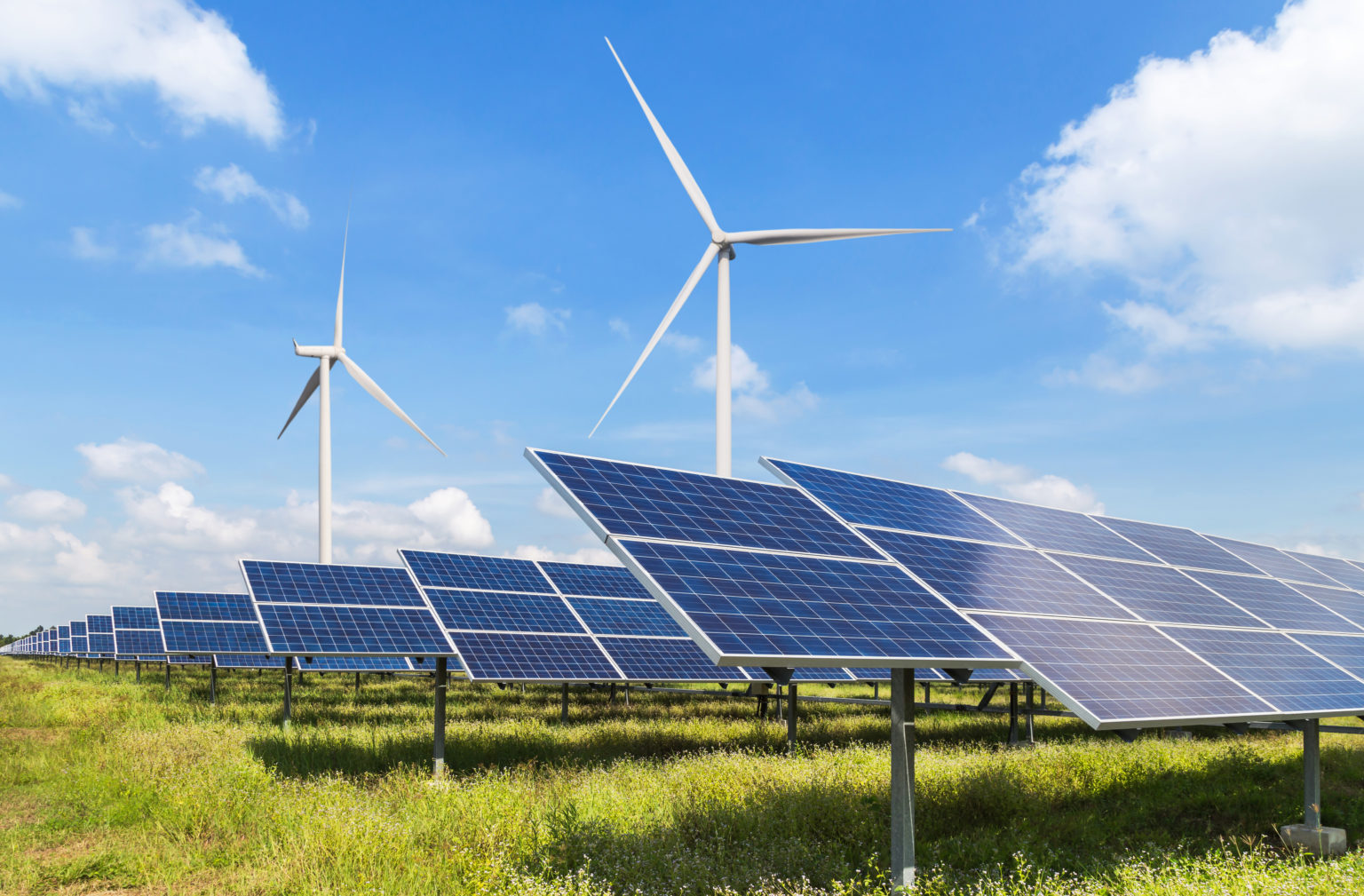
The nonpartisan think tank modeled two different scenarios: one where the U.S. doubles down on gas and coal, consistent with the Trump administration’s current federal policy, to meet a projected 21% jump in demand growth by 2030; and another where clean energy options including solar, wind, and battery storage meets all of that forecasted demand. The researchers found that in each pathway, the power grid could reliably meet load growth across a wide range of weather conditions.
The clean energy approach saves money largely because it avoids volatile gas and coal fuel prices, which most utilities directly pass on to ratepayers, as well as the operation and maintenance costs of keeping aging power plants open. (One 2025 report found that if the Department of Energy forces all large fossil fuel power plants scheduled to retire by the end of 2028 to stay online, it could cost ratepayers more than $3 billion annually.)