As summer brings people outdoors to parks, gardens and hiking trails, experts are warning that several common wild plants can pose serious health risks, ranging from severe skin burns to potentially fatal poisoning.
Many of these plants appear harmless and are commonly found along roadsides, in meadows and wooded areas. However, contact with some species can cause significant injuries, while accidental ingestion of others may lead to life-threatening complications.
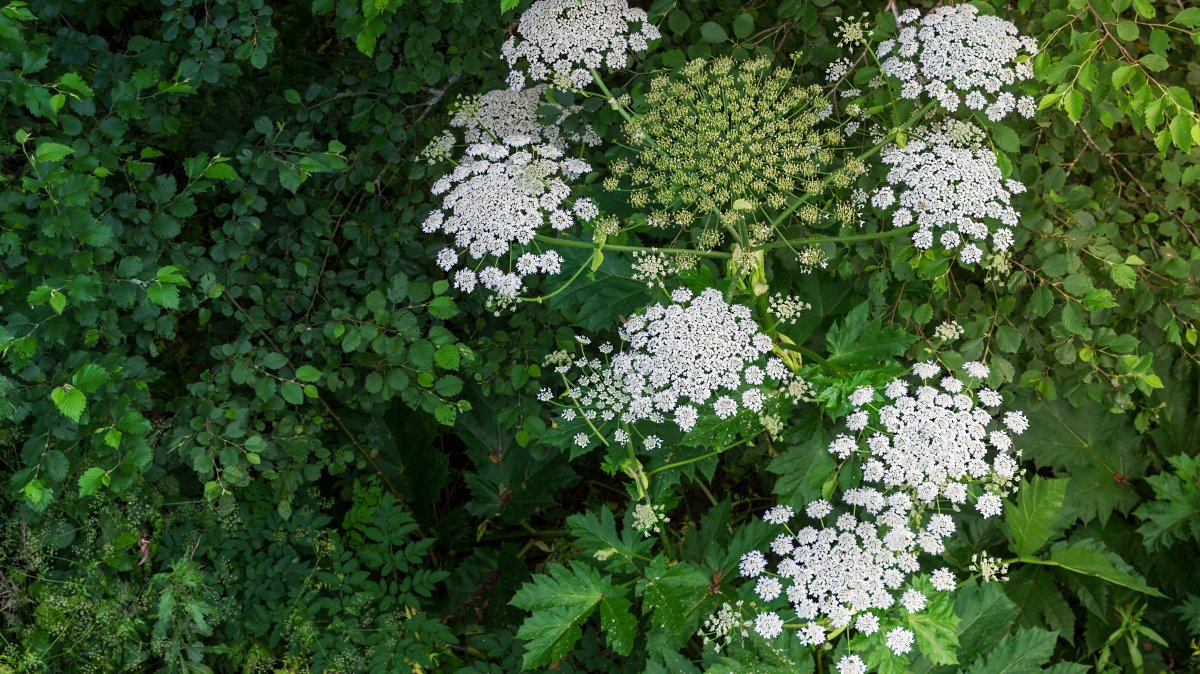
Among the plants drawing particular concern are members of the hogweed family. Giant hogweed, known for its large white umbrella-shaped flowers, contains sap that makes the skin extremely sensitive to sunlight. When exposed to ultraviolet rays, affected areas can develop painful burns, blistering and, in severe cases, permanent scarring. Common hogweed, a smaller relative often found in fields and along roadsides, can trigger similar reactions and is also considered highly toxic to pets.
Experts also caution against direct contact with stinging nettle, a widespread plant covered with tiny hairs that release irritating chemicals when touched. Exposure can cause intense itching, redness and a burning sensation that may last for several hours.