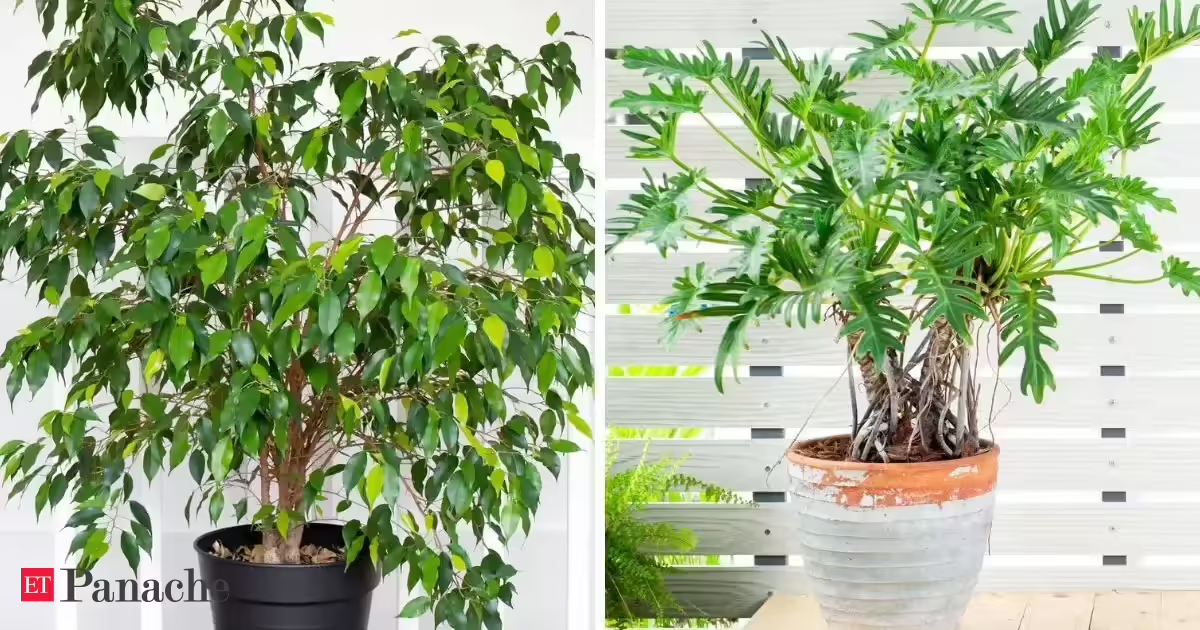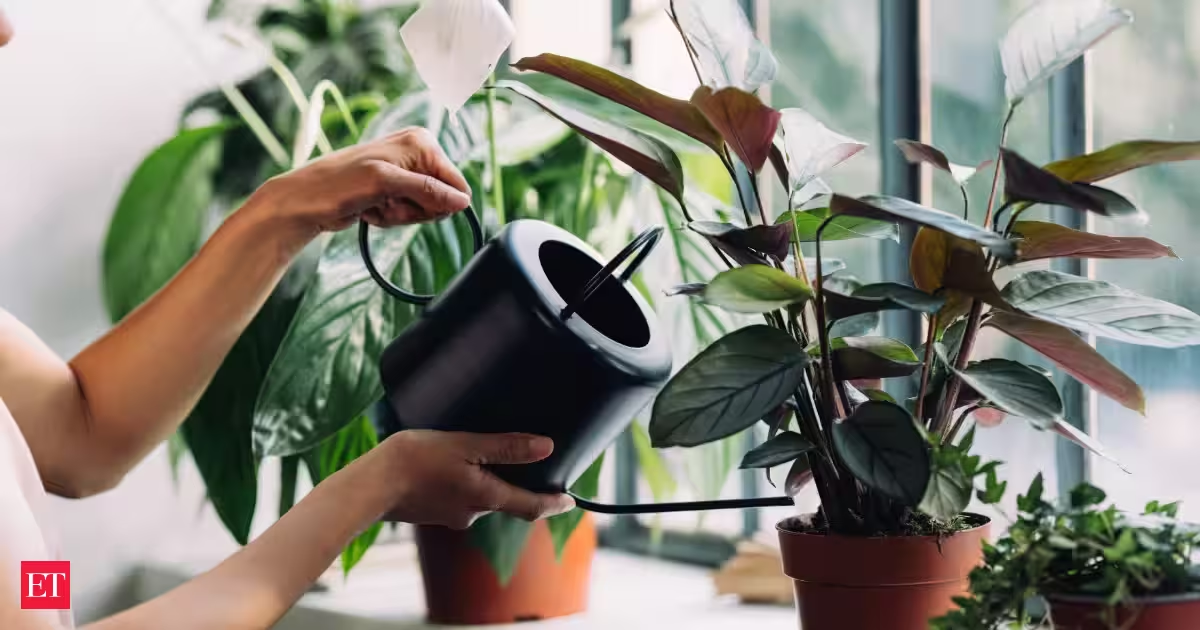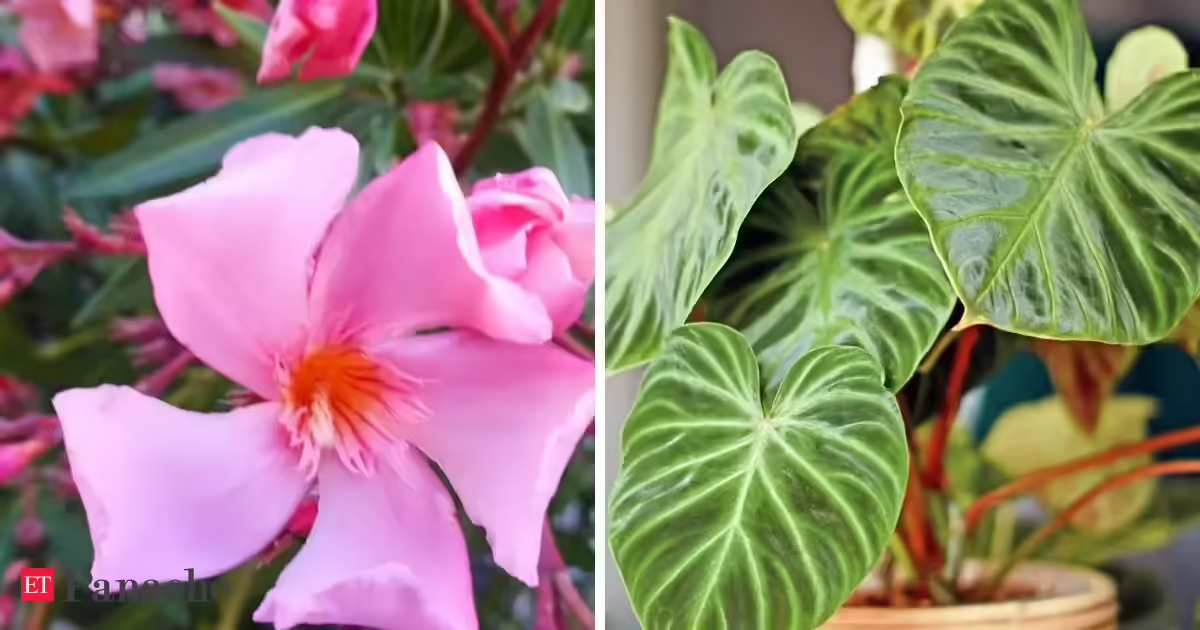
Some indoor plants look harmless, even beautiful enough to sit in your living room or bedroom without a second thought. But not everything green is safe to bring home. A few popular houseplants can quietly pose risks to pets, children, and even adults if handled carelessly. From skin irritation to severe poisoning if ingested, the danger often hides behind their decorative appeal.Indoor plants can bring calm, beauty, and freshness into a space, but they are not all equally safe. A little awareness can help you enjoy greenery at home without unintended risks. Here are five common indoor plants you might want to think twice about before adding to your home.OleanderOleander is often admired for its pretty flowers, but it is one of the most toxic ornamental plants out there. Every part of it, including leaves, stems, and flowers, contains compounds that can affect the heart. Even a small amount can cause nausea, vomiting, irregular heartbeat, and in severe cases, can be life-threatening if ingested. It is best kept far away from homes, especially those with children or pets.DieffenbachiaAlso known as dumb cane, Dieffenbachia is a very common indoor plant because it is low-maintenance and visually appealing. The problem lies in its sap. If chewed or even handled without care, it can cause intense burning sensations in the mouth and throat, swelling, and temporary speech loss. This is why it gets the nickname dumb cane. It should be placed cautiously, out of reach.PhilodendronPhilodendrons are widely used in indoor décor because of their lush green leaves and easy growth. However, they contain calcium oxalate crystals that can cause irritation if ingested. Symptoms include burning in the mouth, difficulty swallowing, and swelling. While rarely life-threatening, they can be very uncomfortable, especially for pets that tend to chew on leaves.English ivy English ivy is a popular trailing indoor plant that looks great in hanging pots and shelves, but it can be mildly toxic if ingested. It contains compounds called saponins that may cause stomach irritation, vomiting, and abdominal pain in pets and children. Even skin contact can sometimes trigger mild irritation in sensitive people. It grows aggressively, so indoors it also needs regular trimming and careful placement away from reach.Sago PalmSago palm might look like a mini tropical plant, but it is one of the most dangerous houseplants you can own. All parts are toxic, especially the seeds. Ingesting even a small amount can cause severe liver damage, vomiting, seizures, and can be fatal in pets. Despite its popularity in landscaping and indoor décor, it is strongly advised to avoid keeping it at home.
Never bring these 5 indoor plants home as they can be dangerous for you and your family
Many beautiful houseplants pose hidden dangers, ranging from skin irritation to severe poisoning if ingested. Oleander, Dieffenbachia, Philodendron, English Ivy, and Sago Palm are common indoor plants that can cause serious health issues for pets, children, and adults. Awareness and careful placement are crucial for enjoying greenery safely at home.
430 words~2 min read