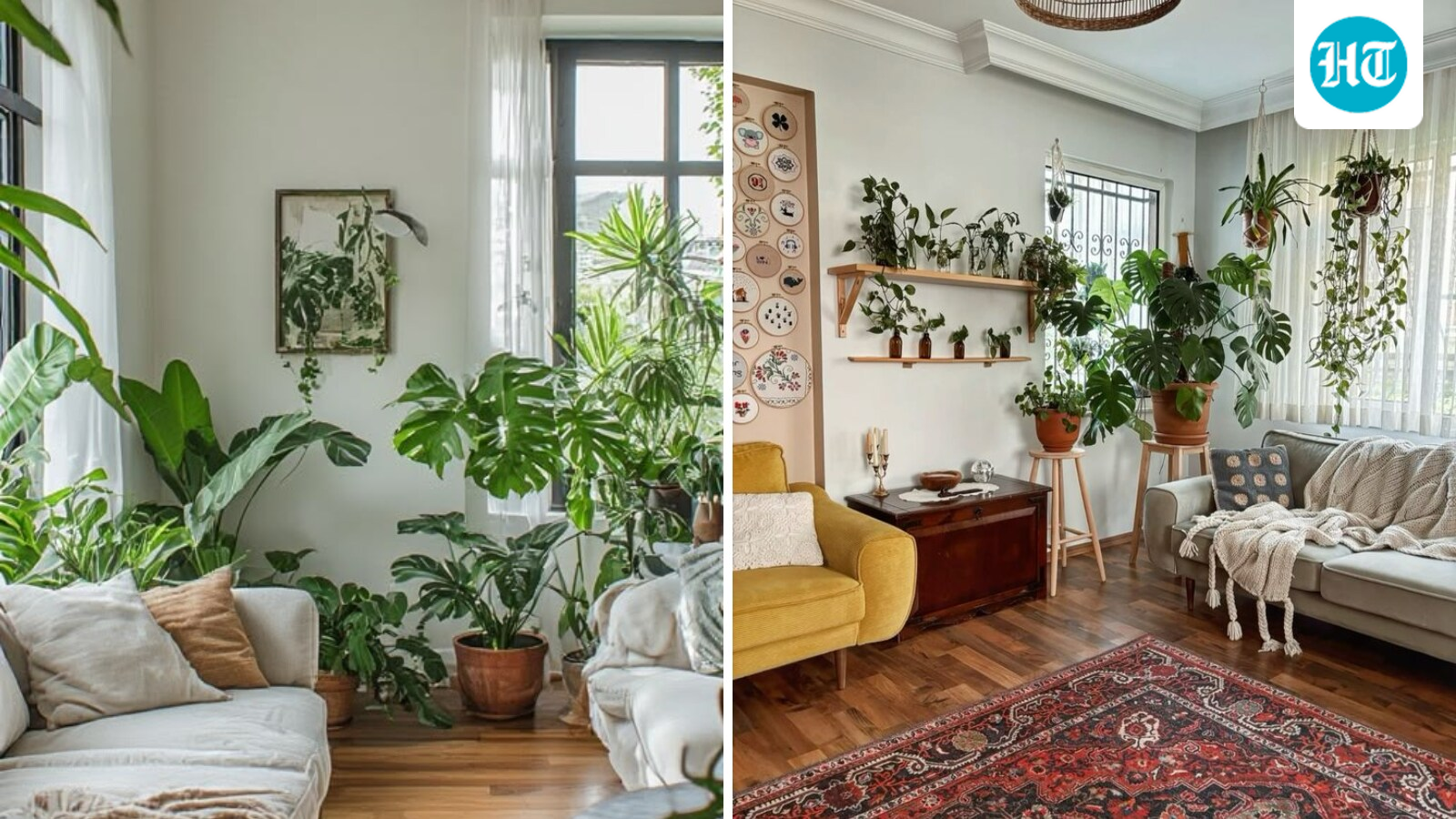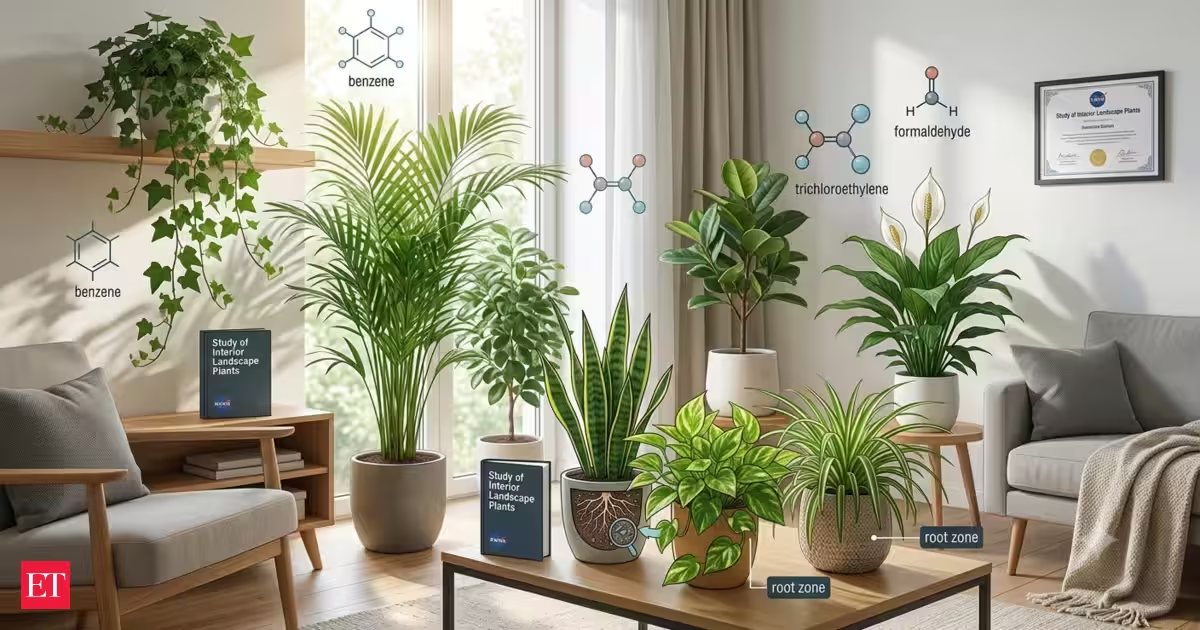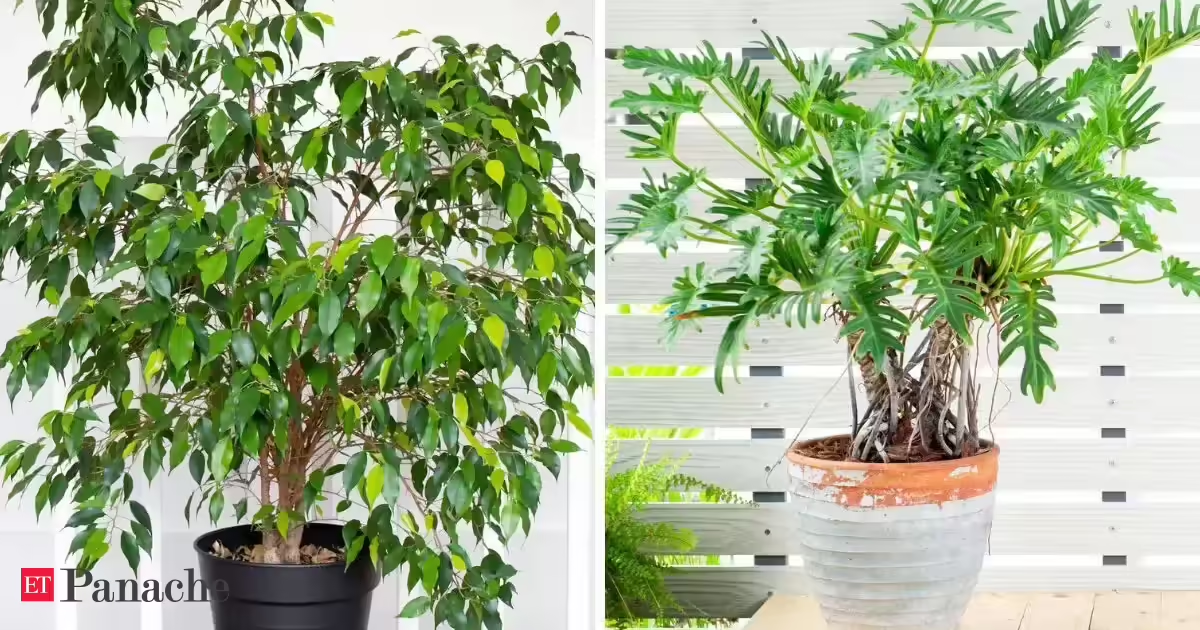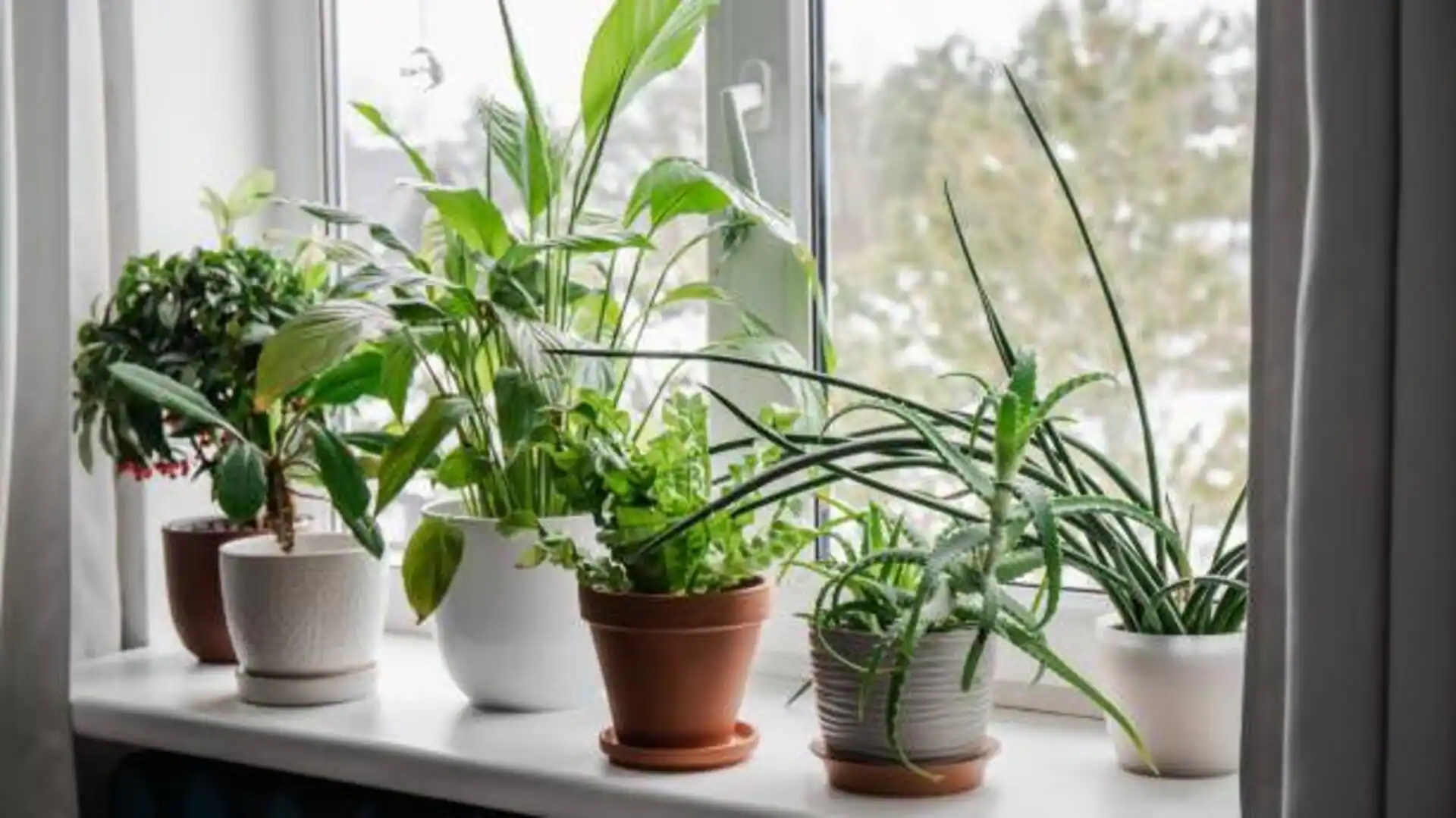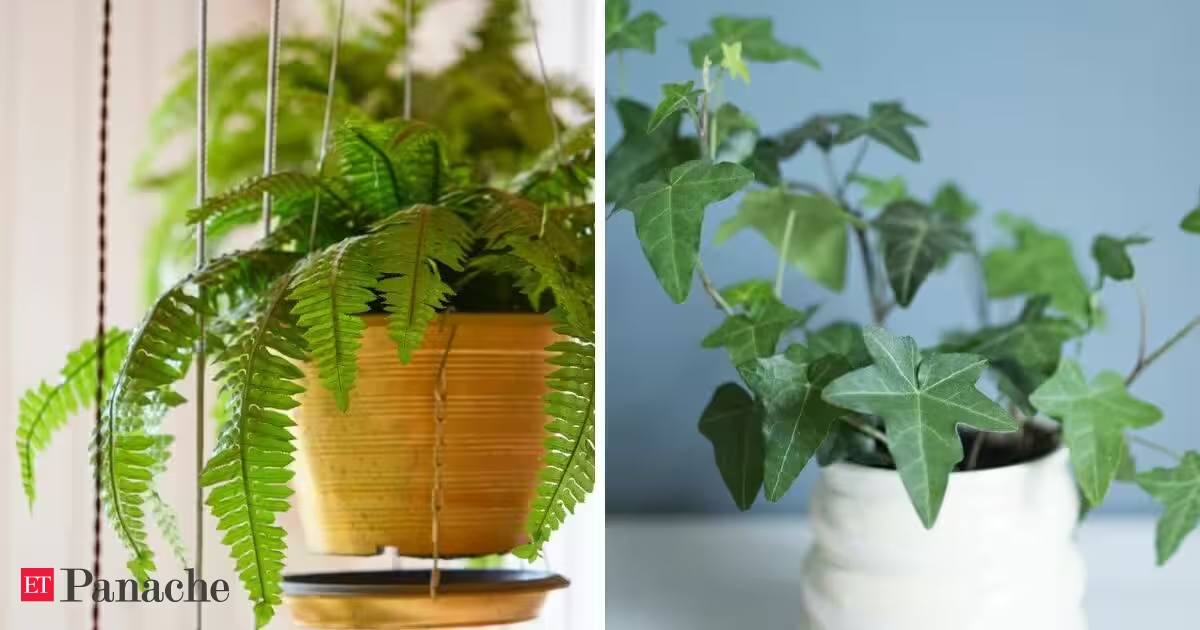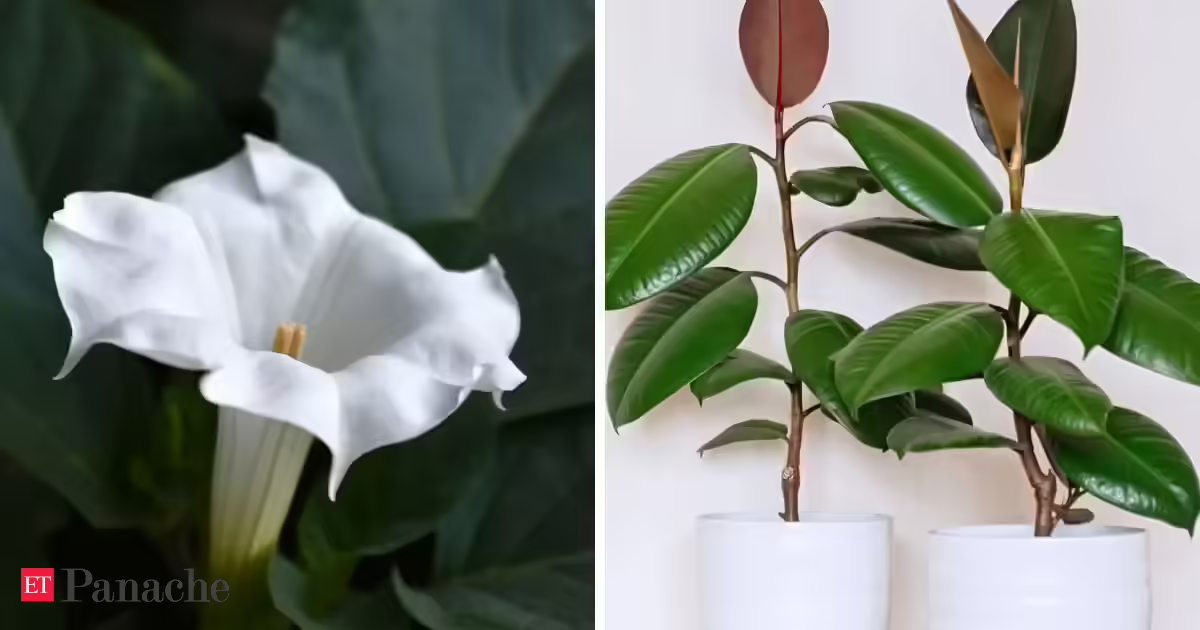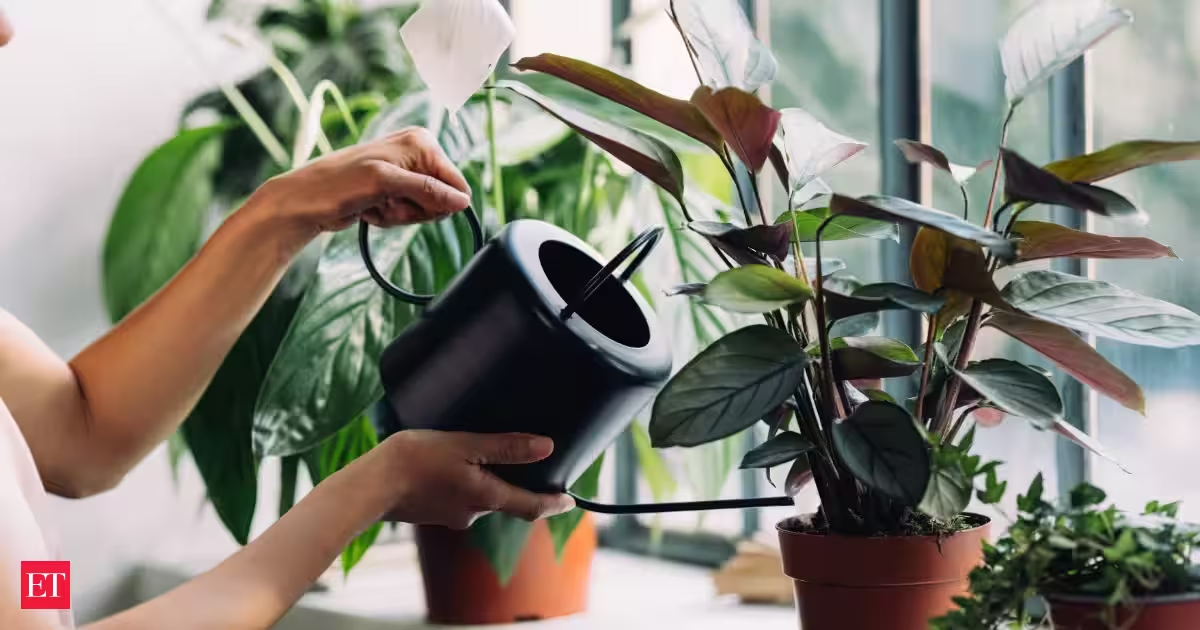
The well-known NASA Clean Air Study examined whether certain indoor plants could help remove volatile organic compounds (VOCs) from enclosed environments such as homes, offices and commercial spaces.Philodendron oxycardium – Heart leaf philodendronPhilodendron domesticum – Elephant ear (low concentrations)Philodendron selloum – Lacy tree philodendronChlorophytum elatum – Green spider plantScindapsus aureus – Golden pothosAglaonema modestum (written as Aglonema) – Chinese evergreenAloe veraBrassaia arboricola – Mini-scheffleraSpathiphyllum 'clevelandii' – Peace lilyPeperomia obtusifolia – PeperomiaDracaena fragrans 'massangeana' – Corn plantSansevieria trifasciata – Mother-in-law tongueGerbera jamesonii – Gerbera daisyChrysanthemum morifolium – MumsOyster PlantSpathiphyllum mauna loa – Peace lilyDracaena deremensis 'Warneckei' – WarneckeiDracaena marginata – MarginataChamaedorea seifrizii – Bamboo palmDracaena deremensis 'Janet Craig' – Janet CraigDracaena fragrans 'Massangeana' – Corn plantDo Indoor Plants Really Clean the Air?While the NASA study helped popularise the idea of using houseplants for indoor air purification, its findings came from controlled experimental conditions. Real-world homes have ventilation, air exchange and other factors that can significantly affect indoor pollutant levels.Therefore, houseplants can be a pleasant addition to indoor spaces and may offer well-being benefits, but they should not replace proper ventilation, source control or appropriate air-cleaning equipment when indoor air pollution is a concern.
NASA-recommended plants for indoor air quality: From Green Spider Plant to Peace Lily; here is the list of houseplants studied for their air-purifying potential
A recent study by NASA delved into how indoor plants can absorb volatile organic compounds. Notable plants, such as spider plants and peace lilies, were highlighted for their effectiveness. Nevertheless, the study cautions that indoor environments vary significantly from laboratory settings. While these houseplants enhance our well-being, they should complement proper ventilation rather than serve as a complete solution.
192 words~1 min read