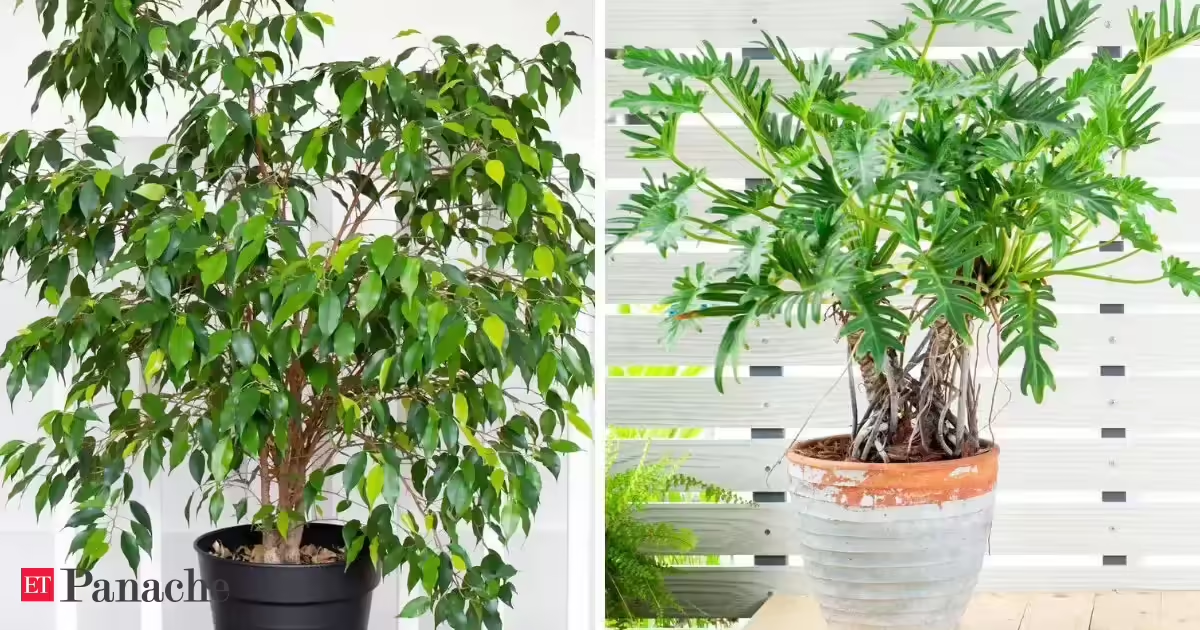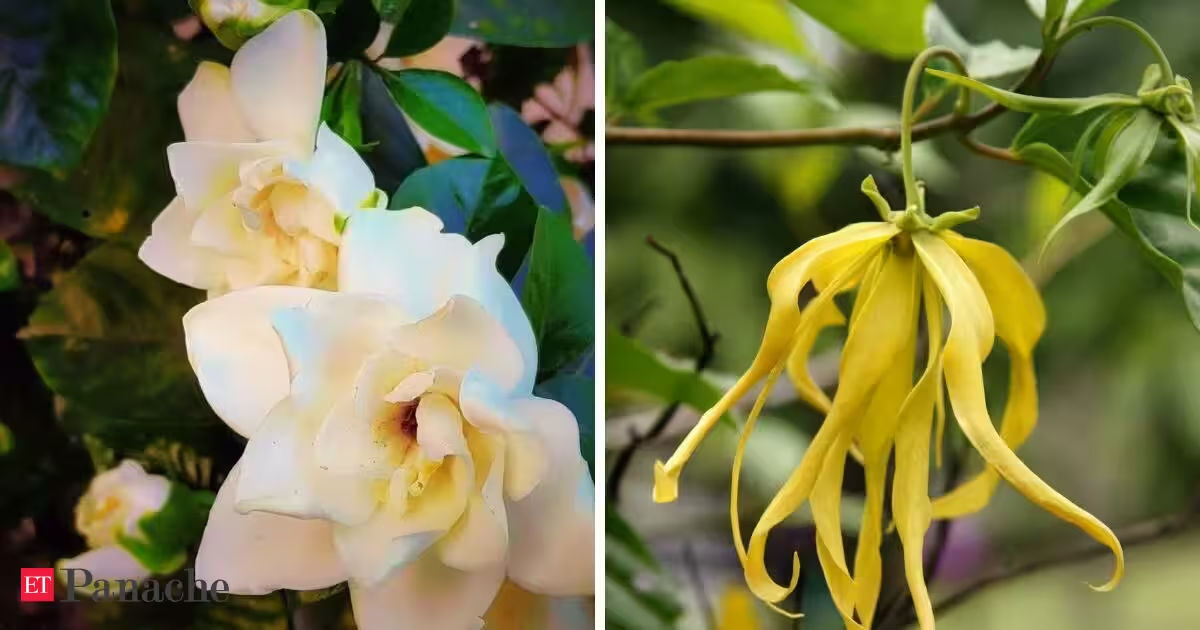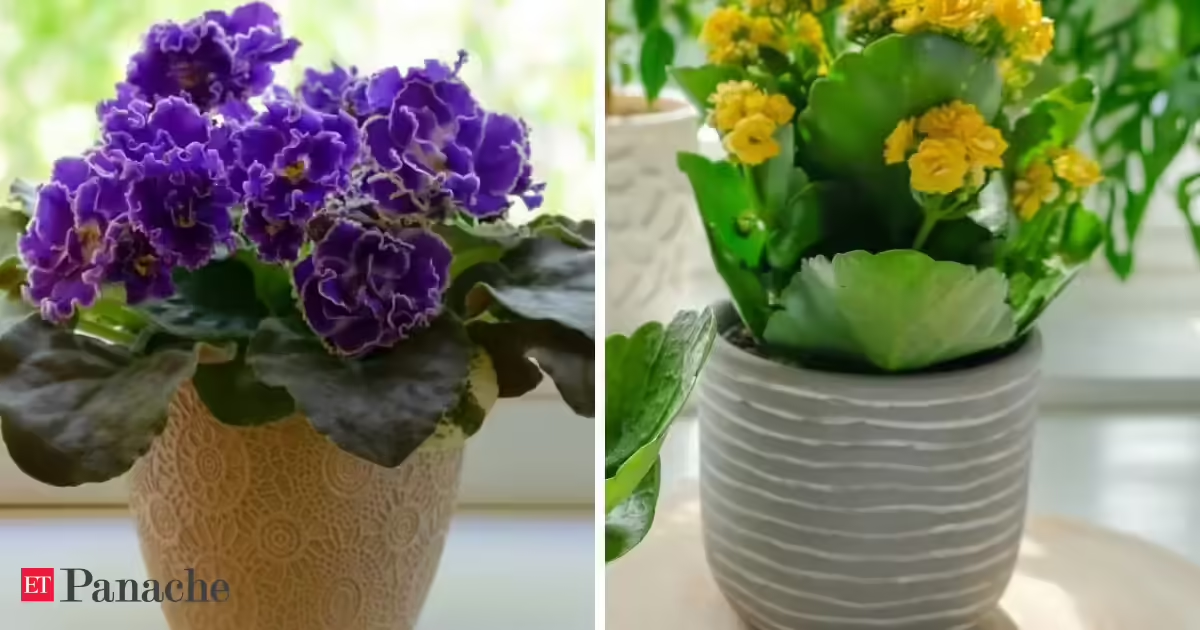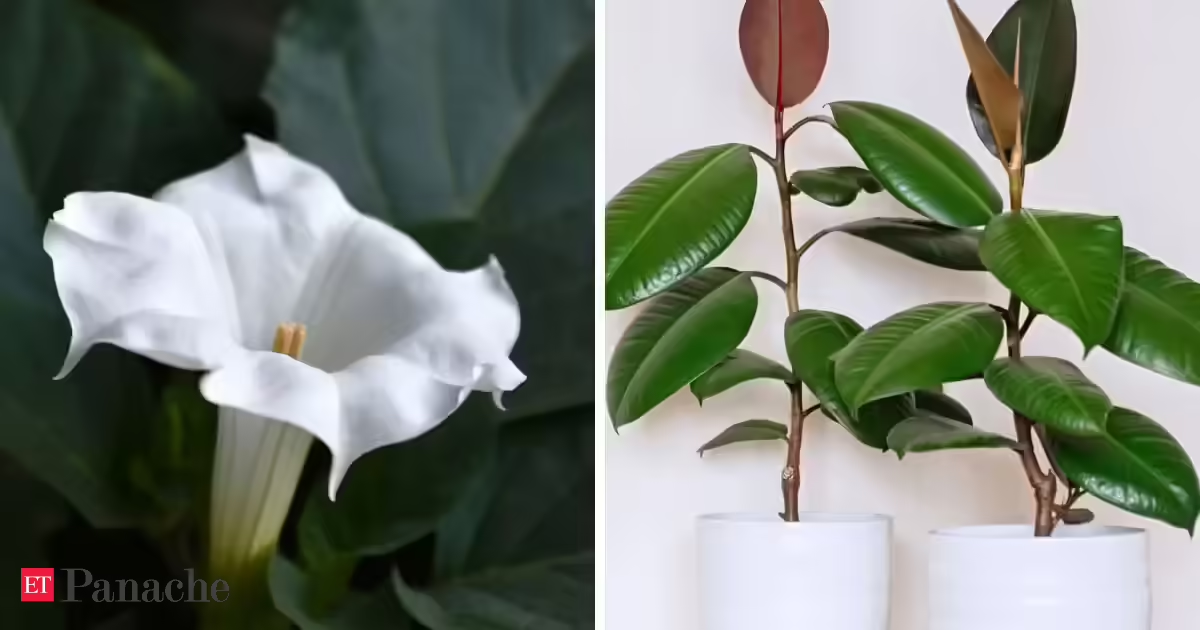
A few indoor plants can genuinely make a bedroom feel calmer, fresher, and more alive. But not every plant belongs where you sleep. Some release strong scents at night, some attract insects, and a few simply make the air more humid than comfortable. If your sleep feels a bit off lately or your room feels stuffy despite having plants, your green corner might need a small reset. Here are five plants that are better kept outside the bedroom.JasmineJasmine is beautiful and widely loved for its fragrance, but that scent is exactly why it can be a problem in a bedroom. The strong aroma may feel soothing at first, but it can become overwhelming in a closed space overnight. Some people also report disturbed sleep or mild headaches when it is kept too close while sleeping.LiliesLilies are elegant, but they are not ideal for indoor sleeping spaces. Their pollen can spread easily and may trigger allergies in sensitive individuals. The strong fragrance can also become intense in small rooms, especially when ventilation is limited. Keeping them in a living area or on a balcony is a safer choice. Although peace lilies are a better alternative for bedroom space. OleanderOleander is often admired for its flowers, but it is one of the more toxic ornamental plants. Even small contact with its sap can cause irritation. While it is not dangerous just by being in a room, it is not a plant you want anywhere near your sleeping space, especially if you have children or pets at home.DaturaDatura, sometimes called devil’s trumpet, is another visually striking plant that is not suited for bedrooms. It releases a strong scent at night and is also toxic in nature. Its fragrance can feel heavy in enclosed spaces and may affect sensitive individuals. It is best kept outdoors where airflow is strong and constant.Rubber plant (in excess)The rubber plant is popular for indoor decor, but having a large one in a small bedroom can backfire. It releases a latex-like sap and can contribute to higher humidity levels in poorly ventilated rooms. If the plant is oversized or kept in multiples, the room can start feeling stuffy rather than fresh.Reality check before adding a plant to bedroomPlants are not the problem. Placement is. Bedrooms are closed environments where airflow is limited, so strong scents, pollen-heavy plants, or toxic varieties can quietly affect comfort and sleep quality. If you want greenery in your bedroom, go for lighter, low-maintenance plants like snake plant or aloe vera instead. The goal is to make your sleep space calmer, not heavier.
Sleeping poorly? 5 plants you should remove from your bedroom right now for better sleep
Certain houseplants, while beautiful, can disrupt sleep and room comfort. Strong fragrances from jasmine and lilies, pollen from lilies, and toxicity in oleander and datura make them unsuitable for bedrooms. Even rubber plants, in excess, can increase humidity and stuffiness. Prioritize lighter, low-maintenance plants for a truly calming sleep sanctuary.
428 words~2 min read