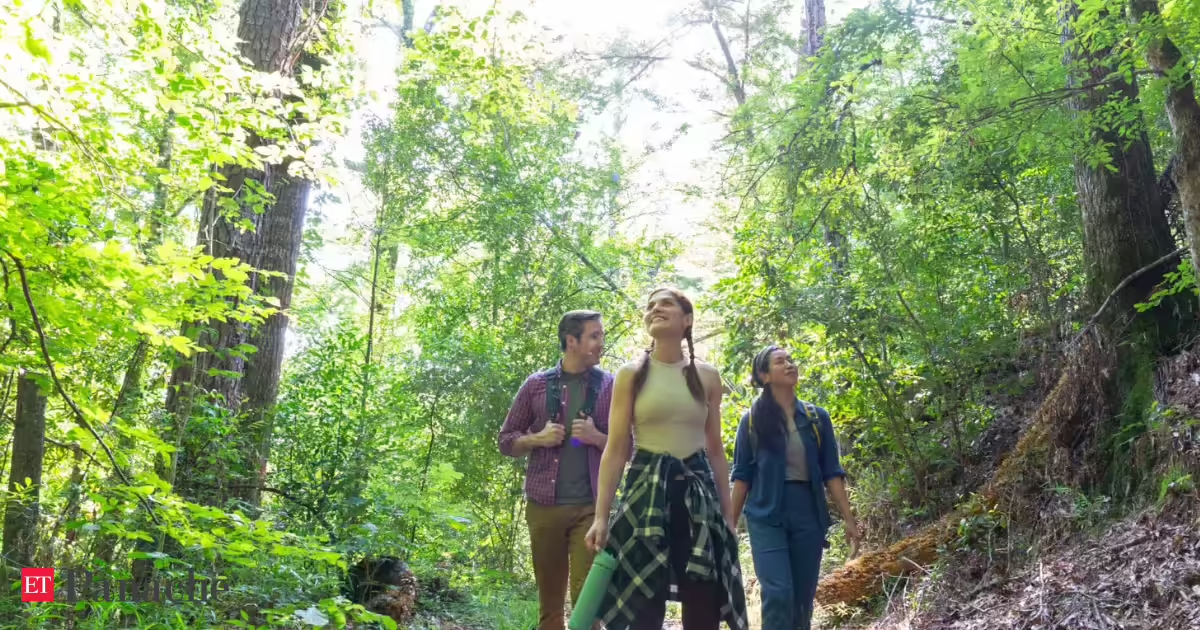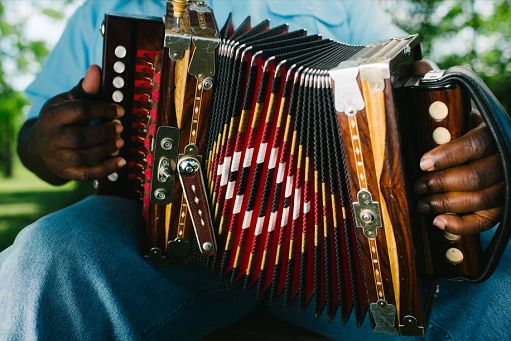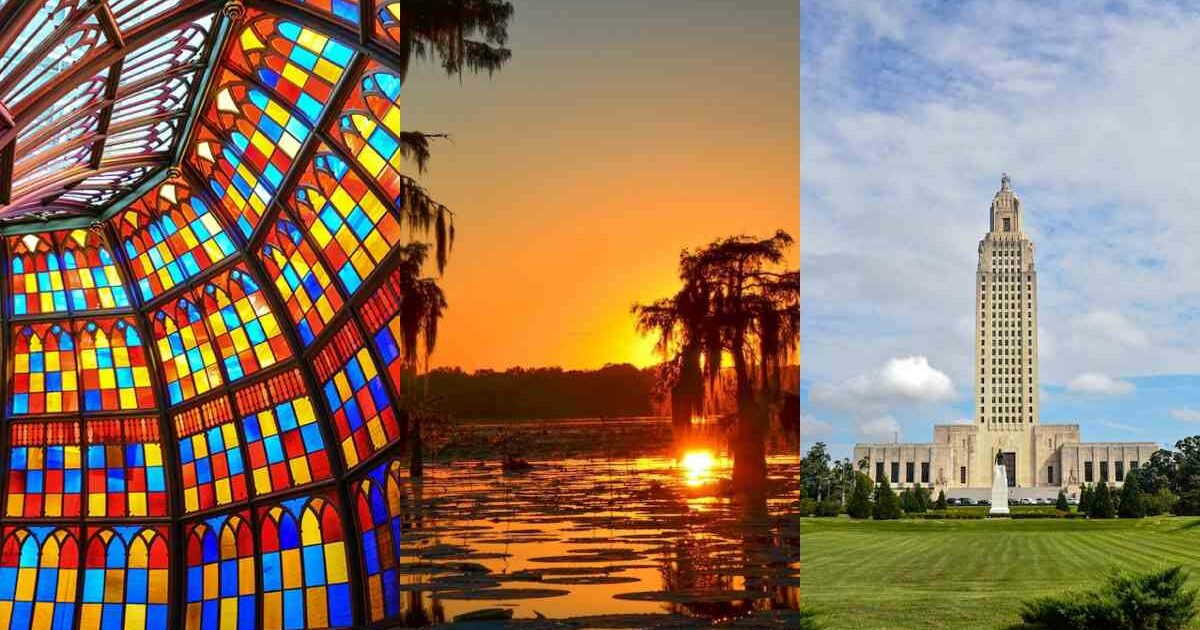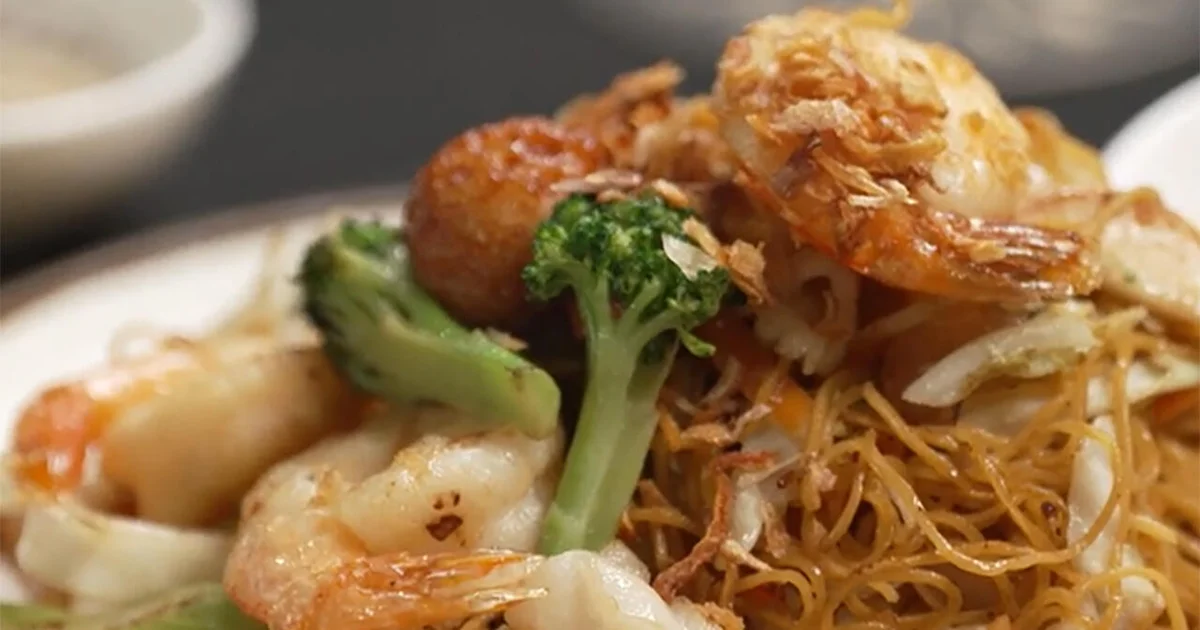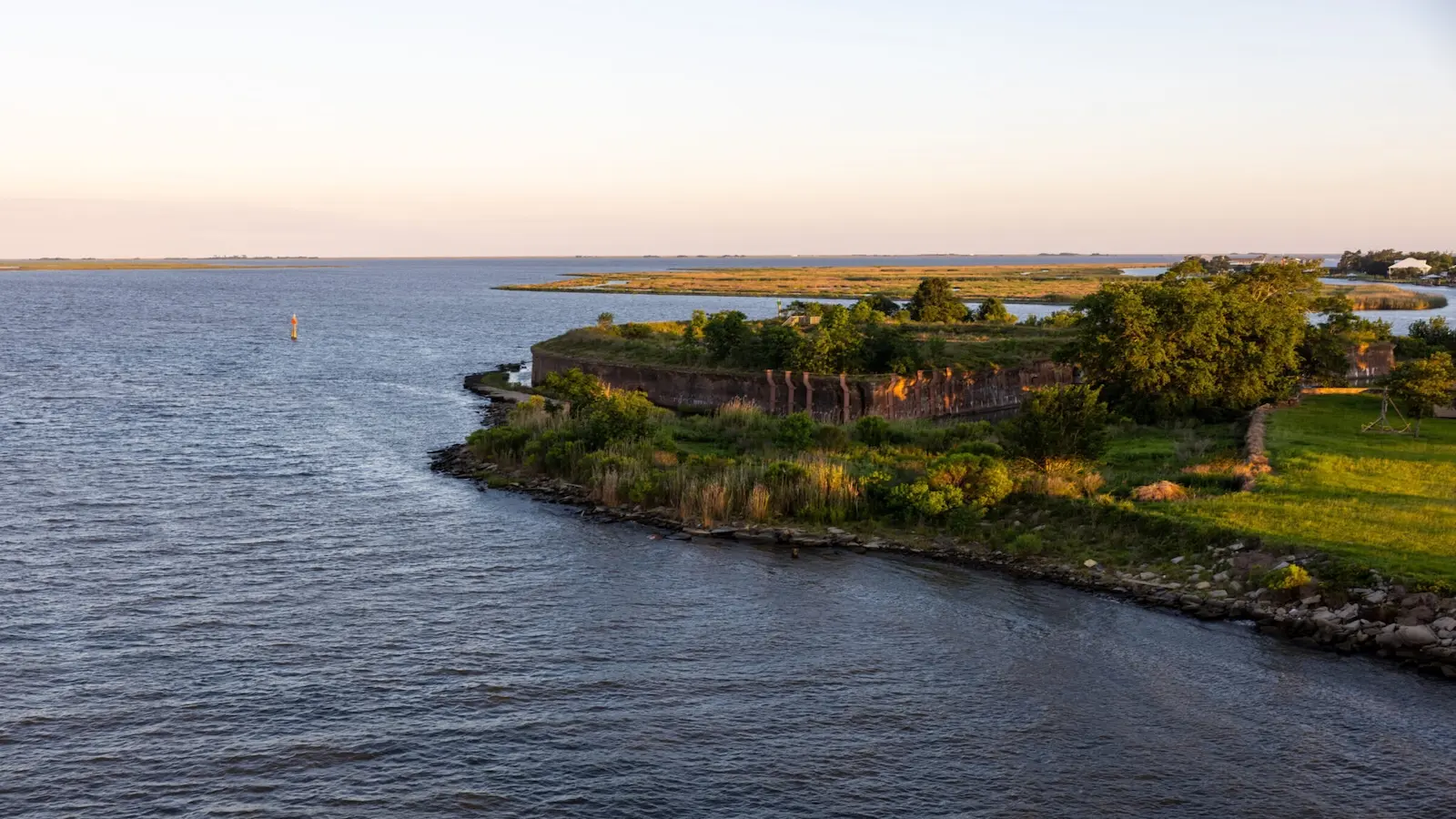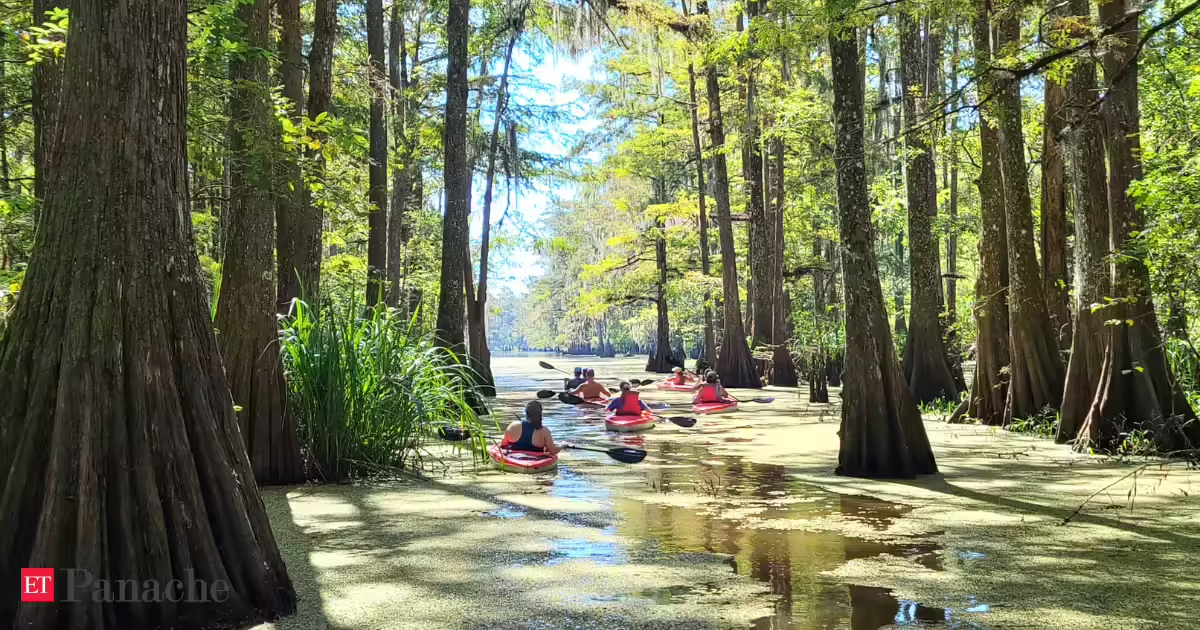
If New York is synonymous with its iconic skyline, its Wall Street gravitas, and Broadway theatre, all woven into its theory of motion, and Los Angeles with its Hollywood glamour, Louisiana is a soulful sojourn into murmuring waterways, mesmerising music, and memorable dishes. And it is in this coming together of sensory delights that time stops in Louisiana, where travellers can collect moments and savour small, sensuous discoveries that accumulate until the trip you planned feels like a guided lesson into history and culture. Water is the state’s protagonist. The bayous, swamps, wetlands, and the Mississippi’s patient width are not mere settings; they teach ways of living. Here, communities revere the seasonal ebbs and flow and their lives are tuned to nature’s rhythms. New Orleans is where this geographic vibrancy comes alive. The French Quarter’s facades and St. Louis Cathedral gives the city an unmistakable frame, but the essential city breathes in its neighbourhoods. From Magazine Street’s cafés to the Garden District’s historic homes that are architectural masterpieces, and Frenchmen Street’s clubs that feel less like venues and more like living rooms where musicians tell stories, each stop is steeped in its unique history, culture, and symbolism.The Atchafalaya Basin, best known for its cyprus-tupelo swamps, is an invitation to surrender to its ecological uniqueness. The largest river swamp in the United States is where the Atchafalaya River and the Gulf of Mexico meet to form an enormous river delta system. A naturalist might point out the season’s shift in bird migrations, explain the old ways of trapping and fishing, or recount how the basin has been both livelihood and refuge. In such quiet moments you will begin to see Louisiana’s ecology and culture woven together in a continuous narrative, rich with local traditions, tales, and rituals. ET SpotlightPlantation Country and Whitney Plantation are similarly reservoirs of a rich, layered history. At Whitney, the stories of enslaved people are etched into the walkways; here, resistance lives on to tell the story of bravery, courage, and protest.Avery Island offers a different kind of experience. The Tabasco factory and its museum is a culinary ode to a single, persistent flavour. A single bottle holds a larger story of land, soil, language, and family enterprise. Art and architecture are another intriguing facet of this unfolding journey, where the state’s visual history offers a multitude of experiences. The Ogden Museum of Southern Art houses a memoir of the region’s aesthetics, while contemporary galleries, such as LeMieux, Gallery 600 Julia, and Arthur Roger, show how local sensibilities can tell stories that resonate with people from around the world. An anatomy of sound and spiceLafayette sits at the heart of Cajun and Zydeco life, where dances are much more than routine or commercialised tourist spectacles but kinship rituals that represent a vibrant community spirit. Similarly, food here carries the tides of seasonal flow and is a testament to the collective labour of indigenous people who have persevered to preserve their culinary heritage.ET SpotlightIndeed, music and food here are less of attractions and more of languages. They bear the legacy of a distinct cultural need, that of dance, protest, prayer, and memory. A brass band in New Orleans carries the weight of public ceremony and jubilant mourning; a zydeco set in Lafayette answers to the pull of memory and home. A gumbo in one kitchen tastes different from a gumbo in the next because of the differences in the preserved tastes and textures. Taste becomes a way of learning where you are. Festivals, most famously Mardi Gras, are not merely pageants but carnivalesque rituals: they reveal how community defines itself, points to kinship and continuity, and reminds travellers that these performances are practised for neighbours first.The legendary jazz musician Louis Armstrong once said: “If you have to ask what jazz is, you’ll never know.” But beyond New Orleans’ jazz legacy, Louisiana gave birth to zydeco and Cajun music and has inspired blues, country, gospel, rock, rap and hip-hop in their various Southern dialects. If you are a traveller who loves to lose themselves to the wonders of worlds that are beyond your own culture, then Louisiana is where you will find solace. It will invite you to listen to the accordion and fiddle, and the French-language Cajun songs inherited from parents and grandparents from across community tables. Zydeco is related but distinct: it grew from Creole and African-American traditions and blends blues and Afro‑Caribbean rhythms, while Cajun music comes from the Acadian (French-speaking) rural communities and features the accordion, fiddle, French lyrics, two-steps and waltzes. The food follows the same woven and spirited temperament. Creole and Cajun kitchens grew from necessity. Creole, which is more urban, was born in New Orleans’, and Cajun, which is somewhat more rural, is practised in the countryside. However, even though these terms indicate different geographies and histories, both spring from the same pattern of mixing methods and ingredients from varied culinary cultures. French cooking methods met Native American ingredients. German settlers opened bakeries and grew vegetables. Spanish rule brought peppers and tomatoes. Enslaved African cooks worked in plantation kitchens and developed roux-based techniques and other stews that became cornerstones of Louisiana food. The Acadians, who later became the Cajuns, settled in the countryside, planted gardens, and learned to cook with what the land provided. Over time, these influences blended with home-grown spices, red peppers, onions, garlic, and bell pepper, to create the distinctive, layered flavours of Cajun and Creole cuisine. That history is tangible when you eat here. Gumbo, a dark, velvety stew built on roux and layered with meats or seafood, vegetables, and long-simmered seasoning, arrives as a kind of local love letter, ladled over rice. Jambalaya, traces its kinship to Spanish paella. Meanwhile, étouffée’s thick, sauced shellfish is a labour of love, even as beignets dusted in sugar are a comfort food to be enjoyed at a serene café. The “holy trinity” of onion, celery, and bell pepper underpins these dishes, while methods such as smothering and roux-making are practices passed down like family secrets. These are also practices once run by enslaved cooks in family kitchens, rendering the dishes layered with movements insisting on remembering. That layered origin is part of what gives Louisiana’s food its intensity.The call for slow travelIn the Year of Outdoors, where Louisiana invites visitors to discover the state’s quieter side, travelling respectfully can mean sharing, learning, and listening. Choose operators whose naturalist-led swamp cruises and small-group kayak trips are run by people from the communities you are passing through. Seek out chef-led culinary experiences that take you through the course of history, culture, and memory through the stories the dishes choose to tell. Partake of a parish-level celebration or join an indie musical venue that refuses to be packaged into fast tourism.ET SpotlightWhat sets Louisiana apart from metropolitan hubs is not a lack of sophistication but a different metric for value. This is a story to be told through natural beauty, cultural diversity, and music and food that are an ode to local arts and practices. You do not arrive here to consume a city like a curated exhibit; you arrive to be part of a shared experience with local communities even if briefly, and to understand the meanings of the varied cultural forms and culinary and musical traditions, and learn to respect local customs. By the end of any visit, the symphony of sound and spice will tell an intimate story. The keen and curious traveller in you will leave with small discoveries: the local legend behind the particular phrasing of a song, an unexpected conversation with a guide, or the tale of a lover that inspired the secret to a roux. And such a sensory immersion can never be achieved through a template-led travel brochure. Louisiana’s authenticity can only be lived, shared, and cherished.For official details and bookings, see the state’s site: https://www.explorelouisiana.com/
A symphony of spice and sound: Louisiana’s “Year of Outdoors” theme offers local musical treasure trove and culinary experiences
Louisiana offers a soulful escape, weaving together waterways, music, and cuisine. From New Orleans' vibrant neighborhoods to the Atchafalaya Basin's ecological wonders and Avery Island's culinary heritage, the state invites travelers to immerse themselves in its rich history and culture. Discover the heart of Cajun and Zydeco life, where food and music are languages of community and memory, promising a deeply authentic and sensory experience.
1,330 words~6 min read