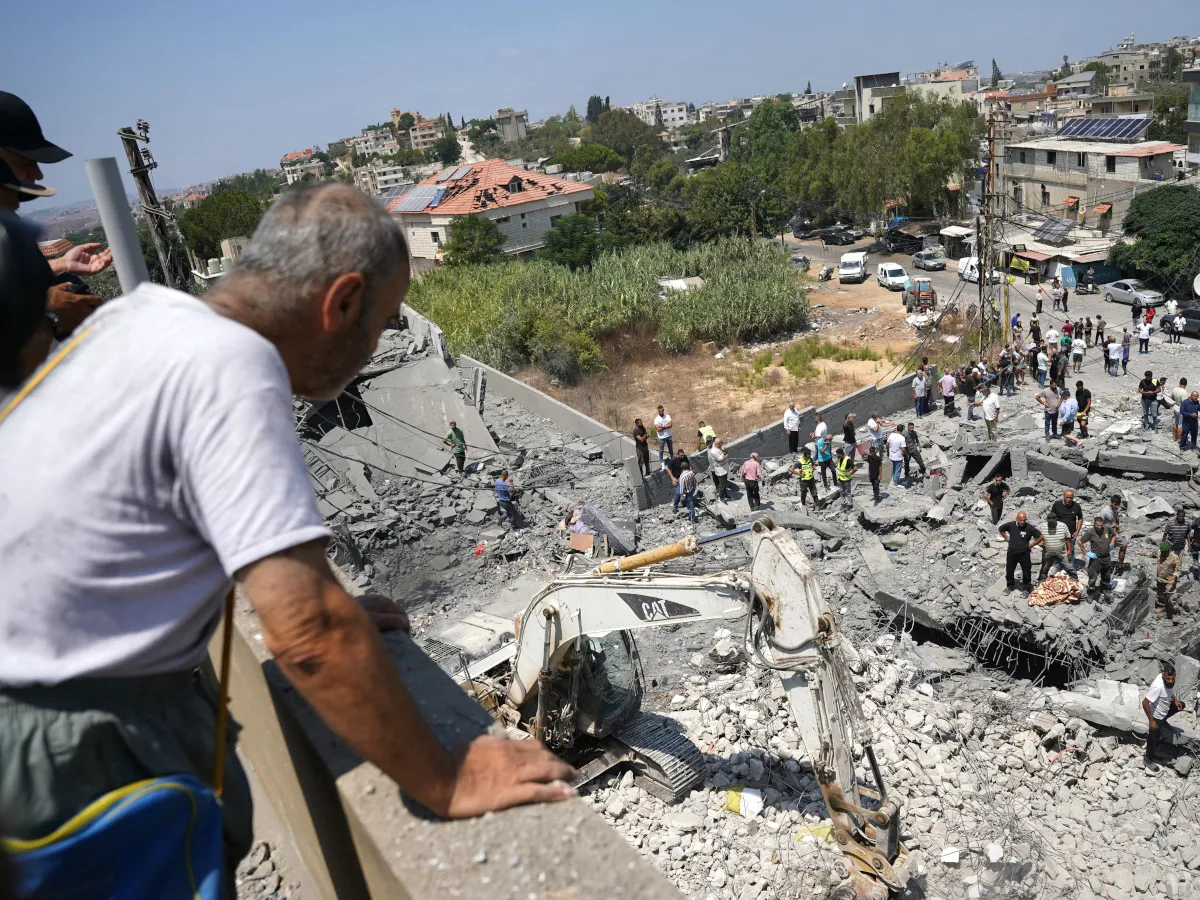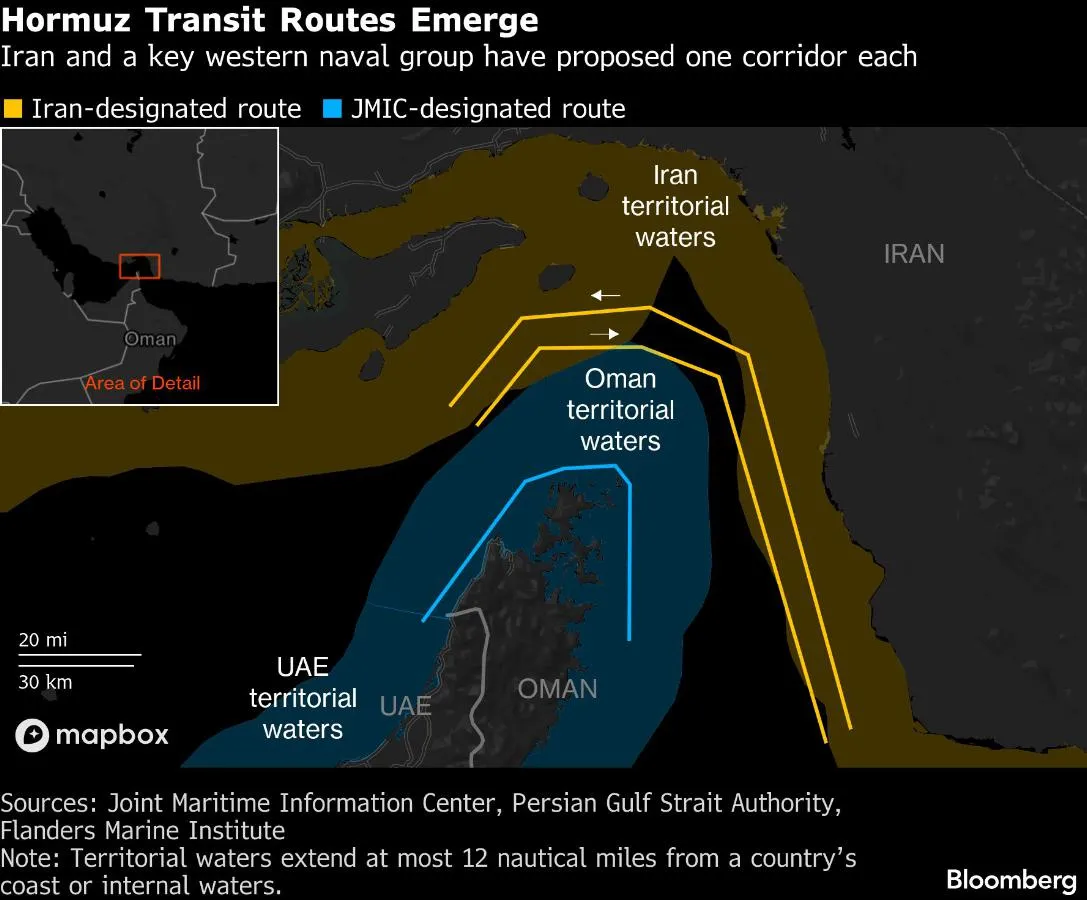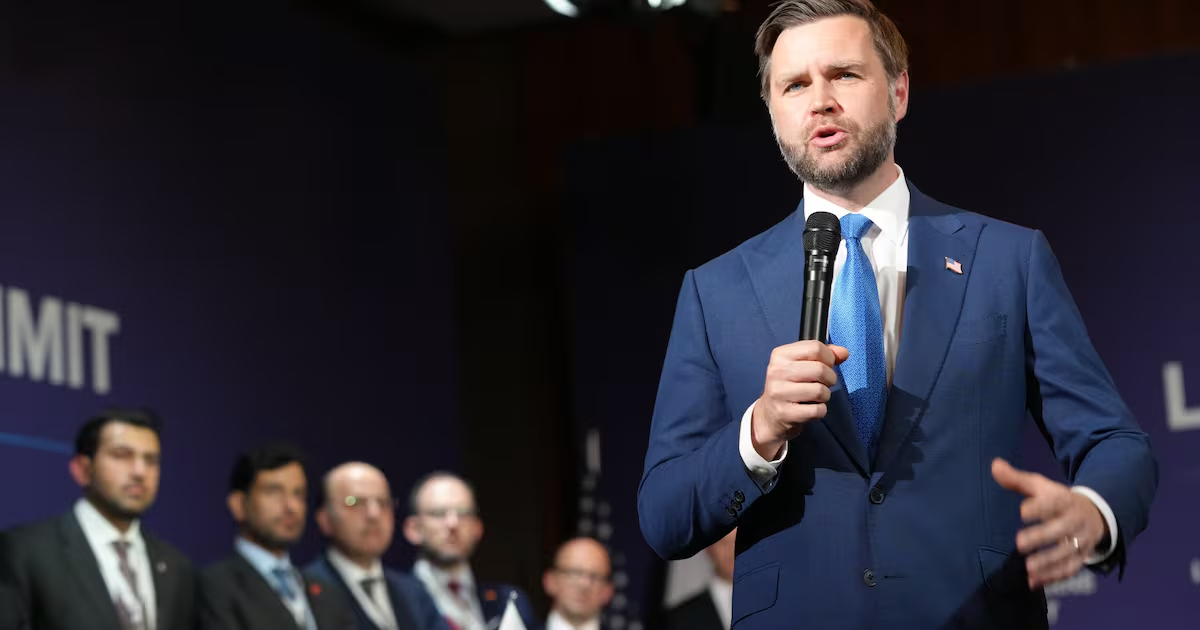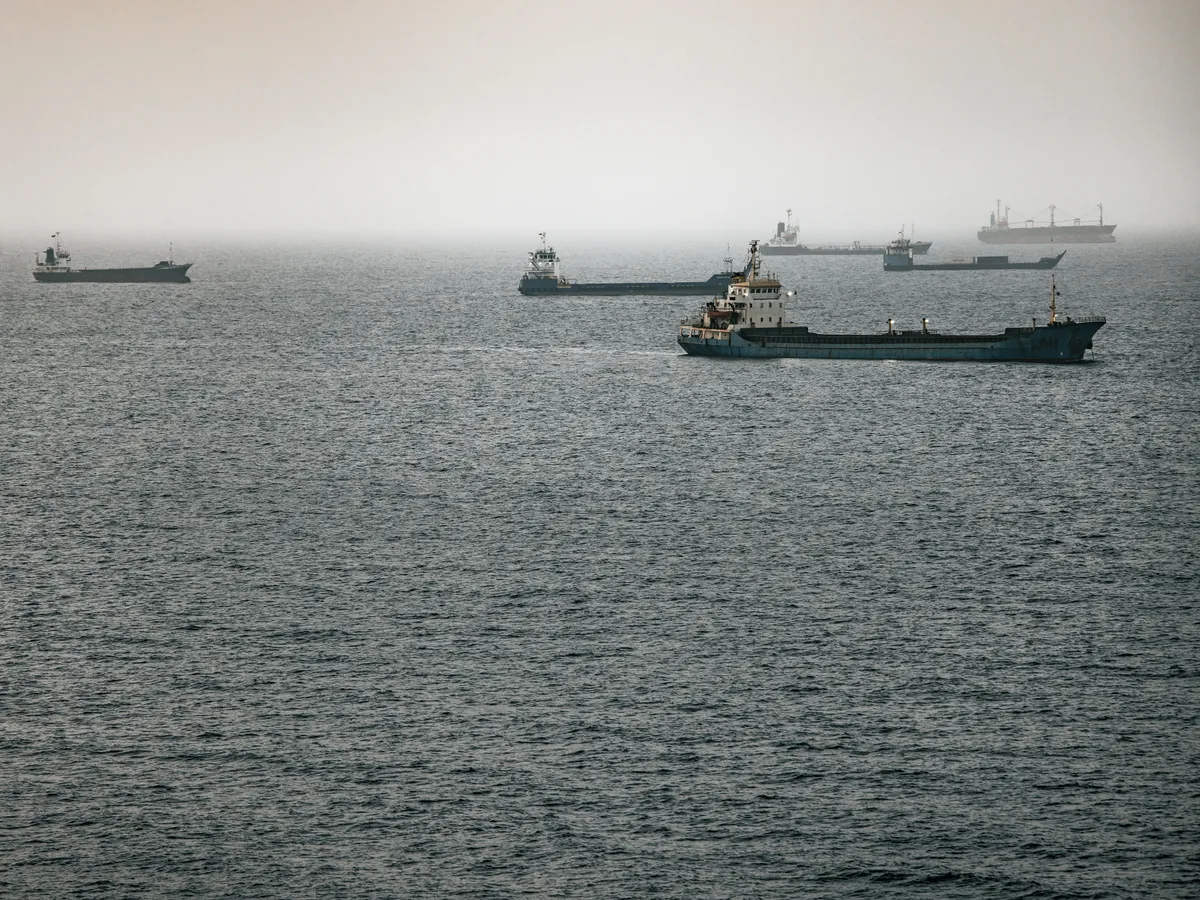
Skip to Content Subscribe Our Offers My Account Manage My Subscriptions FAQ Newsletters Canada Canadian True Crime Canadian Politics Health World Israel & Middle East Financial Post NP Comment Longreads Puzzmo Diversions Comics NP News Quiz New York Times Crossword Horoscopes Life Eating & Drinking Style Sponsored Play for Ontario Travel Travel Canada Travel USA Travel International Cruises Travel Essentials Culture Books Celebrity Movies Music Theatre Television Business Essentials Advice Lives Told Tails Told Shopping Buy Canadian Home Living Outdoor Living Kitchen & Dining Tech Style & Beauty Personal Care Entertainment & Hobbies Gift Guide Travel Guide Amazon Prime Day Deals Savings National Post Store More Sports Hockey Baseball Basketball Football Soccer Golf Tennis Driving Vehicle Research Reviews News Gear Guide Obituaries Place an Obituary Place an In Memoriam Classifieds Place an Ad Celebrations Working Business Ads Archives Healthing Epaper Manage Print Subscription Profile Settings My Subscriptions Saved Articles My Offers Newsletters Customer Service FAQ Newsletters Canada World Financial Post NP Comment Longreads Puzzmo Diversions Life Shopping Epaper Manage Print Subscription HomeNP CommentMohamed Fahmy: Geneva talks boost Hezbollah and Iran, but fail to secure peaceThe Islamic Republic is the main beneficiary of American plan to settle Strait of Hormuz conflictLast updated 13 hours ago You can save this article by registering for free here. Or sign-in if you have an account.Crude oil tankers, bulk carriers and vessels sit anchored around Qaboos Port on June 22, 2026 in Muscat, Oman. Photo by Elke Scholiers/Getty ImagesThe conclusion of the first round of U.S.-Iran talks in Geneva on Monday has not brought any real breakthroughs.Enjoy the latest local, national and international news.Exclusive articles by Conrad Black, Barbara Kay and others. Plus, special edition NP Platformed and First Reading newsletters and virtual events.Unlimited online access to National Post.National Post ePaper, an electronic replica of the print edition to view on any device, share and comment on.Daily puzzles including the New York Times Crossword.Support local journalism.Enjoy the latest local, national and international news.Exclusive articles by Conrad Black, Barbara Kay and others. Plus, special edition NP Platformed and First Reading newsletters and virtual events.Unlimited online access to National Post.National Post ePaper, an electronic replica of the print edition to view on any device, share and comment on.Daily puzzles including the New York Times Crossword.Support local journalism.Create an account or sign in to continue with your reading experience.Access articles from across Canada with one account.Share your thoughts and join the conversation in the comments.Enjoy additional articles per month.Get email updates from your favourite authors.Create an account or sign in to continue with your reading experience.Access articles from across Canada with one accountShare your thoughts and join the conversation in the commentsEnjoy additional articles per monthGet email updates from your favourite authorsSign In or Create an AccountorQatari and Pakistani mediators announced that day that the two sides agreed on a roadmap to reach a deal in 60 days, claiming there had been “encouraging progress” toward a lasting peace. However, they have yet to finalize a comprehensive agreement, and as Vice-President JD Vance sat at the negotiating table in Geneva, President Donald Trump appeared determined to complicate the effort. He issued threats over social media and, in a phone interview with Fox News, he declared, “You close (the Strait of Hormuz) and you won’t have a country.”At one point during the talks, the Iranian delegation threatened to walk out in protest, but it has since become more accustomed to interpreting Trump’s unpredictable rhetoric. Mohammad Bagher Ghalibaf, Iran’s chief negotiator and speaker of parliament, dismissed the remarks as a sign of Washington’s “desperation,” warning U.S. officials to “be careful with their statements” and adding that Iran’s armed forces “are ready to respond.”This newsletter from NP Comment tackles the topics you care about. (Subscriber-exclusive edition on Fridays)By signing up you consent to receive the above newsletter from Postmedia Network Inc.We encountered an issue signing you up. Please try againIn the closing press conference following the talks, Vance sought to cast the outcome as a breakthrough, pointing to what he described as early progress.“This is probably what we’re most excited about as Americans,” he said. “The Iranians have agreed to invite (International Atomic Energy Agency) inspectors back into their country. That is a major milestone for the American people and the first step in permanently denuclearizing, or permanently ending, a nuclear weapons program in Iran.”But the substance behind those claims remains opaque. Iran has denied Vance’s claims, and if Washington is presenting this as a meaningful concession, Iran has never fully cut off cooperation with the International Atomic Energy Agency. Inspectors were in the country as recently as earlier this month, including at the Bushehr nuclear power plant, which itself was struck multiple times during the height of the conflict.What is still unknown is what, if anything, has actually changed. It is unclear whether access would include high-security sites such as Fordow and Natanz, or whether inspections would amount to sustained, intrusive monitoring capable of detecting diversion or concealment.A clear and undisputed win for Iran under the framework agreed in Switzerland is the reported U.S. issuance of a 60-day sanctions waiver on Monday. This will allow Tehran to legally resume crude oil sales, potentially generating over $60 billion annually, in addition to petroleum and petrochemical exports, and banking and transportation services, for the first time since the 2018 nuclear deal.Prior to the waiver, Iran had been forced to rely on a shadow network of so-called “ghost fleets” — tankers operating under foreign flags, with obscured ownership and crews, and constant exposure to the risk of interdiction. As a result, it was often compelled to sell oil at steep discounts to a limited pool of willing buyers.In their joint statement late Monday, Qatari and Pakistani mediators addressed what remains the central threat to regional stability: the fighting in Lebanon.“The parties agreed on the creation of a de-confliction cell, between the parties, the Lebanese Republic and facilitated by the Mediators, to ensure the adherence of the termination of military operations in Lebanon,” they wrote.Notably, the text deliberately avoided naming either Israel or Hezbollah, as neither is a direct signatory to the framework. Yet their actions over the next 60 days will be decisive in determining whether this arrangement can hold or whether it unravels under the weight of continued escalation.If this is to succeed, the upcoming Israeli-Lebanon peace talks must approve a pilot program in which the under-equipped Lebanese Armed Forces are expected to deploy to southern Lebanon to begin dismantling Hezbollah’s military infrastructure.During my numerous visits to Lebanon in the past, including to the country’s south as a member of the International Committee of the Red Cross, I witnessed how deeply entrenched the Iranian-backed militia is within society, and how it also functions as a lifeline for segments of the Shia population now bearing the brunt of the conflict far from central Beirut. The Lebanese army is inadequately equipped for disarming Hezbollah and, in my assessment, unlikely to make a meaningful effort to do so.The reality remains that the Iran-backed militia operates as a state within a state. Many Lebanese people had informed me that they believe Hezbollah has effectively held the country hostage to its own agenda — one historically shaped and directed by Iran’s broader regional strategy.In response, Defense Minister Israel Katz said Wednesday that Israel will not withdraw from its established “security zone” in southern Lebanon, which Israeli officials view as essential to protecting northern communities from Hezbollah attacks and maintaining a physical buffer from the militant group.As talks in Geneva began, some Israeli media had suggested the possibility of a partial pullback in selected areas. However, I see this largely as symbolic positioning for the sake of negotiations, and as a gesture aimed at appeasing Trump, who is seeking any form of political victory from the so-called peace talks.Hezbollah has not been receptive. Last week, its leadership quickly responded to the preliminary U.S.-Iran deal to end the war when it was leaked last week, framing it in defiant and dismissive terms. Last Thursday, senior figure Mohammad Raad said Israel had 60 days to fully withdraw from southern Lebanon.On Sunday, Hezbollah Secretary-General Naim Qassem said the group would reject any arrangement granting the Israel Defense Forces “free rein” or operational presence inside Lebanese territory.The deal has alarmed analysts because Iran gets to control the Strait of Hormuz and collect “maritime service fees” from passing vessels. From this the country will gain direct dollar inflows into its banking system from sanctioned oil sales under the waiver framework, alongside a reported $300 billion international fund for long-term reconstruction.Who is paying for it? Trump insists it is not U.S. taxpayer money, but rather funding drawn from private international investors and a Gulf coalition that includes oil-rich nations such as Saudi Arabia and the United Arab Emirates.At the same time, serious questions remain about how Iran will use any influx of funds — and how much of it could ultimately be directed toward strengthening its regional proxies, including Hezbollah in Lebanon and Iraq, and the Houthis in Yemen, who were part of the original problem. This concern is one of the key factors that helped trigger the broader conflict in the first place and could, in effect, be interpreted as a strategic victory for Iran.Ultimately, the central question is not simply who secured the better deal, but what this agreement will mean for the long-term stability of the Middle East.National PostMohamed Fahmy is an award-winning journalist who has covered the Middle East for numerous outlets, including CNN, Al Jazeera, the Los Angeles Times and Foreign Policy. Join the Conversation This website uses cookies to personalize your content (including ads), and allows us to analyze our traffic. Read more about cookies here. By continuing to use our site, you agree to our Terms of Use and Privacy Policy.
Mohamed Fahmy: Geneva talks boost Hezbollah and Iran, but fail to secure peace
The Islamic Republic is the main beneficiary of American plan to settle Strait of Hormuz conflict
1,633 words~7 min read