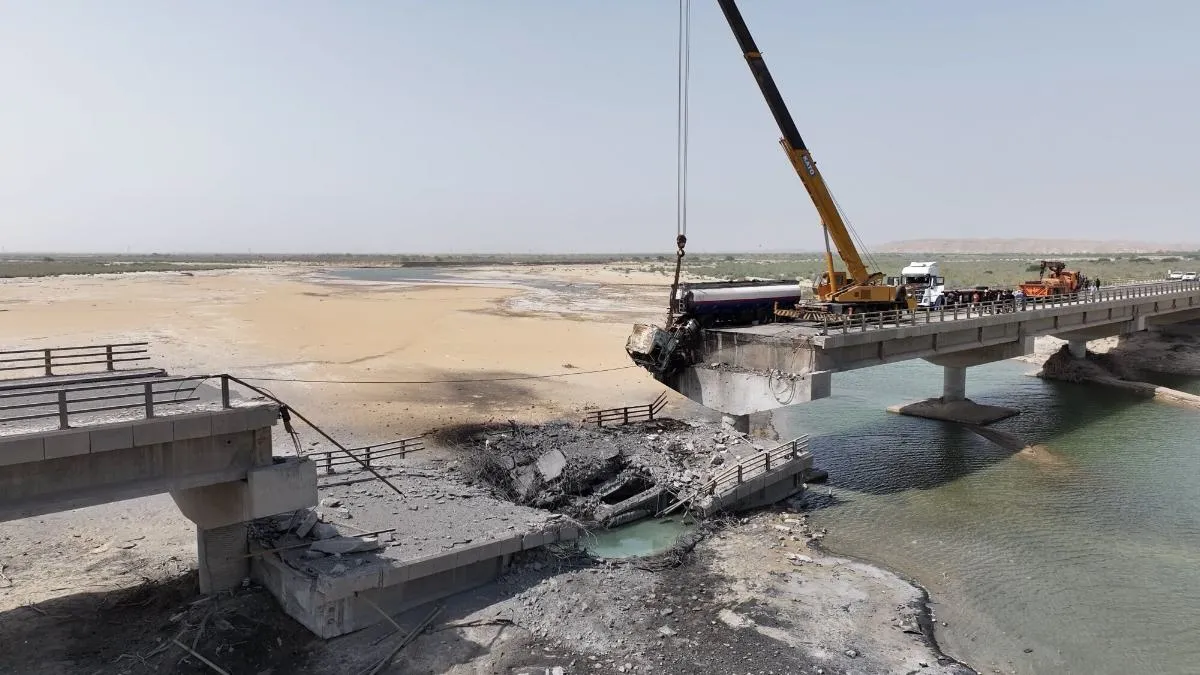
Skip to Content Subscribe Our Offers My Account Manage My Subscriptions FAQ Newsletters Canada Canadian True Crime Canadian Politics Health World Israel & Middle East Financial Post NP Comment Longreads Puzzmo Diversions Comics NP News Quiz New York Times Crossword Horoscopes Life Eating & Drinking Style Sponsored Play for Ontario Travel Travel Canada Travel USA Travel International Cruises Travel Essentials Culture Books Celebrity Movies Music Theatre Television Business Essentials Advice Lives Told Tails Told Shopping Buy Canadian Home Living Outdoor Living Kitchen & Dining Tech Style & Beauty Personal Care Entertainment & Hobbies Gift Guide Travel Guide Amazon Prime Day Deals Savings National Post Store More Sports Hockey Baseball Basketball Football Soccer Golf Tennis Driving Vehicle Research Reviews News Gear Guide Obituaries Place an Obituary Place an In Memoriam Classifieds Place an Ad Celebrations Working Business Ads Archives Healthing Epaper Manage Print Subscription Profile Settings My Subscriptions Saved Articles My Offers Newsletters Customer Service FAQ Newsletters Canada World Financial Post NP Comment Longreads Puzzmo Diversions Life Shopping Epaper Manage Print Subscription HomeNewsWorldIran, U.S. strikes ramp up as Tehran declares peace deal abandonedA week of strikes by both sides has expanded to bridges, utilities and port facilities, suggesting little prospect of a return to the fragile ceasefire signed last month You can save this article by registering for free here. Or sign-in if you have an account.Workers clean up wreckage around a damaged bridge, following U.S. airstrikes carried out a day earlier, in Hormozgan Province, Iran. Photo by Photo credit: Morteza Akhoundi/Getty ImagesIran unleashed heavy attacks on Gulf neighbours in retaliation for the latest US strikes as Tehran said it was suspending its commitments under the interim peace deal.Enjoy the latest local, national and international news.Exclusive articles by Conrad Black, Barbara Kay and others. Plus, special edition NP Platformed and First Reading newsletters and virtual events.Unlimited online access to National Post.National Post ePaper, an electronic replica of the print edition to view on any device, share and comment on.Daily puzzles including the New York Times Crossword.Support local journalism.Enjoy the latest local, national and international news.Exclusive articles by Conrad Black, Barbara Kay and others. Plus, special edition NP Platformed and First Reading newsletters and virtual events.Unlimited online access to National Post.National Post ePaper, an electronic replica of the print edition to view on any device, share and comment on.Daily puzzles including the New York Times Crossword.Support local journalism.Create an account or sign in to continue with your reading experience.Access articles from across Canada with one account.Share your thoughts and join the conversation in the comments.Enjoy additional articles per month.Get email updates from your favourite authors.Create an account or sign in to continue with your reading experience.Access articles from across Canada with one accountShare your thoughts and join the conversation in the commentsEnjoy additional articles per monthGet email updates from your favourite authorsSign In or Create an AccountorKuwait suffered one of its heaviest barrages since the Middle East conflict began in late February, including its airport and an oil facility, triggering multiple rounds of sirens from around dawn on Saturday. Iran also struck Jordan and Qatar, all sites of U.S. military installations.Iranian Deputy Foreign Minister Kazem Gharibabadi said the deal crafted under Pakistani mediation — a 60-day ceasefire while the U.S. and Iran negotiated terms for reopening the Strait of Hormuz and curtailing Iran’s nuclear program — had been effectively abandoned.Get a dash of perspective along with the trending news of the day in a very readable format.By signing up you consent to receive the above newsletter from Postmedia Network Inc.A welcome email is on its way. If you don't see it, please check your junk folder.The next issue of NP Posted will soon be in your inbox.We encountered an issue signing you up. Please try again“The U.S. trampled on and stopped all of its commitments, and under the memorandum known as the Islamabad memorandum of understanding we too have stopped all our commitments and we’re not currently implementing them,” Gharibabadi said on state TV Saturday.A week of back-and-forth strikes by both sides has expanded beyond strictly military targets to include bridges, utilities and port facilities, suggesting little prospect of a return to the fragile ceasefire signed last month.According to Iranian officials, the US has attacked civilian water desalination plants, bridges and more than 100 telecommunications towers. They also said 50 people have been killed and more than 500 injured in US attacks since June 27.The U.S. Central Command did not immediately return a message seeking comment.Kuwait Petroleum Corporation said an unspecified oil site sustained “significant material losses” from Iranian attacks, resulting in an evacuation and a number of injuries, according to the state-run Kuwait News Agency. Kuwait Airways rescheduled most of its flights, while the Ministry of Electricity and Water said firefighting was underway at a power and desalination plant struck by Iran.Kuwait’s Ministry of Foreign Affairs condemned the attacks and said repeated targeting of vital installations “reveals a systemic aggressive approach that targets civilian assets, endangering the lives and safety of civilians,” in flagrant violation of international law.U.S. Central Command earlier said that a seventh night of strikes against the Islamic Republic concluded at 9:30 p.m. Eastern Time on Friday, after its forces hit surveillance sites, military logistics infrastructure, underground weapons storage and maritime capabilities.The targeting of civilian infrastructure marks an expansion of the post-deal strikes by both sides, suggesting little prospect of a return to the fragile ceasefire. The worsening hostilities are still far from the scale seen at the height of the war in March and early April. Then, the US and Israel were bombarding Iranian cities on a mass scale and Tehran was firing thousands of drones and missiles at Gulf Arab states and Israel.Brent crude surged, rising about 4.6% on Friday to settle near $88 per barrel to notch its biggest weekly advance since April. That increase followed an Axios report that the Trump administration notified Israel it’s sending more refueling planes to the country, a possible signal that US military operations could be widened. An Israeli military official on Saturday confirmed the plan for the US to boost its Israel-based aircraft fleet.Saudi Arabia’s civil defense said on Saturday it issued warnings overnight of incoming threats in Yanbu and Kharj governorate. An alert was issued later saying the danger had passed, without providing further details.Iran also struck at U.S. radar and aircraft in Qatar, one of the main mediators between Washington and Tehran, according to the Tasnim news agency.The U.S. embassy in Jerusalem urged Americans to reconsider travel through or to the Middle East given the potential for “unforeseen escalation,” and recommended checking with air carriers to ensure that flights were still scheduled for those opting to proceed.Several U.S. service members were injured in Iranian attacks on at least two Jordanian bases this week, CBS reported, citing unnamed U.S. officials. Axios separately reported that Iran had launched a ballistic missile at a U.S. base in Saudi Arabia.Addressing the nation on Thursday night, U.S. President Donald Trump again painted the situation in the Mideast as a success. The U.S. is “winning big in Iran, and you will see the fruits of that labor very, very shortly,” he said, before pivoting to domestic issues.China and Pakistan expressed concern over the developments, calling on both the U.S. and Iran to cease hostilities and resume dialogue.Beyond bombing Iran more often, the US is again blockading its ports and has scrapped a waiver for sanctions on its oil exports.With Iran continuing maritime attacks and insisting that all ships seek its permission before sailing through the strait, there’s a good chance both sides continue to escalate, according to Mehran Kamrava, a professor of political science at Georgetown University’s campus in Qatar.The attacks are “an ominous sign of more to come, worse to come,” Kamrava told Bloomberg TV on Friday from Doha. “Neither side wants to see this escalation but both have become dependent on the path of an escalatory cycle from which they cannot back out. This tit-for-tat is now very dangerous in the sense of attacks and counterattacks on critical infrastructure.”—With assistance from Dale Crofts.Our website is the place for the latest breaking news, exclusive scoops, longreads and provocative commentary. Please bookmark nationalpost.com and sign up for our daily newsletter, Posted, here. Join the Conversation This website uses cookies to personalize your content (including ads), and allows us to analyze our traffic. Read more about cookies here. By continuing to use our site, you agree to our Terms of Use and Privacy Policy.
Iran, U.S. strikes ramp up as Tehran declares peace deal abandoned
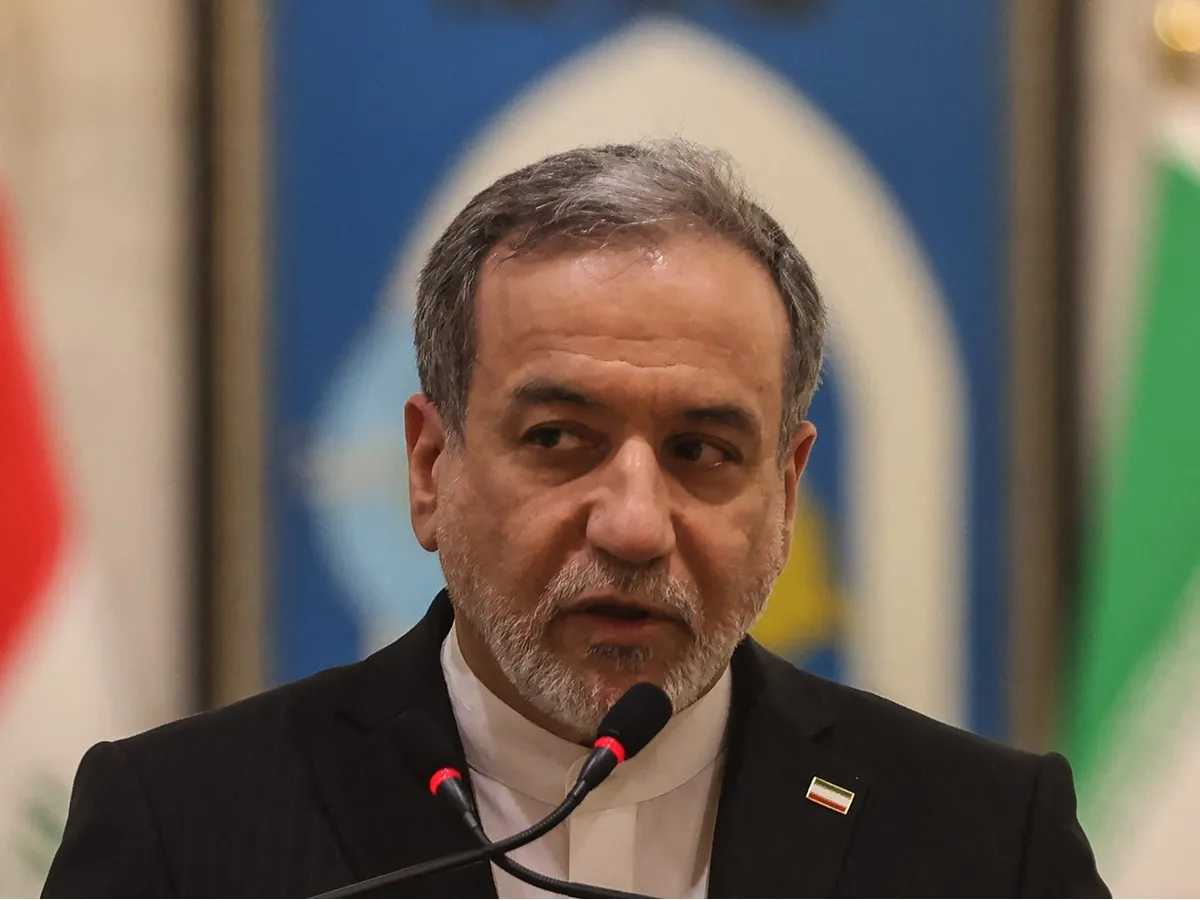
Iranian Deputy Foreign Minister Kazem Gharibabadi said the deal crafted under Pakistani mediation had been effectively abandoned.
1,411 words~6 min read