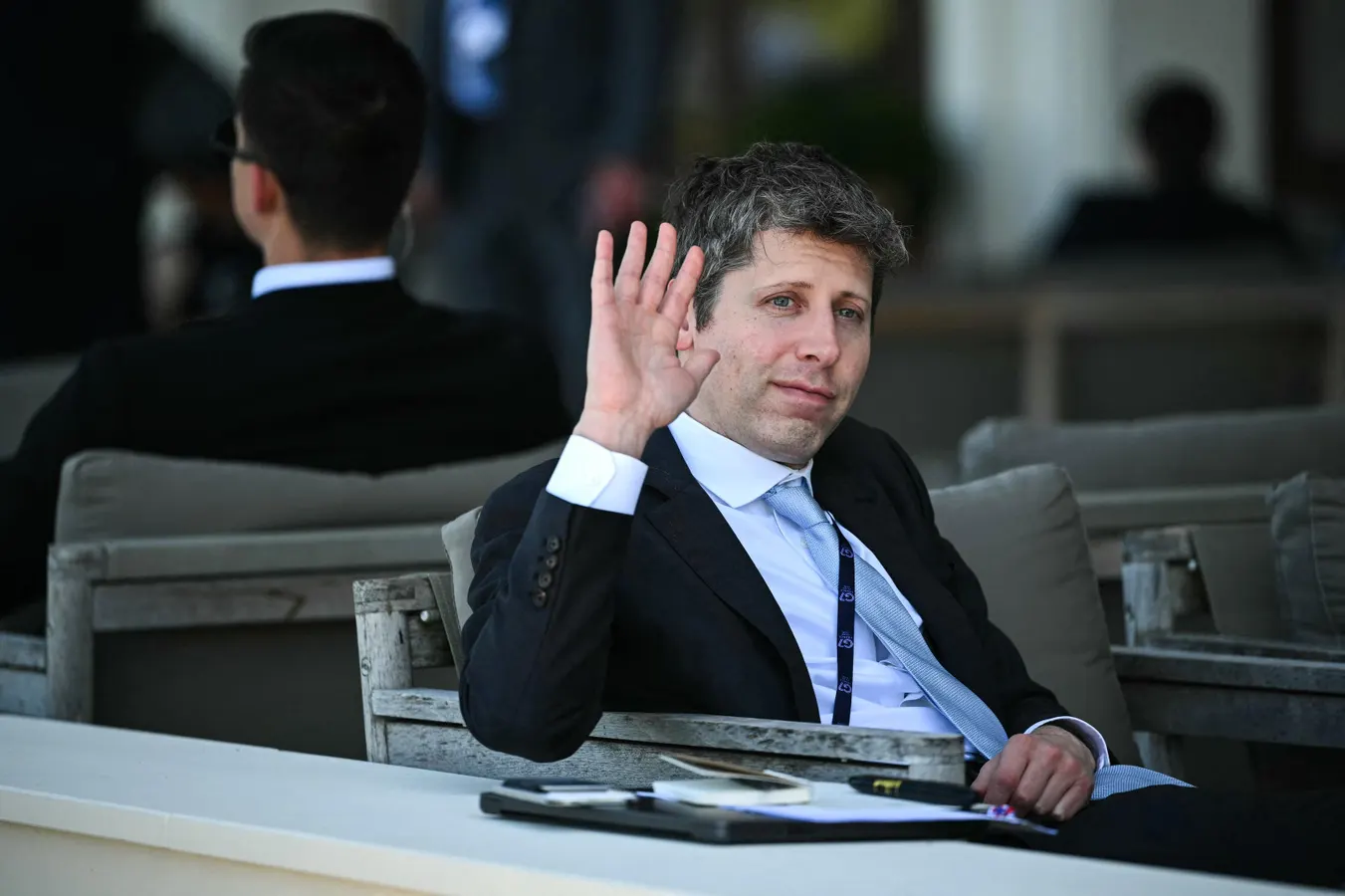
Open AI CEO Sam Altman reacts as he attends the G7 summit. France, on June 17, 2026. (Photo by Mandel NGAN / AFP via Getty Images)AFP via Getty ImagesGetty Images said on June 21 that it had signed a multiyear display agreement with OpenAI, putting its licensed content into OpenAI search and discovery experiences inside ChatGPT.“High-quality, licensed visual content makes AI-powered search and discovery more useful and more trustworthy,” said Craig Peters, CEO of Getty Images.The release covered display only. It said nothing about training OpenAI’s models on Getty’s archive.That silence is the first thing Getty’s nearly 600,000 contributors should read. The announcement also reads differently against the company’s own record. In early 2023, Getty sued Stability AI in Delaware and the United Kingdom, accusing it of copying more than 12 million images to train the Stable Diffusion image model.The U.K. case did not deliver the precedent Getty had once appeared to seek. In November 2025, the High Court in London rejected Getty’s central copyright claims after Getty dropped its primary infringement and database claims and conceded it could not show the training had taken place in the U.K. The court did find limited trademark infringement linked to Getty and iStock watermarks in some outputs, but the broader copyright fight was left unresolved. In the U.S., Getty dismissed its Delaware action and refiled in the Northern District of California.So the company that took an AI developer to trial is now selling shelf space to another one. That is the move worth watching, and it is not only Getty’s.MORE FOR YOUFrom The Courtroom To The ContractThe lawsuit and the license are two ends of one negotiation.Litigation sets the price of the alternative: keep scraping and risk a judgment. The deal turns that risk into revenue. For a content owner, the value no longer sits only in the single photograph, which an image model can approximate in seconds. It sits in a rights-cleared catalog and in placement inside the surfaces where people now search and ask.Getty signed a similar arrangement with Perplexity in October 2025. The OpenAI deal carries the same logic to a much larger audience.The Music Industry Ran The Same PlayThe record labels moved in the same direction. In June 2024, Sony Music, Universal Music Group and Warner Music Group sued the AI music services Suno and Udio, accusing them of copying sound recordings without permission to train their models.Within 16 months, part of that fight had turned into a commercial arrangement. In October 2025, Universal settled its case against Udio and licensed its catalog for a new AI music platform the two companies said they would build together, opening new revenue opportunities for artists and songwriters.The defendant became a distribution channel.The pattern now stretches across formats. When the raw material becomes cheap to reproduce, the scarce asset shifts to whoever controls licensed supply and the point of distribution. Sue to establish the right. License to capture the value.For image and media companies, the read is plain. The court fights over training data will run for years, and their outcomes are still uncertain. The commercial direction is not. The libraries that spent two years arguing that AI companies could not take their work without paying are now arranging to be paid for appearing inside the products built on top of them.Whether they can also be paid for training, the larger prize, is the fight still in front of them.
Getty Sued An AI Firm In 2023. Now Its Pictures Are Going Into ChatGPT
Getty’s OpenAI deal shows how AI copyright battles are moving from lawsuits to licensing, as rights-cleared content becomes valuable inside ChatGPT.
569 words~3 min read