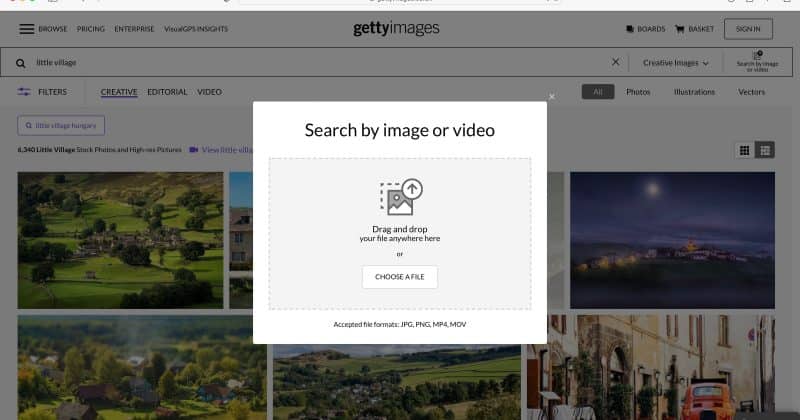
Getty Images and OpenAI have entered into a “display” agreement which, while offering an enhanced visual experience for ChatGPT users, leaves the surrounding intellectual property issues largely unaddressed.The OpenAI logo appears on a smartphone screen (Photo by Samuel Boivin/NurPhoto via Getty Images)NurPhoto via Getty ImagesOn Sunday, June 21, 2026, Getty Images announced a “display agreement” with OpenAI, described in Getty’s press release as a partnership under which Getty’s licensed content libraries will appear in responses for users of ChatGPT, “enhancing the richness of visual responses.” The announcement did not disclose any financial terms or other details. Following this announcement, Getty shares rose 123% on Monday, June 22, 2026.Legal Challenges Surrounding AI Training and Copyright Infringement This picture taken on April 26, 2023 in Toulouse, southwestern France, shows screens displaying the logo of Stable Diffusion, an articial intelligence application, created by stability.ai. (Photo by Lionel BONAVENTURE / AFP) (Photo by LIONEL BONAVENTURE/AFP via Getty Images)AFP via Getty ImagesThe deal comes during a flurry of pending copyright infringement lawsuits brought against AI platforms by authors and copyright administrators, including Getty, alleging that the use of copyrighted works as training data violates the exclusive rights of copyright owners. Getty has filed several high-profile multi-jurisdictional suits against Stability AI in the U.S. and the UK alleging these claims, as well as trademark and other claims, with limited success. In November of 2025, Getty was hit a significant blow in the High Court of England when the court rejected their copyright claims, finding that Stable Diffusion’s model contained no reproductions of the subject works. MORE FOR YOUIn similar cases, U.S. courts have ruled that the use of copyrighted works for AI training purposes constitutes fair use and therefore is not considered a copyright infringement. It is unclear whether Getty works will be used to train ChatGPT in this new deal.The Movement Towards CollaborationThe Getty-OpenAI deal also comes at a time when copyright and other IP owners and AI platforms are grappling with how to strategically partner with one another, even when there is mutual interest in doing so. The potential gains, costs and leverage are uncertain but potentially lucrative. Getty is not the only image library to license its content to AI. Shutterstock inked a deal with OpenAI in 2023, and prior to that with Meta, Apple and Amazon. Alamy has licensed its collection to Bria AI. Several news and media companies have also partnered with AI companies, such as Axios with OpenAI and The Associated Press with Google. However, not all such deals have succeeded. Disney’s $1 billion investment in OpenAI’s Sora 2, which would have licensed 200 of Disney’s intellectual properties to Sora 2, collapsed after OpenAI abandoned plans for the application and Disney withdrew its funding. Celebrities have also joined in on this push to collaborate with emerging AI platforms. Actors Mathew McConaughey and Michael Caine famously licensed the use of their voices to ElevenLabs, but it remains unclear whether these licensed uses will have large-scale application.Remaining Uncertainties Over Celebrity and Trademark ContentTaylor Swift performs on stage during "Taylor Swift | The Eras Tour" at Wembley Stadium on June 23, 2024 in London, England. (Photo by Gareth Cattermole/TAS24/Getty Images for TAS Rights Management )Gareth Cattermole/Getty Images for TAS Rights ManagementAlso unresolved is to what extent Getty’s display license to OpenAI will cover third party rights, such as celebrity likenesses, sports teams’ trademarks, or videos containing performances or voices. Getty Images is renowned for its high-quality stock photographs, including those of celebrities. Photographers typically license their copyrights to Getty to allow the sublicensing of photograph copyrights to third parties, such as news outlets, but those copyrights don’t automatically cover third party IP rights that might be embedded in the photograph or might be triggered by the photograph’s use by a licensee. For certain commercial uses, for example, the specific likeness rights of the subject of the photograph might need to be separately licensed. For example, a manufacturer seeking to license a Getty image of Taylor Swift to put on a coffee mug would need to obtain Swift’s right of publicity as well. Notably, Taylor Swift is one of several celebrities who have secured trademark rights over their voice and likeness, potentially adding further legal complexities. Select Getty licensed images come with a pre-cleared model releases that cover these rights, meaning it is possible that a Getty image found through ChatGPT could be used for a commercial purpose under this partnership. However, any user should be cautioned to check the terms of use, and consult with an attorney, if necessary, before taking this risk. Simply put, the fact that Getty images are now available through ChatGPT does not change the legal rights involved. ConclusionGetty’s deal with OpenAI may be the latest in the dust storm battle between creators’ rights and tech giants, but it will be a while before the dust settles.
Getty’s Deal With OpenAI Leaves IP Issues Open
Getty licensed its collection to OpenAI offering an enhanced visual experience for ChatGPT users but leaving surrounding intellectual property issues largely unaddressed.
808 words~4 min read