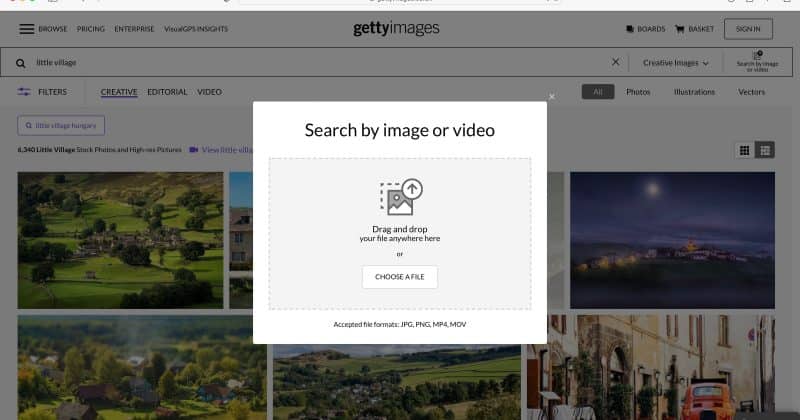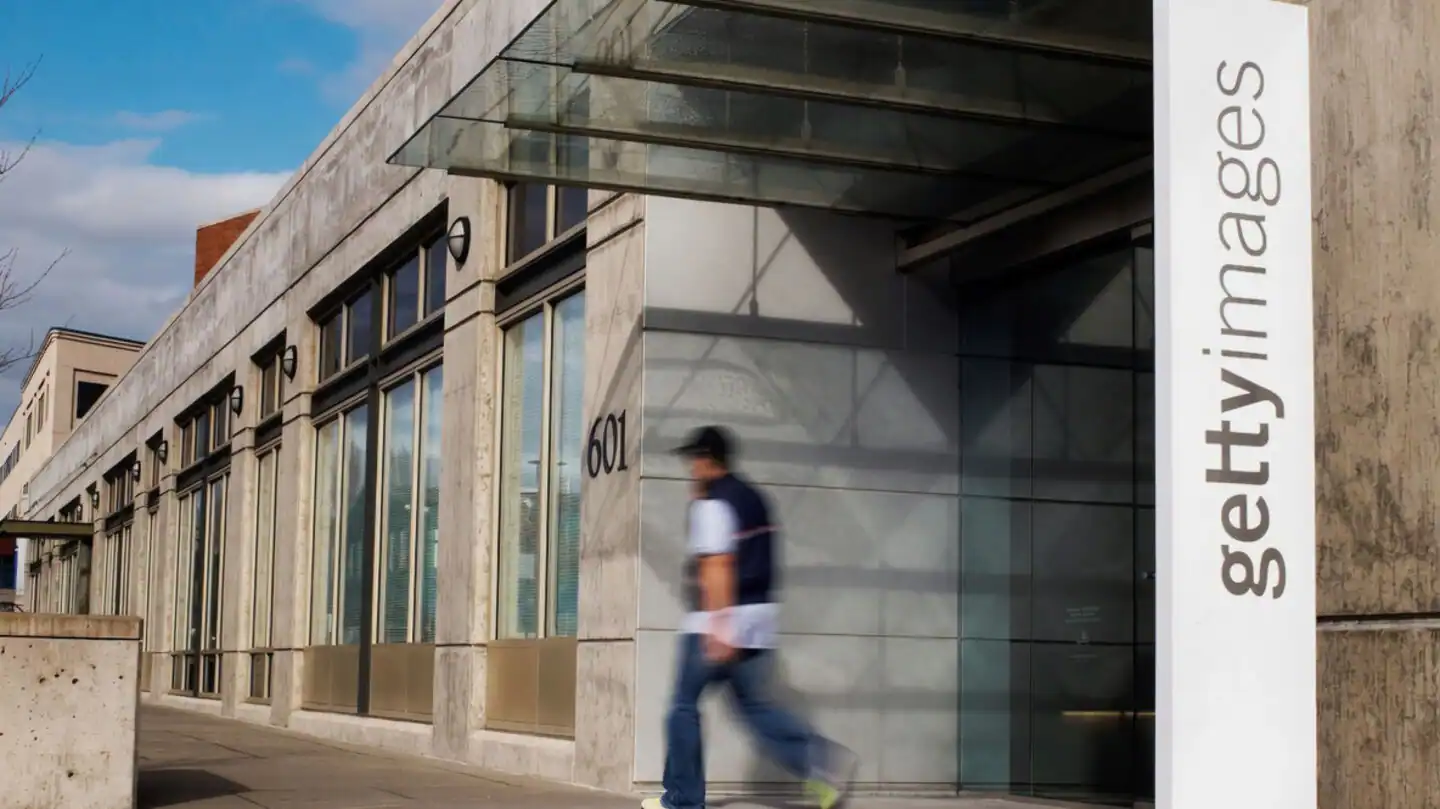
Hong Kong, China - July 2, 2011: Main screen of Gettyimages app on iPhone 4gettyThe OpenAI deal turns ChatGPT into a storefront for licensed photographs. Its silence on training is what Getty's 600,000 contributors should read first.A few of my photographs live inside the Getty ecosystem, through Unsplash, one of its brands. They've been viewed several million times by people who will never know my name. So when Getty opened its libraries to OpenAI this week, I read the announcement the way any contributor does — not for the word that was there, but for the one that wasn't.The headline facts are easy. On June 21, Getty Images announced a multi-year "display agreement" with OpenAI that will bring its licensed content into ChatGPT's search and discovery experiences. In plain terms: when you ask ChatGPT something that calls for an image, the answer may now arrive as a licensed Getty photograph instead of a synthetic approximation. The market liked it enormously. Getty shares spiked as much as 200% in premarket trading before settling, after a year in which the stock had fallen more than half.Read past the surge, though, and the press release is conspicuously thin. It doesn't say what "multi-year" means, what the financial terms are, or how much money changes hands. It discloses no revenue split and — pointedly — says nothing about whether Getty's images may be used to train future OpenAI models.That omission is the entire story.Training is not a footnote for Getty. It is the thing the company went to war over. Getty sued Stability AI on both sides of the Atlantic, alleging that roughly 12 million of its images had been scraped without permission to train an image generator. The war did not go well. In November 2025 the UK High Court largely sided with Stability, rejecting Getty's central copyright claim and finding only narrow liability on a trademark point.So the contrast worth sitting with is this. When Getty cut its earlier deal with Perplexity, the arrangement explicitly did not permit training. The OpenAI release draws no such line in public. It licenses the display of pictures while staying silent on the one right Getty spent years and considerable legal fees trying to defend — and just lost in court.MORE FOR YOUA word on the stock, because the number is doing a lot of emotional work. Getty trades below a dollar, which makes triple-digit percentage moves less impressive than they sound. Around 17% of its float is sold short, with days-to-cover near 4.6 — the precise conditions under which a single piece of good news becomes a squeeze. The stock opened near $1.40, touched $2.66 intraday, and closed around $1.19, on a business still carrying heavy debt and a negative net margin against roughly $981 million in trailing revenue. What re-rated this week was the story, not yet the company.And the story is a good one, to be fair to Getty. A deal that turns the largest AI chatbot into a distribution channel for licensed pictures — rather than a competitor that renders them free and obsolete — is a way of being inside the disruption instead of underneath it. It fits a pattern: Getty has spent recent weeks locking in AI, sports, and entertainment at once, renewing a multi-year U.S. Soccer deal into the 2026 World Cup and re-upping with the Tribeca Festival. The repositioning is coherent. Getty wants to be the licensed-provenance layer that AI platforms reach for when a synthetic image won't do.Which brings me back to the word that wasn't there, and to the 600,000 of us whose work is the actual inventory in this deal.For a contributor, "display" is the comforting half of the sentence. It implies your photograph gets surfaced, perhaps credited, perhaps even routed back to a sale. "Train" is the half left blank — and it is the half that determines whether your images remain assets you license or become raw material a model has already digested. Getty has, for now, sold the visible right and said nothing about the invisible one.That may be shrewd negotiation. It may be a placeholder while lawyers argue. But creators reading Monday's pop as vindication should notice that the company is celebrating a truce on the battlefield where it just lost, and declining to say what it conceded to get here.The picture in your ChatGPT answer will look licensed, credited, clean. Whether the photographer who made it agreed to everything the deal contains is a separate question — and right now, it’s one nobody at Getty or OpenAI is answering.
Getty Sued AI. Now It’s Selling To AI, While Dodging The One Question That Counts.
The OpenAI deal turns ChatGPT into a storefront for licensed photographs. Its silence on training is what Getty's 600,000 contributors should read first.
TL;DRAI
Getty licensed images to OpenAI for ChatGPT while omitting training rights—the issue Getty lost against Stability AI. The silence undermines Getty's AI-provenance positioning, leaving 600,000 contributors exposed to undisclosed training and contradicting its enforced IP stance.
759 words~3 min read