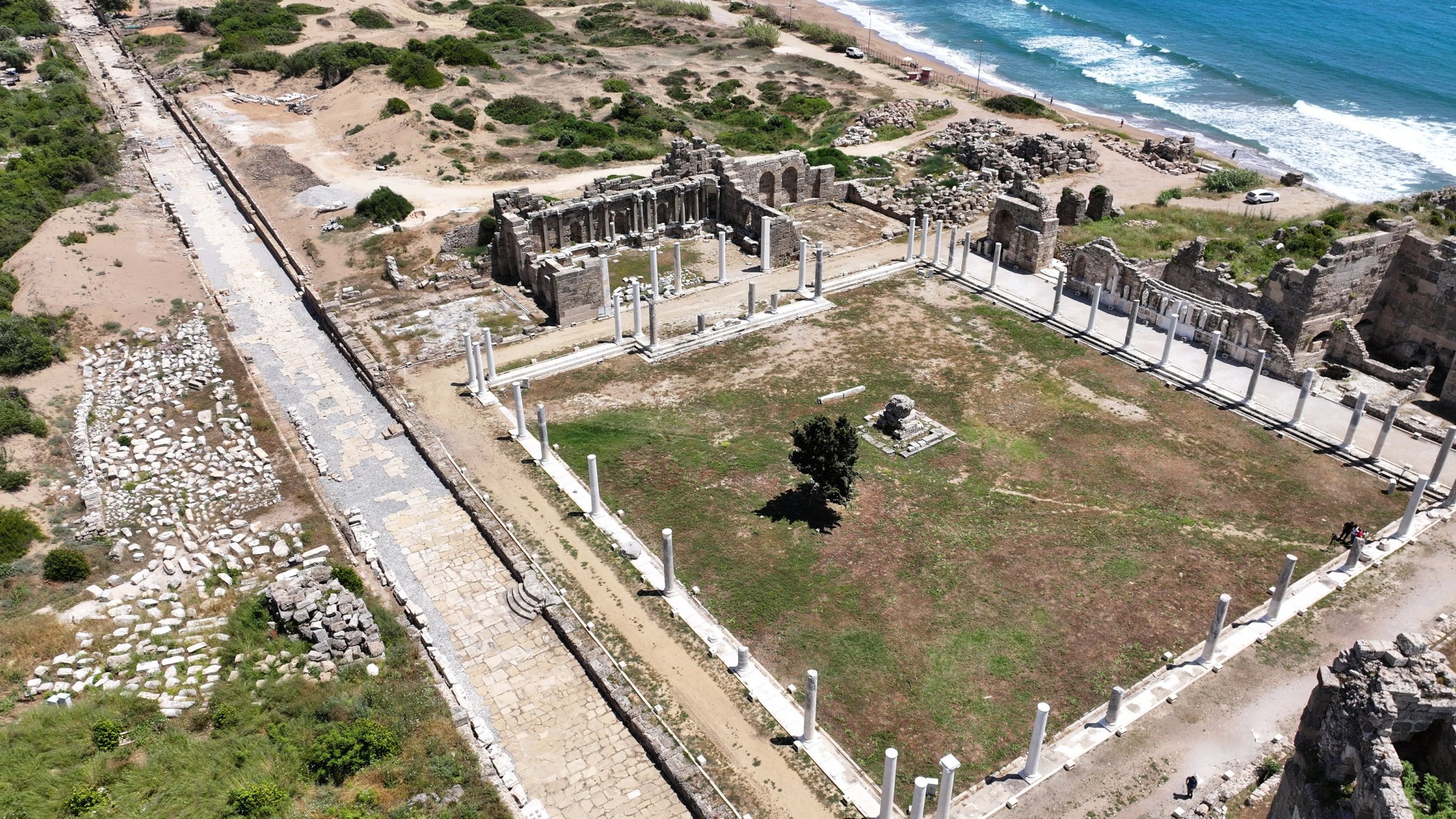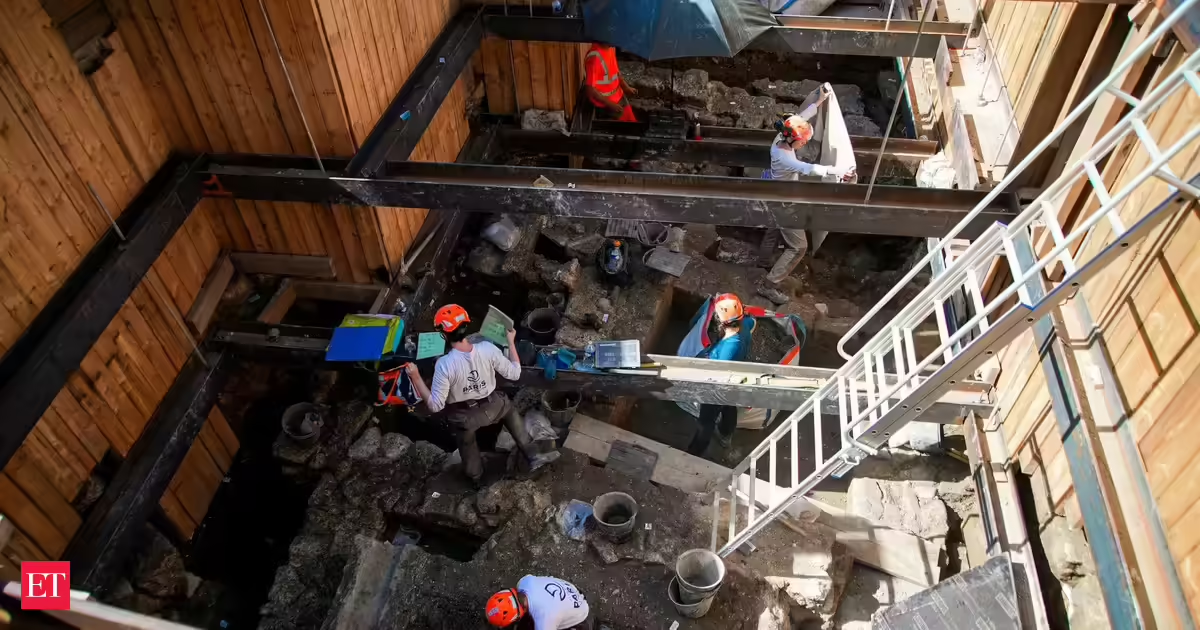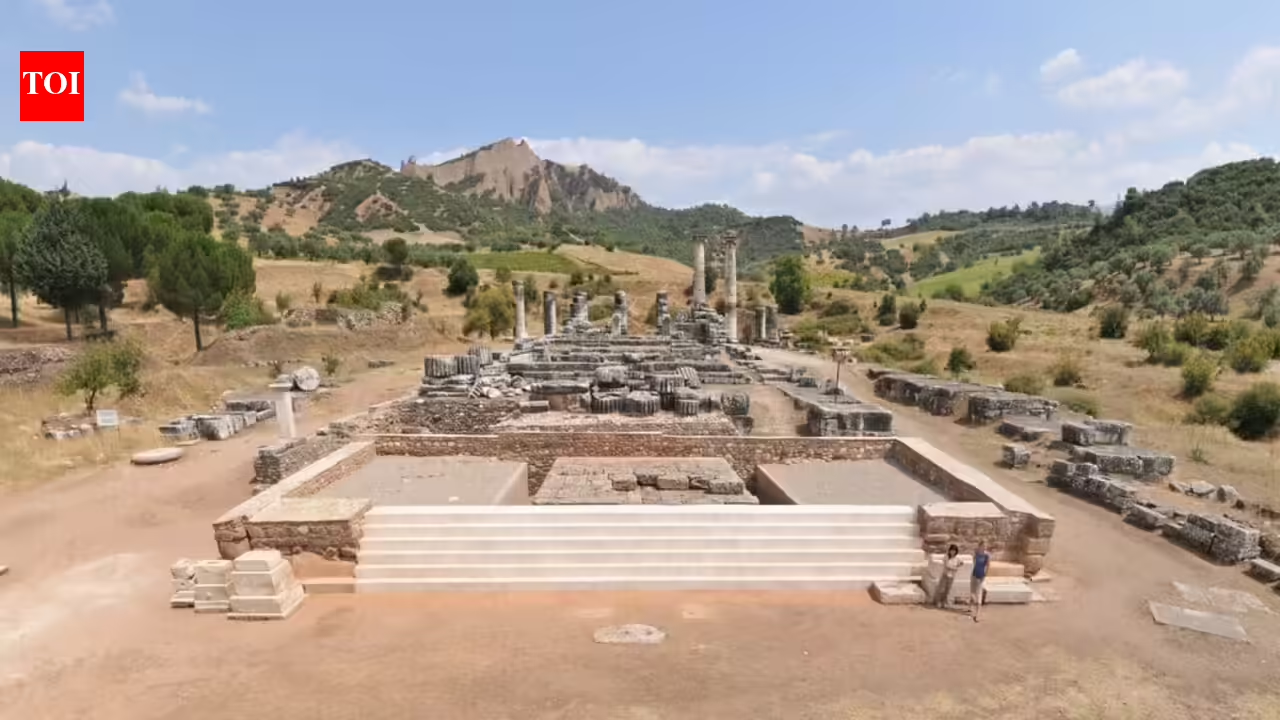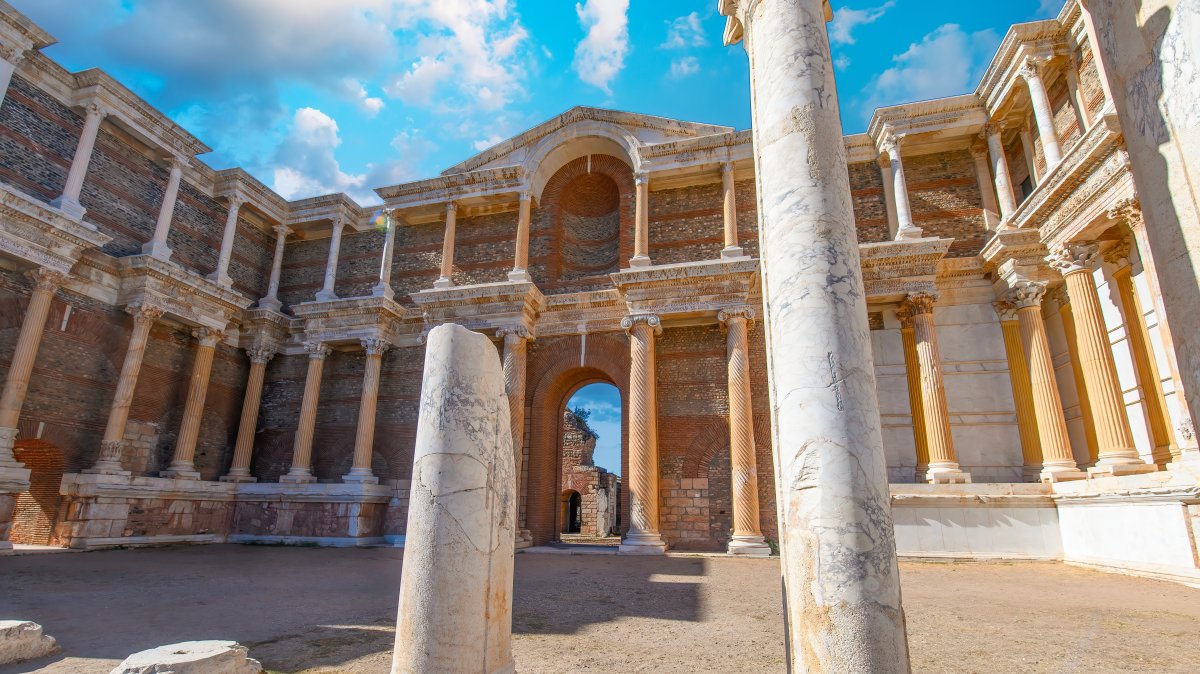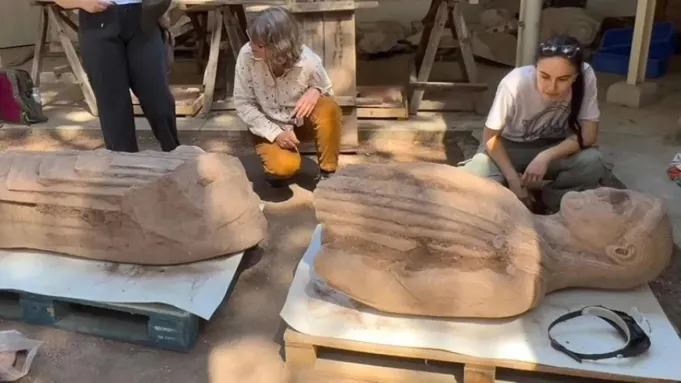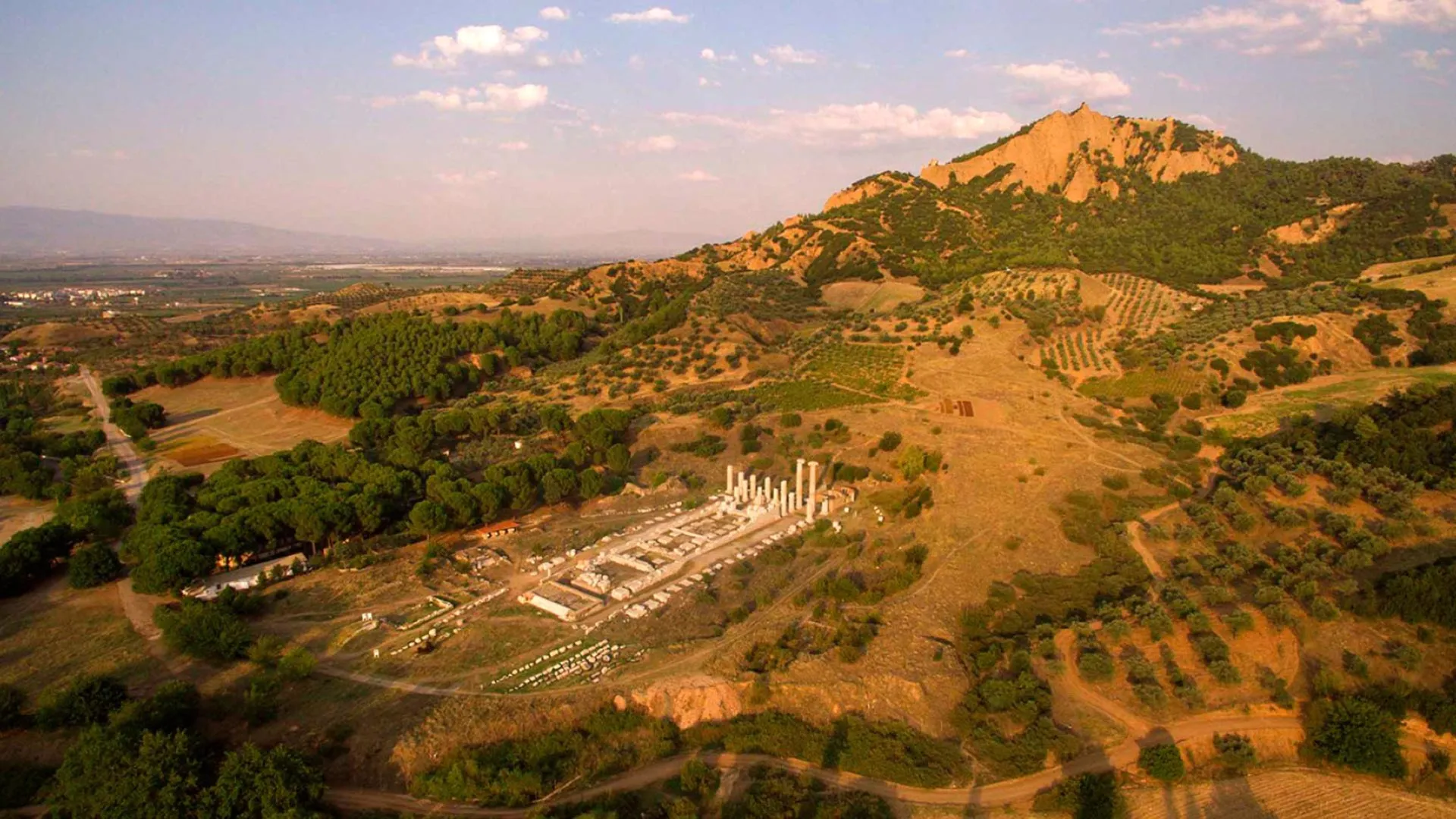
For thousands of years, the ancient city of Sardis in western Turkey changed hands as Greeks, Romans, Byzantines, and Ottomans rose and fell. Yet while the city's rulers changed repeatedly, one thing has remained remarkably steady. Since 1958, archaeologists have returned every year as part of the Harvard Cornell Exploration of Ancient Sardis, making it one of the world's longest running institutional excavation projects.
"It's really important that it has institutional continuity," said Benjamin Anderson, associate professor of history of art and visual studies in the College of Arts and Sciences. "Many of us know and have been mentored by colleagues of the previous generation of excavators. As a result, it's one of the few long-term archaeological projects in the region that has generated a critical mass of data."
For the past several years, Anderson has focused on documenting the walls and buildings of Sardis' acropolis, which became an important center during the Byzantine period after Roman rule.
"This is a city that shows up in lots of ancient historical sources," he said. "But now, just in the last 75 years or so, we have the possibility of telling that story, also, through what the project has found archaeologically."