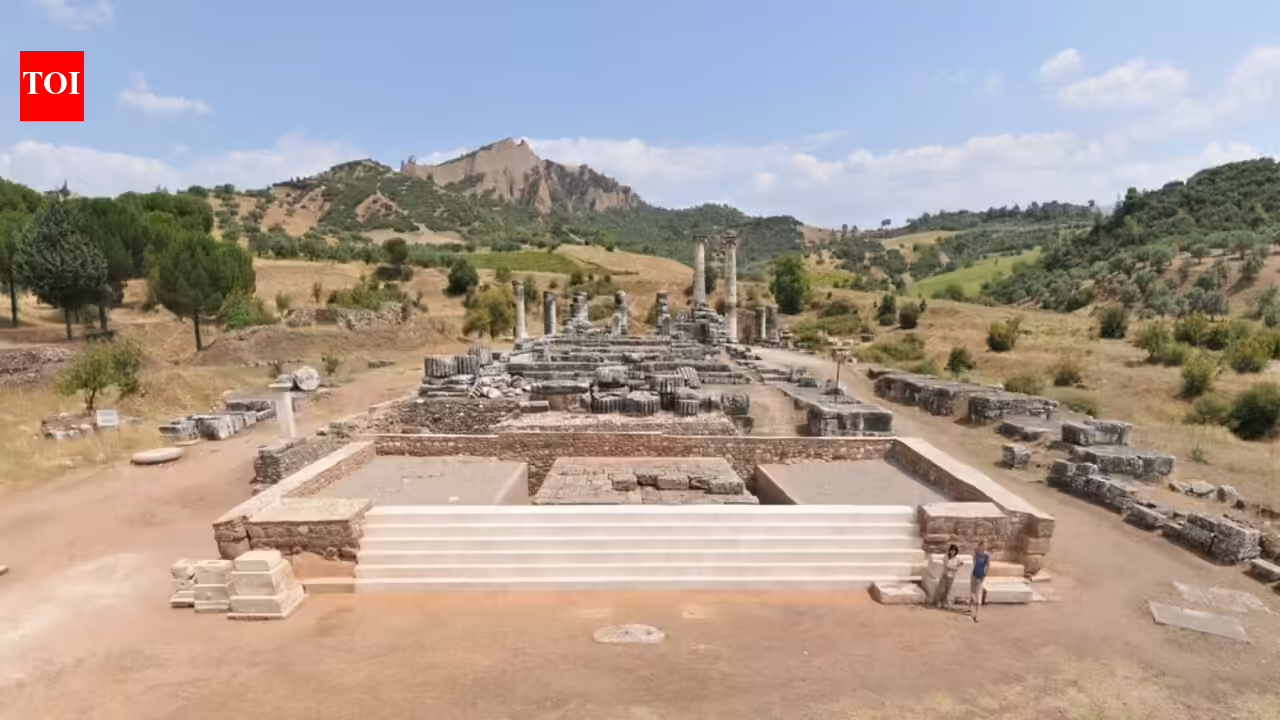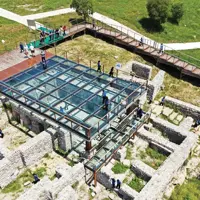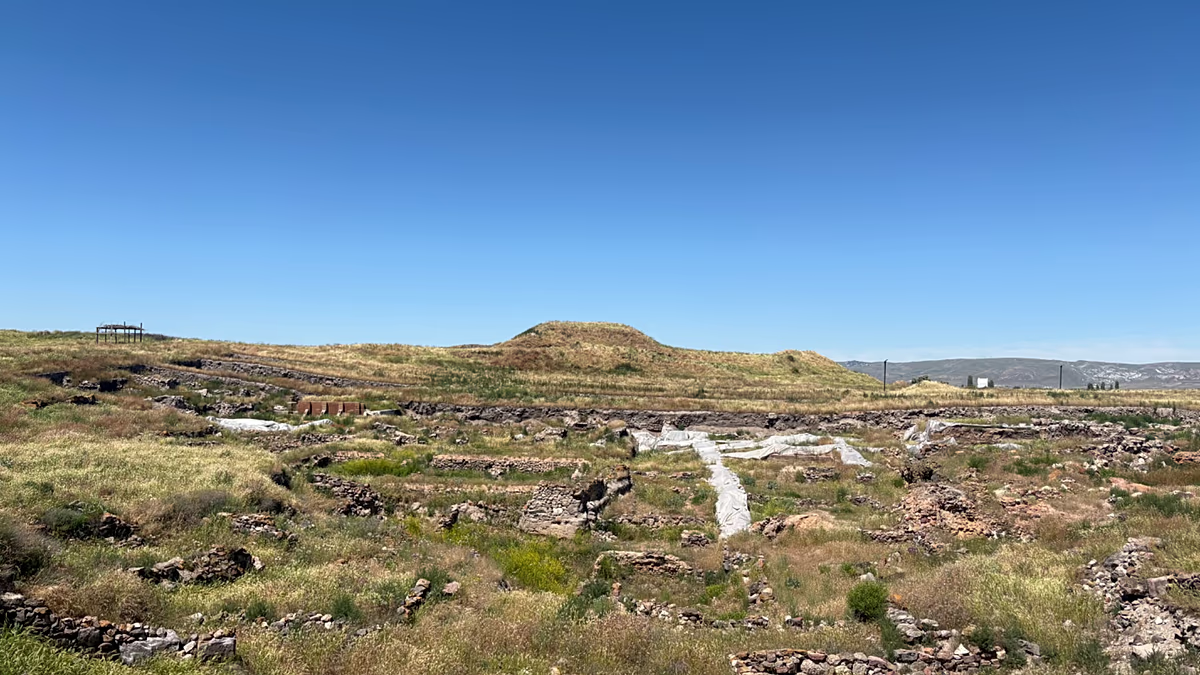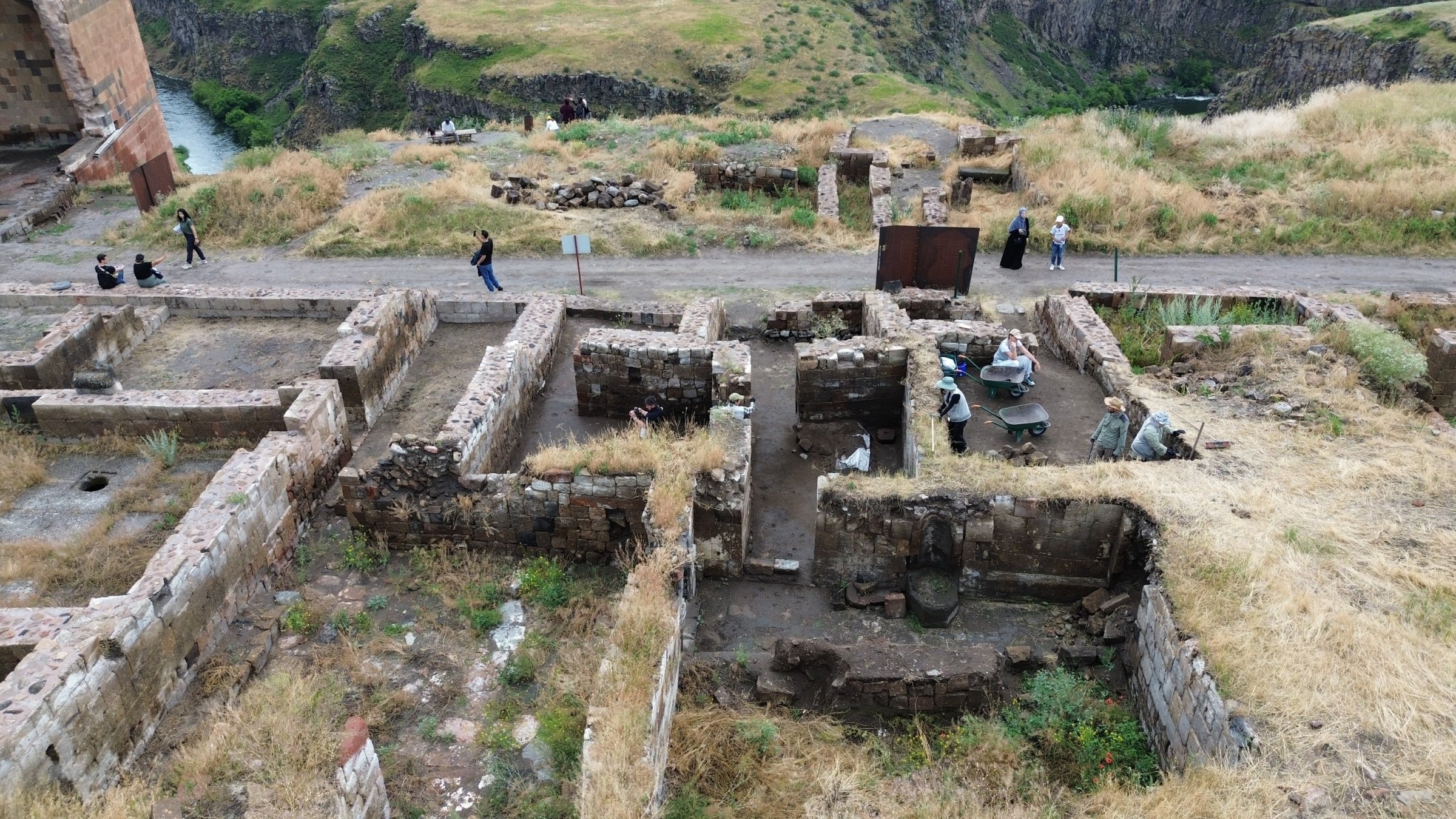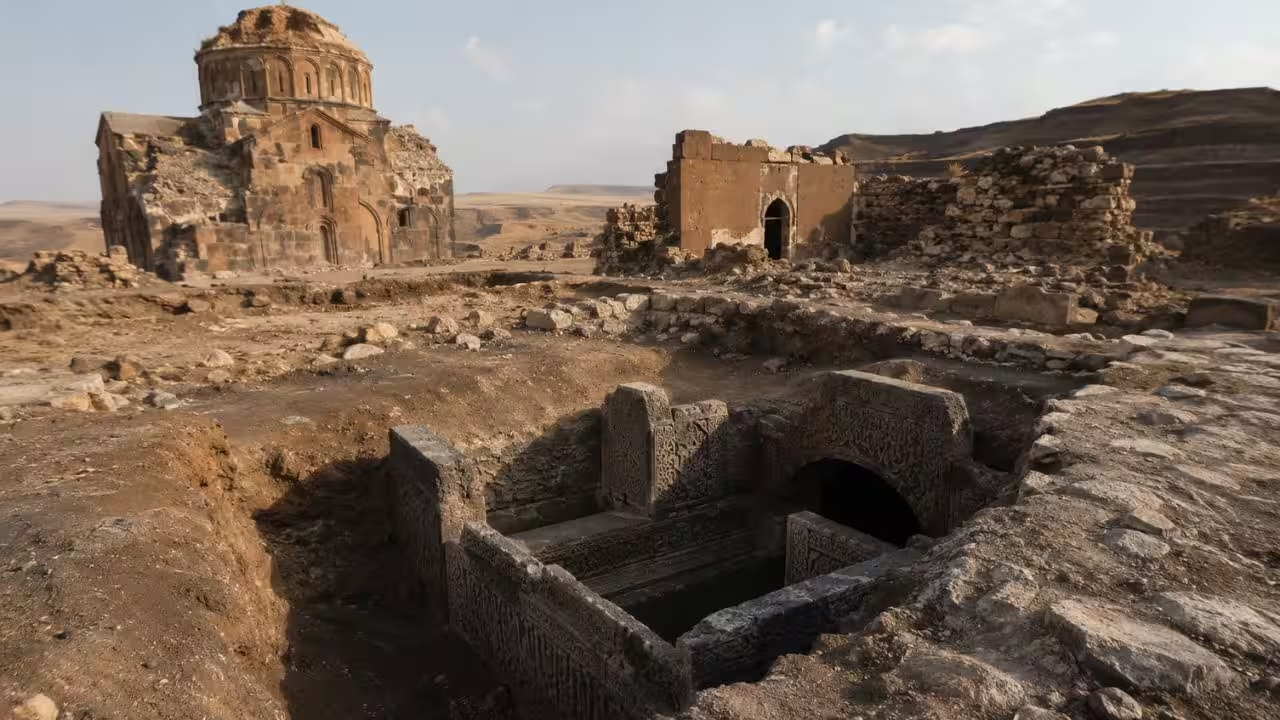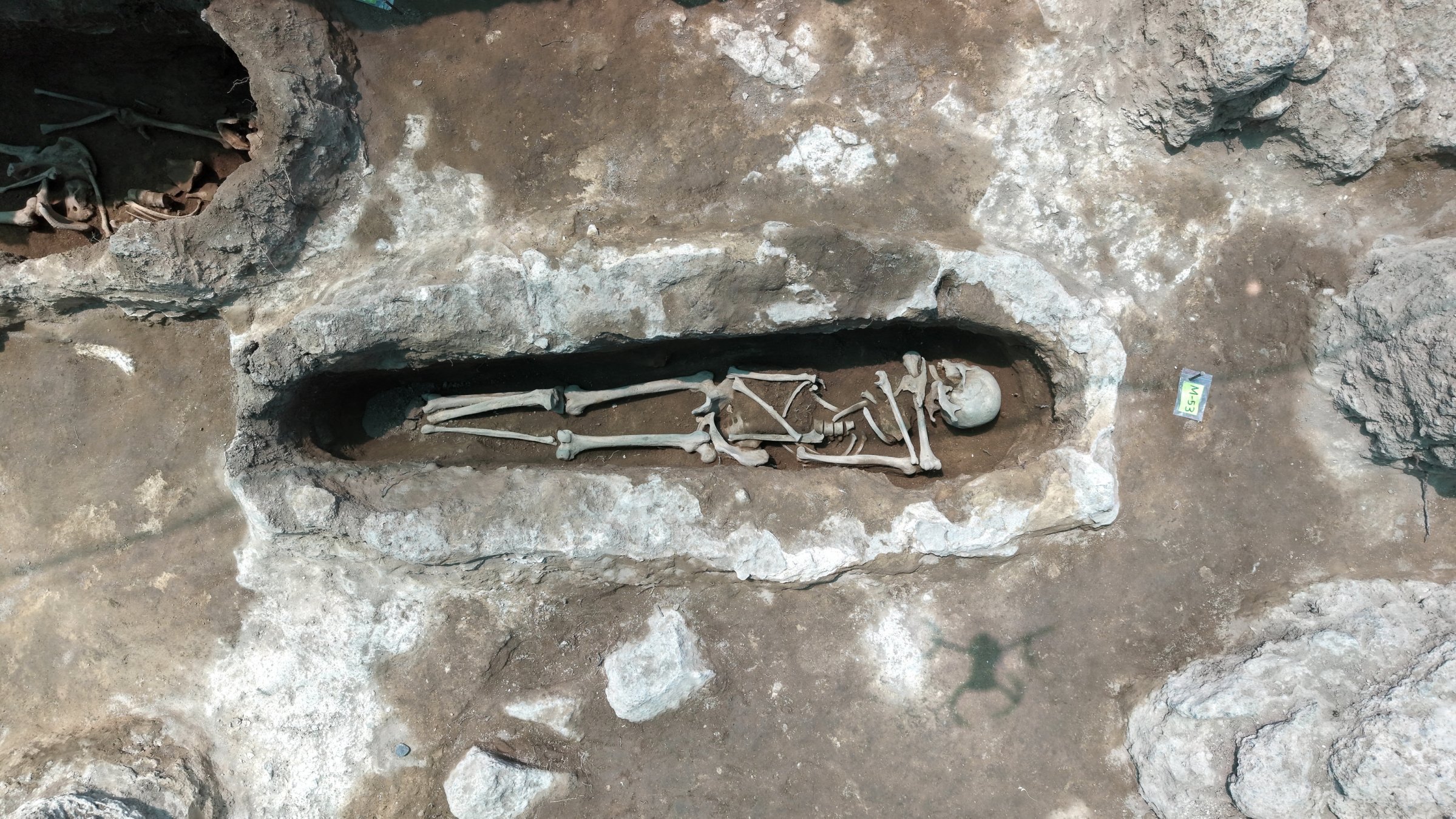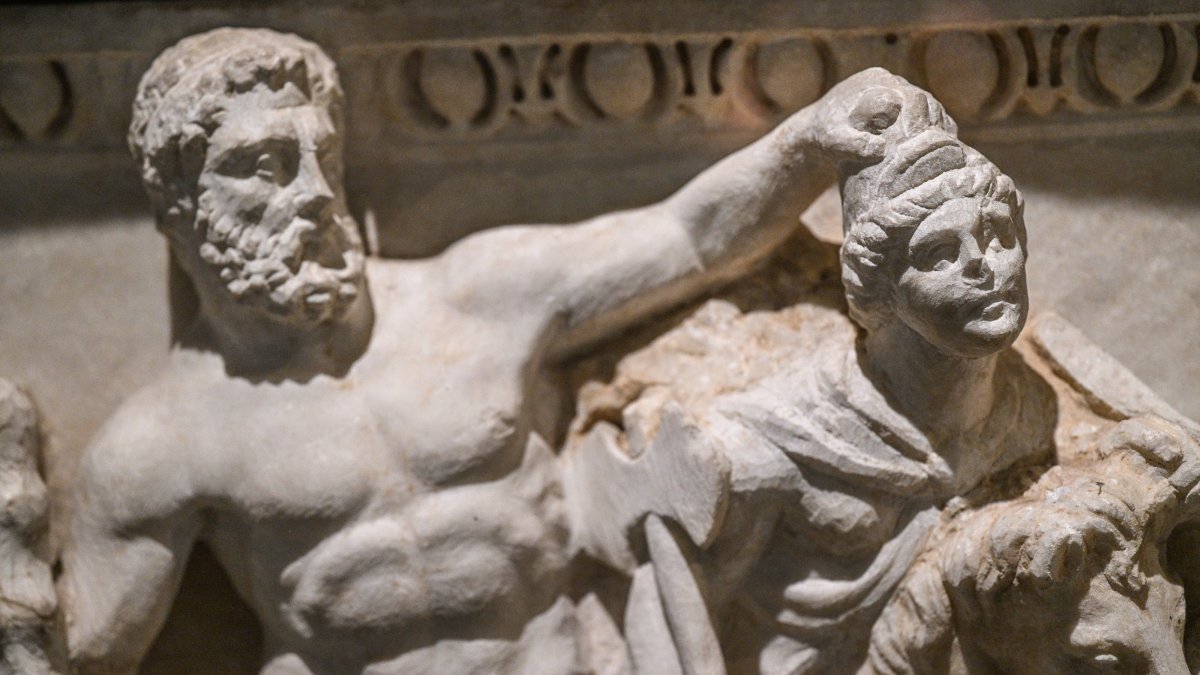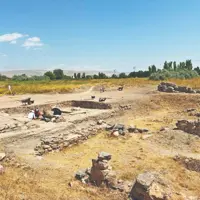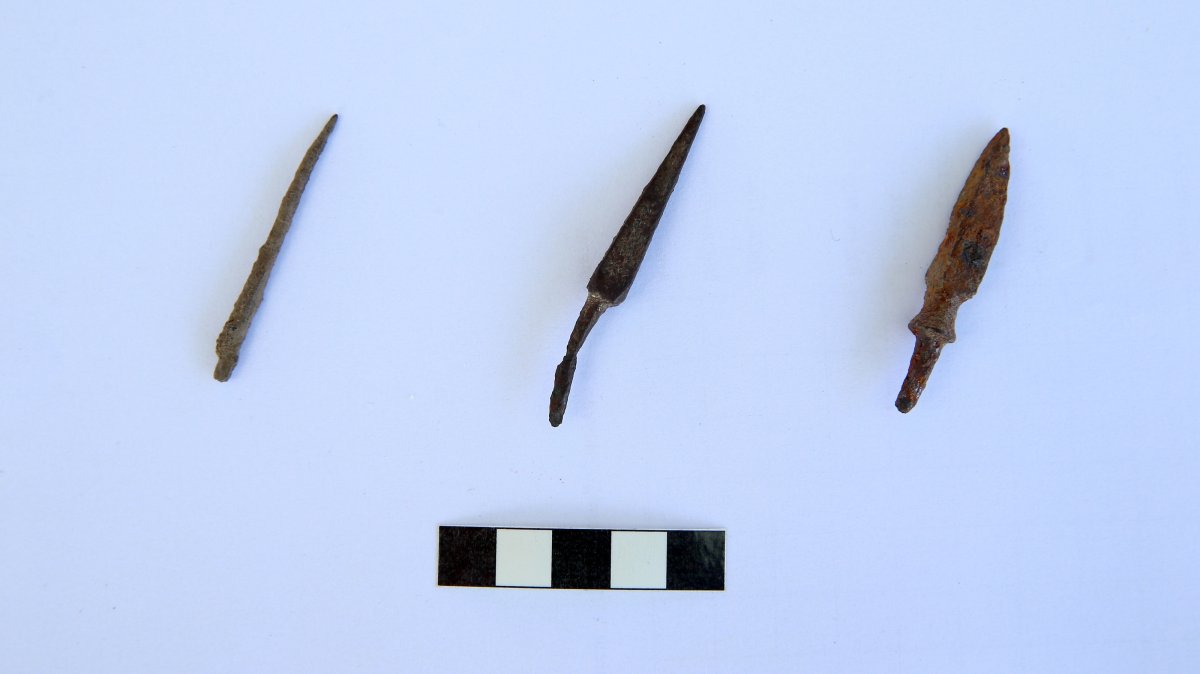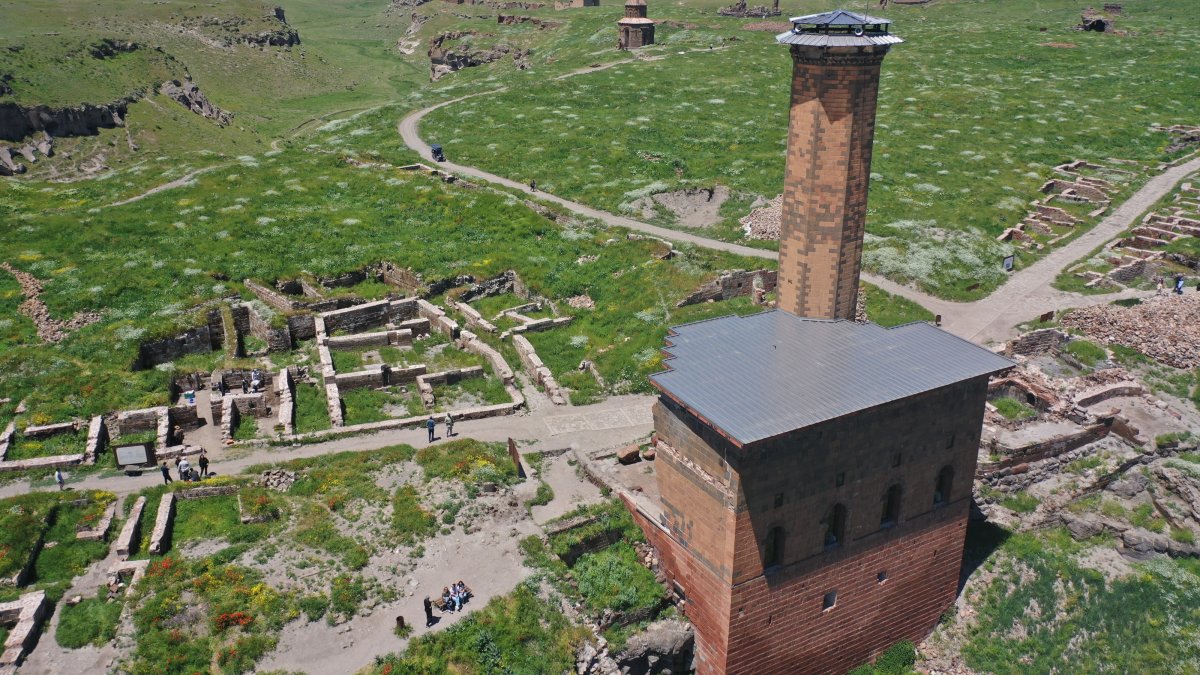
Archaeologists are conducting excavations at five locations within the ancient city of Ani, a UNESCO World Heritage site in northeastern Türkiye, with the goal of uncovering both movable artifacts and buried architectural remains.
Located in Kars province, Ani served as a gateway from Central Asia to Anatolia and from the Caucasus to Asia Minor. The site is home to important examples of 11th- and 12th-century Turkish-Islamic architecture.
Excavation work, carried out in cooperation between Türkiye's Ministry of Culture and Tourism and Kafkas University, is taking place in an archaeological landscape that was ruled over centuries by the Bagratid Kingdom, the Byzantine Empire, the Great Seljuk Empire, the Georgian Kingdom, the Mongols, the Ilkhanids, the Qara Qoyunlu (Kara Koyunlu), the Aq Qoyunlu (Ak Koyunlu) and the Ottoman Empire. The city was also known historically as a place where Christian and Muslim communities lived side by side.
A team of approximately 100 specialists, including art historians, archaeologists, architects and conservation architects, is participating in the project. Researchers aim to uncover and document structures and artifacts that remain buried beneath the soil.