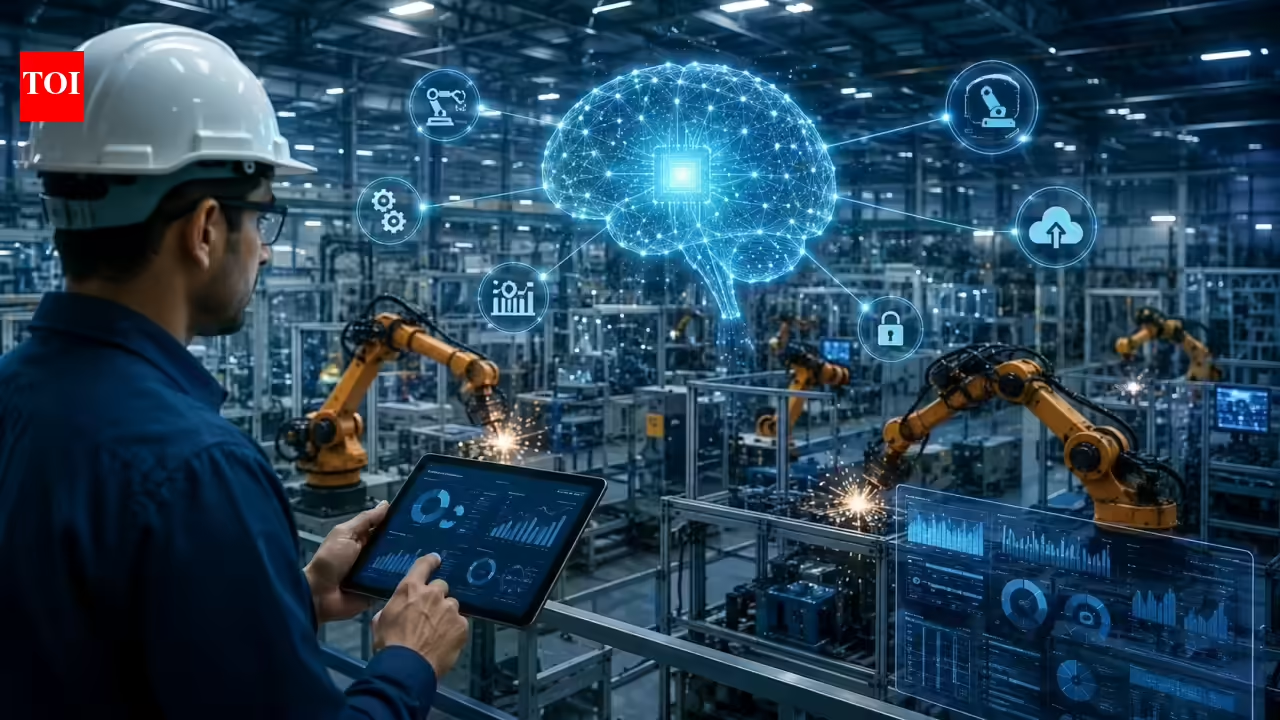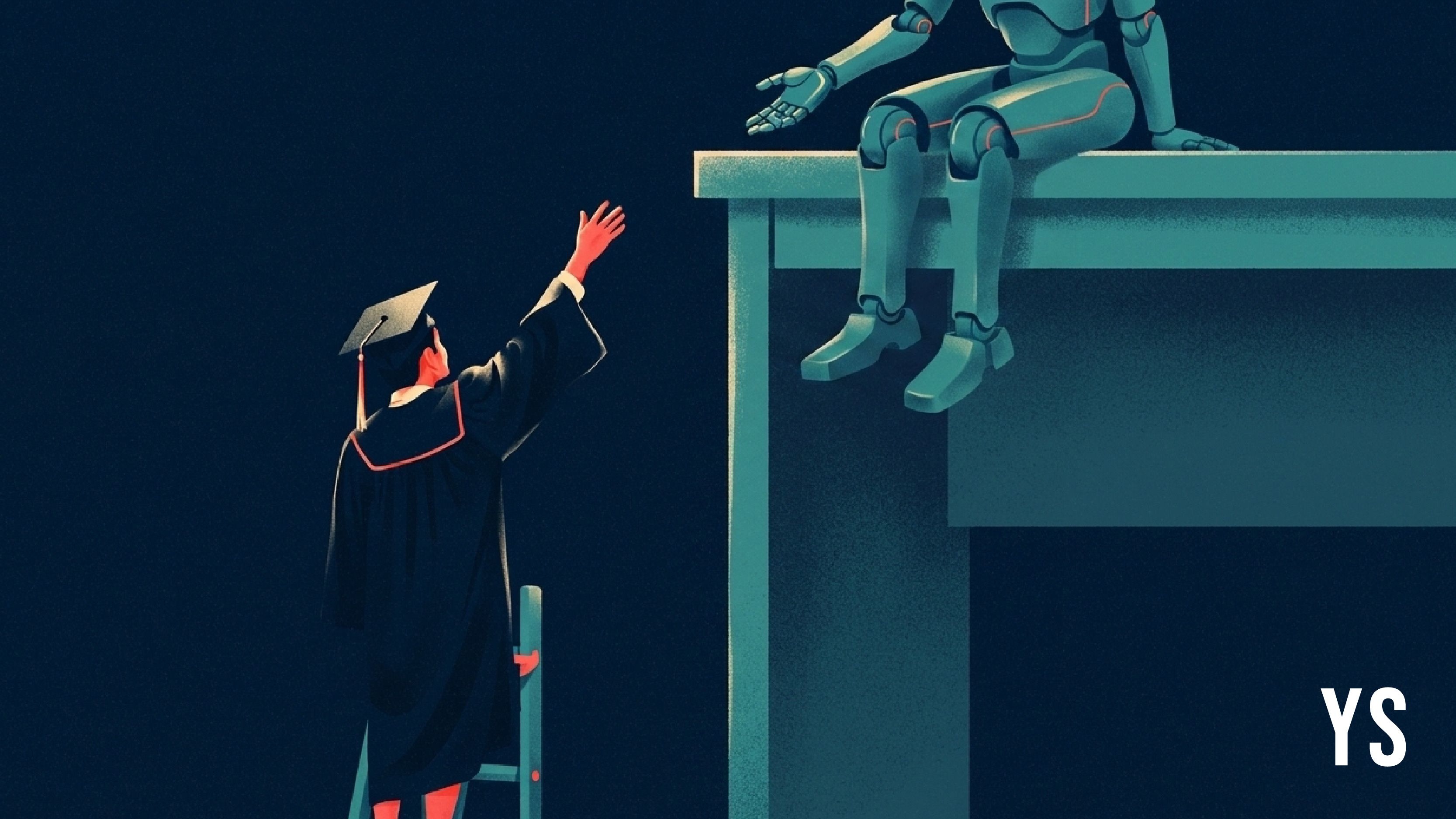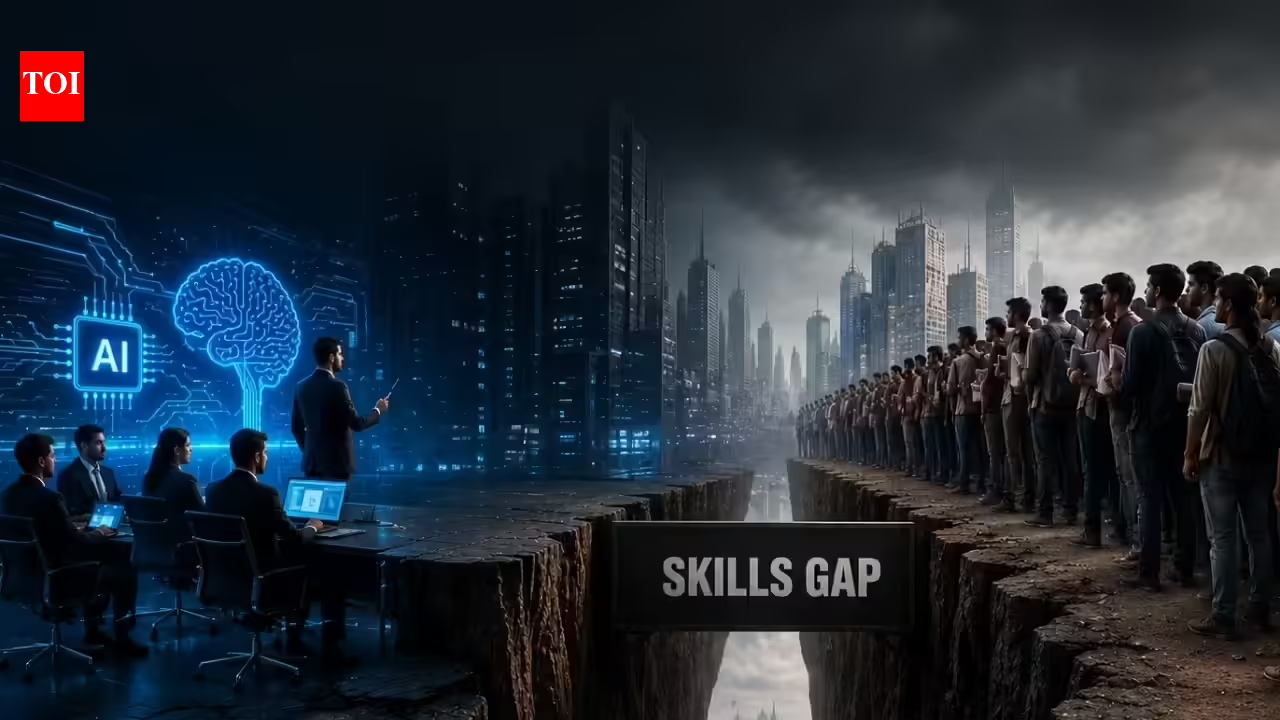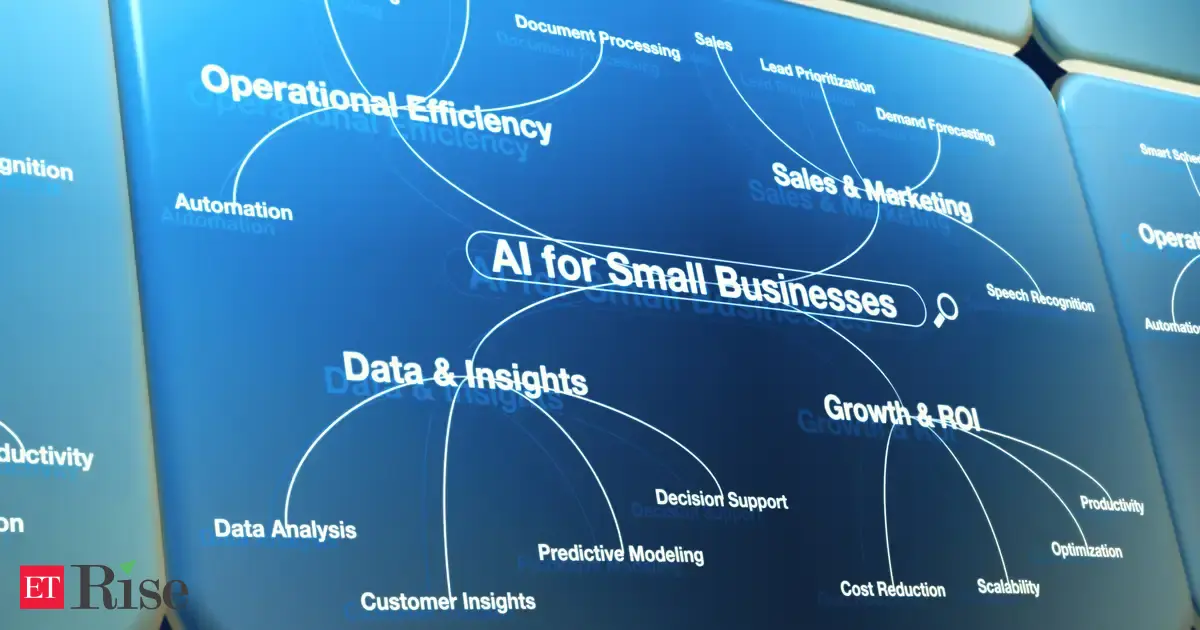
India’s economic challenge can be stated in a single number. Over the next two decades, roughly 200-250 million Indians will enter or remain within the working-age population. Yet manufacturing, the sector that historically absorbed labour at scale in every successful Asian economy, currently employs only 12-13% of India’s workforce. By comparison, manufacturing accounted for roughly 30% of employment during South Korea’s industrial rise and more than 25% during China’s peak factory expansion.For two centuries, economic development followed a predictable formula. Workers moved from low-productivity agriculture into factories and then into higher-value services. Britain followed this path. Germany followed it. Japan, South Korea, Taiwan, and China repeated the pattern. The details varied, but the underlying mechanism remained remarkably consistent: productivity growth required the large-scale movement of labour toward more productive economic activities.The question confronting India is whether that pathway remains available. India enters the age of artificial intelligence (AI) under very different conditions. The labour-abundant export model that powered East Asia’s rise emerged during an era of accelerating globalisation with relatively limited automation. Today, the economics are shifting. Industrial robots are becoming cheaper, more capable and more widespread. This does not mean labour-intensive manufacturing is dead. Far from it. India remains one of the most attractive destinations for supply-chain diversification. Production-linked incentive (PLI) schemes have helped attract investment in electronics, pharmaceuticals, and advanced manufacturing. Mobile-phone exports have risen dramatically over the past five years. Manufacturing will remain an essential pillar of India’s growth strategy.Yet policymakers should ask a harder question. Even if manufacturing succeeds beyond expectations, can it absorb labour on anything like the scale achieved by China between 1990 and 2010? The answer is increasingly uncertain. But there is a silver lining with AI, especially for small businesses. AI can reduce the minimum scale required for productive economic participation. For most of modern economic history, expertise was expensive. Entrepreneurs needed accountants, designers, marketers, lawyers, and software developers. Large firms existed partly because they could spread these costs across many employees and customers. AI changes some of these economics. A small business can now generate marketing campaigns, draft contracts, analyse customer feedback, build digital storefronts, automate administrative workflows, and access sophisticated business intelligence at a fraction of historical cost. What previously required a team now can be achieved just with a capable individual equipped with digital tools.For India, this possibility is particularly important because of the country’s economic structure. India has more than 63 million micro, small, and medium enterprises (MSMEs). Together they account for roughly 30% of the country’s gross domestic product (GDP) and employ over 110 million people. Most operate far below global productivity frontiers. Many lack access to professional management, sophisticated marketing, business intelligence, or specialised expertise. Therefore, the challenge for India is not a shortage of entrepreneurship. India already possesses one of the world’s largest entrepreneurial populations. The challenge is productivity. If AI increased productivity across even a fraction of India’s small enterprises, the aggregate economic effects could be substantial. A five-person enterprise that becomes capable of producing the output previously requiring ten workers creates a very different growth dynamic from one that simply automates jobs away.The optimistic scenario is, therefore, not one of mass technological unemployment or universal prosperity. It is something more nuanced. Manufacturing continues to grow but absorbs fewer workers than China’s factories once did. Large firms remain important. Yet millions of small businesses become more productive because access to expertise, information and market connectivity becomes dramatically cheaper. AI does not eliminate the need for human work. Instead, it amplifies the productive capacity of existing workers and entrepreneurs.The risks remain considerable.Lower barriers to entry often produce fiercer competition. The internet enabled millions of creators but concentrated income among a relatively small number of winners. AI may produce similar dynamics. Access to tools does not guarantee access to customers. Capital, trust, distribution, and brand remain powerful advantages. Nor is entrepreneurship a substitute for employment. Most people do not aspire to run businesses, and most businesses never scale.Policymakers should resist both technological pessimism and technological utopianism. Their big task is to ensure that AI becomes a productivity tool for hundreds of millions of ordinary Indians. That means local-language interfaces, digital literacy, affordable access to AI services, simpler regulation, better access to credit, and stronger integration between digital infrastructure and small enterprises. With this, perhaps AI can raise the productivity of India’s 60+ million small enterprises faster than automation reduces labour demand elsewhere. India’s future prosperity may increasingly depend on empowering its smaller economic units to become more productive using AI. No country has yet demonstrated whether this model can work at scale. India may become the first serious test.Suresh Prabhu is a former Union minister and parliamentarian. Shobhit Mathur is the Co-Founder and Vice-Chancellor of Rishihood University. Views are personal.(Disclaimer: The opinions expressed in this column are that of the writer. The facts and opinions expressed here do not reflect the views of www.economictimes.com.)
India’s development ladder after AI: What comes next?
Indias future prosperity may increasingly depend on empowering its smaller economic units to become more productive using AI.
818 words~4 min read