IBM India’s Sandip Patel says the country can become the world’s AI skill capital by 2030. The arithmetic of getting there is harder than the headline number suggests.
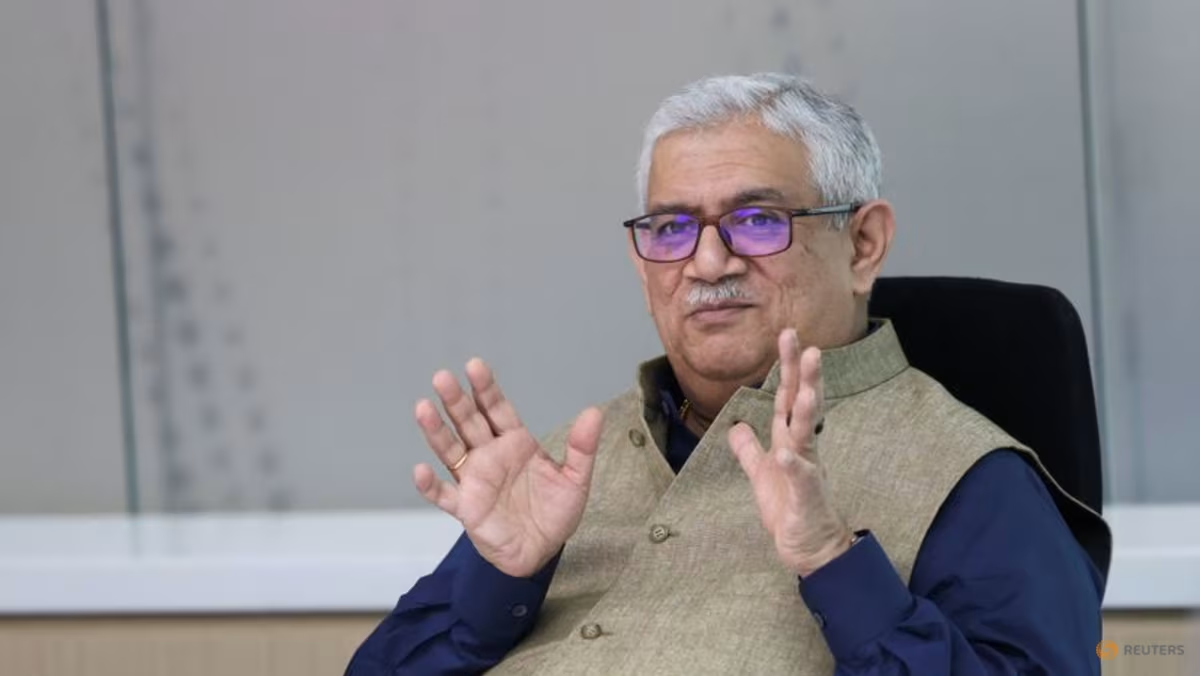
ndia has roughly six hundred million workers, and on a recent Bengaluru morning, the head of IBM’s India business put a number on how many of them know enough about artificial intelligence to be useful in the next economy.Two hundred million. About thirty per cent of the workforce. Sandip Patel, managing director of IBM India and South Asia, told Reuters on Monday that this is the country’s headline opportunity, and also the heart of its problem.“That demographic dividend, that’s sitting here, unleashing that is a phenomenal opportunity,” Patel said.
“You will be at a 350 million AI-trained workforce that can be deployed not just here, but can be doing work around the world.”
The figure comes from a joint study by IBM’s Institute for Business Value and IndiaAI, published earlier this month, which estimates that AI could add more than $500 billion to India’s economy by 2030.
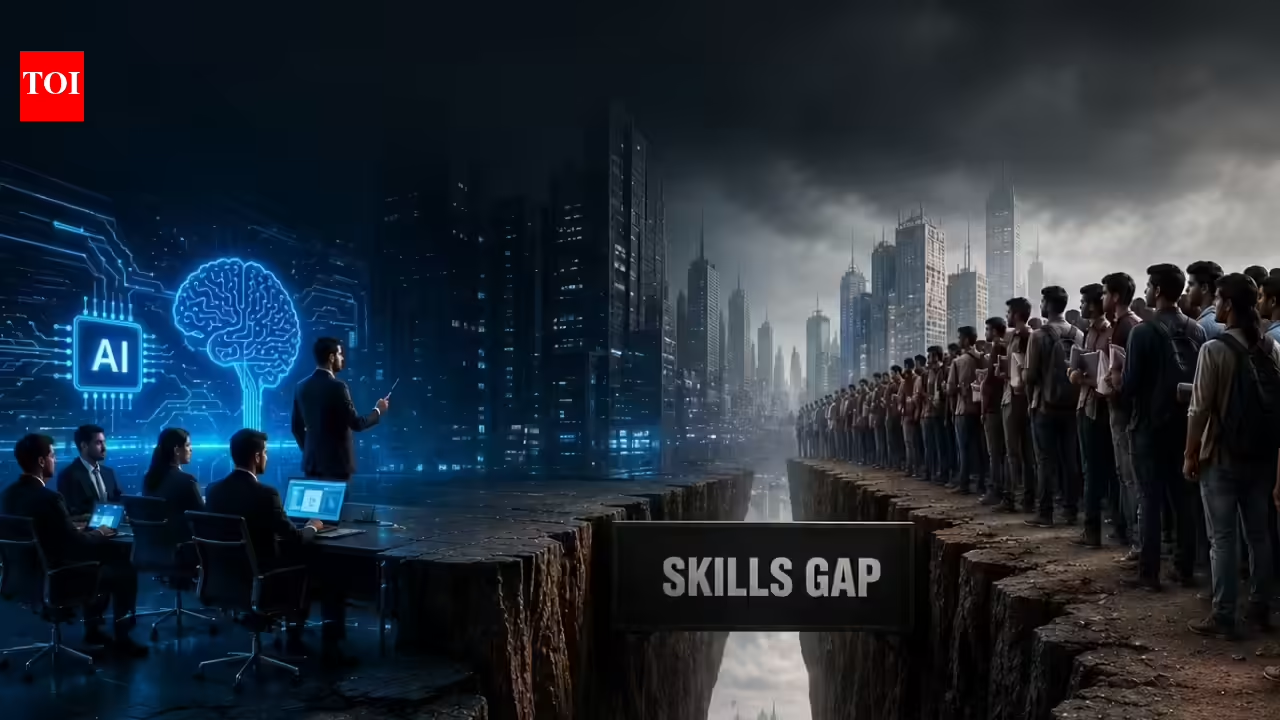
To get there, the AI-literate share of India’s technology workforce will have to rise from around thirty per cent today to nearly fifty-seven per cent by the end of the decade. That is the gap between 200 million and 350 million workers, and it is meant to close in less than five years.