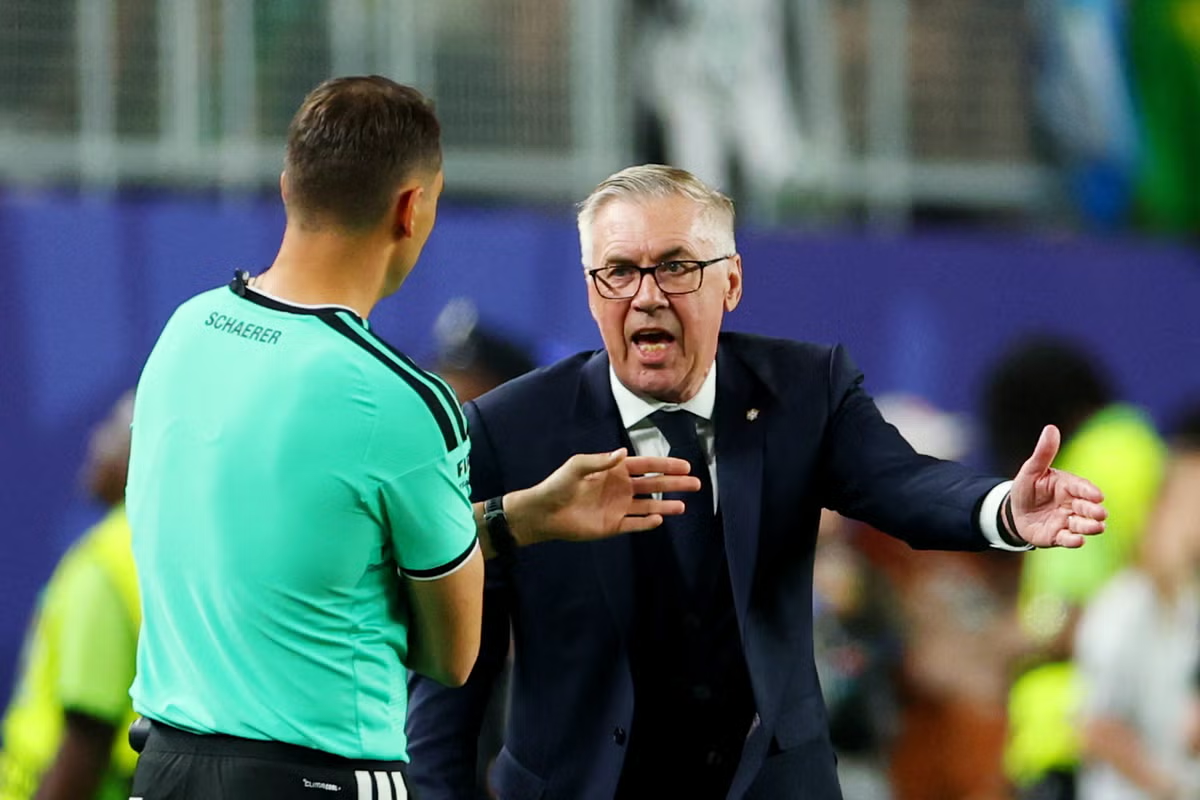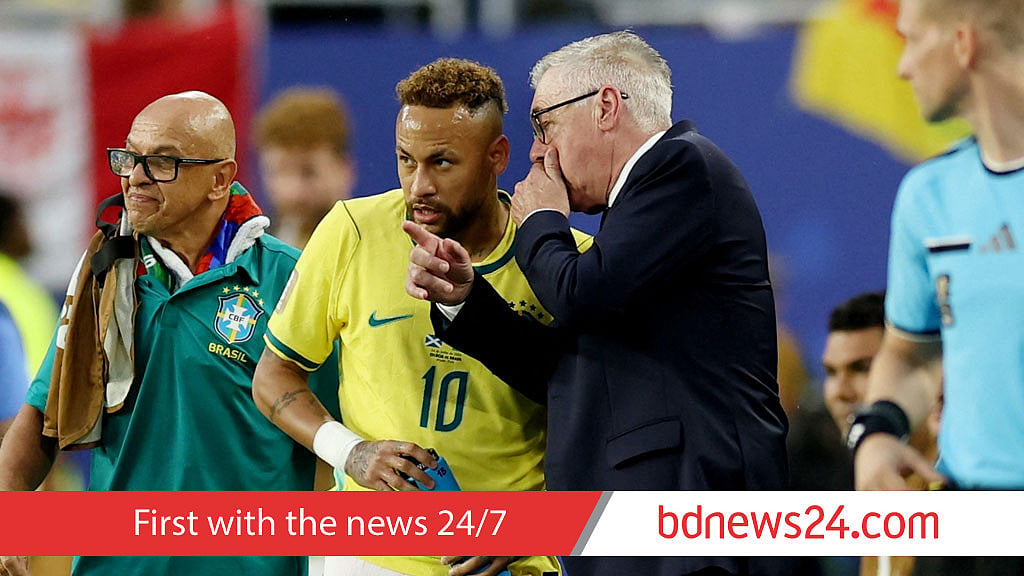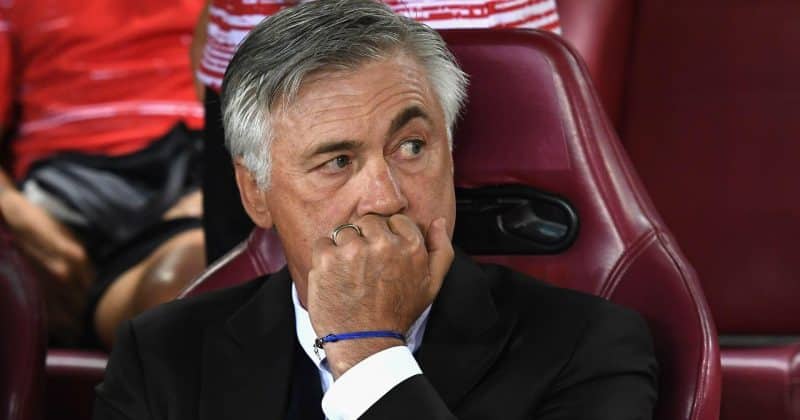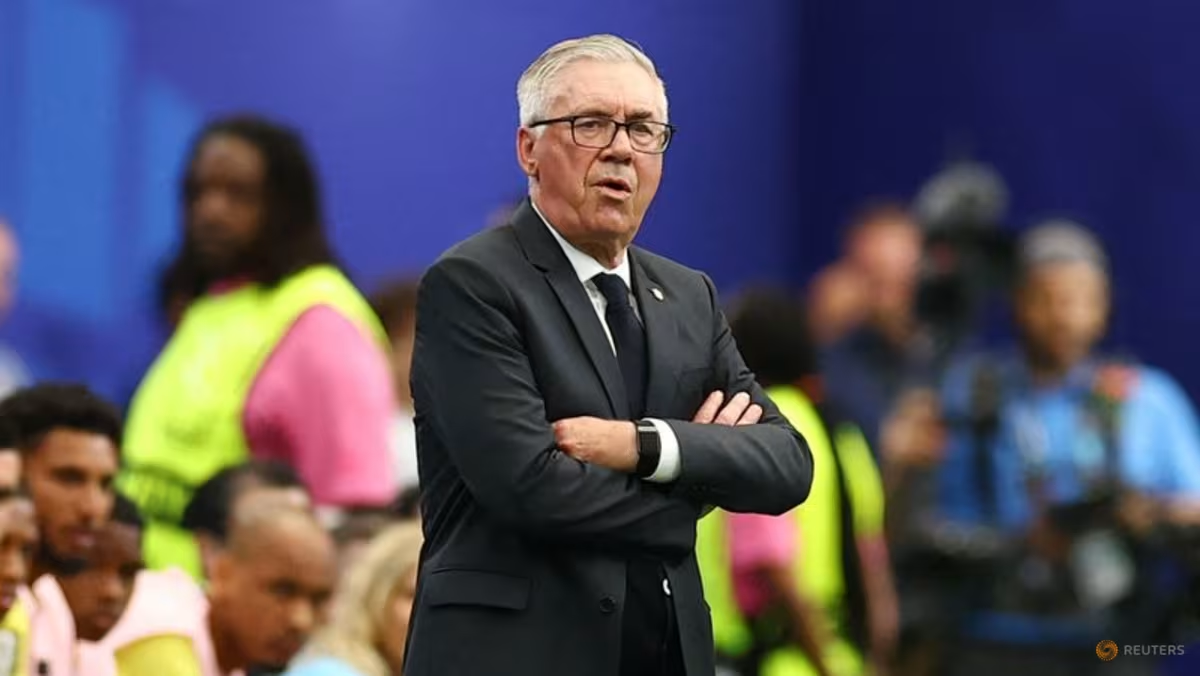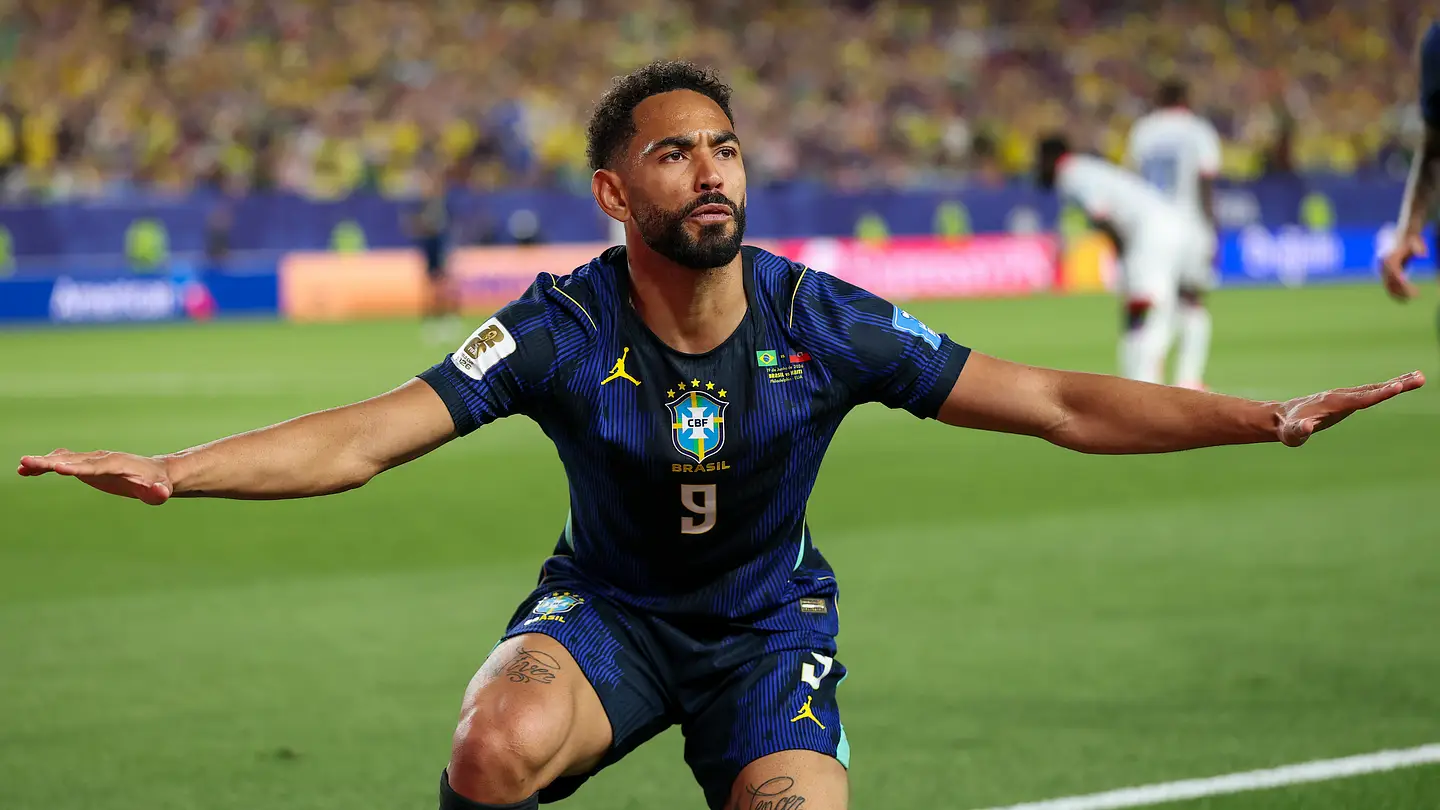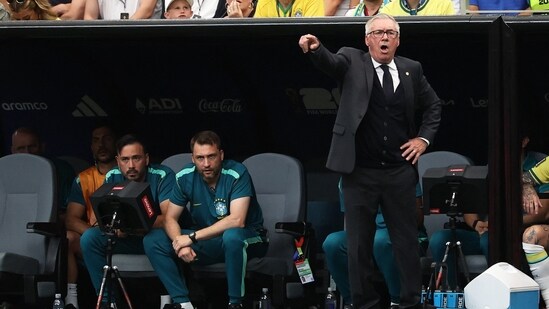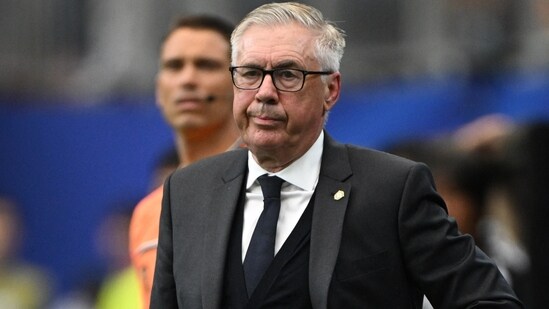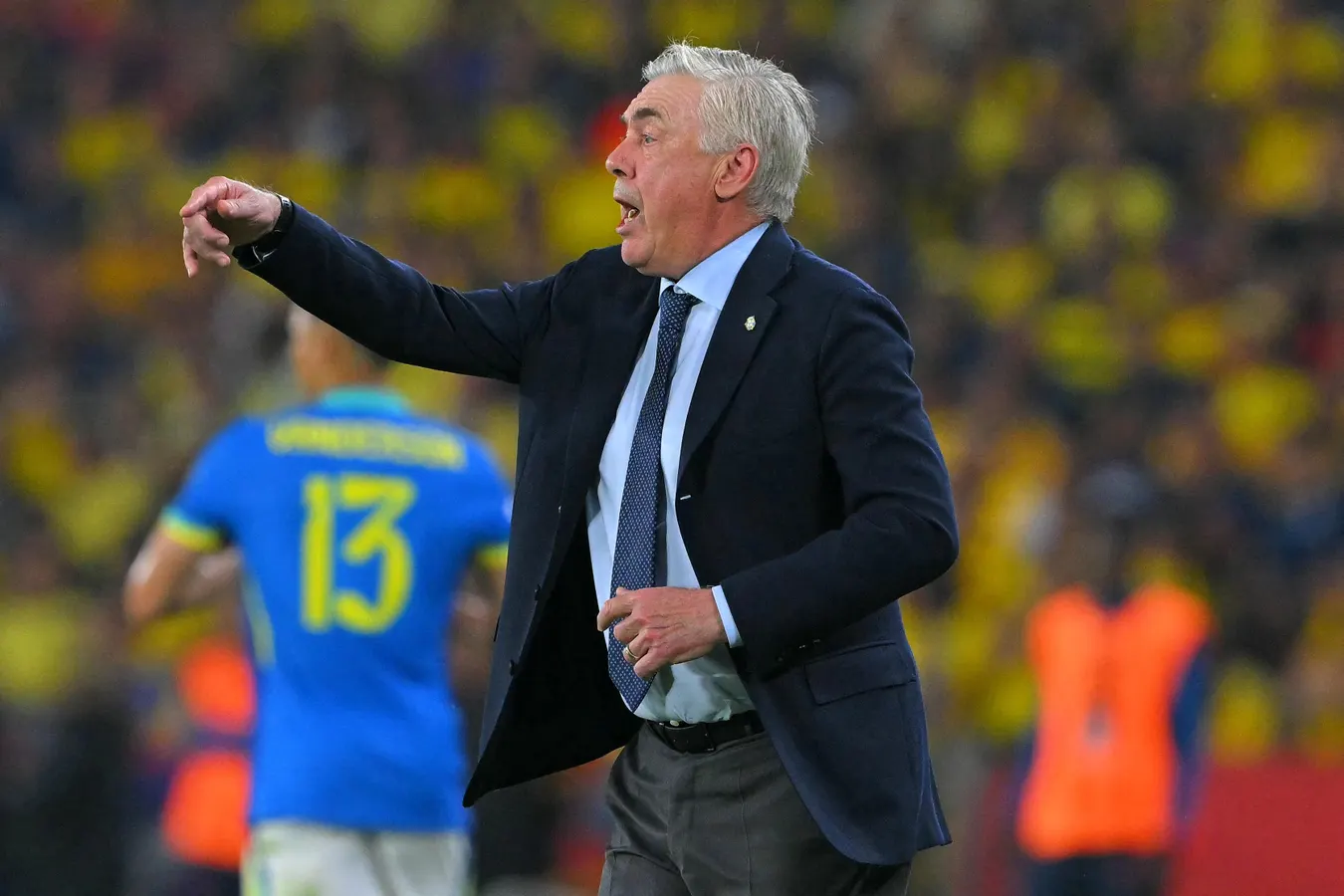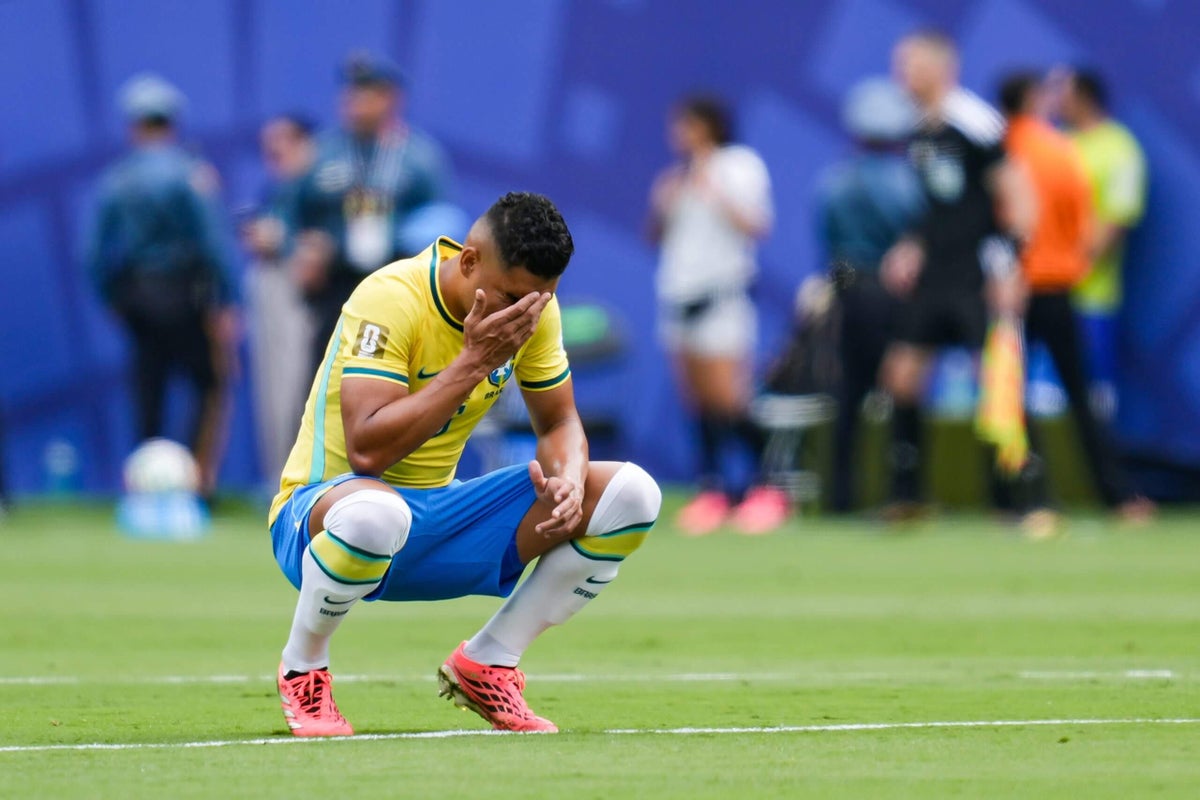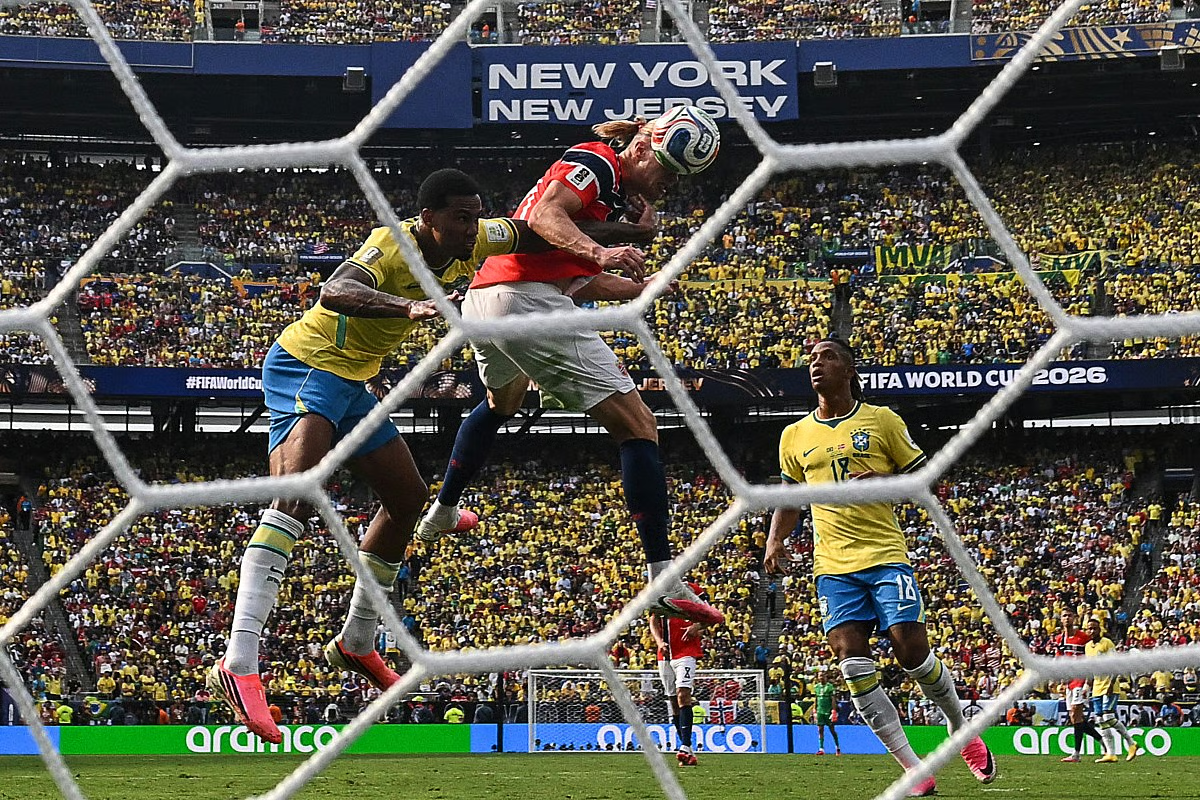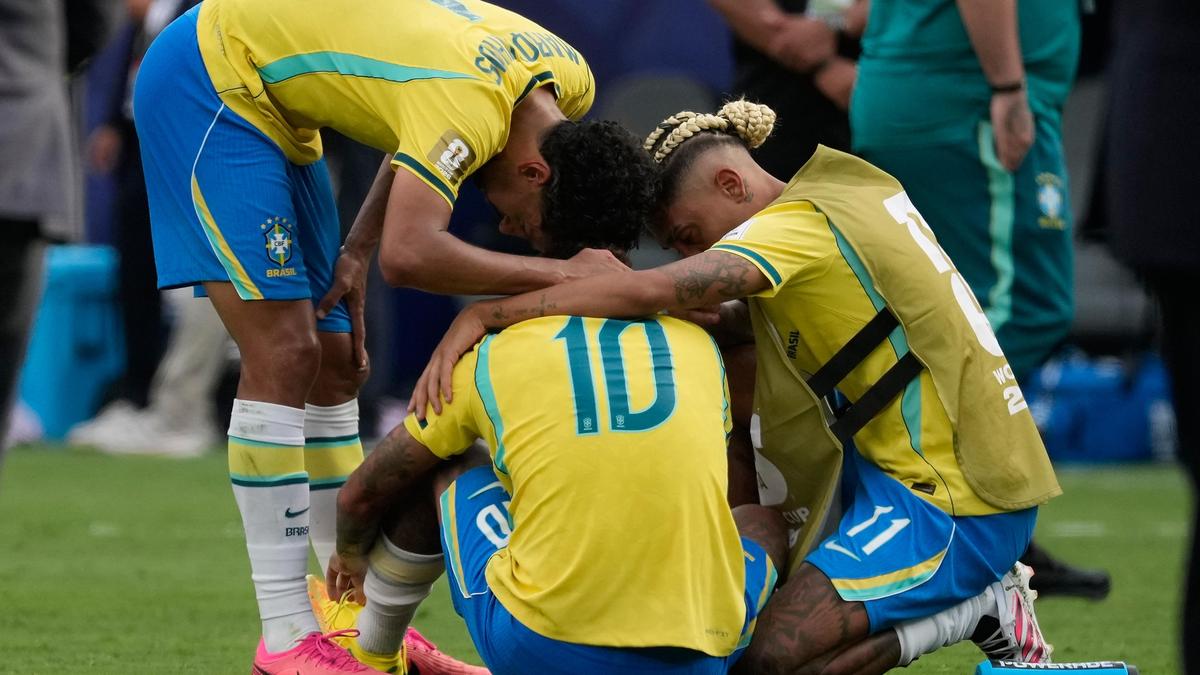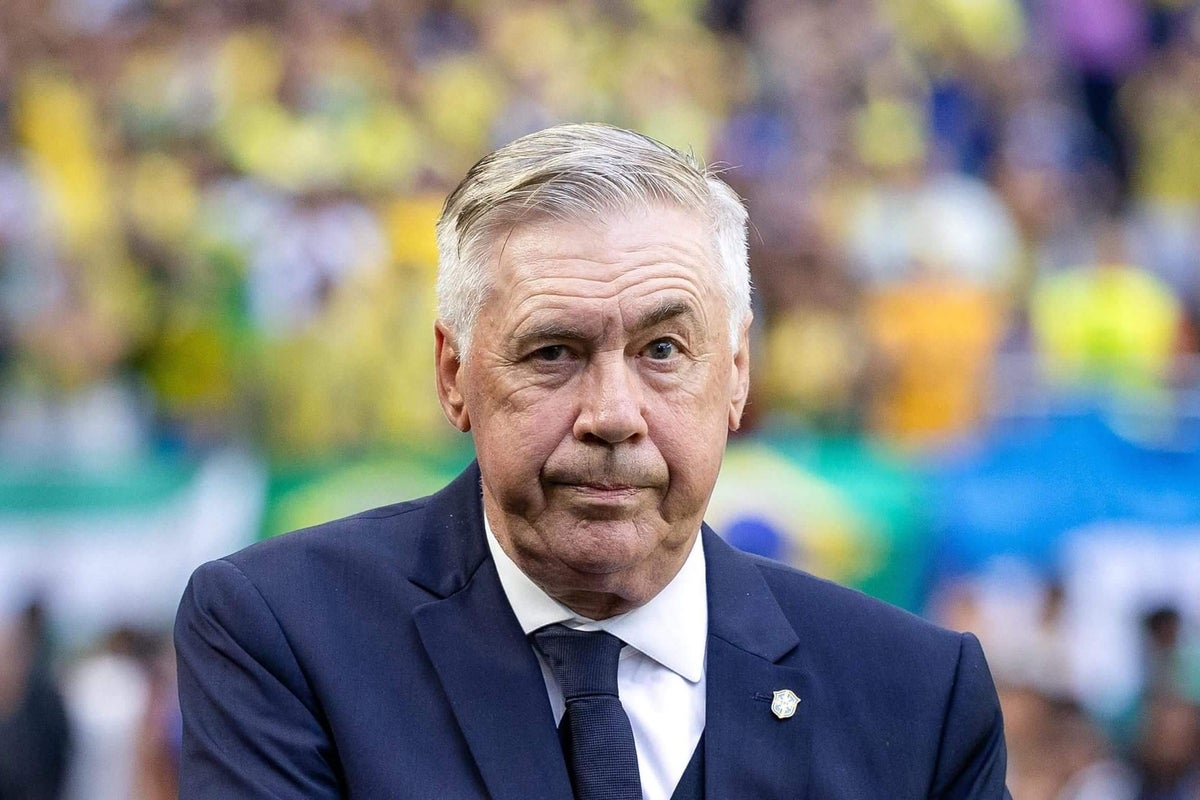
It’s not like watching Brazil. Not the one we saw in grainy colour at the Azteca 1970. Nor is it what the ad agencies call jogo bonito either, the marketing strategy and flair associated with the Brazil teams from the late ’90s and early ’00s when they last won the World Cup.So what is it?When Carlo Ancelotti isn’t answering questions about Neymar’s fitness or what Endrick has to do in order to start for Brazil, he is repeatedly asked about the team’s identity. What’s his big idea for Brazil? Where’s the philosophy? Should Brazil have a brand of football?“We only pay attention to one team when we watch the game,” Folha de Sao Paulo columnist, Idelber Avelar, noted.Ancelotti has tried to be romantic about it. Before the World Cup began, he spoke about how the Rio carnival serves as an inspiration, a metaphor for the nation.“You see Brazil in the carnival,” he said. “It comes across first of all in the allegria; the boundless energy and desire to be together; and the superb organisation, because the carnival — especially the one in Rio — is a perfectly-oiled machine in terms of timing, event planning and stage design. This is Brazil. I’d like to add a note on humility too because this is what characterises a truly wonderful country.”The challenge, as he saw it, was to reflect this spirit in the team and win. Because winning, more than anything, is Brazil’s identity. Ancelotti’s son, Davide, understood this during his brief spell in charge of Botofogo.“The average tenure of a coach in Brazil is four months,” he told Il Tripletta podcast. Clubs are demanding. Fanbases are used to success. Five of the last six Copa Libertadores finals have been all-Brazilian affairs. The country expects the sexta; a sixth World Cup. How are they going to do it, though? And is by any means possible OK? Ancelotti believes it should suffice. Often portrayed as diametrically opposed, Brazilian and Italian culture have this in common.“Brazil has many identities,” Ancelotti said. “I don’t want a clear identity for the team, because my team has to do many things. I want my team to be able to do many things: defend with a low block, attack, make the most of the players’ quality, be aggressive up front, drop back, be defensive in their own area…” Did it satisfy Ancelotti’s detractors, the ones calling for more definition and conformity to the Brazil inhabiting our collective imagination? It did not.But Brazil are beginning to take form. There is a shape to their games. Vinicius Junior has stepped up, finding the net in every group stage game. Clean sheets have been kept against Haiti in Philadelphia and Scotland in Miami. The scoreline — 3-0 — was also symmetric. For those wanting patterns of play, have you seen the goals Brazil score? A lot of them are the same.
It’s not jogo bonito, but Ancelotti’s Brazil are scoring lots of the same goal
Ancelotti said his side's goals are due to tackles and regaining possessions — not things traditionally associated with Brazil's style
1,072 words~5 min read