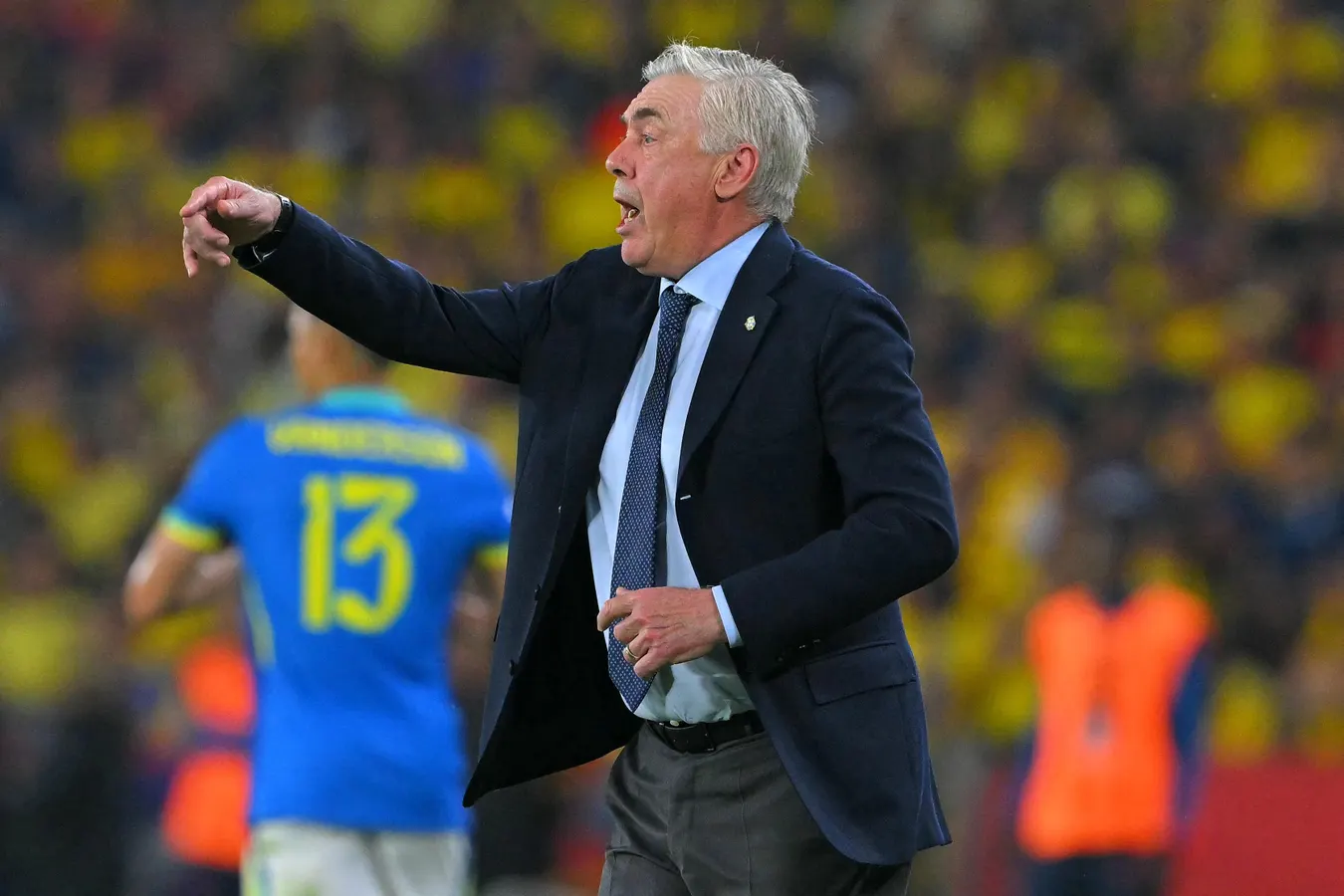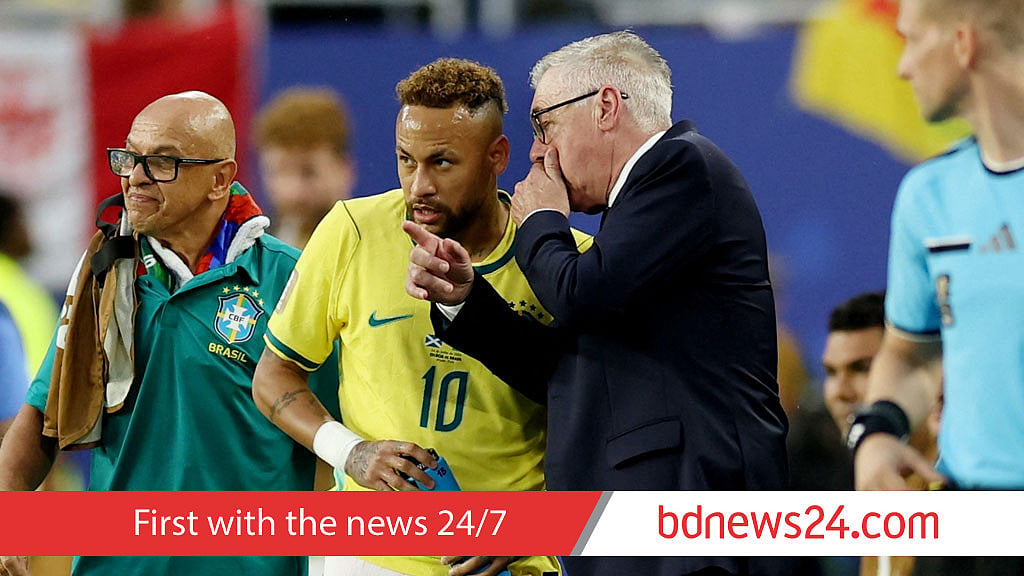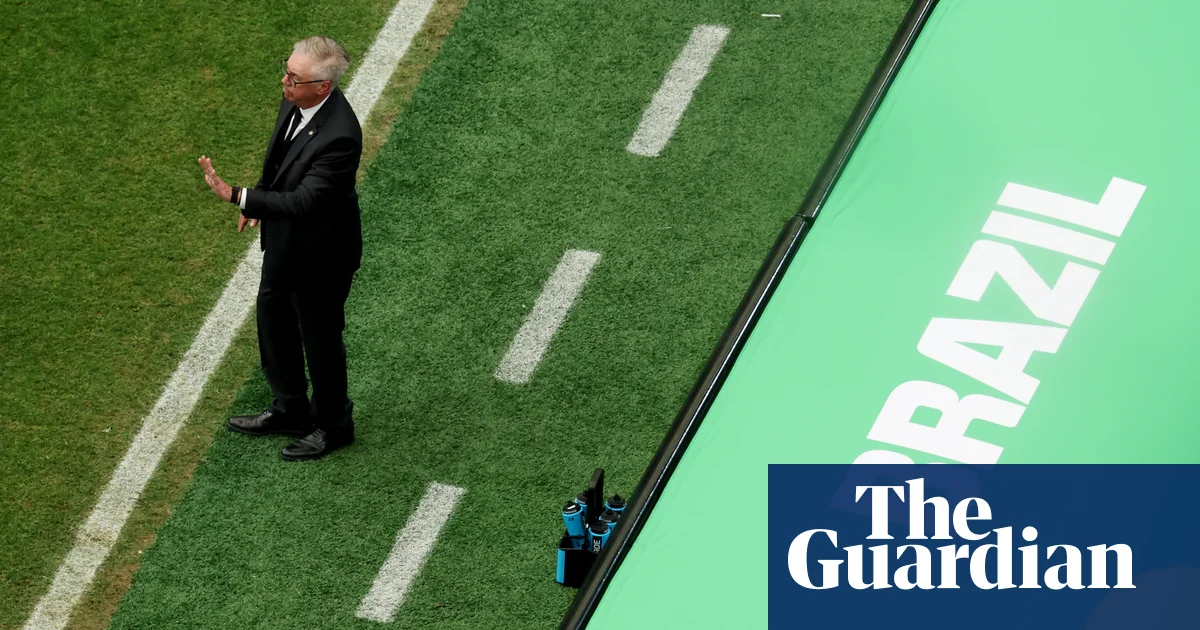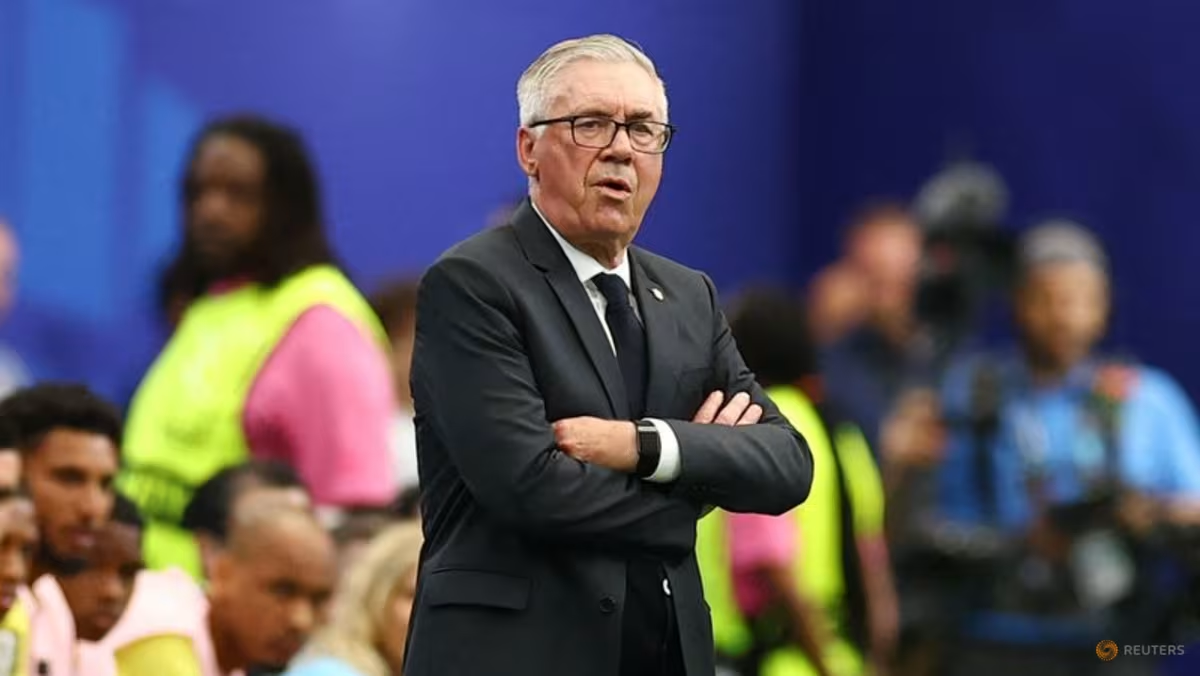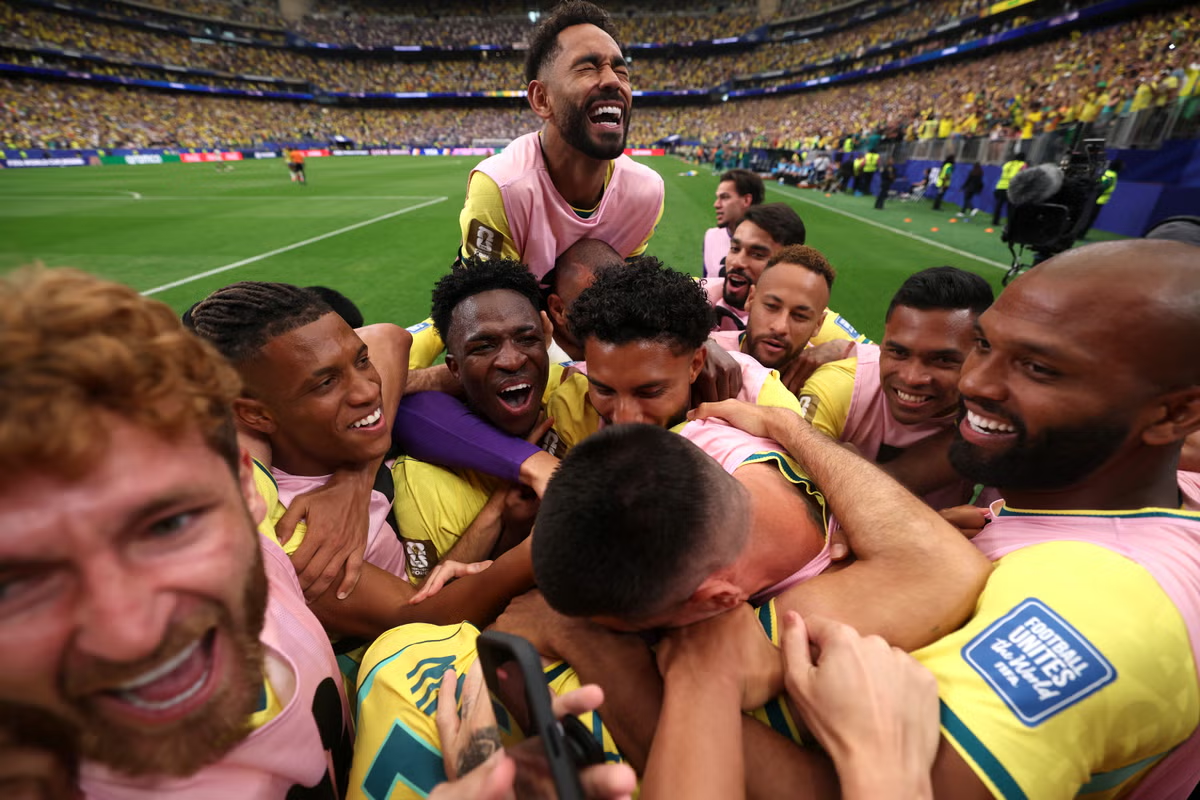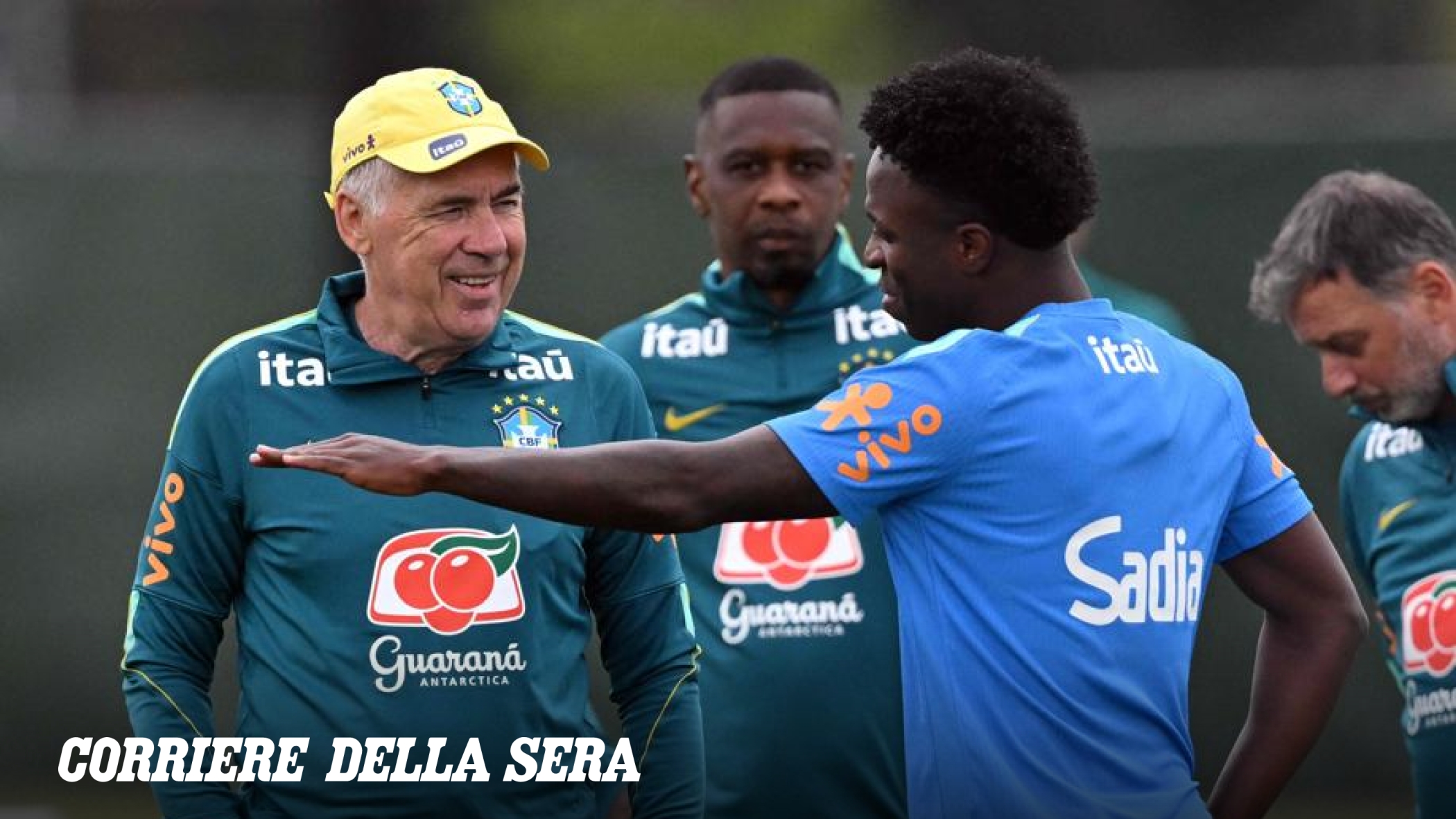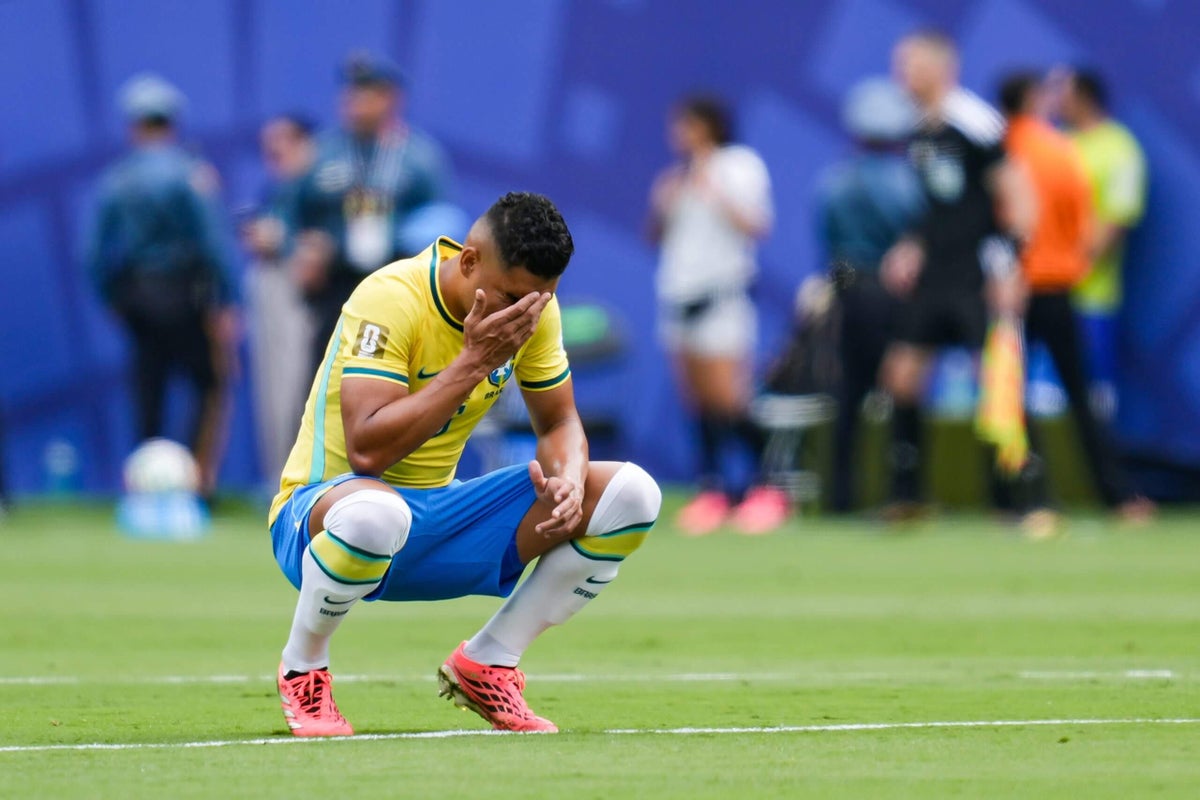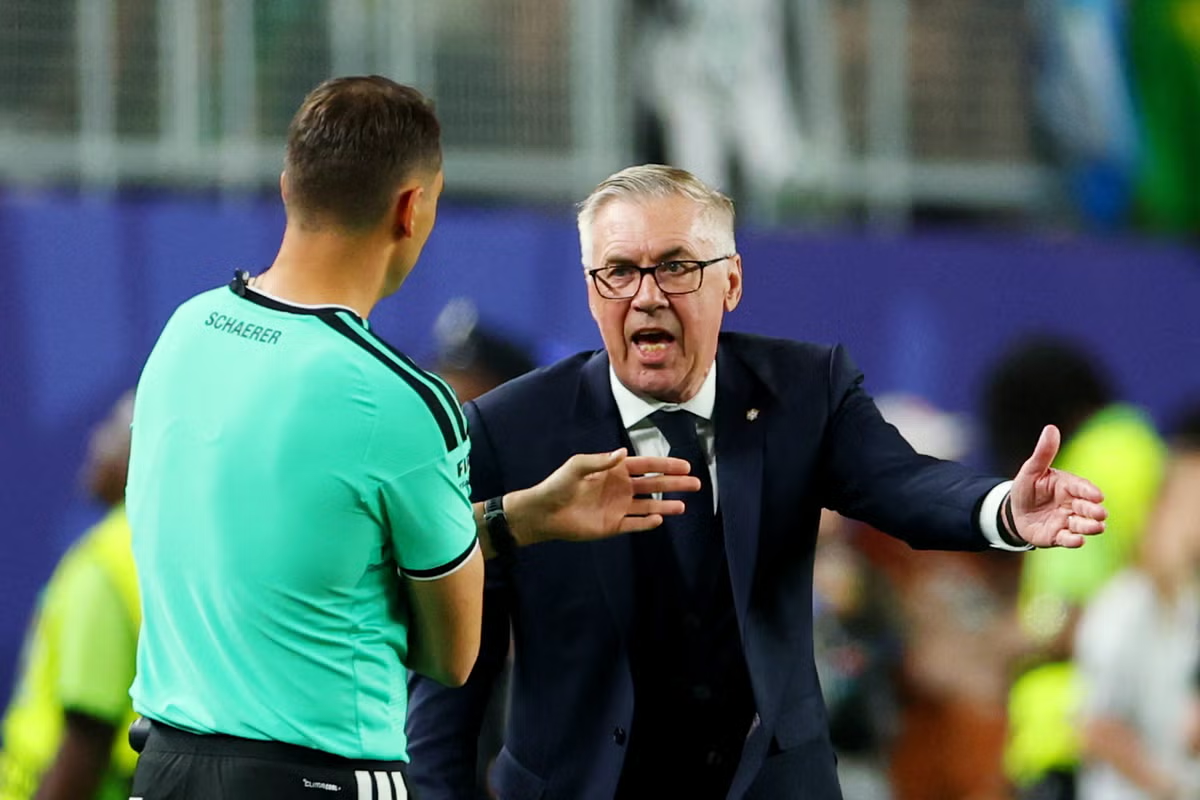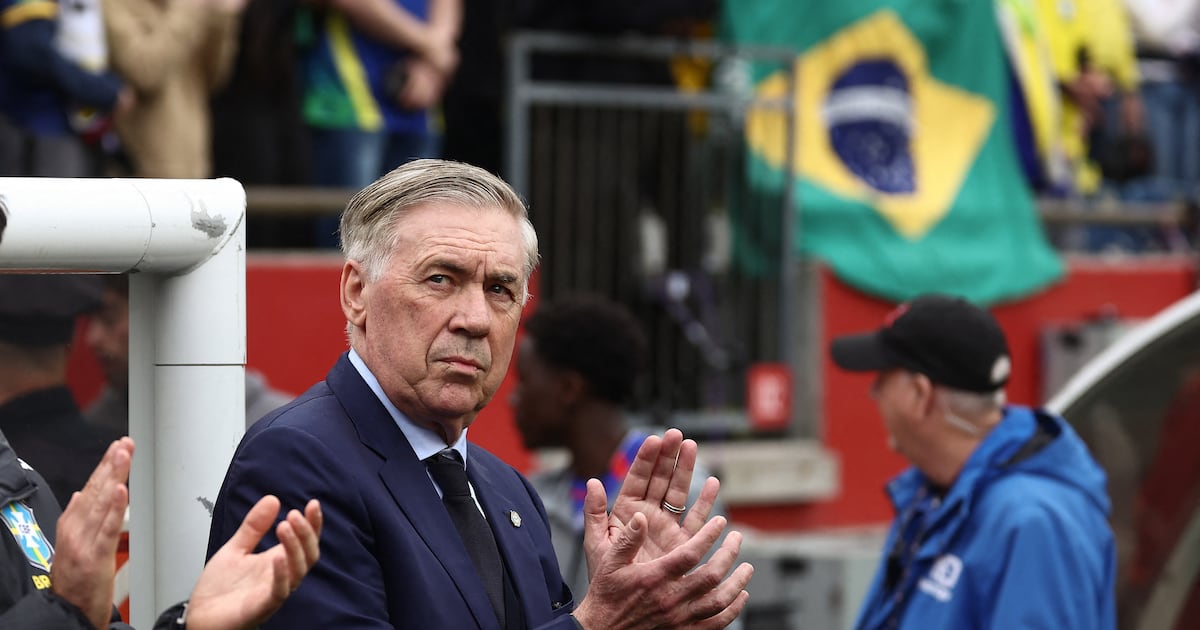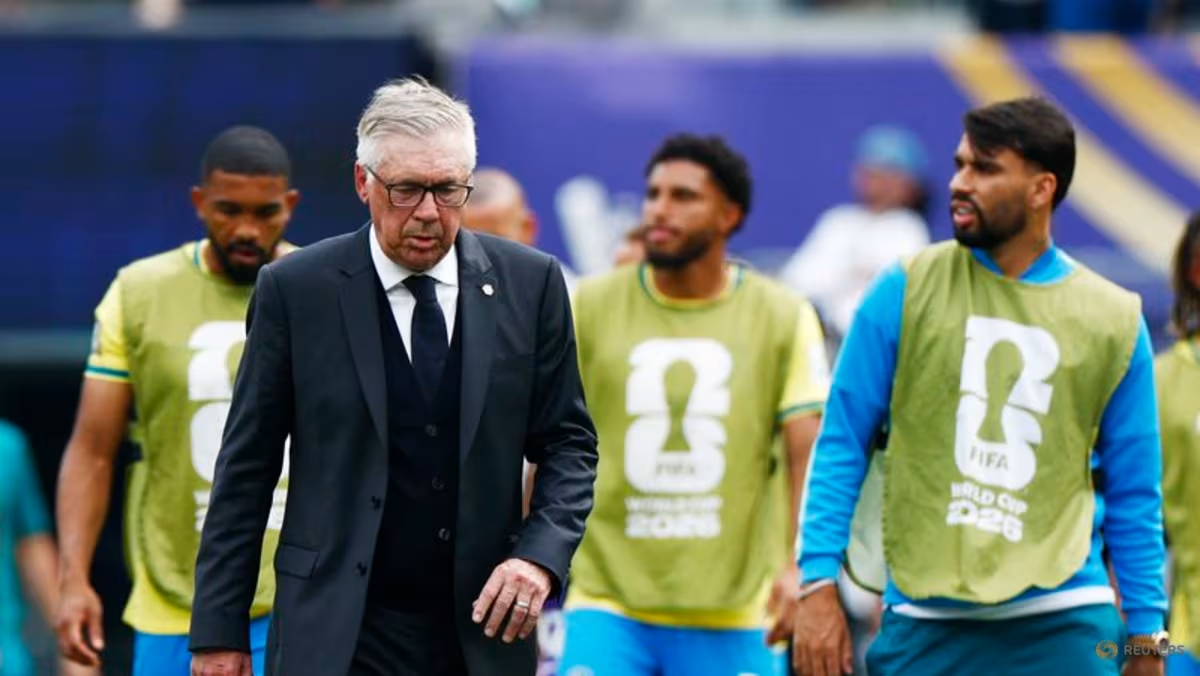
Brazil’s modern World Cup story is measured against ghosts. The 1970 side turned football into theatre, 1982 became the patron saint of beautiful failure, 1994 won by discipline and 2002 by devastating genius. Since then, though, the yellow shirt has carried more memory than menace. Brazil still produce stars, but the aura has thinned.Carlo Ancelotti as Brazil manager. (REUTERS)That is the Brazil Carlo Ancelotti inherited: not a broken football nation, but a damaged football identity. The five-time champions came into this cycle after another quarter-final exit in 2022, managerial instability, a humiliating 4-1 qualifying defeat to Argentina, and a campaign that pushed them into uncomfortable territory in South America. Ancelotti was not hired to decorate Samba football. He was hired to rescue it.Ancelotti is putting structure before spectacleThe thesis of Brazil’s 2026 World Cup is becoming clearer with every game: Ancelotti is not removing the Samba, he is putting a seatbelt on it. Brazil are still built around Vinicius Junior’s directness, individual electricity and the emotional weight of the shirt. But the base has changed. This is a team being asked to stay compact before it charms, to suffer before it flows, to control the match before chasing beauty.Even before the tournament, Ancelotti’s language gave away the shift. He spoke less like a coach obsessed with diagrams and more like a manager rebuilding temperament. Attitude, unity, compactness and commitment became the first pillars. Brazil, in other words, had to earn the right to be expressive again.The opening 1-1 draw with Morocco showed why. Brazil’s 4-3-3 often became a 4-2-3-1 in possession, with Casemiro dropping deep, Bruno Guimaraes and Lucas Paqueta pushing higher, Vinicius holding the left, Raphinha stretching the right, and Matheus Cunha/Igor Thiago central. But the same shape also showed the danger: advanced full-backs, space around Casemiro, and a vulnerable rest defence when moves broke down.That was the old problem in a new costume. Brazil had talent, but talent alone did not protect them. Morocco made them look anxious, stretched and occasionally ordinary. Ancelotti’s first repair was not to add more fantasy; it was to reduce the chaos around it.Also Read: Brazil's great escape, Germany's fall and the Dutch collapse prove FIFA World Cup 2026 has no untouchable giantsThe proof came when Brazil had to sufferThe response against Haiti and Scotland showed the cleaner version. Brazil beat Haiti 3-0, with Vinicius involved in three goals across his first two matches. Against Scotland, they won 3-0 again, topped Group C with seven points, kept their defensive record intact, and saw Neymar return from the bench after nearly three years away.Yet even that Scotland win was revealing. Brazil did not simply overwhelm through a loose attacking rhythm. They pressed early, forced mistakes, won the ball high and attacked from structure. The goals looked Brazilian; the platform looked Ancelotti.The Round of 32 win over Japan is the real evidence. Brazil trailed 1-0 at half-time, frustrated by Japan’s organisation and hurt by their own mistakes. Vinicius, Cunha and Rayan were starved of involvement in the first half. This was exactly the kind of match that has broken Brazil before: a compact block, a confident opponent, and rising tournament panic.Ancelotti’s answer was almost anti-mythological. Brazil did not solve it with a solo dribble from the heavens. They crossed more. They attacked the box. They leaned on an old general. Casemiro, exposed and criticised in the first half, headed the equaliser after the tactical shift. Then Gabriel Martinelli, a substitute, scored in the 95th minute from Bruno’s pass. It was Brazil’s first comeback from a deficit in a World Cup knockout game since 2002.That is the DNA change. The old Brazil wanted the ball to sing. This Brazil are learning how to survive when it refuses to.There is symbolism in Neymar, too. For more than a decade, Brazil’s emotional universe orbited him. In this World Cup, Ancelotti has used him carefully rather than centrally. He returned against Scotland, but was kept on the bench against Japan, with the coach considering him only if extra time arrived. Brazil are no longer asking Neymar to carry the story. The team has to carry itself.This may not be the Brazil of permanent carnival. It may not satisfy every romantic idea of Samba football. But tournament football has changed, and Brazil had to change with it. Ancelotti’s brilliance is that he has not tried to make Brazil Italian, Spanish or Real Madrid in yellow. He has made them calmer, harder and more realistic.The result is a strange new Selecao: less aura, more method; less mythology, more muscle. The Samba is still there. It just knows how to defend now. However, as the stages come up in the World Cup, the theory will be tested more. But there are some founding stones, if not in this tournament, the structure might pay big dividends in the near future.
Samba with a seatbelt: Carlo Ancelotti's Brazil have less flair, more survival instinct
Brazil once won by aura. Under Carlo Ancelotti, the Selecao are learning a harder World Cup truth; beauty needs structure to survive. | Football News
807 words~4 min read