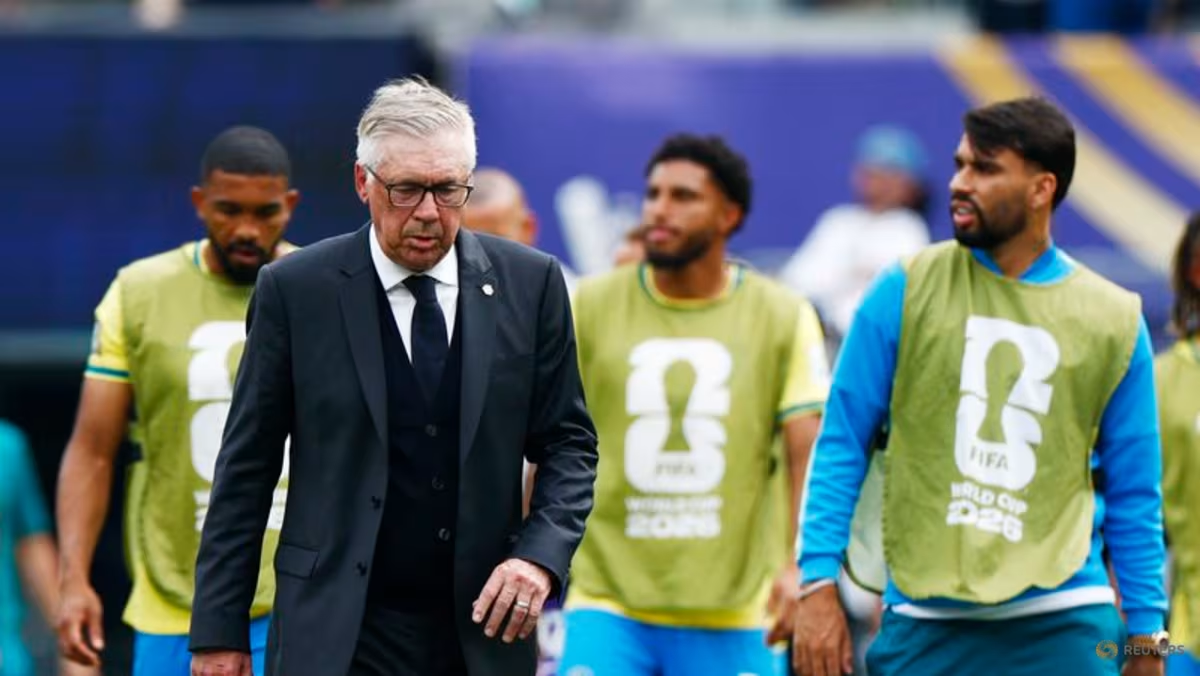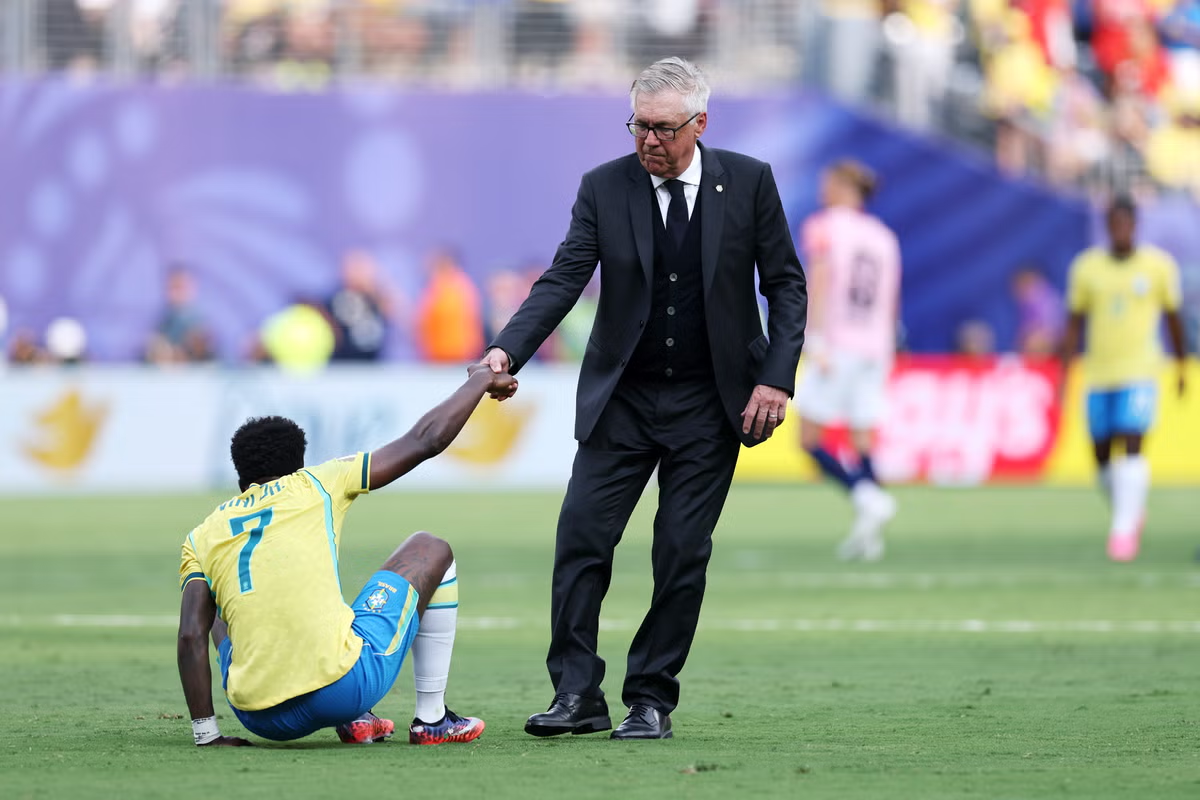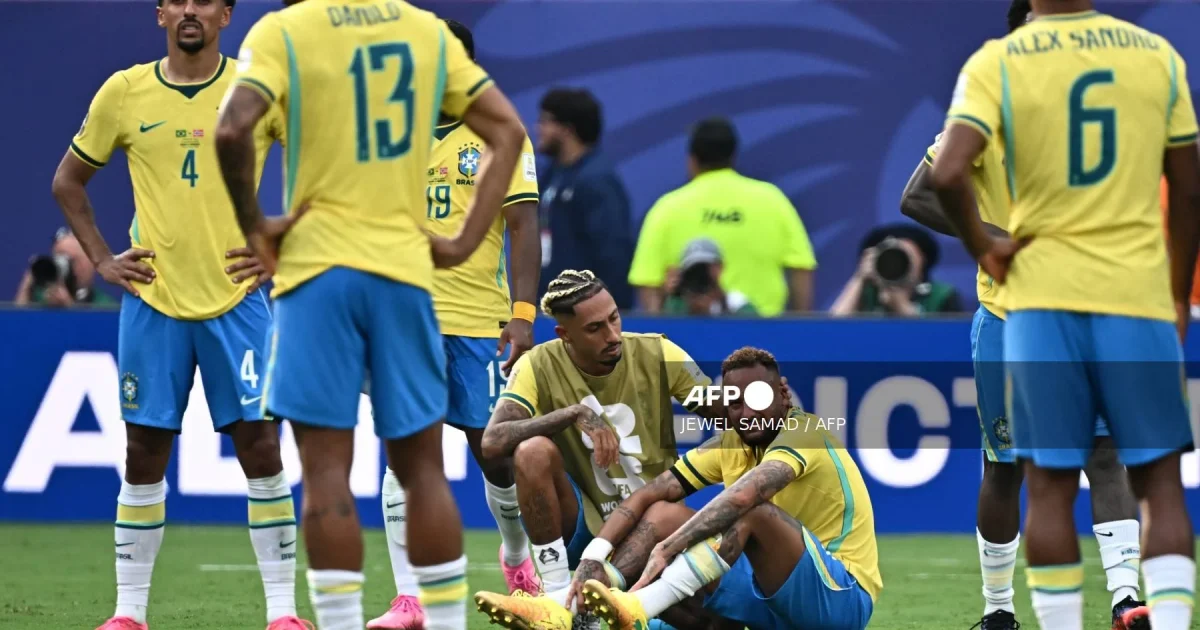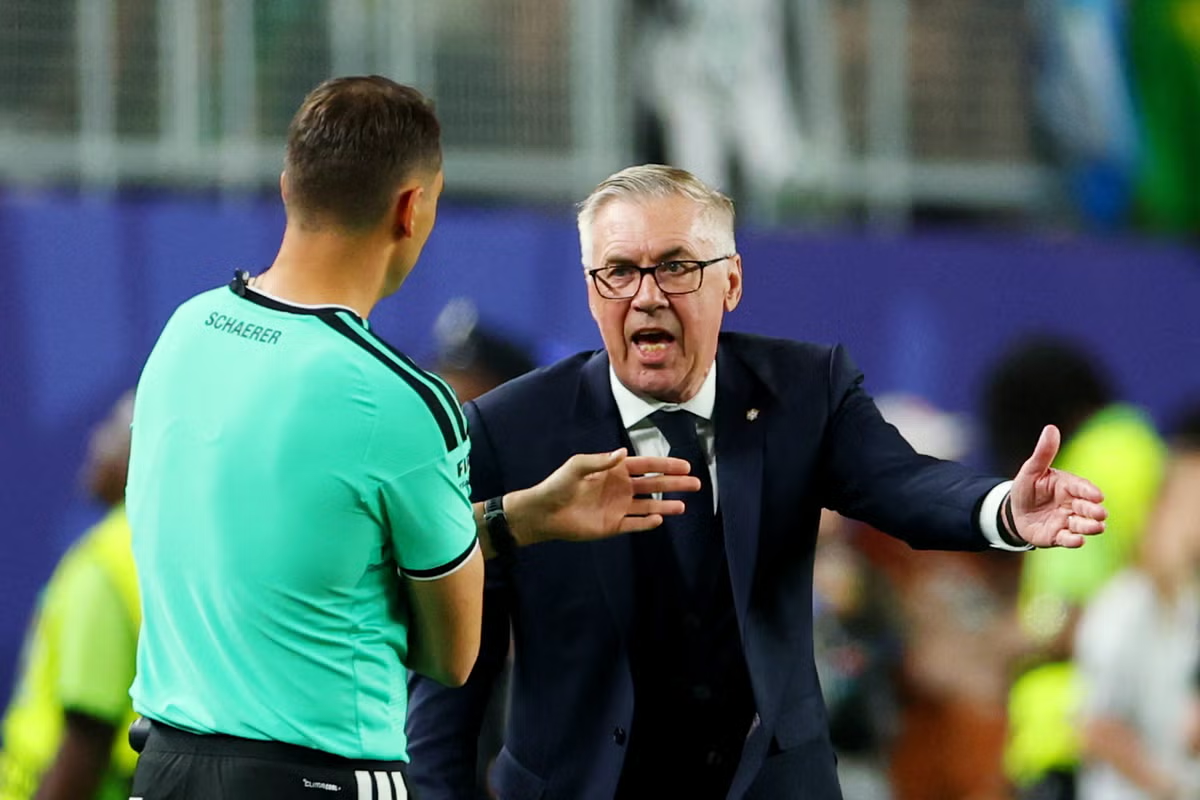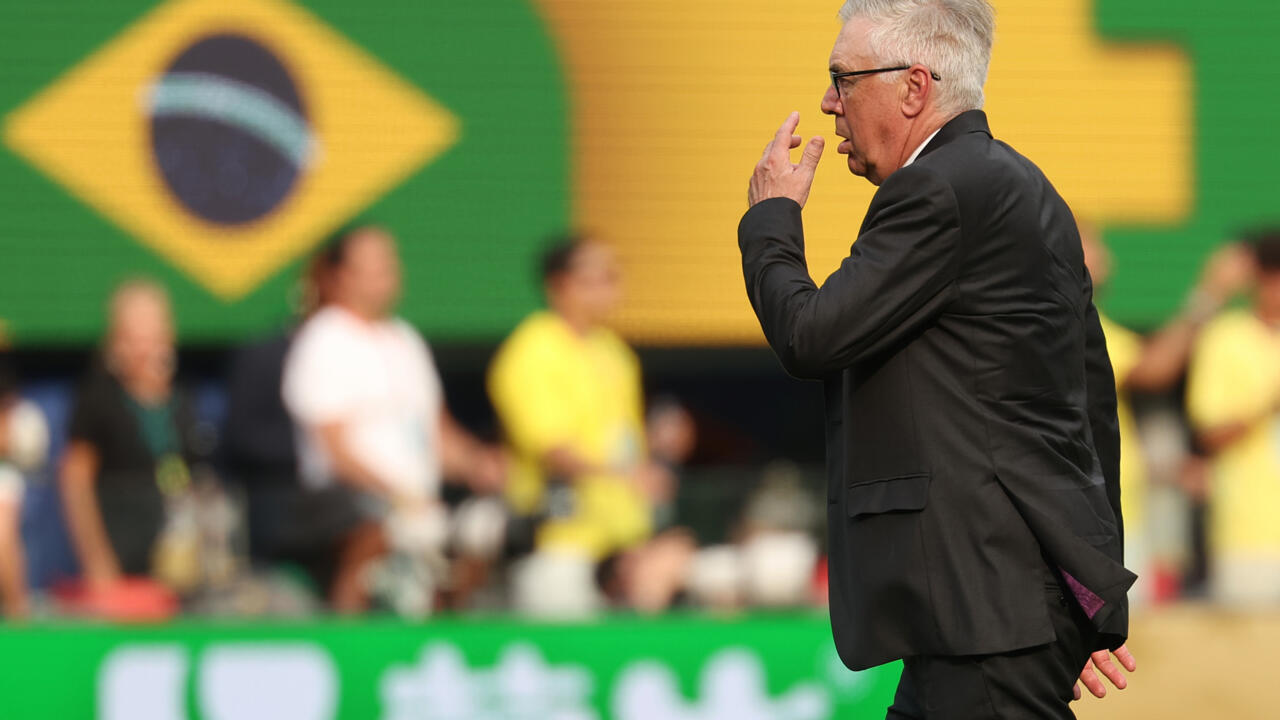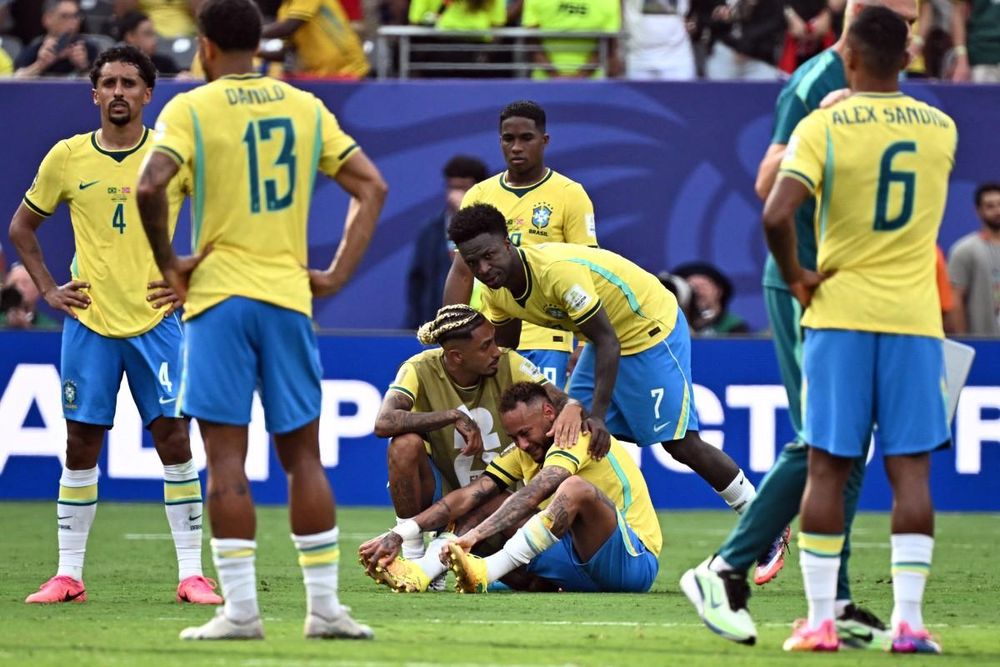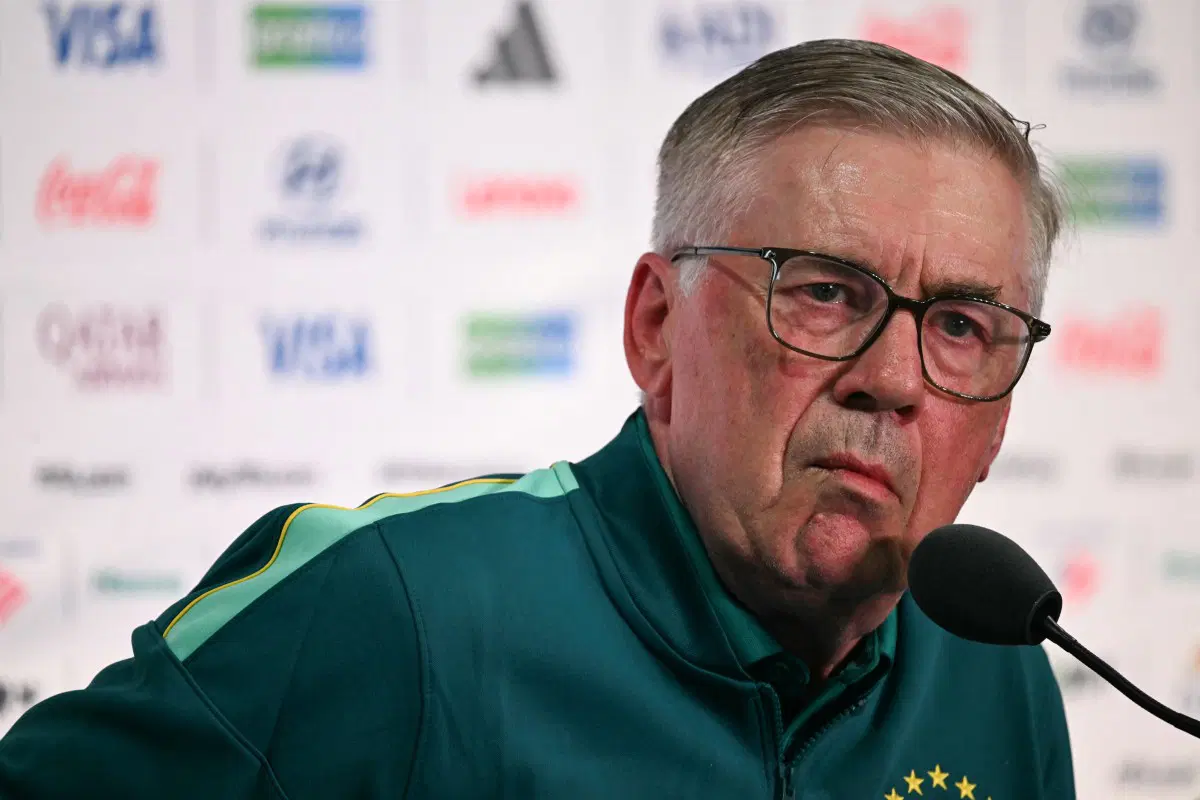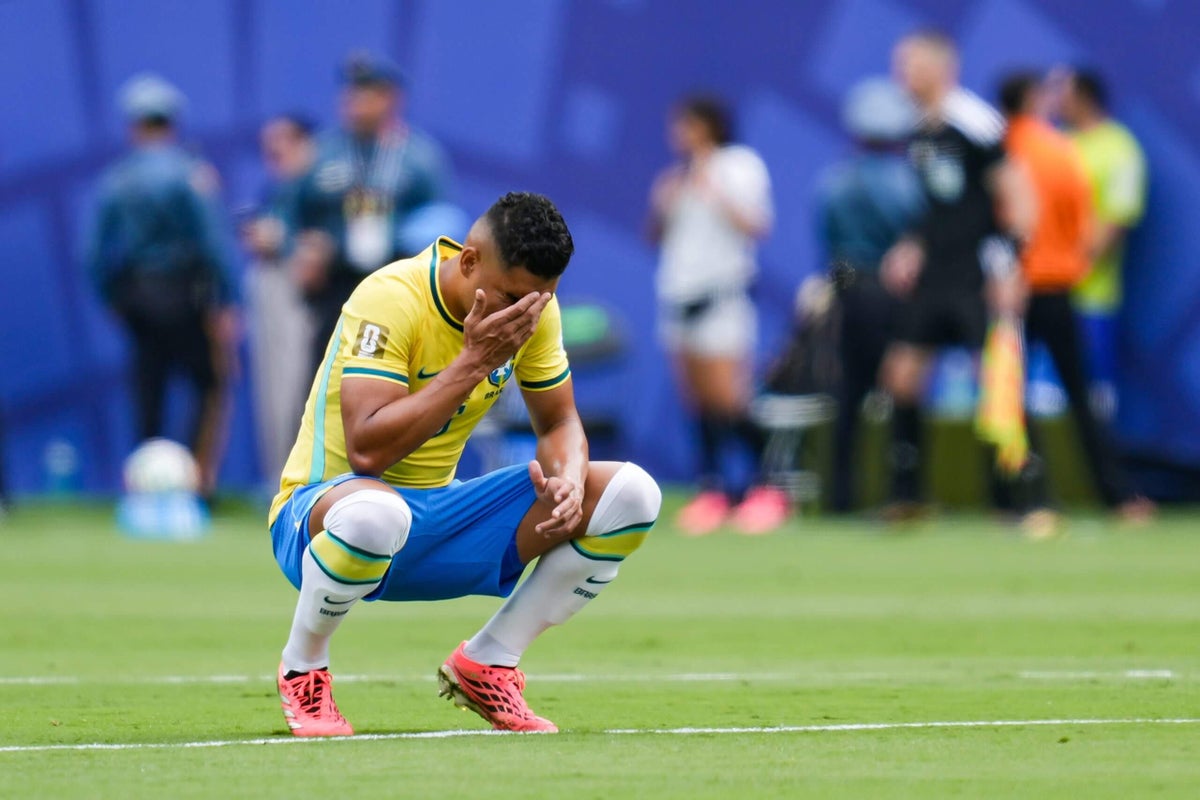
Brazil do not usually go this quietly.The colour, the noise, the expectation — all heightened by the long-awaited arrival of Carlo Ancelotti last year. It was supposed to be the summer that vibrant attacking football returned to the national team.Their exit at the hands of Norway was hardly dramatic. Nor was it intensely emotional, the kind of calamity that has drawn deep introspection in years gone by. Instead, Brazil’s 2-1 defeat was flat, and a little bit sad; to see a nation synonymous with joyous pass-and-move football eased out of the competition with minimal fuss.“I thought Brazil would improve in the second half, but Norway had even more possession, more dominance against a passive Selecao,” said the legendary forward Tostao. “They didn’t apply any pressure and just watched Norway play. It was an unexpected and melancholic failure.”With just 34 per cent of the ball, this was the lowest possession share that Brazil have seen in a World Cup match since data collection began in 1966.The tone was set early on, as Norway pressed Brazil into a corner with barely 90 seconds on the clock. To begin, Martin Odegaard curves his run to block Alisson’s pass back out to the flanks. The sideways pass to Marquinhos triggers the press, as Erling Haaland, Antonio Nusa and finally David Moller Wolfe race towards the ball and eventually nip in.Brazil looked uncomfortable with the ball at their feet throughout, particularly across the defence, where they lacked technical ability and confidence to find an escape. Neither Danilo nor Douglas Santos from full-back were prepared to tuck inside or make a forward run to offer another route upfield, making the build-up play predictable for Norway to track.Get free access to the most comprehensive World Cup coverage in The Athletic appCasemiro was often slow to offer to receive a pass in midfield, and though Bruno Guimaraes tried to make himself available, he did not have much to aim for further forward when he did get on the ball in deeper areas.That gave Norway the confidence to keep applying pressure, consistently nicking the ball and establishing control of possession themselves, leaving Brazil suddenly reliant on counter-attacks and opposition mistakes to get their attacking players involved in the game.It is how they won their penalty in the first half, as winger Rayan dispossesses Nusa, with Guimaraes on hand to wrap the ball through to Matheus Cunha to launch the quick attack.But more often than not, Brazil’s work with the ball was laboured, sorely missing a tempo-setter at the base of midfield to provide composure and allow them to build longer sequences of possession and dictate the flow of the game.
Brazil’s midfield spine meant they were always destined to fall short at this World Cup
Ancelotti was supposed to be the man who could bring renewed freedom to Brazil's attack but they did not have a strong enough platform
1,022 words~5 min read