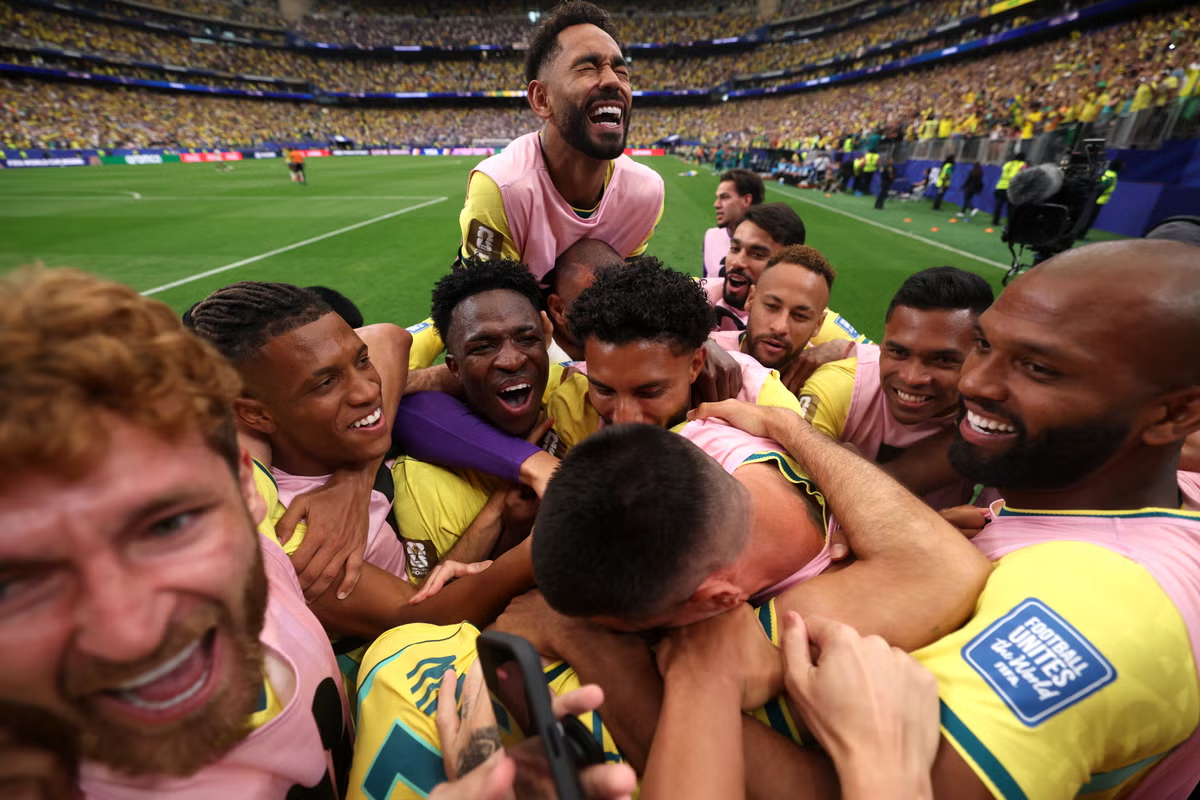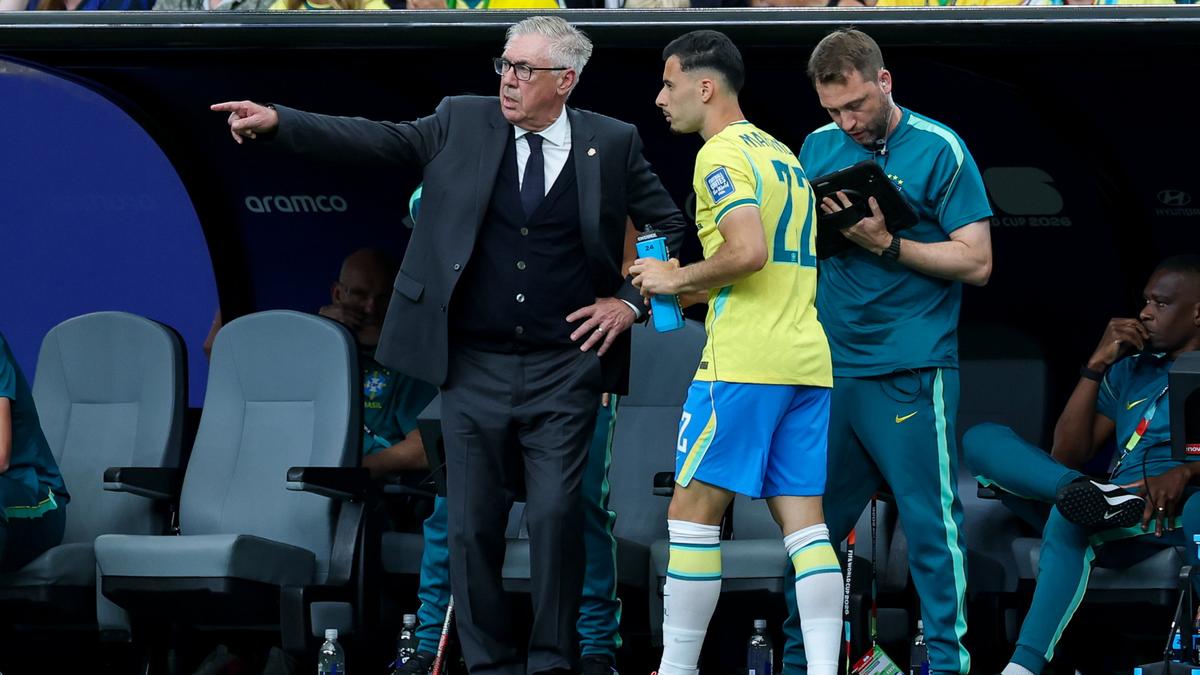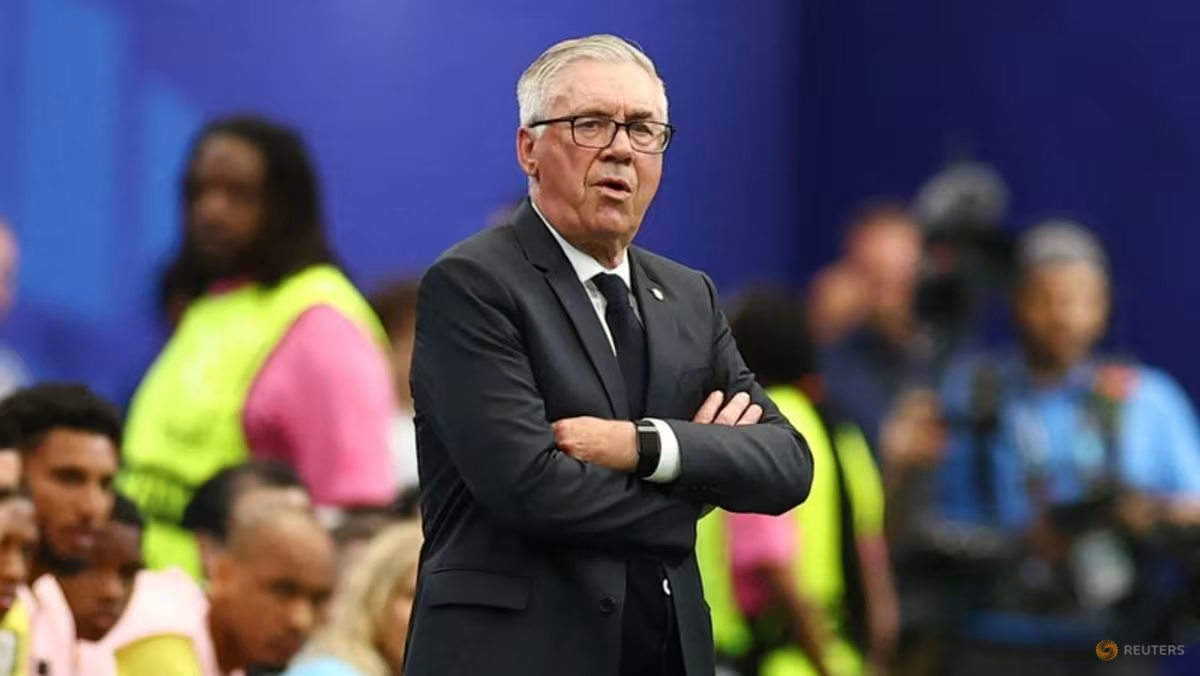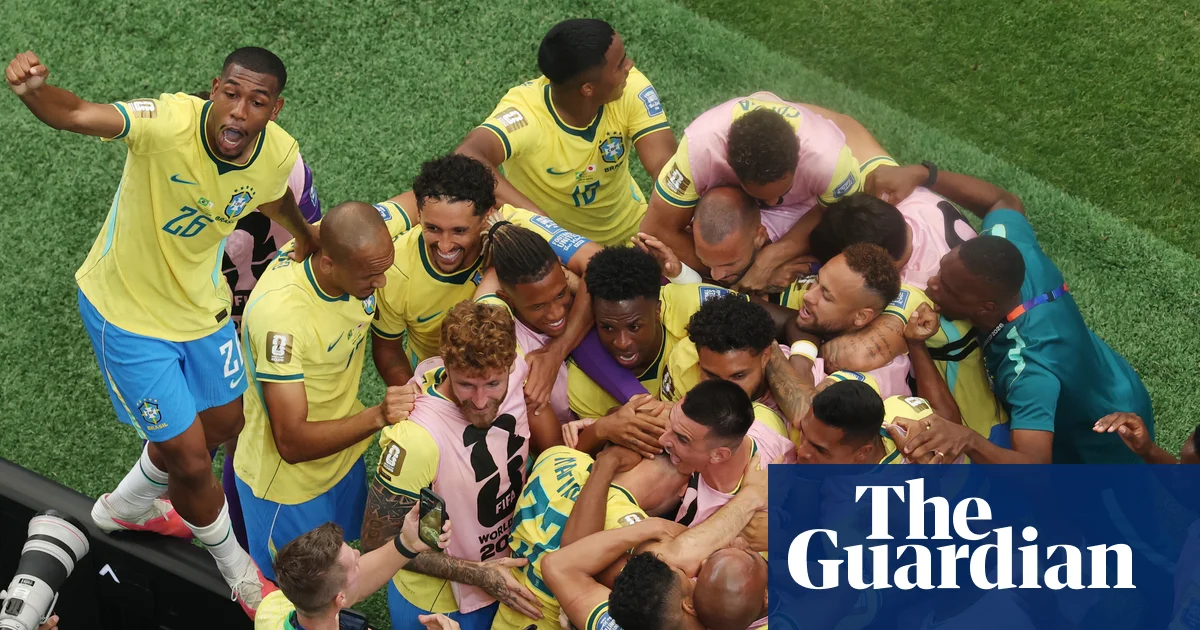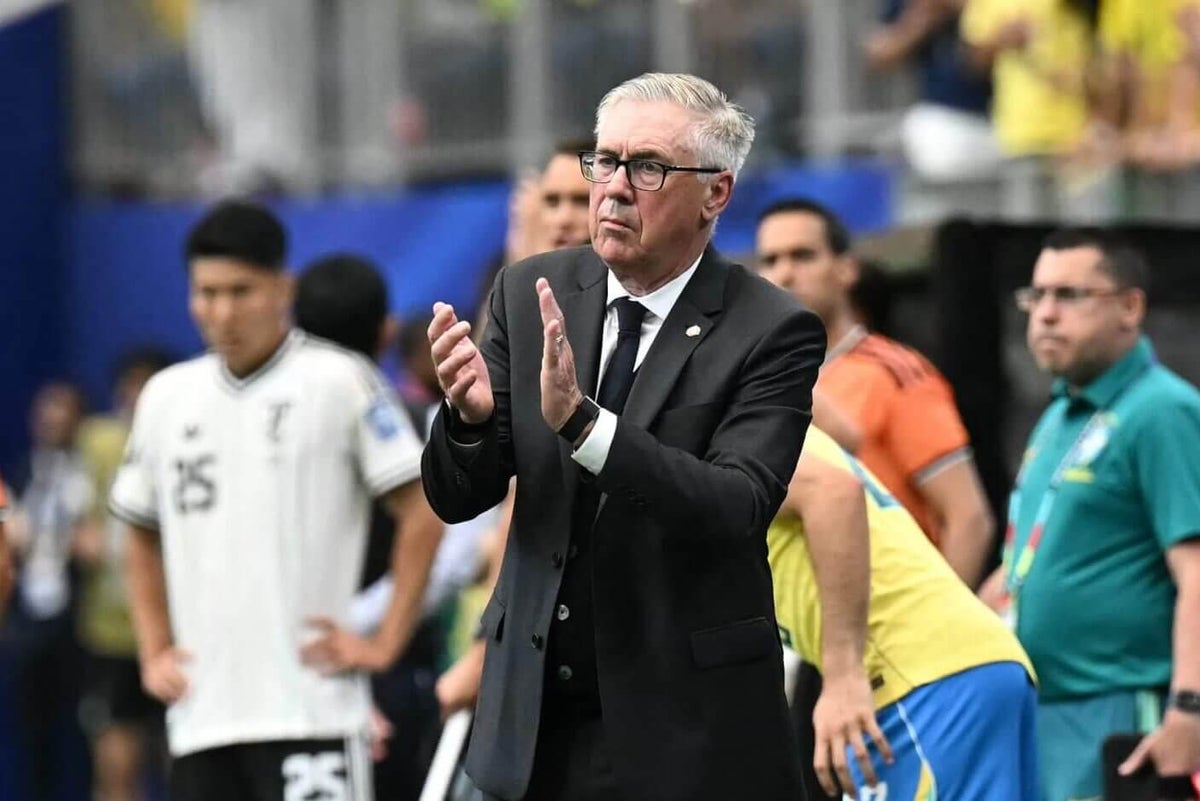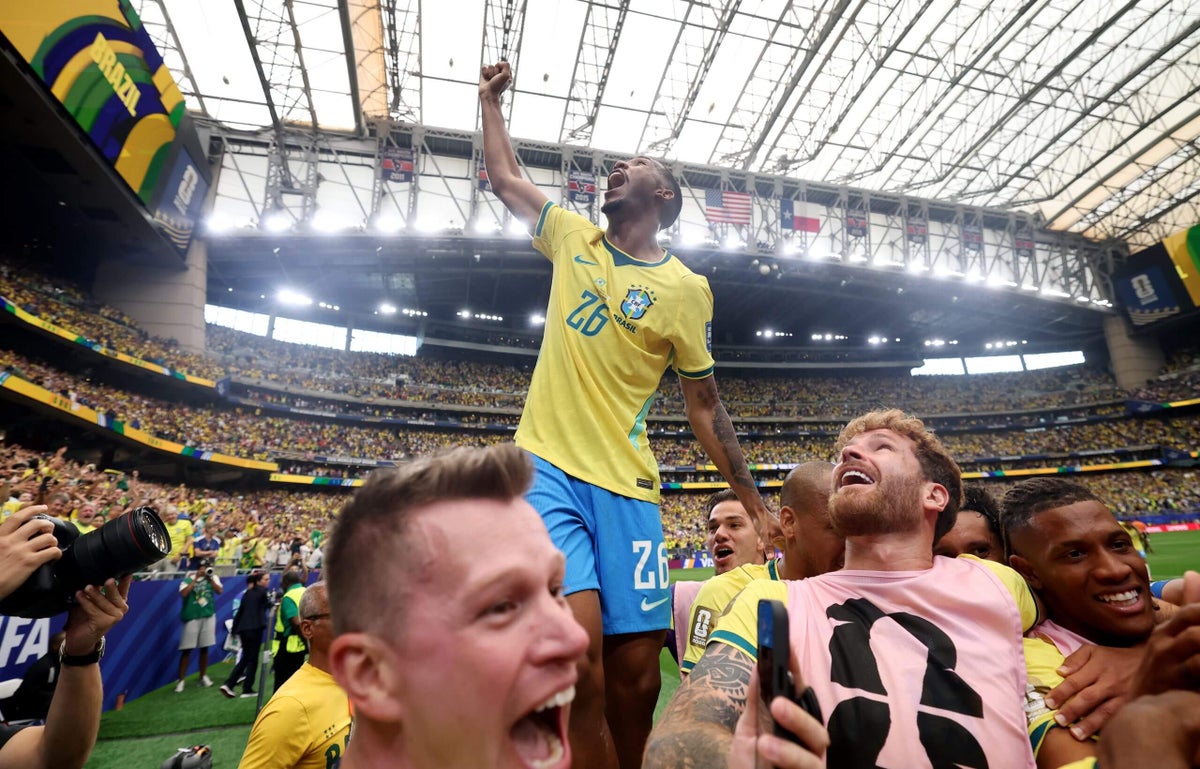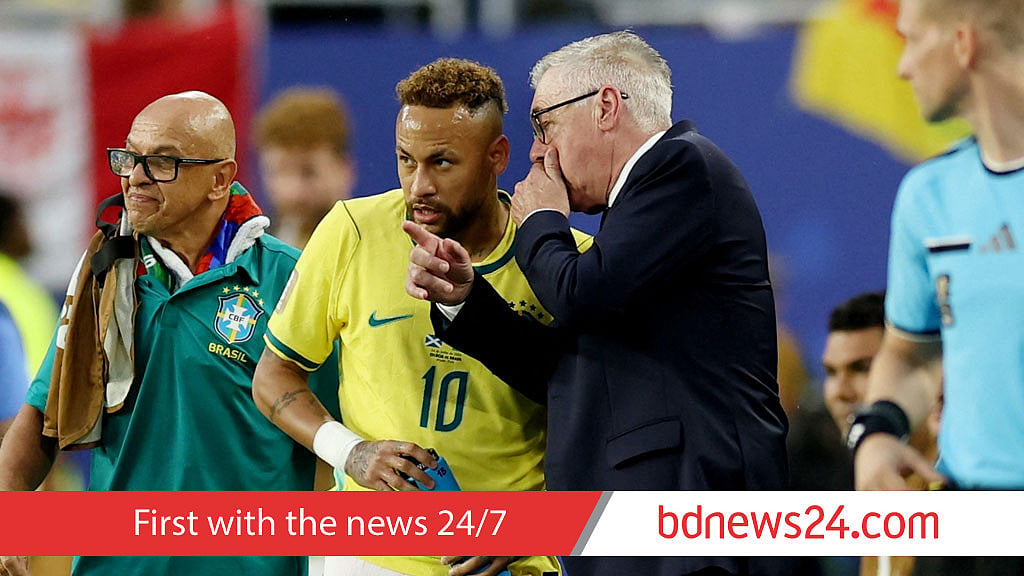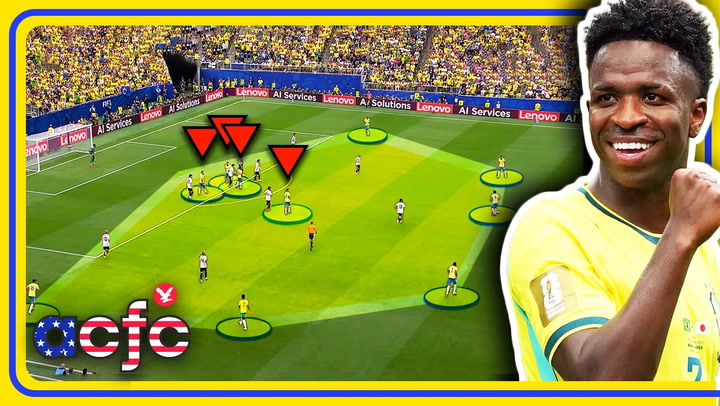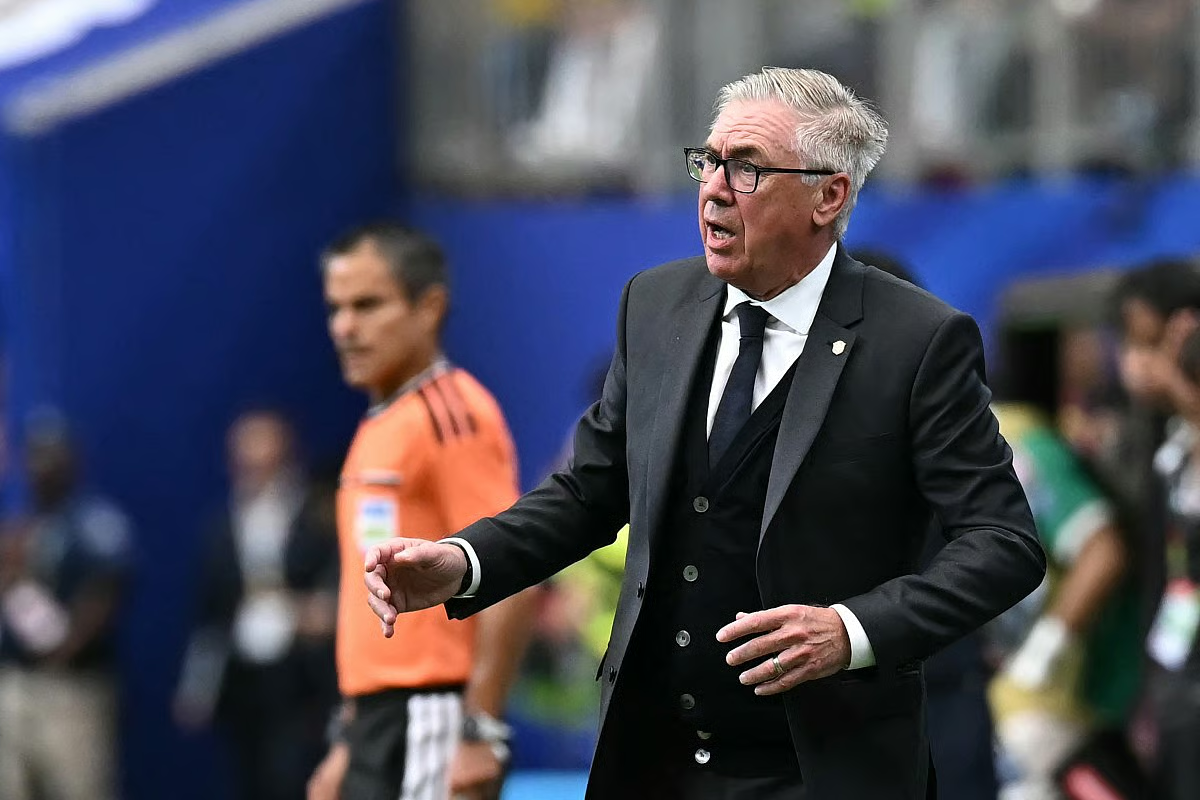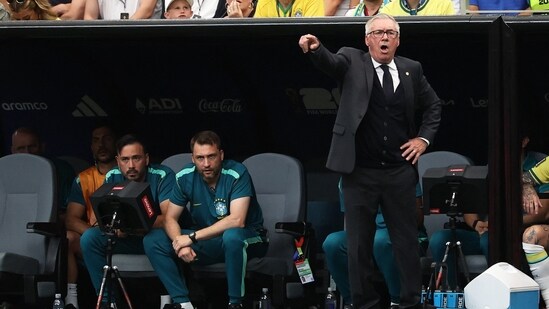
For a man who embodied calmness amid the tension in Houston, Carlo Ancelotti had seen enough.Brazil coach Carlo Ancelotti reacts (IMAGN IMAGES via Reuters)Brazil had been second best in every department during the opening half — slower to the press, slower to second balls and slower in possession. They monopolised the ball but created very little as Japan's disciplined 5-4-1 block suffocated every passing lane. Kaishu Sano's burst through midfield to score the opener, leaving 34-year-old Casemiro trailing in his wake, perfectly summed up Brazil's struggles.It was a toothless display from the five-time world champions, who looked a pale shadow of the footballing dynasty they are known to be. Japan stood just 45 minutes away from inflicting Brazil's earliest World Cup exit since 1966 and arguably their most humiliating knockout defeat since the infamous 7-1 loss to Germany on home soil in 2014.ALSO READ: Gabriel Martinelli saves Brazil from World Cup humiliation with last-gasp knockout winner against JapanBrazil did not simply need a change. They needed an entirely different game.How Ancelotti turned it aroundWhen Lucas Paqueta limped off injured at half-time, the obvious solution would have been a like-for-like replacement to preserve the midfield balance. Instead, Ancelotti rolled the dice.The Italian tactician introduced Endrick, effectively shifting Brazil into a far more aggressive 4-2-4 system. Against a side that had spent the opening 45 minutes overwhelming Brazil in midfield, it looked like a risky move. By the final whistle, it had become the defining tactical masterstroke of the match.Ironically, it wasn't Endrick's individual contribution that transformed Brazil. It was everything his introduction forced everyone else to do.Vinicius Junior and Rayan stopped drifting into central areas and held much wider positions, giving Brazil genuine width for the first time all evening. That subtle shift immediately stretched Japan's defensive block. The compact shape that had frustrated Brazil throughout the first half suddenly had to cover far more ground, opening crossing lanes and creating overloads on the flanks. For the first time, Brazil began to look like Brazil.The equaliser in the 56th minute perfectly illustrated the momentum swing. Gabriel Martinelli, operating in a space that simply did not exist before the interval, delivered a teasing cross from the left. Casemiro, who had looked a step behind throughout the first half, timed his run perfectly and powered home a header. The same player Japan had exposed before the break suddenly became the symbol of Brazil's resurgence.Perhaps the biggest beneficiary was Vinicius. Locked in a tactical battle with Ritsu Doan and Takehiro Tomiyasu during the opening half, the Brazilian winger barely threatened Japan's disciplined shape and repeatedly found himself dropping deep just to get involved. Once Brazil stretched the pitch, Vinicius finally found room to attack defenders one-on-one. He was electric. His dazzling run that nutmegged Tomiyasu, skipped past Sano and forced a brilliant save from Zion Suzuki encapsulated Brazil's transformation. Japan simply could not cope once those wide spaces opened up.Martinelli, who had already shown a knack for delivering in big moments during Arsenal's title-winning campaign last season, rose to the occasion again. As Brazil piled on the pressure deep into stoppage time, he found space between two Japanese defenders before curling a composed finish beyond Zion Suzuki to complete the comeback and send the Selecao into the Round of 16.In the end, Ancelotti's gamble succeeded because it addressed the root cause of Brazil's problems rather than merely reacting to the scoreline. Brazil were not trailing because of one defensive lapse. They were trailing because Japan had made the pitch feel impossibly small.By making it bigger again, Ancelotti changed everything.Brazil are through. Their manager earned every bit of it.
Carlo Ancelotti's gamble: How a half-time roll of the dice broke Japan's press
Carlo Ancelotti's gamble succeeded because it addressed the root cause of Brazil's problems rather than merely reacting to the scoreline. | Football News
604 words~3 min read