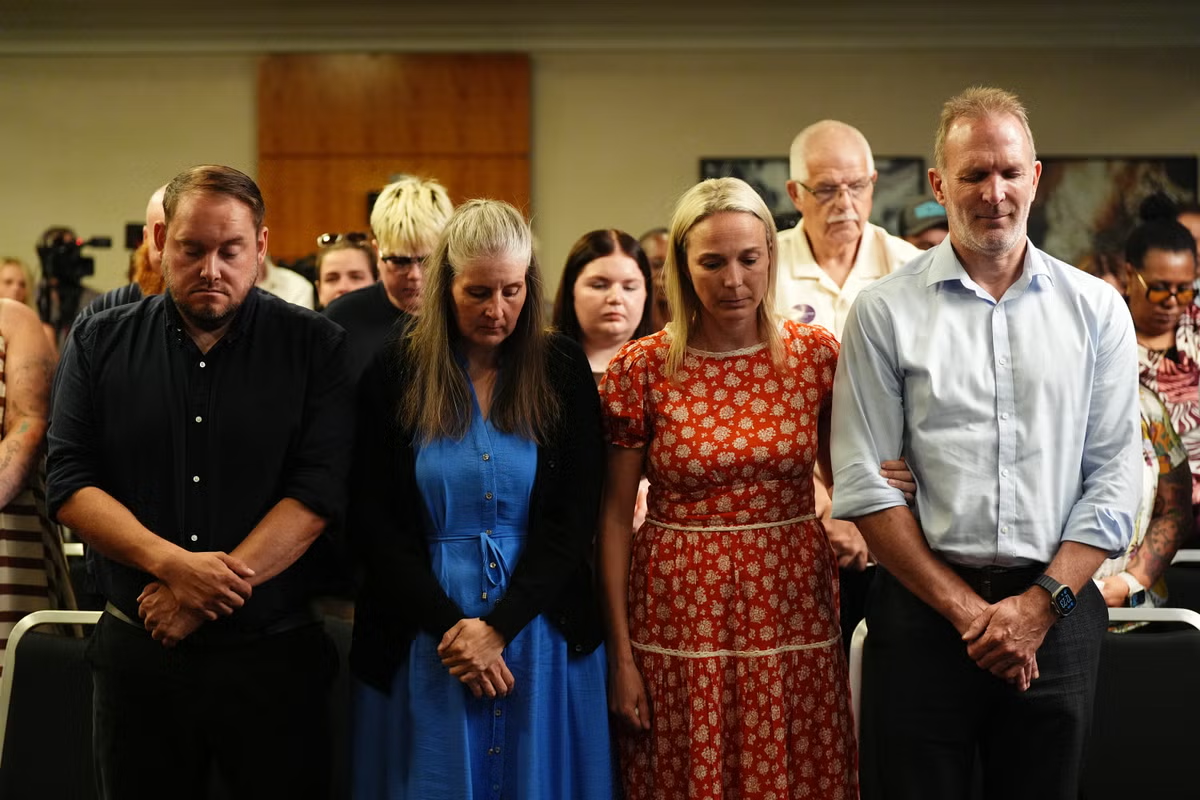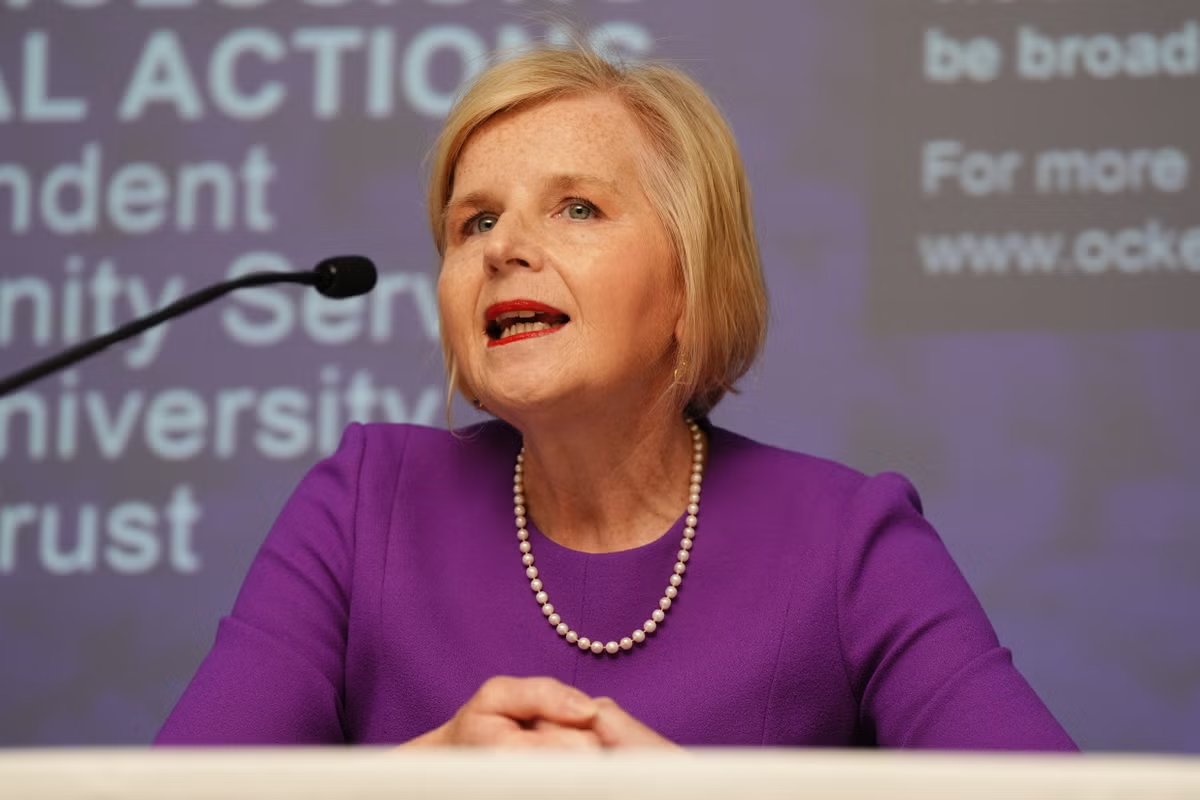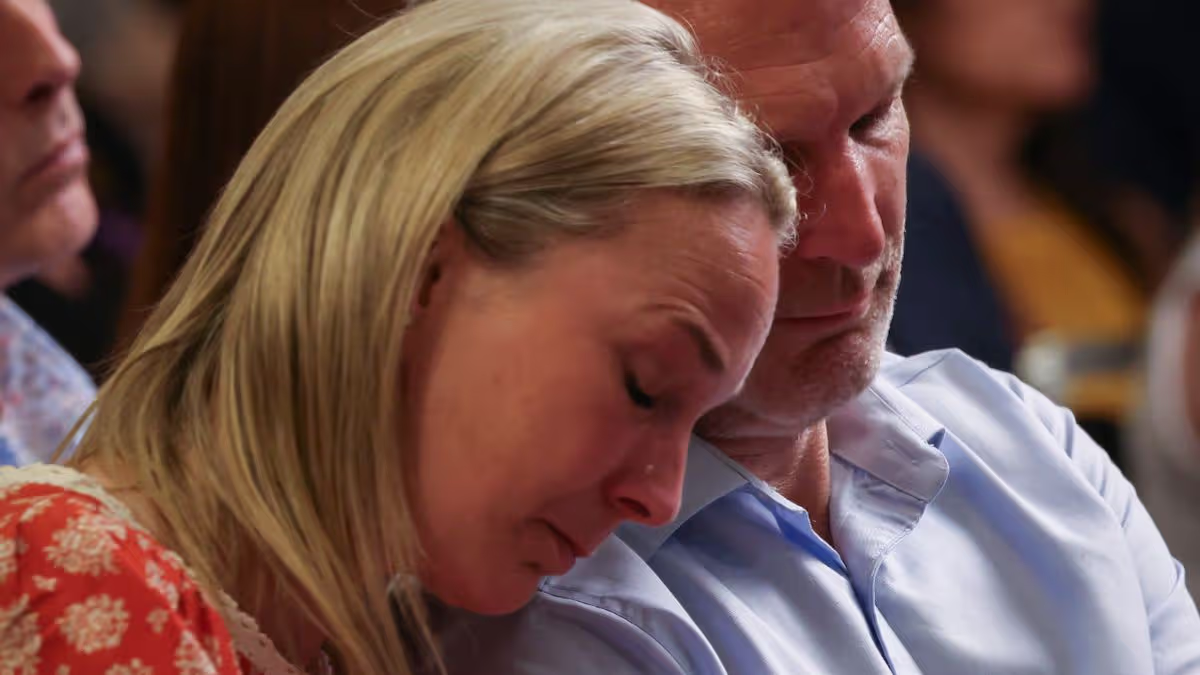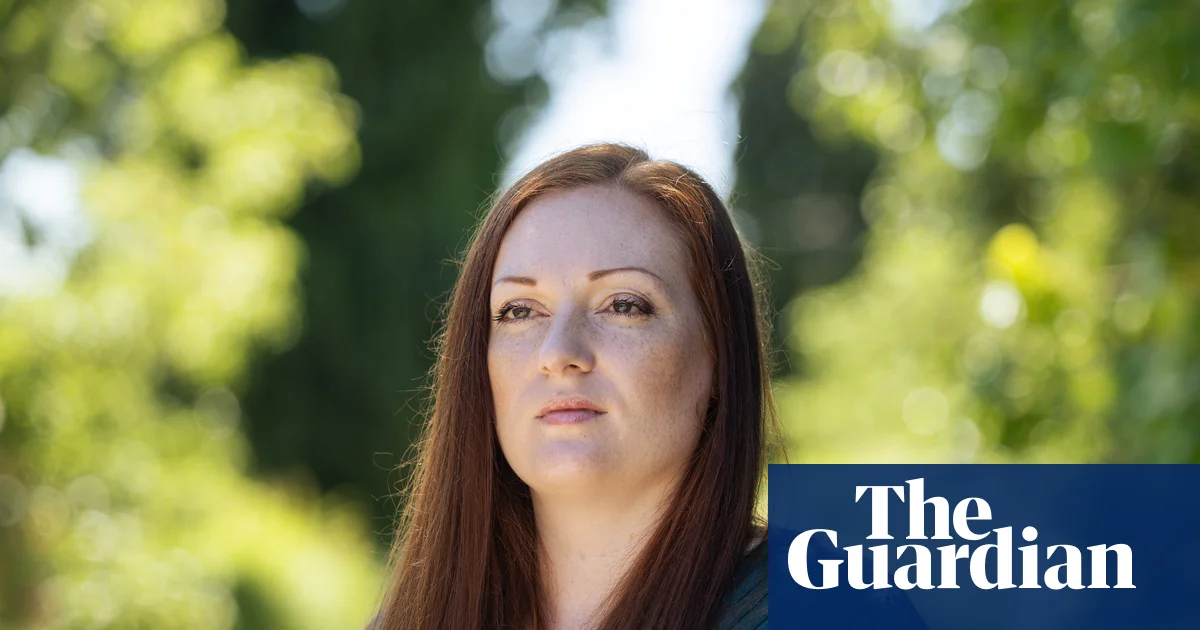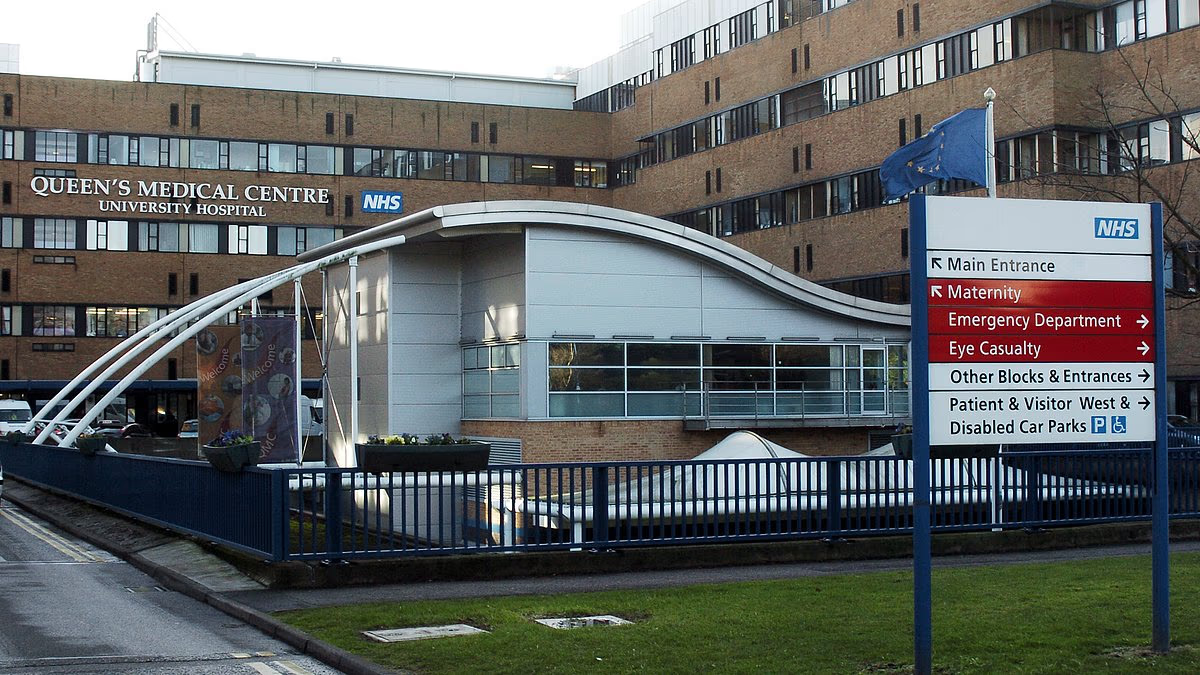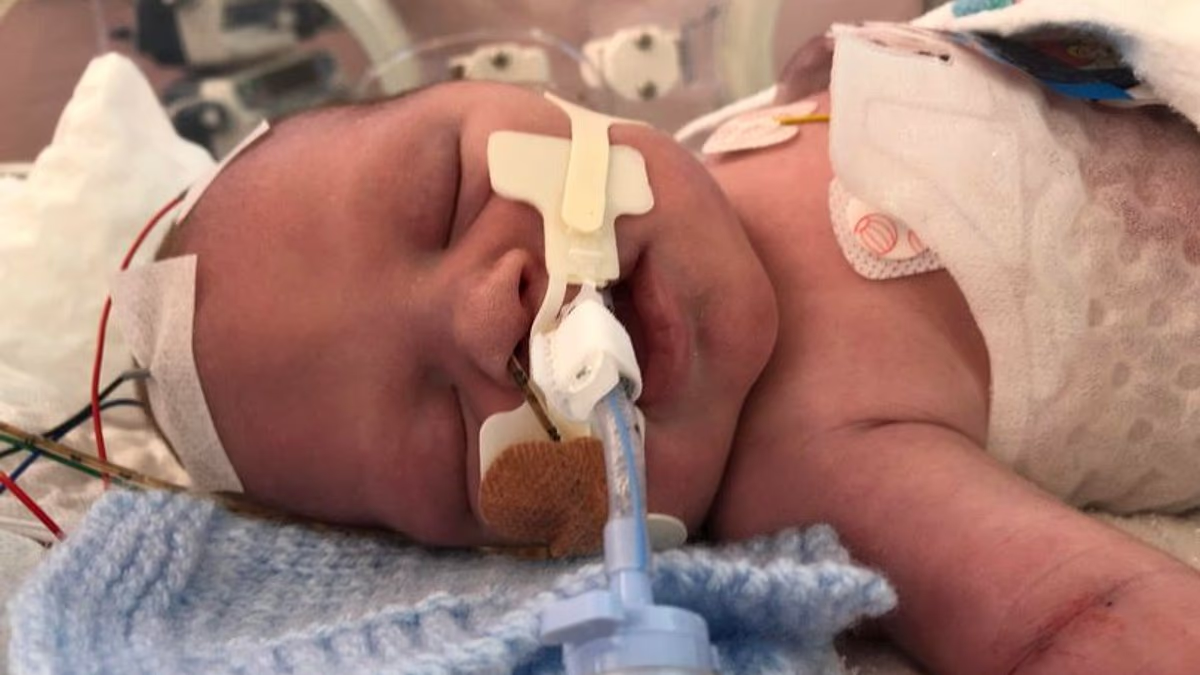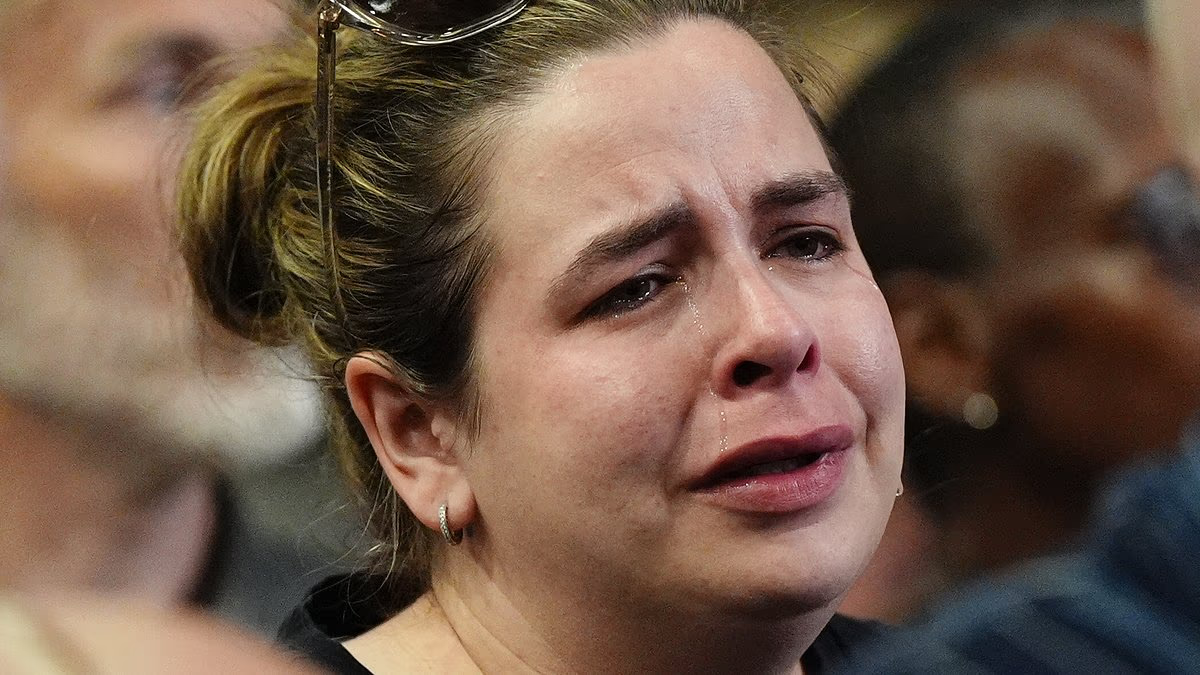
Women who placed their trust in the NHS to deliver their babies safely were failed time and again, a review into the biggest maternity scandal in history has found.The report into the care of mothers and babies at Nottingham University Hospitals NHS Trust lays bare in heartbreaking detail how women's pleas for help were ignored, while warnings were brushed under the carpet by bosses.Over ten years, 156 babies and six mothers died because of poor care. Hundreds more suffered serious, long-term injuries, including brain damage. The report by senior midwife Donna Ockenden, which drew from the experiences of 2,500 families, reveals a pattern of them 'not being listened to, not being believed and being dismissed or minimised'.It reveals how women have been left traumatised and suffering from PTSD. In shocking accounts they told how they begged for pain relief which was never administered while others gave birth alone.Women who raised concerns about their baby's movement or lack of growth were 'told they were anxious and imagining it' while those who attended in early or advanced labour were turned away.Women and their families begged for caesarean sections only to have them denied repeatedly.Ms Ockenden said even when there were significant concerns 'the quest for normal birth continued' with tragic consequences. Women who placed their trust in the NHS to deliver their babies safely were failed time and again, a review into the biggest maternity scandal in history has found (Left to right) Gary and Sarah Andrews, and Sarah and Jack Hawkins and the Nottingham families take part in a minute silence following the publication of an independent report into maternity care at Nottingham University Hospitals (NUH) NHS Trust Report exposes full appalling failings Failures in neonatal care that may have contributed to long-term brain injury.Unstable leadership contributed to the poor quality and safety of services.A ‘bullying and toxic culture’ at the trust , particularly among labour ward co-ordinators.A ‘culture of organisational denial’ and that poor outcomes ‘were regularly dismissed’.Delays to examining women in labour and a reluctance to escalate concerns.Inappropriate use of the drug oxytocin to induce labour.‘Poor telephone risk assessment’ of pregnant women ringing in and missing documentation.Delays in responding to postpartum haemorrhage, and major obstetric haemorrhage.Women felt unheard, often when expressing anxiety over reduced foetal movement.Inadequate support for women whose first language was not English.Inadequate assessment of deteriorating postnatal mothers.‘Invisible, unapproachable and unresponsive’ managers and a ‘theme of poor governance’.Staff routinely working ‘beyond safe capacity’ and other ‘operational pressures’. Donna Ockenden at the press conference for the publication of her independent report into maternity care at Nottingham University Hospitals Women also told how staff 'laughed about a miscarriage' while a midwife told the partner of another to put his hand over her mouth to stop her screaming.A woman said she was 'sneered at' for asking for pain relief. Buzzers went unanswered, with one pregnant woman forced to call the hospital switchboard for help.Others told how they were left without food and water for hours on dirty wards. Even after death, the shameful treatment continued: one baby was placed in a mortuary space already occupied by an unknown and unrelated deceased adult while an early gestation baby was disposed of as 'clinical waste'. A family whose baby died after poor care were sent graphic colour photographs of the child's post-mortem examination by mistake. In another case, the body of a mother who died in childbirth in July 2021 was incorrectly stored, causing it to deteriorate so much that her family could not view it to say goodbye. The report is the culmination of a ten-year campaign by Jack and Sarah Hawkins whose daughter Harriet died in 2016 following 'significant failings' in maternity care.Mrs Hawkins, a senior physiotherapist at NUH and her husband, a hospital consultant, had placed their trust in colleagues when expecting their first child. Mrs Hawkins was considered low-risk when she went into labour. As her labour stretched on for days, the couple made ten calls to the maternity unit and visited twice. But they were repeatedly told to stay at home and relax, despite raising concerns that Mrs Hawkins couldn't feel the baby moving. When she was eventually admitted on her sixth day of labour, midwives struggled to find Harriet's heartbeat and a scan revealed she had died. Mrs Hawkins was left struggling in labour and it was another nine hours before her baby was delivered stillborn.The trust initially told the couple their daughter had died due to an infection and that they should 'try to move on'. The report is the culmination of a ten-year campaign by Jack and Sarah Hawkins (pictured) whose daughter Harriet died in 2016 following 'significant failings' in maternity care The couple were repeatedly told to stay at home and relax during Ms Hawkins's labour that stretched on for days, despite raising concerns that she couldn't feel the baby moving - their daughter Harriet was delivered stillbornBut Dr Hawkins, an infections expert, was sure there was no sign of this and challenged an internal investigation which had cleared NUH of wrongdoing. An external inquiry eventually found 13 failings in the care provided and said Harriet's death was 'almost certainly preventable'.The couple later learnt that staff had recorded a call Dr Hawkins made to the Trust in 2017 and played it at a meeting in which they allegedly 'mocked' him.'I'm heartbroken that my first daughter Harriet is not here,' said Dr Hawkins. 'She should be alive and yet, ten years later, so many of our questions have not been answered and not one single person has been held accountable.'Also at the Press conference following the report's publication yesterday were Sarah and Gary Andrews. NUH was fined £800,000 in 2023 after admitting failings in their daughter Wynter's care in a prosecution brought by the Care Quality Commission. Wynter died just 23 minutes after being born.Emily Stringer's daughter Caitlin was in intensive care yesterday as she spoke to the Press about her appalling care at NUH. She and husband Darryl have been told Caitlin, four, will not survive beyond childhood after she suffered a serious brain injury at birth.Although born prematurely in December 2021, scans showed Caitlin was healthy and developing well. She was admitted to neonatal care for support. Martha's Rule will apply to all baby units Martha Mills died after developing sepsis while under the care of King's College Hospital NHS Foundation Trust but the 13-year-old would most likely have survived if doctors had identified the warning signs and transferred her to intensive care earlierA patient's right to a second opinion is to be rolled out to all maternity units in England following the Nottingham scandal.The Martha’s Rule scheme gives families formalised, 24/7 access to a rapid review of their care.It was created after 13-year-old Martha Mills died from sepsis in 2021. A coroner ruled she would have survived if medics at King’s College Hospital NHS Foundation Trust in London had transferred her to intensive care earlier.The Department of Health and Social Care yesterday said that Martha’s Rule will now be extended to all maternity settings in England so that parents can request a second opinion if a baby or mother’s condition is deteriorating and they are concerned staff are not responding.The scheme, which has been rolled out for inpatients in every acute hospital in England and was piloted in 15 maternity and neonatal settings, will be extended to maternity units across the country. Health Secretary James Murray said he met with families in Nottingham last week and heard about the ‘devastating loss’ they suffered ‘often caused by horrendous care they received on the NHS’.He added: ‘Donna Ockenden’s review lays bare a culture where too many voices went unheard, too many opportunities to prevent harm were missed and too many lives were lost. That’s why we have to take action, and quickly.‘No family should ever have to battle the system that is meant to care and protect them, that is why Martha’s Rule is so fundamental.’ But when she started showing signs of a serious infection at 30 days old, staff at the trust dismissed Ms Stringer's concerns. As a midwife – working for the trust at the time – Ms Stringer knew Caitlin's symptoms were red flag signs for a dangerous bowel infection. But instead of taking her seriously, staff suggested she needed help with her mental health.'They told me to "stop thinking like a midwife, think like a mum".Ms Stringer, who was 31 when her daughter was born, added: 'I just couldn't understand why they couldn't – or wouldn't – see what I was seeing: a rapidly deteriorating baby. At one point I was literally shouting "Look at her, she's dying!" but they weren't helping her. It felt like I was living in a parallel reality.'Even when an X-ray confirmed Caitlin did have an infection, she was not given urgently-needed antibiotics for nearly 18 hours. By that time, she had collapsed and was on a ventilator. She needed surgery the next day to remove half her bowel which had been destroyed by the infection. 'The pain in her eyes broke me,' said Ms Stringer.A brain scan two weeks later revealed Caitlin had suffered 'extensive' and 'devastating' brain damage. She cannot support her own head, swallow or talk. She is partially sighted and suffers with painful limb stiffness. Her airway is very fragile which means she can suddenly stop breathing. Ms Stringer, now 36, said: 'It is so hard to live with the uncertainty of not knowing how much longer we have left with our girl.'She wants NUH to acknowledge that they have failed families. 'I don't want an empty apology, I want them to accept what they have done wrong and make improvements to make sure no one else has to go through this.'When Emmie Studencki, now 37, started losing blood late in her second pregnancy in July 2021, she went into hospital three times – but was sent home and told not to worry. During a fourth bleed, she lost more than two pints of blood and was taken into hospital in Nottingham by ambulance from her home in Barrowby, Lincolnshire.But her ambulance notes were lost by maternity staff, who denied a request from Ms Studencki and her partner Ryan Parker, now 39, for a caesarean section. She said: 'They just said: 'You've given birth before, you can do it again'.'No one told them she was suspected to have placental abruption – a complication in which the placenta separates from the uterus wall too early, restricting oxygen supply to the baby. A monitor showed their boy Quinn's heart kept fluctuating – a sign of distress – and she suddenly developed 'the worst physical pain I've ever felt' and started screaming.But, although a doctor pressed the emergency button and the couple believed an emergency C-section would take place, a midwife insisted it was not necessary and told Ms Studencki to go for a walk. When a doctor finally decided to break her waters, it triggered a massive haemorrhage. 'The next thing I knew I was coming around from surgery,' she said.Quinn was born via emergency caesarean while Ms Studencki lost seven pints of blood. She and her husband were first told everything was fine before being told Quinn was very poorly. Staff kept them apart for more than ten hours, telling the couple it was 'not a good time', before finally acknowledging that he would not survive.'They robbed our time with him from us,' said Ms Studencki. 'We will never forgive them for that.' Quinn passed away in their arms when he was two days old.NUH was fined £1.6million last year after admitting criminal charges of causing avoidable harm to Quinn and exposing his mother to significant risk of avoidable harm, as well as failing to provide safe care in two other cases.Ms Studencki and Mr Parker said NUH has failed to be transparent over what happened. 'The way the trust has acted has made our grief 100 per cent worse,' she added. 'We won't accept an apology from NUH: we want a confession.'
A miscarriage staff laughed at and a baby thrown in clinical waste
The report into the care of mothers and babies at Nottingham Universities Hospital NHS Trust lays bare in heartbreaking detail how women's pleas for help were ignored.
2,003 words~9 min read