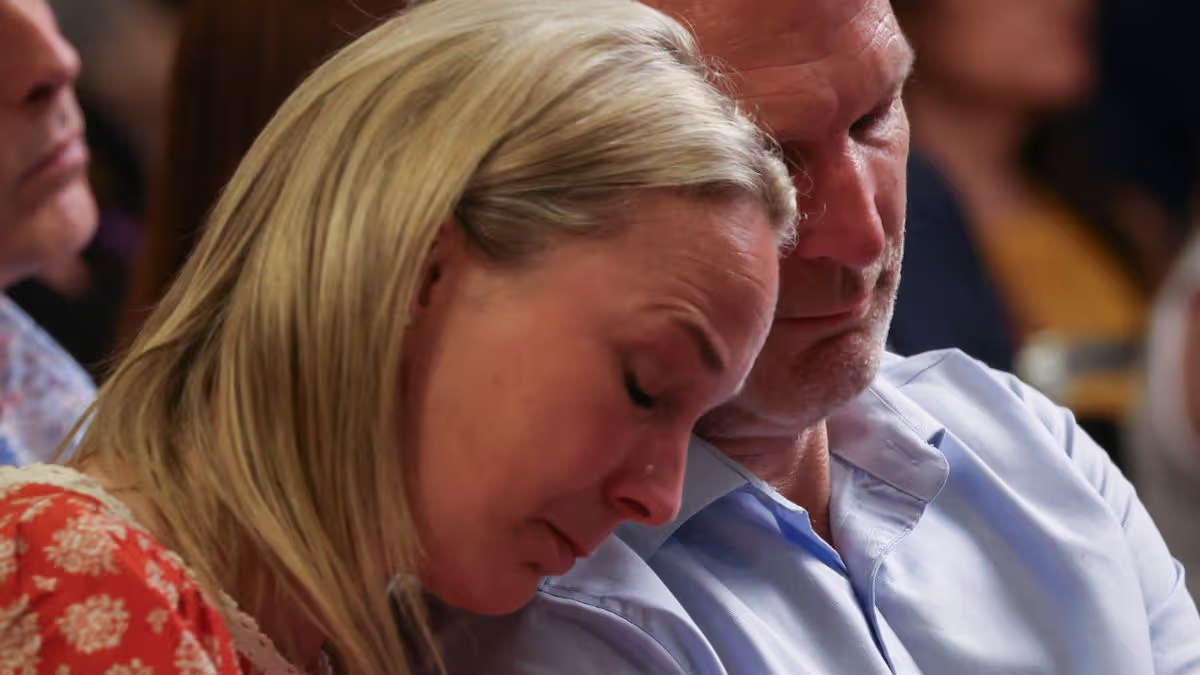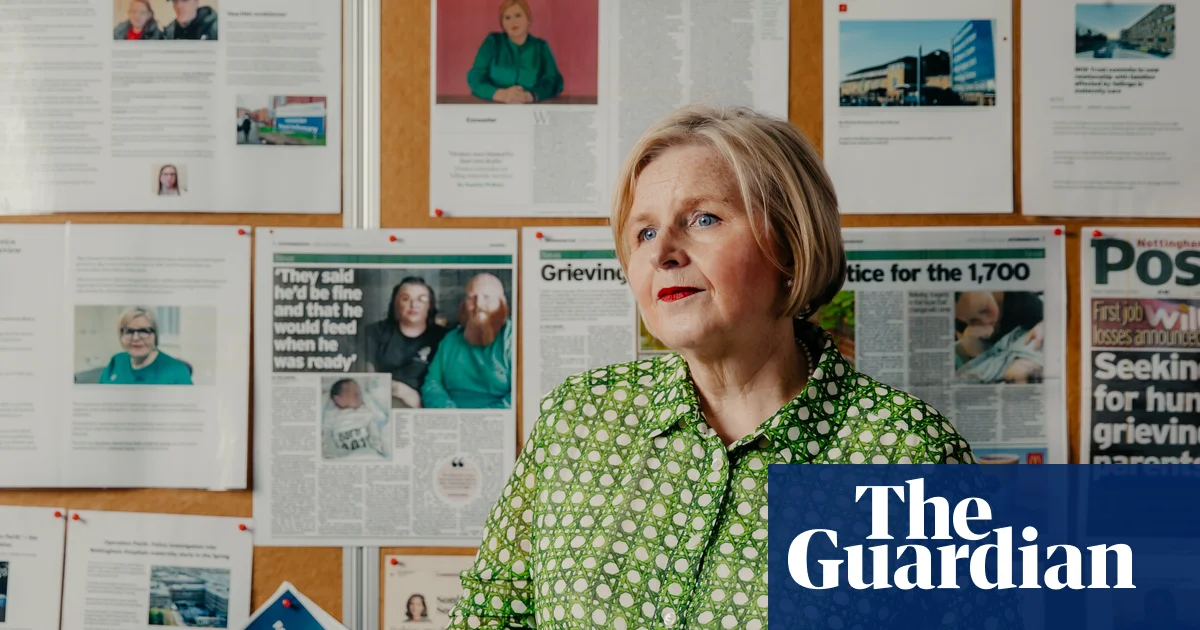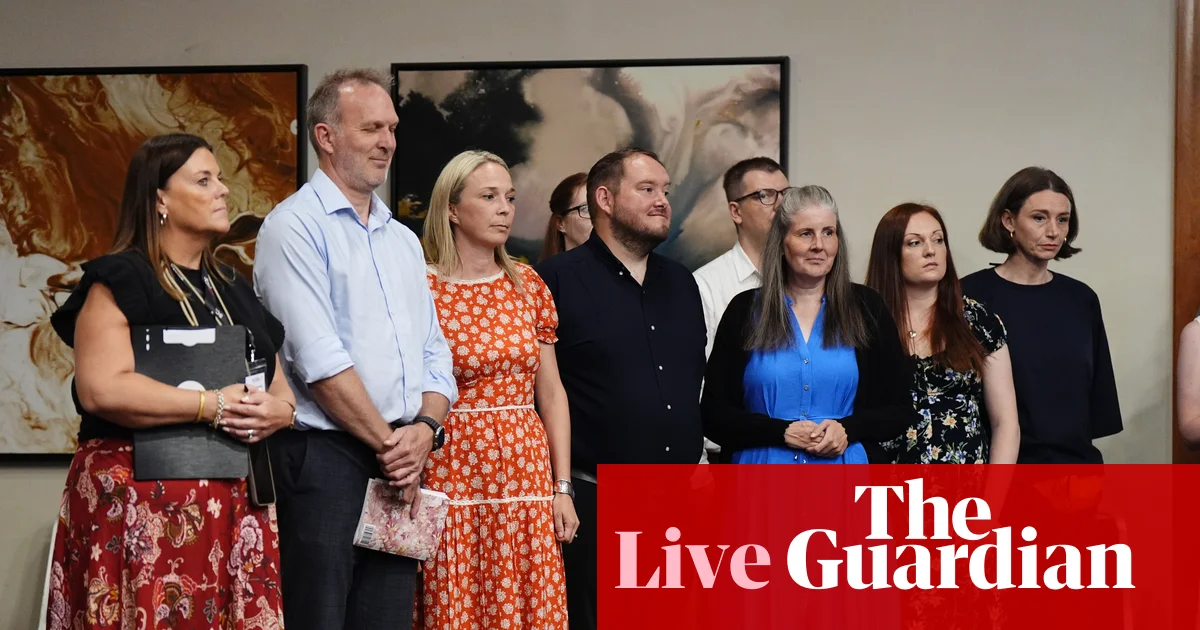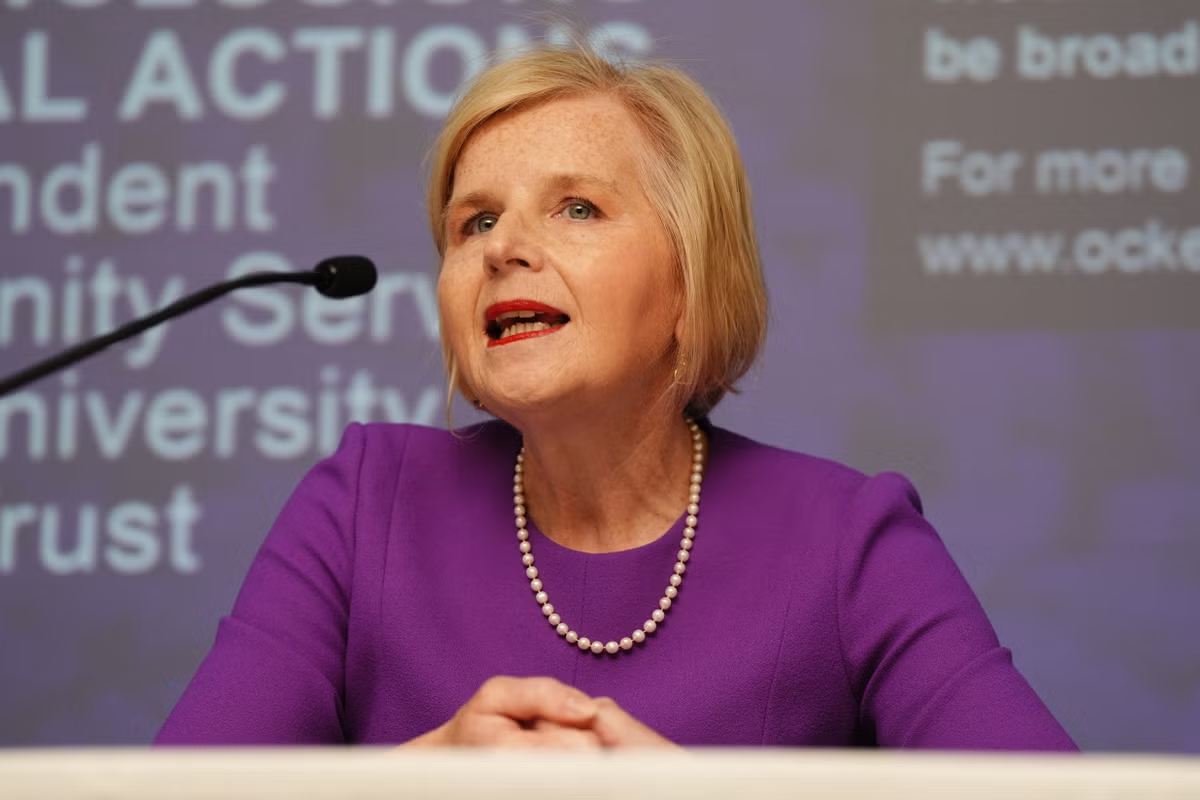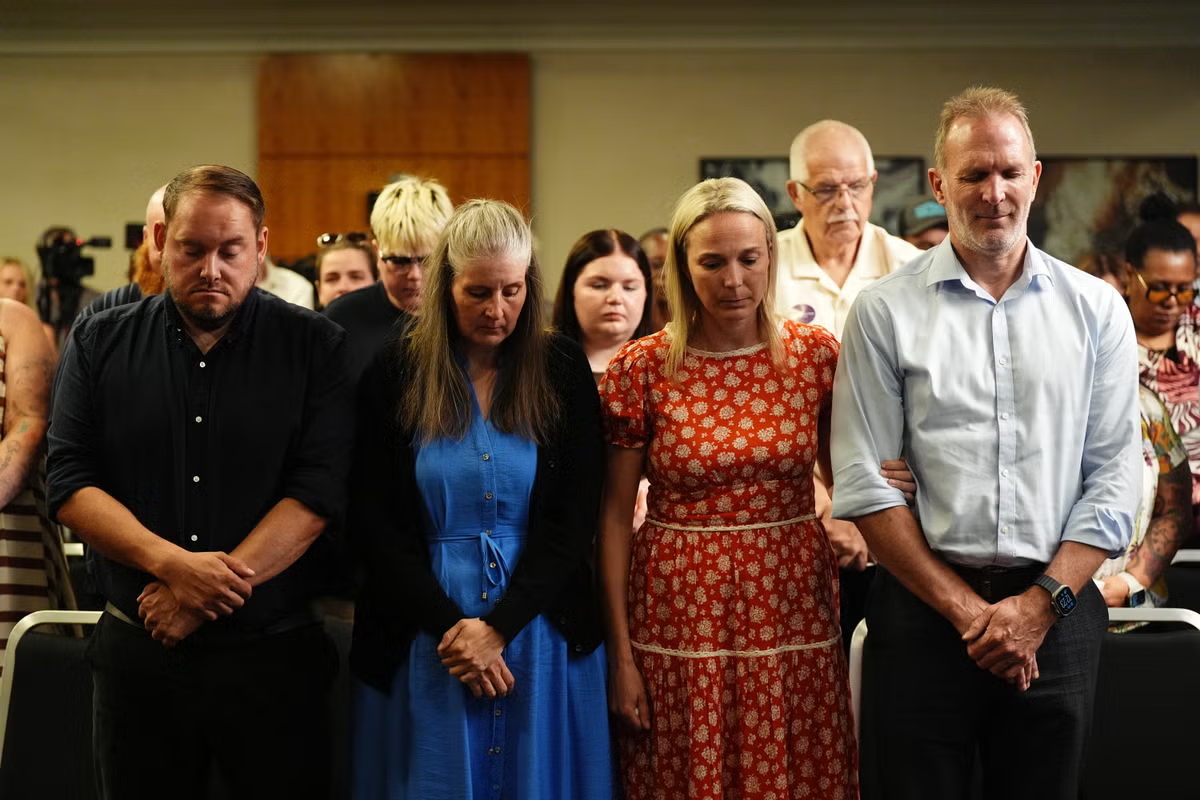
The report into the Nottingham maternity inquiry, published on Wednesday, makes for harrowing reading.The review reveals 520 cases of babies and mothers who died or suffered catastrophic harm as a result of care failings at maternity units under the Nottingham University Hospitals NHS Trust. Failures were “hauntingly consistent” for more than a decade, Donna Ockenden, the senior midwife who led the inquiry said, with “concerns suppressed, incidents downgraded, and the voices of women, particularly the most vulnerable, systematically dismissed”. Women and staff were bullied and gaslit, with some told they were imagining their pain. The damning assessment continues throughout 400 pages of heartbreaking detail. But, at the core of the report, is the message that the NHS has one again failed to take proper care of women. The Nottingham inquiry is the fifth major review into maternity failings in the UK since the 2015 report into Morecambe Bay Hospitals. Next week, another government-commissioned rapid national review into maternity services at 14 NHS trusts is due to be published amid concerns about the overall treatment of women and babies in these settings.And another two inquiries, also led by Ms Ockenden, will take place into suspected maternal failings at Leeds Teaching Hospitals NHS Trust and University Hospitals Sussex NHS Trust. The Nottingham scandal is, quite clearly, not an isolated case - merely a scathing indictment of the poor maternity care given to thousands of women across the country.Donna Ockenden also chaired the Shrewsbury maternity inquiry and is now set to chair two more, one in Leeds and another in Sussex (PA)Ms Ockenden pulled no punches when delivering the report. In her speech on Wednesday, she said the recommendations made in her 2022 Shrewsbury maternity inquiry have been largely unimplemented. In essence, lessons have not been learned. In January this year, an expert report warned that the overall rate of maternal death in the UK was 20 per cent higher, and at a 20-year high, compared to 2009-11, when the government promised to halve the number. It has long been known that women of black and minority ethnic backgrounds, and those living in the most deprived conditions, have the highest death rates. The common thread running through all of these reports is the institutional failure by the NHS to listen to women or prioritise their safety and, as a result, the safety of their babies. As the report said. “Listening to women is not simply an important principle of maternity care; it is its foundation.”It went on: “When women’s voices are heard, valued, and acted upon, services are better able to provide personalised, respectful, safe, high-quality care across the entire maternity journey.”Reviewers found that a recurrent pattern was women describing that their instincts or concerns were minimised or reframed as anxiety, and that women reported feeling told off, blamed or judged when raising concerns.Dr Sarah and Dr Jack Hawkins whose baby Harriet died in 2016 due to a mirad of failures by NUH (PA)The case of Dr Jack and Dr Sarah Hawkins for example, who were spotlighted in the Nottingham report, revealed how baby Harriet Hawkins died just before her birth on 16 April 2016. Sarah’s symptoms and concerns were not acted upon, with Sarah being repeatedly told that she was “not in labour”.The Hawkins’ were initially misled as to the cause of Harriet’s death and then were forced to spend years fighting for answers.After three internal investigations, a fourth external review published in December 2017 confirmed that Harriet’s death was avoidable and was due to the poor care her mother received in the very latter stages of her pregnancy.Tragically, these stories are not confined to Nottingham or Shrewsbury but are seen across the country. Former health secretary Wes Streeting previously told The Independent that medical misogyny is rife in the NHS – and is an issue that is bigger than maternity services. Concluding her speech on Wednesday, Ms Ockenden said that “safe maternity care is not complicated in its ambition.”“Women and their families come to maternity services with modest expectations – competence, honesty, timeliness, safety, dignity and kindness.” she said. “These are not high bars.”Indeed, treating patients with dignity and competence should be the foundation of the NHS. But without addressing the simple issue that women’s voices are being ignored, can the NHS’s maternity care problem truly ever be resolved?
Nottingham maternity inquiry exposes simple truth – the NHS is failing women
The scandal is a scathing indictment of the poor maternity care given to thousands of women across the country. When will it change, asks Rebecca Thomas
718 words~3 min read