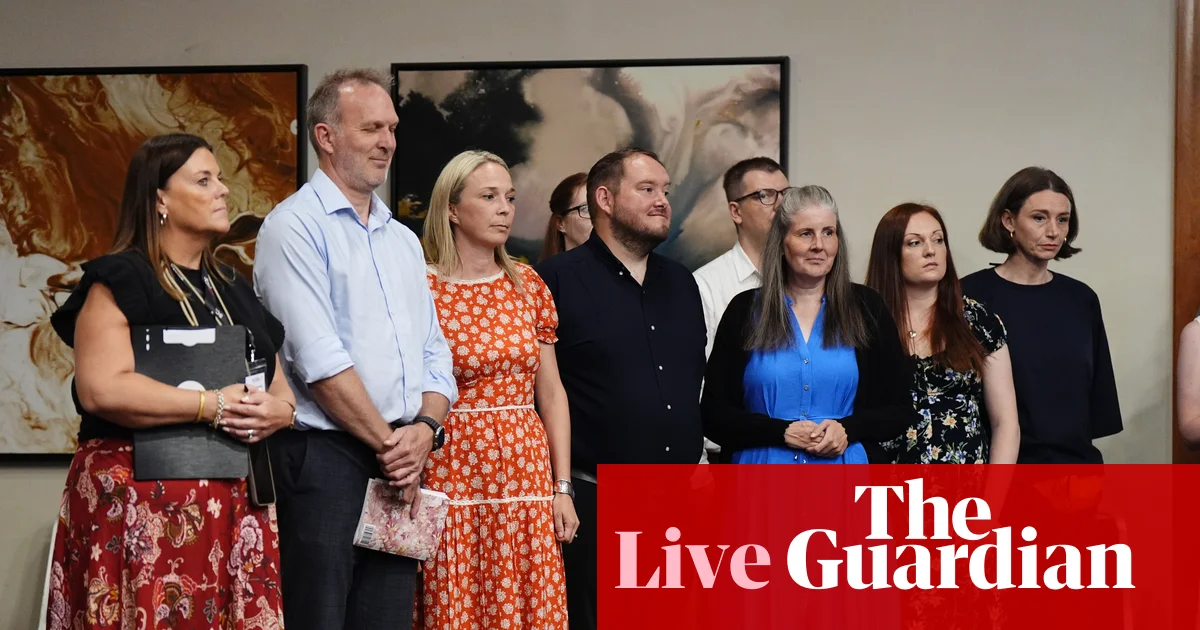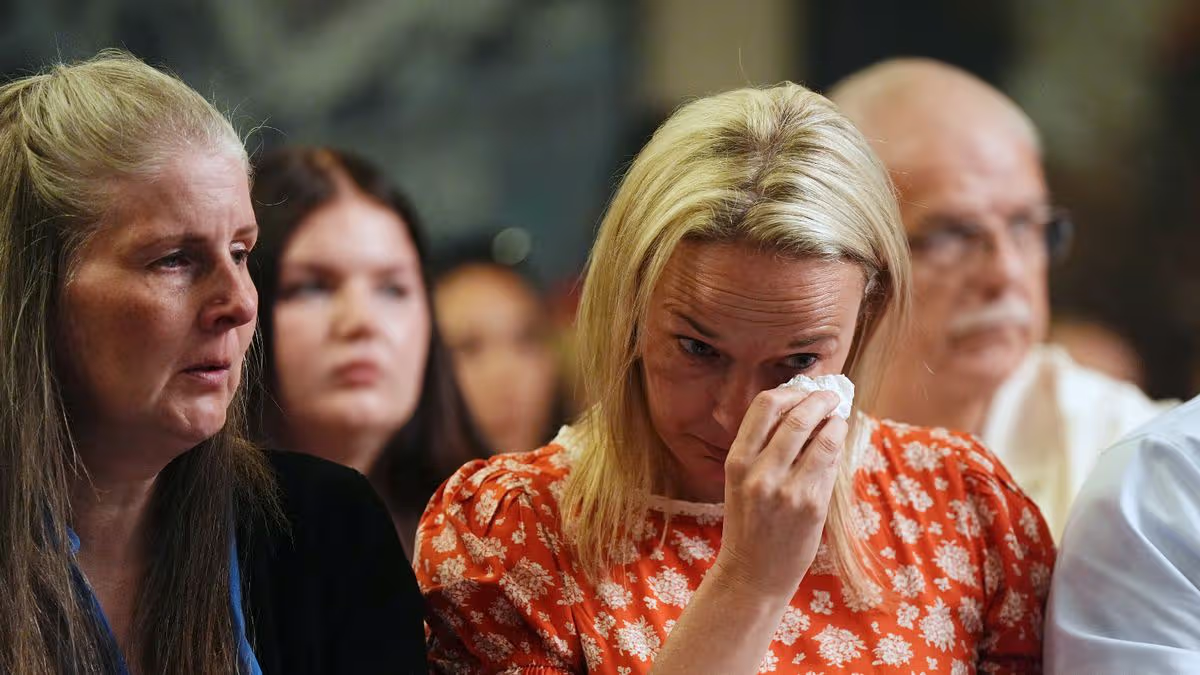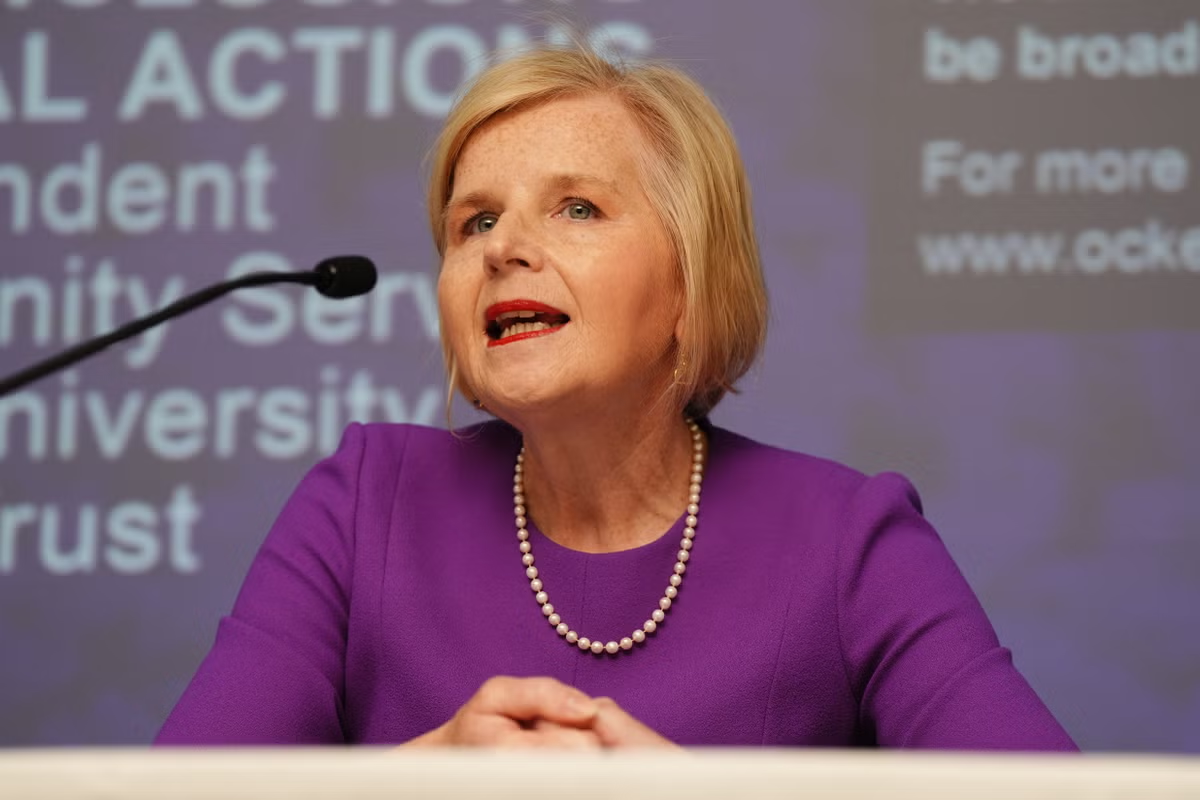
More than 500 mothers and babies came to harm or died as a result of inadequate care in Nottingham, an inquiry into the NHS’s biggest ever maternity scandal has revealed.A total of 444 women and 76 newborn babies suffered “potentially avoidable” outcomes because they received substandard treatment over 13 years from Nottingham University hospitals NHS trust (NUH), a damning report led by the childbirth expert Donna Ockenden has found.The 401-page document paints a stark and forensic picture of maternity care at its two hospitals – Queen’s medical centre and Nottingham city hospital – where “multiple” women experienced dangerously poor and sometimes “cruel” care, understaffing was routine, lessons from patient safety incidents were not learned and bullying by “intimidating cliques” of staff was rife.Ockenden and her team of maternity experts who undertook the three-year inquiry investigated the deaths of 27 mothers between 2006 and 2024 and “identified failures in care that may have or substantially impacted on the outcome in six deaths”.Staff not listening to women or acting promptly on concerns they raised was one of the “common failures” involved in maternal deaths, they found, as well as delays in women having scans.The review was ordered in 2023 after families warned that maternity care at NUH care was unsafe. It also examined cases in which babies died as a result of being starved of oxygen during birth or picking up a hospital-acquired infection, or because midwives and doctors did not manage the mother’s labour properly or provided poor postnatal care.The document paints a stark picture of maternity care at Queen’s medical centre (pictured) and Nottingham city hospital. Photograph: Chris Whiteman/AlamyThirty-one of the detailed examinations of the deaths of newborn babies found that they had received inadequate care and that, if they had been handled differently, they would probably have avoided coming to harm.The report lays bare a host of recurring failings in clinical care that put mothers and babies at risk and in some cases had catastrophic consequences. They included repeated failures to monitor babies properly during labour, misinterpretation of CTG trace-reading of the baby’s health while still in utero, not recognising when babies were in distress, and midwives not escalating worrying cases urgently to doctors to make rapid decisions on the care and treatment needed.“In a number of cases these failures contributed to severe neonatal injury, stillbirth and neonatal death,” Ockenden’s report says.About 2,500 families and 850 current or former NUH staff gave evidence to the review team, which examined events from 2012 to 2025. It also found that:
More than 500 mothers and babies died or were harmed at ‘toxic’ Nottingham NHS trust, report finds
Donna Ockenden inquiry finds ‘bullying’ culture and ‘cruel’, dismissive attitude to women contributed to avoidable deaths
976 words~4 min read