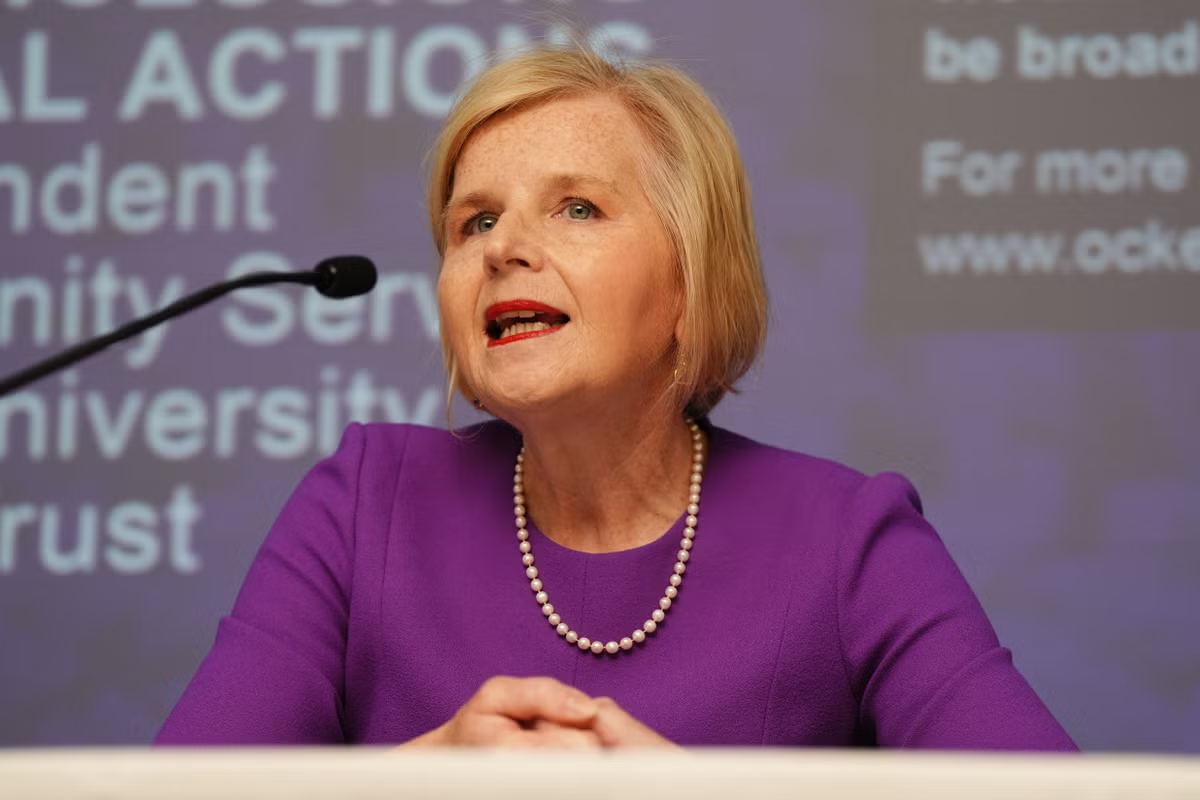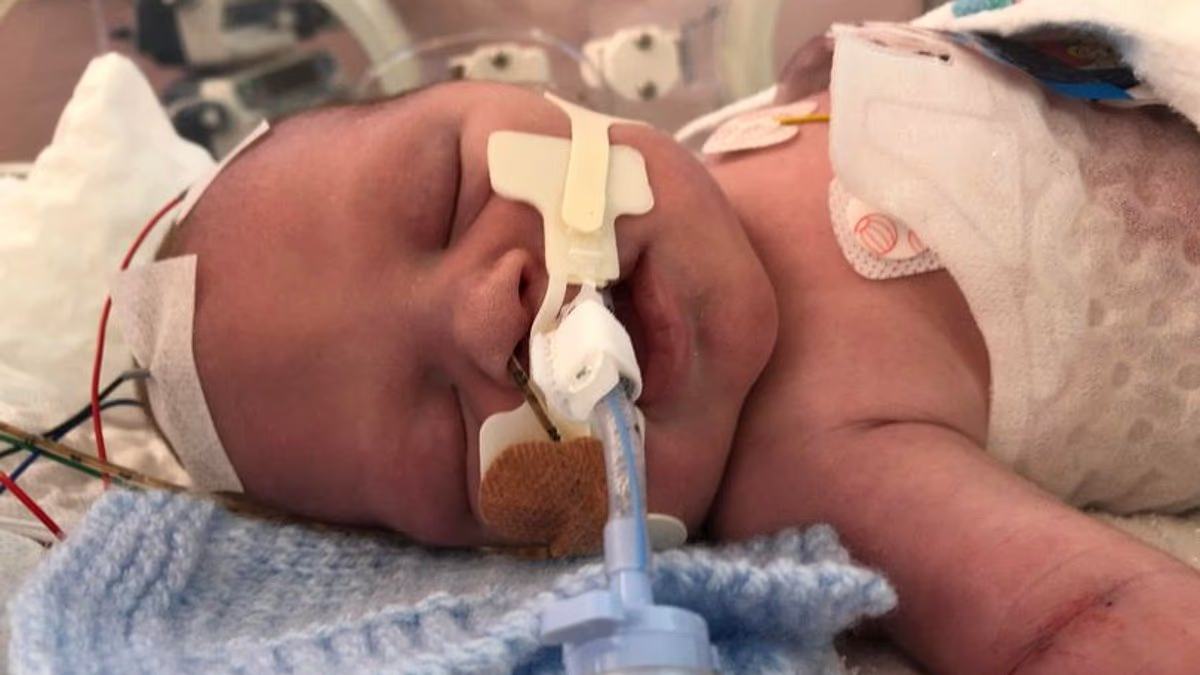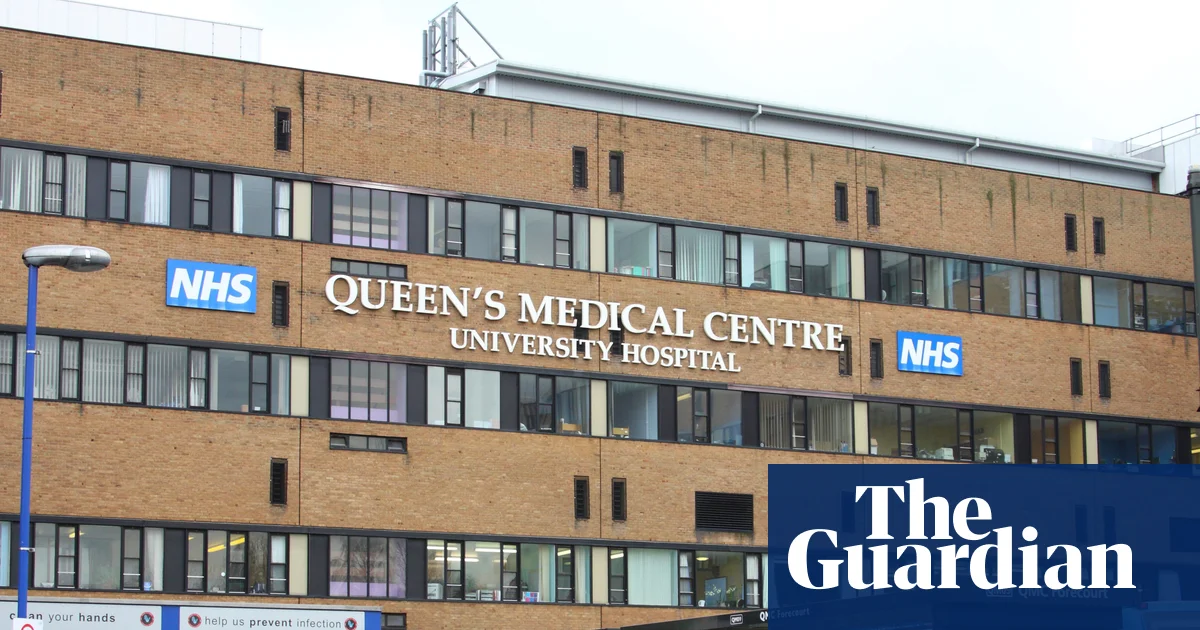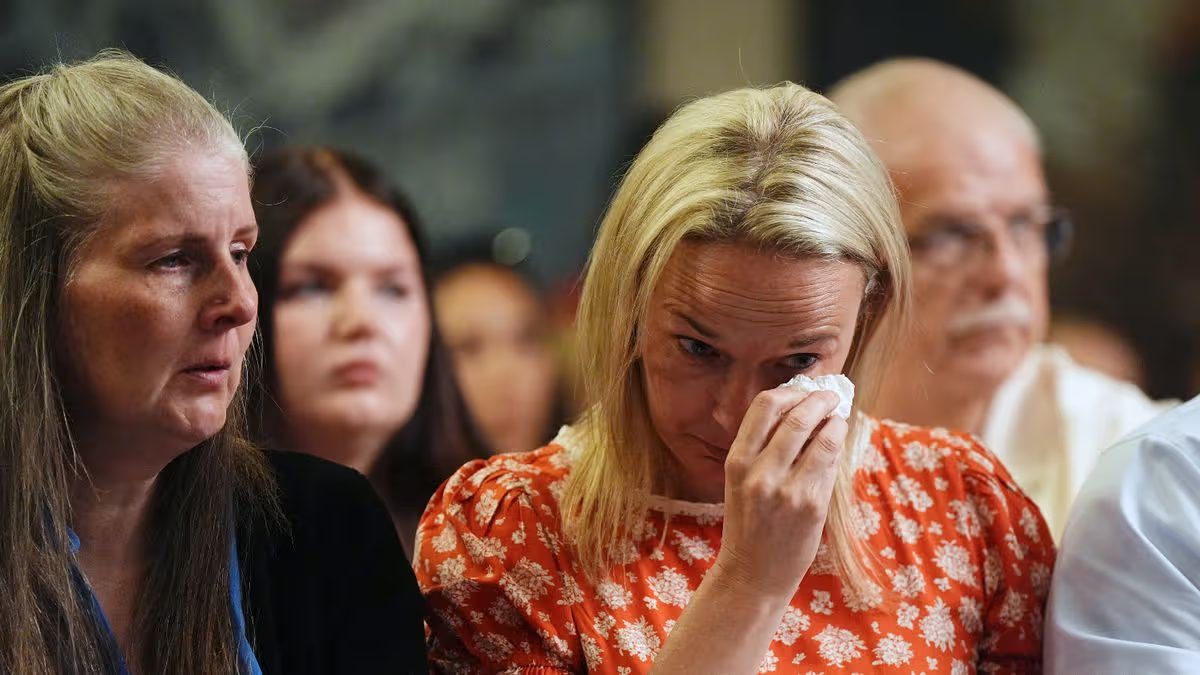
The landmark probe into Nottingham University Hospitals NHS Trust (NUH) by top midwife Donna Ockenden finds more than 150 babies were still born or died shortly after birth20:25, 24 Jun 2026Hundreds of mothers and babies suffered potentially avoidable harm or died, according to the biggest ever NHS maternity review.The landmark probe into Nottingham University Hospitals NHS Trust (NUH) found babies died from oxygen starvation, mismanaged labour, hospital-acquired infections and poor postnatal care.The review by top midwife Donna Ockenden discovered 520 mothers and babies suffered potentially avoidable harm or death due to poor care. This included 94 babies who were stillborn, 62 babies who died shortly after birth and 105 babies suffered brain damage.Six pregnant women also died due to failures that "may have or substantially impacted on the outcome”.Short-staffed maternity units at Nottingham City Hospital and Queen's Medical Centre routinely discouraged pregnant women from attending during labour - despite concerns including lack of foetal movement - in some cases until it was too late.Physiotherapist Sarah Hawkins and her hospital consultant husband Jack both worked at NUH at the time they lost their first child Harriet there in 2016. Despite Sarah’s pleas, midwives refused to admit her until her sixth day of labour when scans showed Harriet had died.The trust then initially claimed Harriet died because of an infection. Sarah said: “They killed my daughter, they covered up, they ruined our careers and they ruined our lives.“The regulators need to be looked into. They have clearly failed throughout Nottingham, but also throughout the country. We’re not an isolated maternity scandal here, it’s right through England, and the repeated failures by the regulators needs to be addressed.”The report concludes that many of the systems of oversight established for maternity care in England "are no longer fit for purpose". It identified failures by organisations including the Nursing and Midwifery Council, the Human Tissue Authority and the Care Quality Commission (CQC) regulator.Dr Hawkins added: "It shouldn't have taken us as harmed and bereaved families to campaign for a decade to be able to get some answers.”Ms Ockenden's team found leaders oversaw a “culture of organisational denial” and knew there were serious issues going back in some cases before 2010, but failed to take action to prevent more deaths.Her report states maternal deaths are at a 20-year high and Ms Ockenden said she hoped her conclusions would "drive real and lasting change to maternity services in England".She said: “The review team and I would like to express our deepest gratitude to the thousands of families, staff and community representatives who placed their trust in us and contributed to this review. Many shared the most painful chapters of their lives, speaking with extraordinary courage about experiences of trauma and grief.“They did so not only in pursuit of answers for themselves, but in the hope that no other family would have to endure what they have experienced.”The review has taken three years and identified deep-rooted problems during the period of 2012 to 2025. This included failures in the monitoring of babies, a failure to recognise babies were in distress during labour and a failure to escalate cases to senior doctors.Mothers were sent home with seriously ill babies as signs of poor feeding, hypoglycaemia, and infection were missed “leading to avoidable harm and, in some instances, death”.In one signature case the report revealed parents were wrongly advised to terminate a healthy pregnancy due to a testing error.Some 30 cases of potentially avoidable harm related to "massive obstetric haemorrhage", and 12 reviews into babies were found to have significant or major concerns relating to brain damage due to a lack of oxygen.Managers were involved in a culture of bullying, ignored staff concerns and in some cases were rude and aggressive.The review also examined 17 babies and one adult who died and what happened to them after death. It found "recurring examples of failure to protect the dignity of the deceased, including an early gestation baby disposed as clinical waste." A baby was also placed in a mortuary space which was already occupied by an "unknown and unrelated adult" while another baby's body was kept in a domestic fridge in a bereavement room.On Monday, Nottinghamshire Police said two men had been arrested "in connection with operating practices in the mortuary service" provided by the trust.Nick Carver, NUH trust chairman and Anthony May, chief executive, who both joined in 2022, apologised in an open letter and said while improvements have been made, there is more to do. They said: "We apologise unreservedly to the women and families who have suffered harm, loss, trauma or distress while receiving care in our services."As the report was published on Wednesday the government announced the rollout of ‘Martha's Rule’ to all maternity units in England. Martha's Rule gives families formalised, 24/7 access to a second opinion and is being advertised throughout hospitals.The scheme was created after 13-year-old Martha Mills developed sepsis in 2021 and her parents' pleas to have her treated for the infection went ignored.In a statement to the House of Commons, Health Secretary James Murray the failures exposed showed there was a "level of disrespect and lack of humanity that, I'll be honest, left me aghast".He said: "To all of those who have suffered so appallingly, I say today on behalf of the NHS, I am sorry. I am sorry, not just for the failures or the heartless and undignified treatment, but also because your cries of concern went unheard for too long."And so the Government will act. We will act by taking immediate steps, including to expand Martha's Rule to all maternity in neonatal settings, so that parents can demand a second opinion if they feel their concerns are being ignored."A national review of maternity services led by Baroness Valerie Amos is due to report next week. But families are demanding a full statutory public inquiry with the power to force people and organisations to give evidence.A previous local inquiry also by Donna Ockenden into Shrewsbury and Telford Hospital Trust uncovered 201 baby deaths, 94 brain injuries and nine maternal deaths over two decades due to avoidable mistakes. Another inquiry into maternity services in East Kent between 2009 and 2020 then concluded that “dozens” of babies died due to poor care.Lead campaigning parent Dr Hawkins told a press conference he is "troubled" by Baroness Amos's inquiry, adding: "We're worried about the superficial nature of it. The point of a public inquiry is to find out what happened and we can't find out what happened by interviewing 12 chief executives of very troubled hospitals.Article continues below"We have very little confidence in Baroness Amos. It's not independent. It's commissioned by the same people who allowed Nottingham to happen."
Nottingham NHS maternity review finds 500 babies and mums suffered harm or died
The landmark probe into Nottingham University Hospitals NHS Trust (NUH) by top midwife Donna Ockenden finds more than 150 babies were still born or died shortly after birth
1,114 words~5 min read