Every twist in the winding road of our politics brings a latest thing to say. These wisdoms usually survive a season or two before succumbing to the new thing to say, which often asserts the opposite. This summer we have ‘Britain is moving into an era of multi-party politics’. Allow me, therefore, to leap ahead with my candidate for its successor: ‘Reports of the death of two-party politics are greatly exaggerated.’
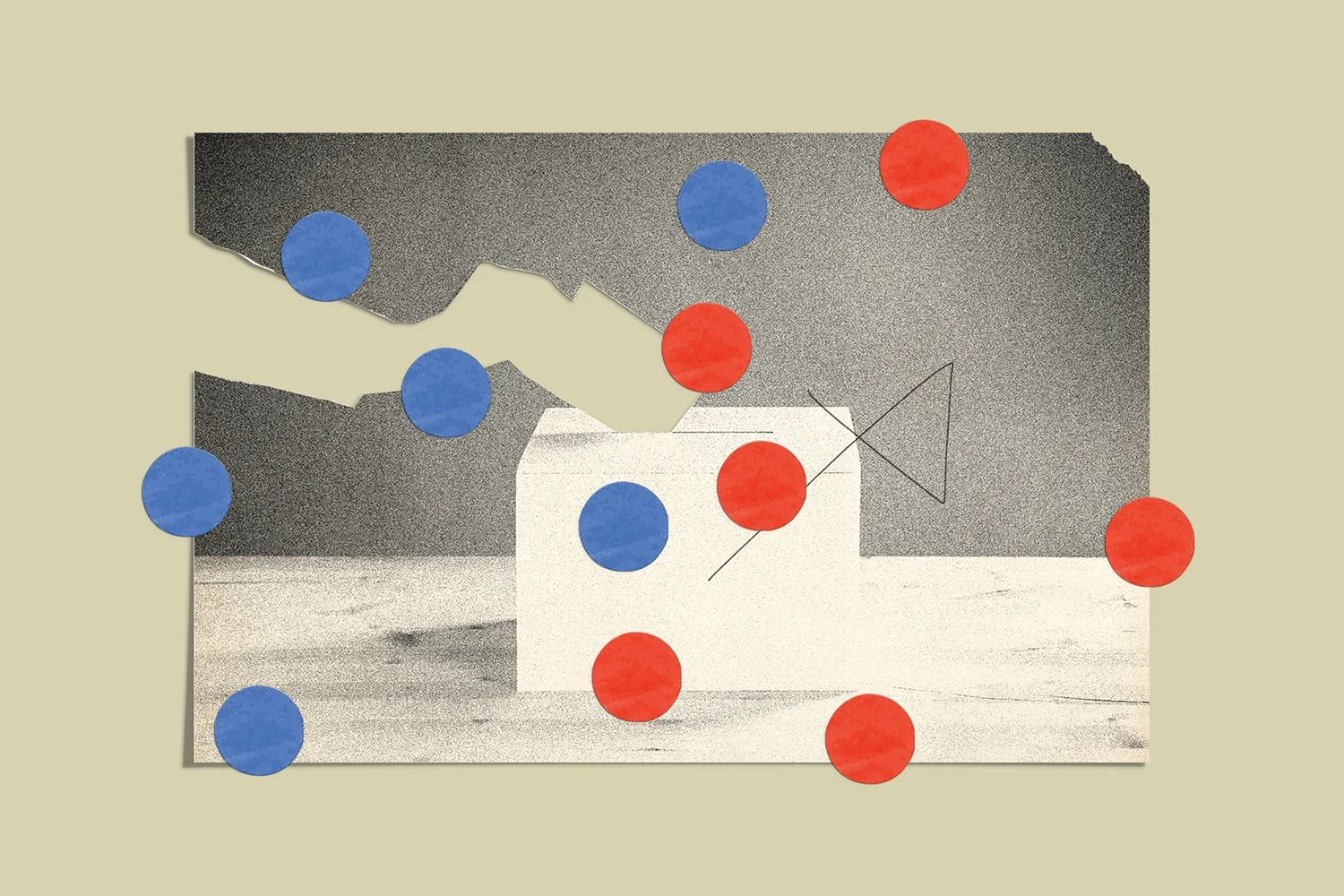
I don’t say our current governing party and principal opposition must always be the two parties in question. Labour may be dying. The Tories may be showing signs of life. In both cases I fervently hope so. But whether or not these remain our two options in elections to come, the tendency will always be for the choice to boil down to two. A first-past-the-post voting system discourages the persistence of more than two, or at the most three, options. Any of us who have canvassed on the doorstep in a first-past-the-post election know the force of the argument that the election in question will decide between A and B: so why ‘waste your vote’ on C?
Britain needs an intelligent, 21st-century party of the centre-left. Labour could never be that party
Multi-party politics tends to rear its head only temporarily, while one party is dying and another struggling to be born. Such transitions may take time, encouraging the supposition that the old two-party order is yielding to a new multi-party world, and we may be in for such a transitional period now.