Local and devolved elections will reveal fragmented party allegiances that cannot be fairly represented in parliament via first past the post
S
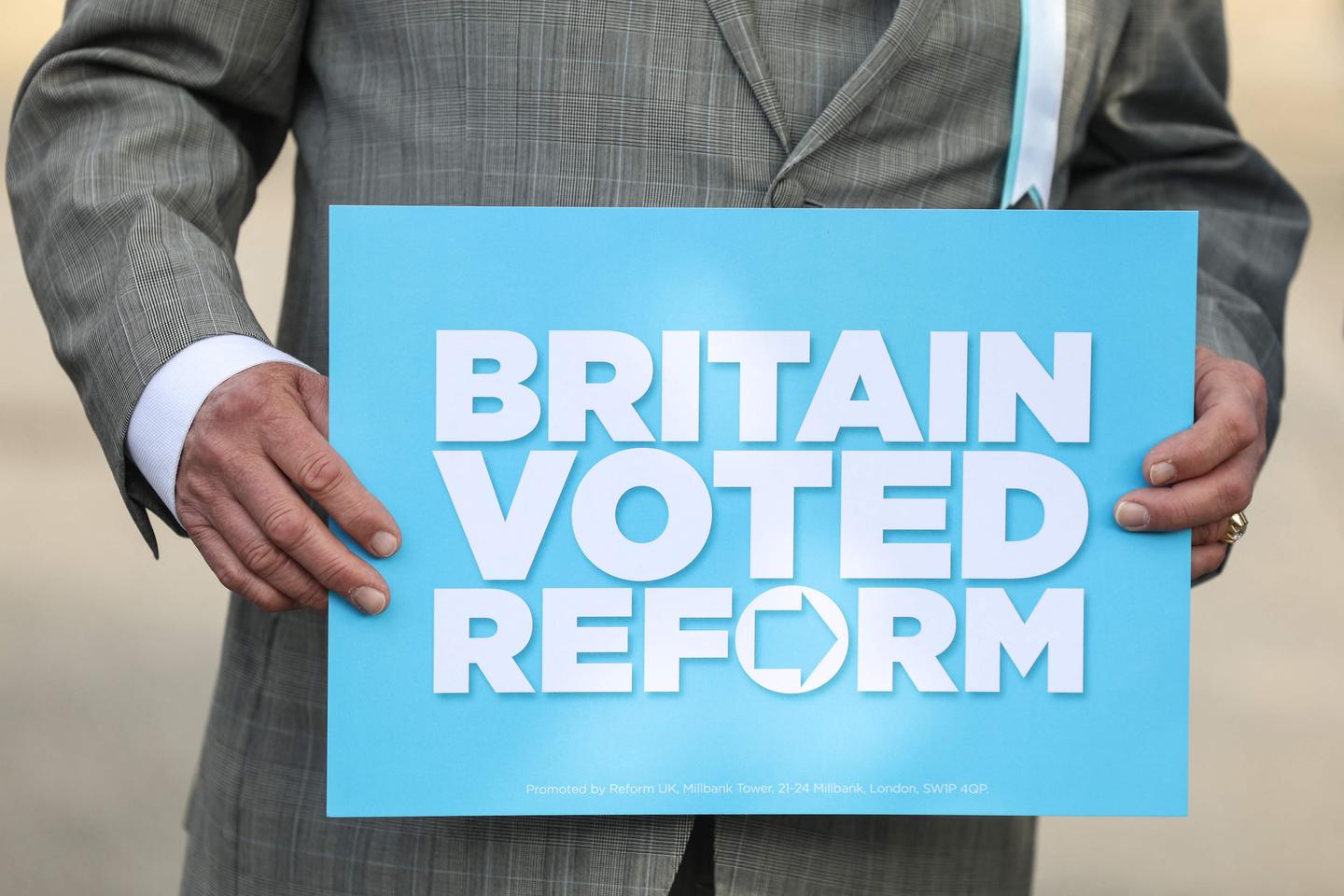
ome results in local council and devolved elections this week can be forecast with confidence, but none with precision. Labour will have a torrid time everywhere. Reform UK will do well, continuing the trend of recent years. The Greens will surge in parts of London. Plaid Cymru will enjoy a breakthrough in Wales. Those trends could produce a wide spectrum of outcomes in terms of seats on councils and in the Scottish and Welsh parliaments. Much depends on the way that tight races involving many parties are filtered through different electoral systems.
The first-past-the-post model used to elect local authorities in England is ill-suited to multiparty politics. It was already flawed in the era when political competition was defined by the rivalry between Labour and the Conservatives. Smaller parties were locked out. Too many voters felt their ballots counted for nothing in safe seats.
But there is an additional perversity when four or five parties have poll ratings somewhere between the high teens and high twenties. The threshold for victory drops. The winning candidate might have been opposed by a clear majority. The average winner’s vote share in last year’s local elections was 40.7% – the lowest on record. About 75 candidates were elected on vote shares lower than 30%.